Latina Valentina, Caioli Silvia, Zona Cristina, Ciotti Maria Teresa, Borreca Antonella, Calissano Pietro, Amadoro Giuseppina
European Brain Research Institute, Rome, Italy.
IRCCS Santa Lucia Foundation, Rome, Italy.
Front Cell Neurosci. 2018 Dec 13;12:487. doi: 10.3389/fncel.2018.00487. eCollection 2018.
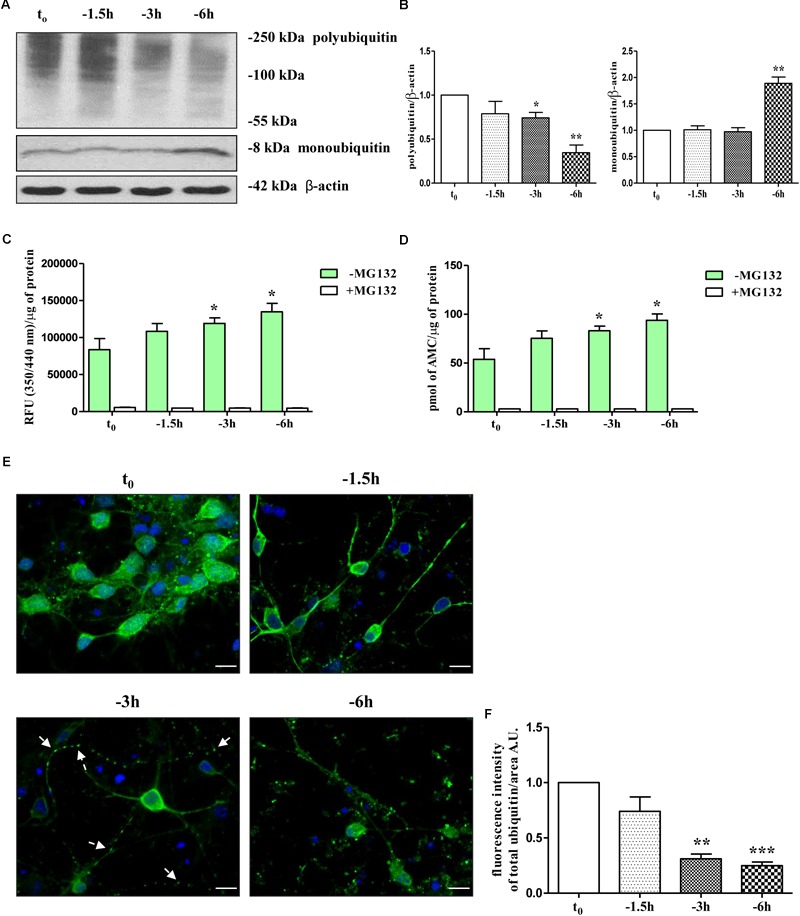
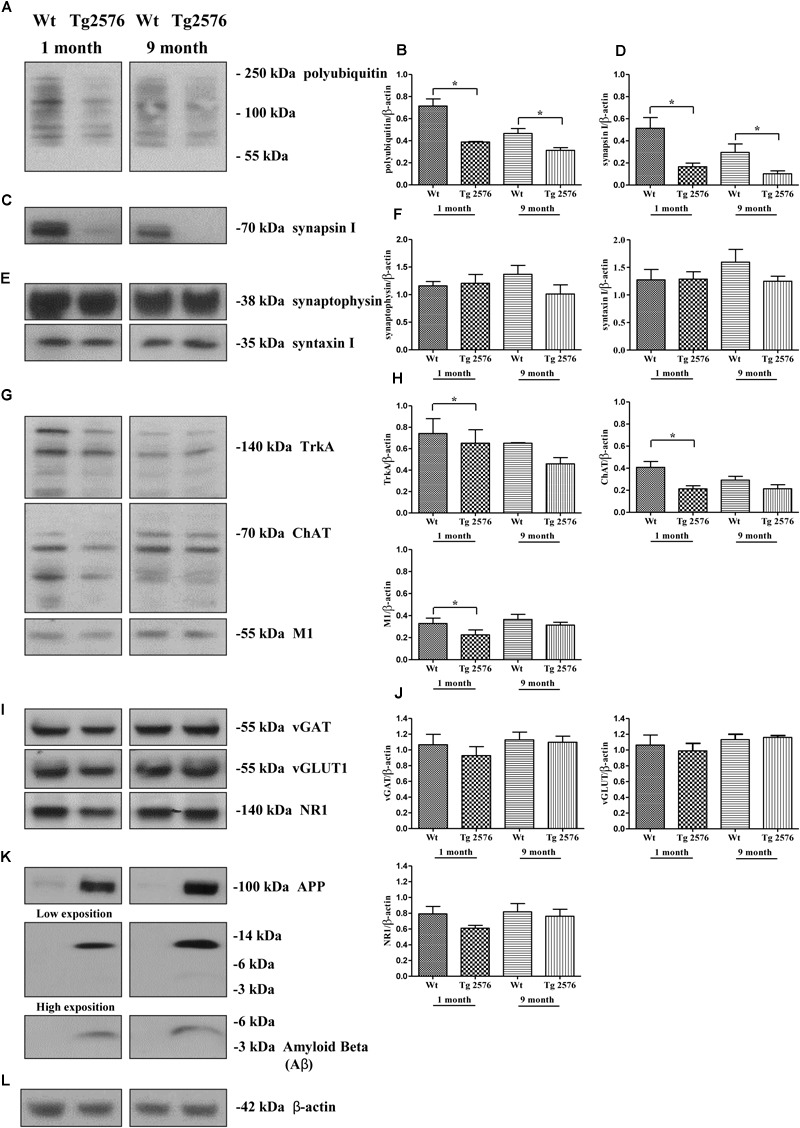
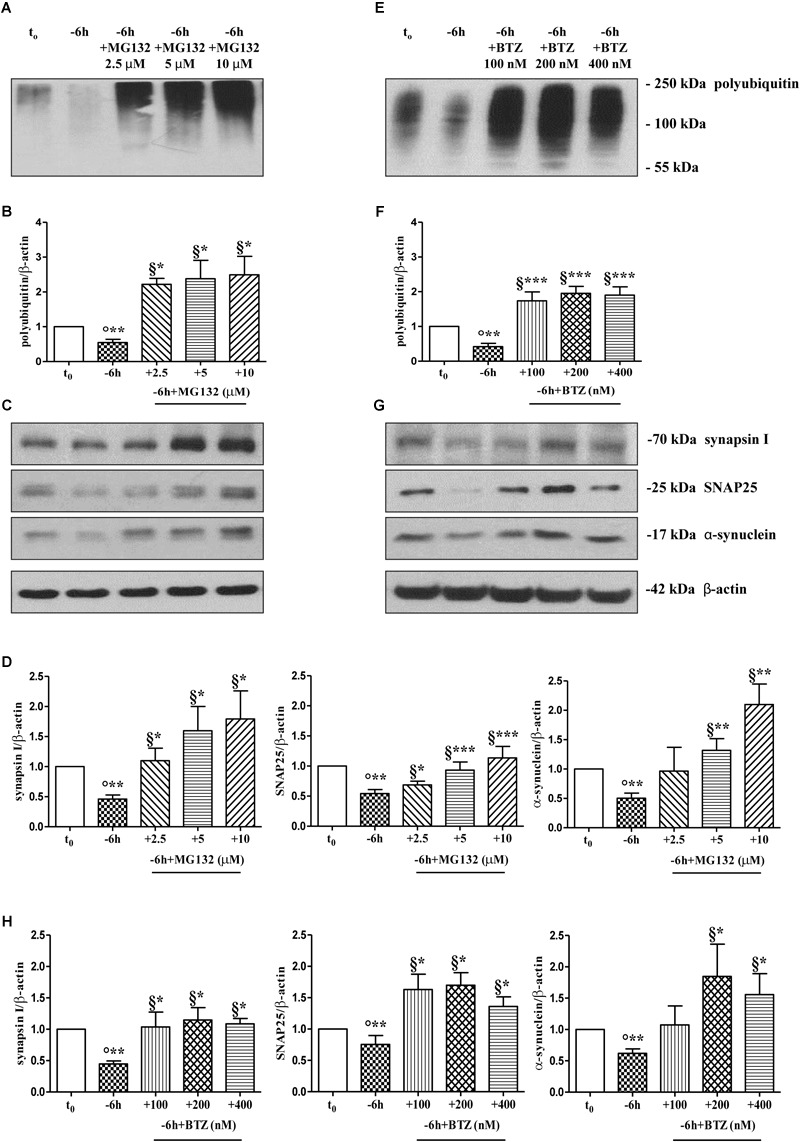
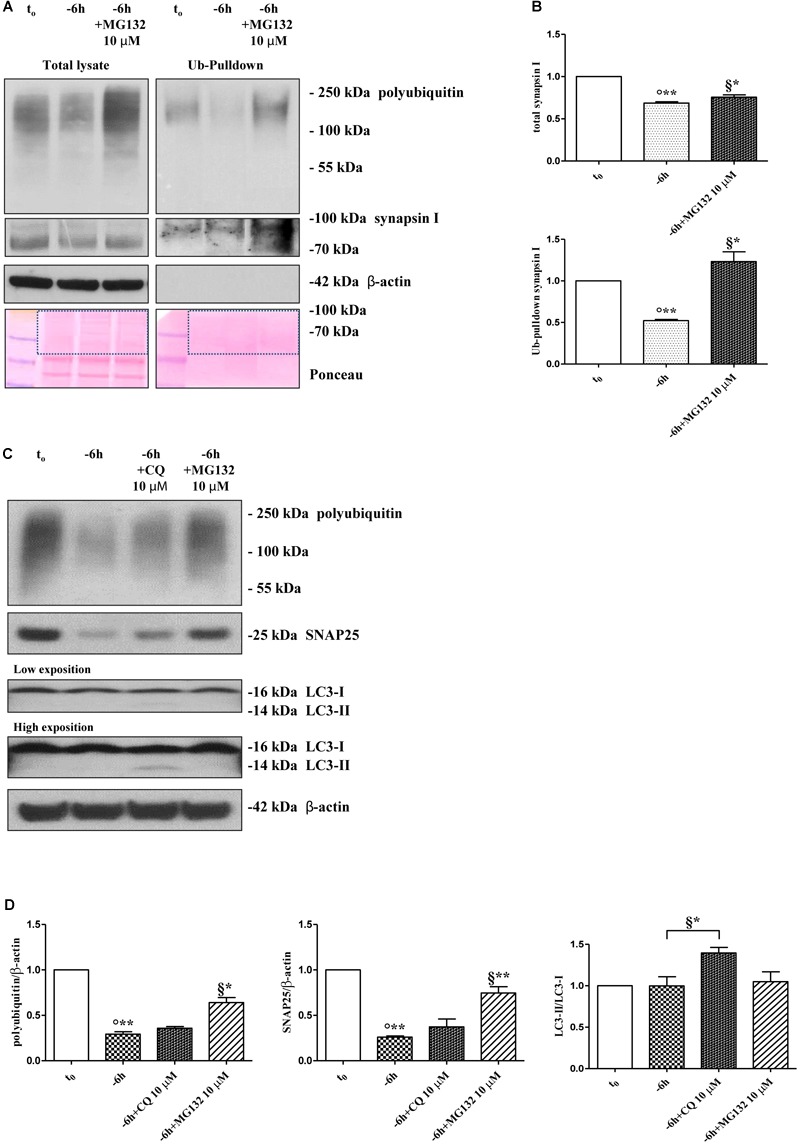
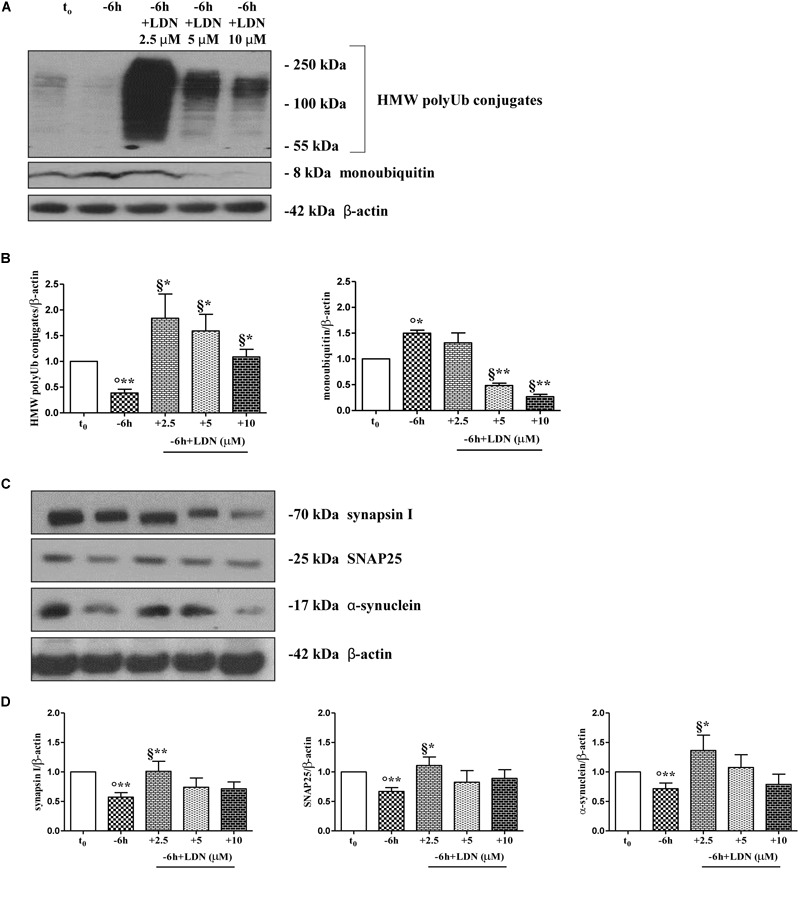
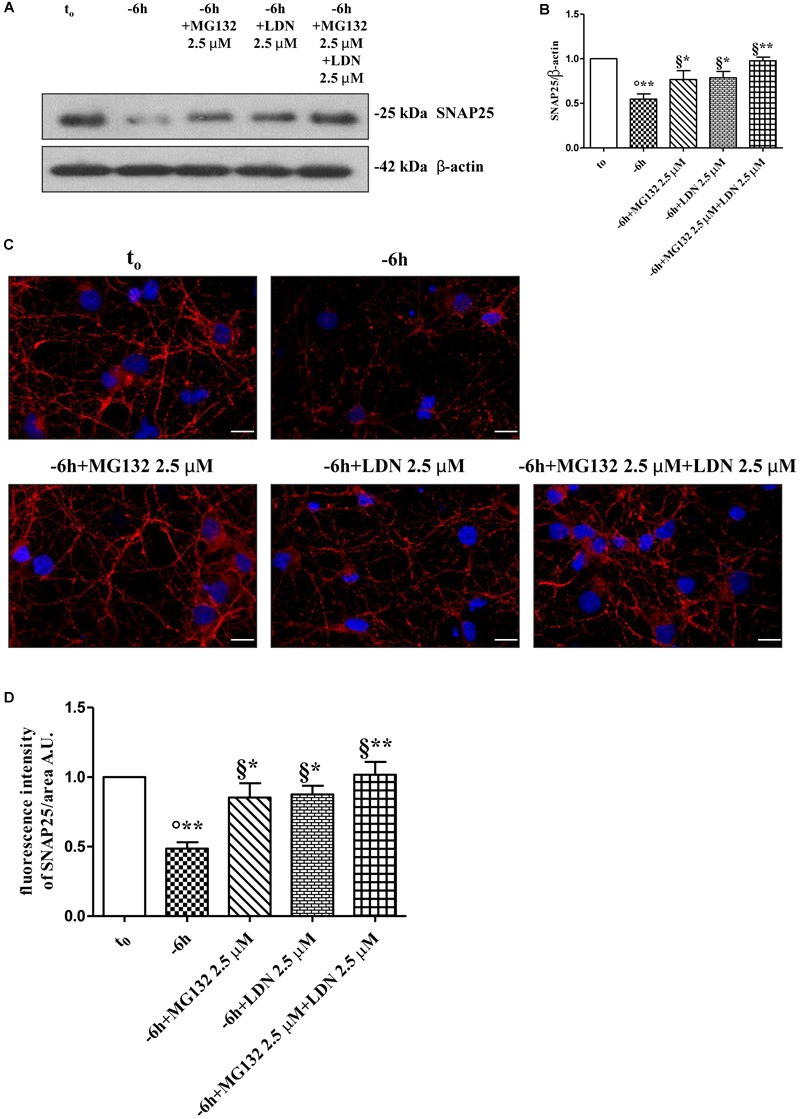
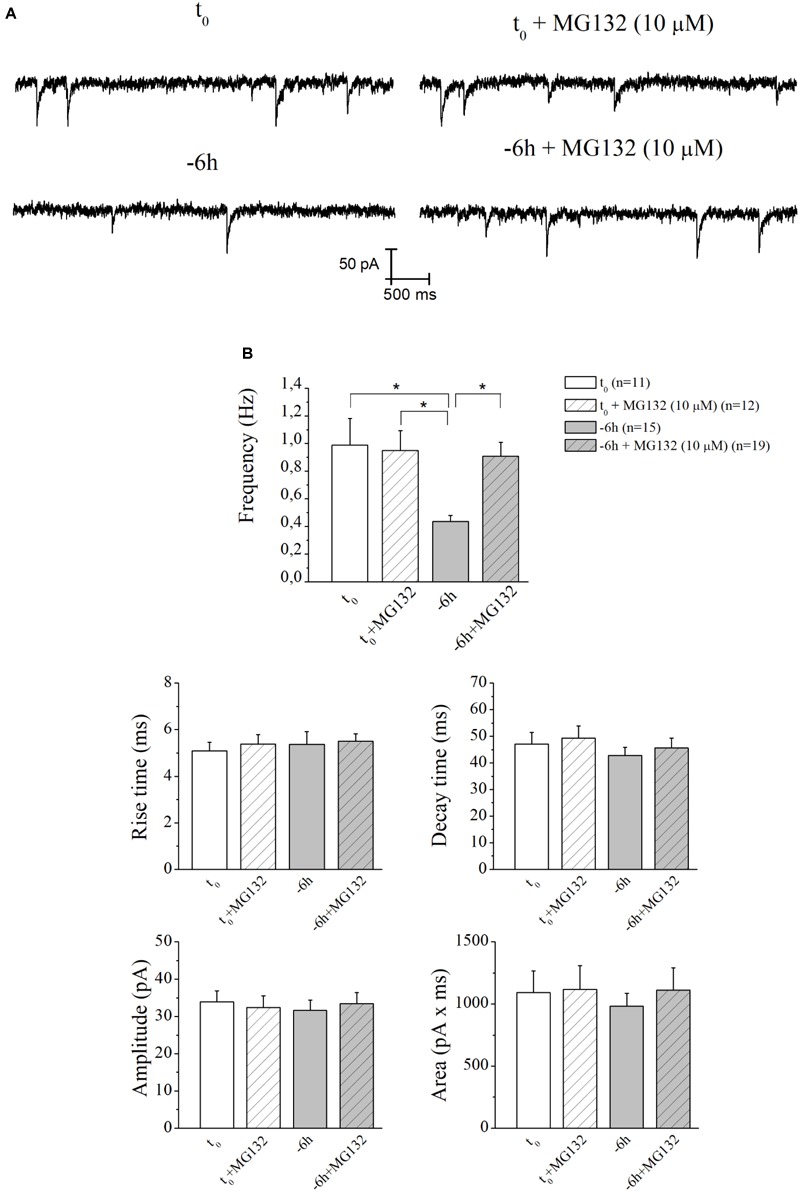
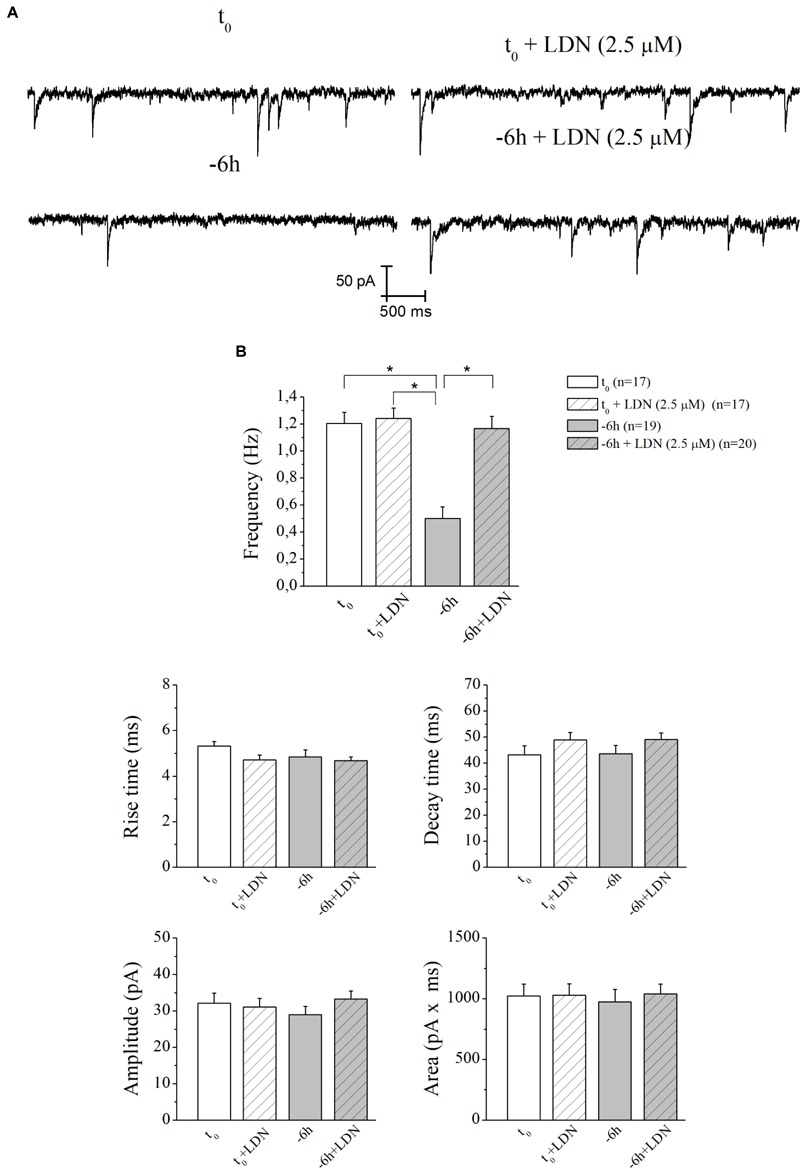
Basal forebrain cholinergic neurons (BFCNs) depend on nerve growth factor (NGF) for their survival/differentiation and innervate cortical and hippocampal regions involved in memory/learning processes. Cholinergic hypofunction and/or degeneration early occurs at prodromal stages of Alzheimer's disease (AD) neuropathology in correlation with synaptic damages, cognitive decline and behavioral disability. Alteration(s) in ubiquitin-proteasome system (UPS) is also a pivotal AD hallmark but whether it plays a causative, or only a secondary role, in early synaptic failure associated with disease onset remains unclear. We previously reported that impairment of NGF/TrkA signaling pathway in cholinergic-enriched septo-hippocampal primary neurons triggers "dying-back" degenerative processes which occur prior to cell death in concomitance with loss of specific vesicle trafficking proteins, including synapsin I, SNAP-25 and α-synuclein, and with deficit in presynaptic excitatory neurotransmission. Here, we show that in this neuronal model: (i) UPS stimulation early occurs following neurotrophin starvation (-1 h up to -6 h); (ii) NGF controls the steady-state levels of these three presynaptic proteins by acting on coordinate mechanism(s) of dynamic ubiquitin-C-terminal hydrolase 1 (UCHL-1)-dependent (mono)ubiquitin turnover and UPS-mediated protein degradation. Importantly, changes in miniature excitatory post-synaptic currents (mEPSCs) frequency detected in -6 h NGF-deprived primary neurons are strongly reverted by acute inhibition of UPS and UCHL-1, indicating that NGF tightly controls the presynaptic efficacy via ubiquitination-mediated pathway(s). Finally, changes in synaptic ubiquitin and selective reduction of presynaptic markers are also found in cholinergic nerve terminals from hippocampi of transgenic Tg2576 AD mice, even from presymptomatic stages of neuropathology (1-month-old). By demonstrating a crucial role of UPS in the dysregulation of NGF/TrkA signaling on properties of cholinergic synapses, these findings from two well-established cellular and animal AD models provide novel therapeutic targets to contrast early cognitive and synaptic dysfunction associated to selective degeneration of BFCNs occurring in incipient early/middle-stage of disease.
基底前脑胆碱能神经元(BFCNs)的存活/分化依赖于神经生长因子(NGF),并支配参与记忆/学习过程的皮质和海马区域。胆碱能功能减退和/或退化在阿尔茨海默病(AD)神经病理学的前驱阶段早期出现,与突触损伤、认知衰退和行为障碍相关。泛素-蛋白酶体系统(UPS)的改变也是AD的一个关键标志,但它在与疾病发作相关的早期突触功能障碍中是起因果作用还是仅起次要作用仍不清楚。我们之前报道,在富含胆碱能的隔海马初级神经元中,NGF/TrkA信号通路的损伤会引发“回退性”退化过程,该过程在细胞死亡之前就已发生,同时伴有特定囊泡运输蛋白(包括突触素I、SNAP-25和α-突触核蛋白)的丢失以及突触前兴奋性神经传递的缺陷。在此,我们表明在这个神经元模型中:(i)神经营养因子饥饿后早期(-1小时至-6小时)就会出现UPS刺激;(ii)NGF通过作用于依赖动态泛素C末端水解酶1(UCHL-1)的(单)泛素周转和UPS介导的蛋白质降解的协调机制,控制这三种突触前蛋白的稳态水平。重要的是,在剥夺NGF 6小时的初级神经元中检测到的微小兴奋性突触后电流(mEPSCs)频率的变化,通过急性抑制UPS和UCHL-1可强烈逆转,这表明NGF通过泛素化介导的途径紧密控制突触前效能。最后,在转基因Tg2576 AD小鼠海马的胆碱能神经末梢中也发现了突触泛素的变化和突触前标志物的选择性减少,甚至在神经病理学的无症状阶段(1月龄)就已出现。通过证明UPS在NGF/TrkA信号失调对胆碱能突触特性的影响中起关键作用,来自两个成熟的细胞和动物AD模型的这些发现为对抗与疾病早期/中期发生的BFCNs选择性退化相关的早期认知和突触功能障碍提供了新的治疗靶点。