Deng Huimin, Yang Siqi, Zhang Yucheng, Qian Kai, Zhang Zhaohui, Liu Yangyang, Wang Ye, Bai Yang, Fan Hongying, Zhao Xinmei, Zhi Fachao
Guangdong Provincial Key Laboratory of Gastroenterology, Department of Gastroenterology, Institute of Gastroenterology of Guangdong Province, Nanfang Hospital, Southern Medical University, Guangzhou, China.
Guangzhou ZhiYi Biotechnology Co., Ltd., Guangzhou, China.
Front Microbiol. 2018 Dec 21;9:2976. doi: 10.3389/fmicb.2018.02976. eCollection 2018.
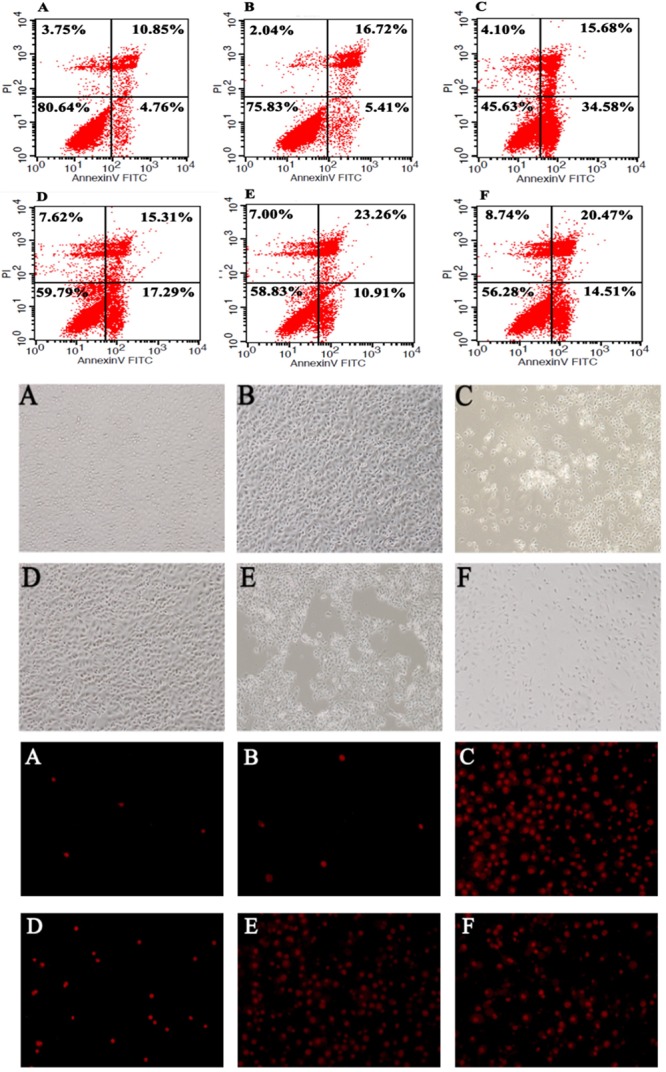
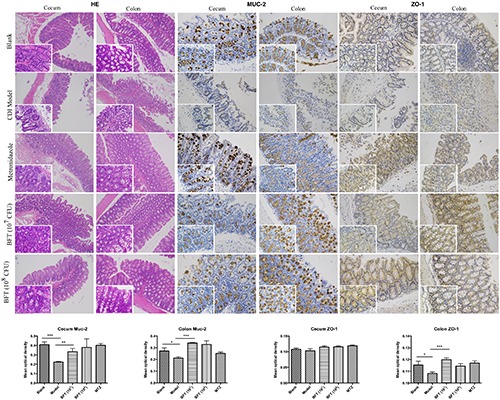
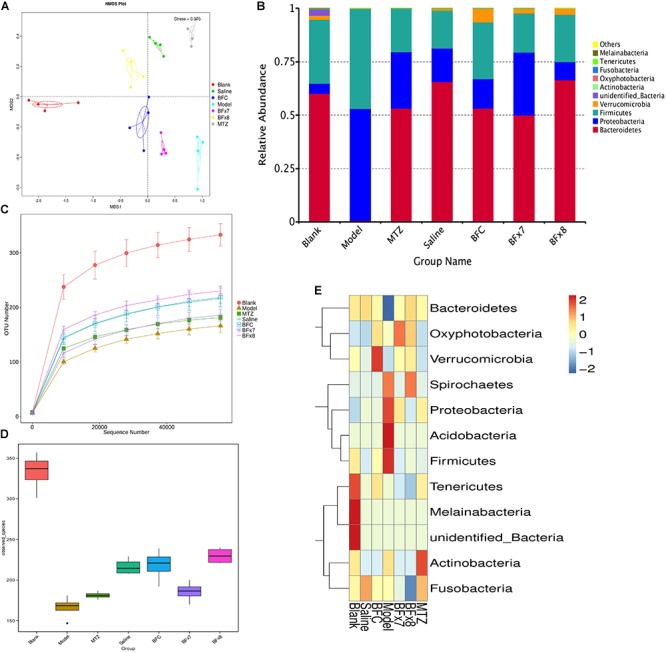
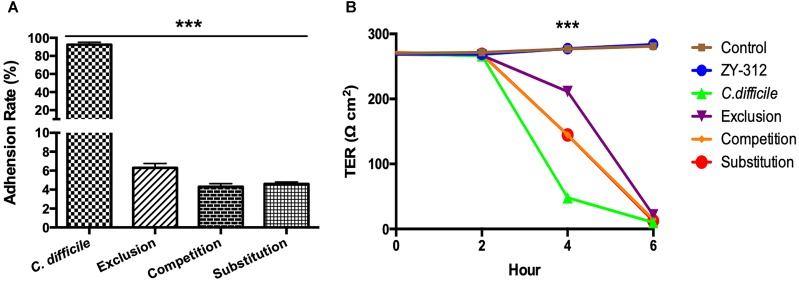
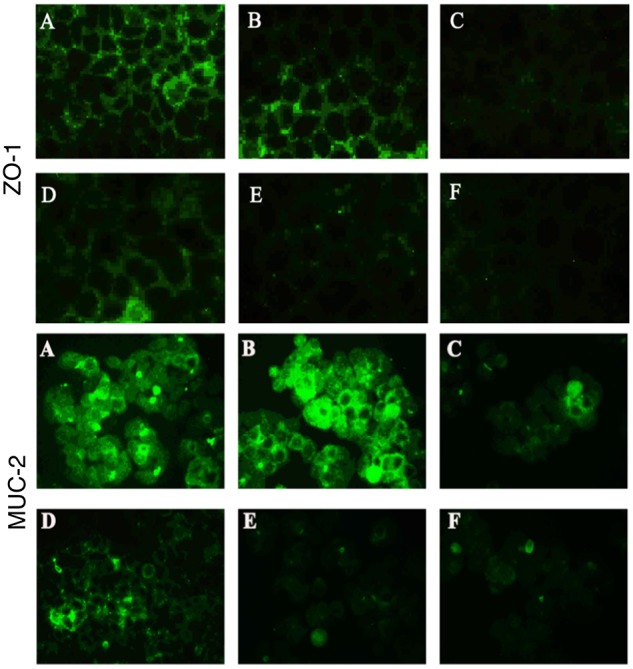
is currently the leading cause of nosocomial infection. Antibiotics remain the first-line therapy for -associated diseases (CDAD), despite the risks of resistance promotion and further gut microbiota perturbation. Notably, the abundance of was reported to be significantly decreased in CDAD patients. This study aimed to clarify the prophylactic effects of strain ZY-312 in a mouse model of infection (CDI). The CDI mouse model was successfully created using strain VPI 10463 spores, as confirmed by lethal diarrhea (12.5% survival rate), serious gut barrier disruption, and microbiota disruption. CDI model mice prophylactically treated with exhibited significantly higher survival rates (100% in low dosage group, 87.5% in high dosage group) and improved clinical manifestations. Histopathological analysis of colon and cecum tissue samples revealed an intact gut barrier with strong ZO-1 and Muc-2 expression. The bacterial diversity and relative abundance of gut microbiota were significantly improved. Interestingly, the relative abundance of was positively correlated with treatment. experiments showed that inhibited adherence, and attenuated the decrease in CDI-induced transepithelial electrical resistance, ZO-1 and MUC-2 loss, and apoptosis, suggesting that protected against CDI possibly by resisting pathogen colonization and improving gut barrier integrity and functions. In summary, exerted protective effects on a CDI mouse model by modulating gut microbiota and alleviating barrier destruction, thereby relieving epithelial stress and pathogenic colitis triggered by . This study provides an alternative preventative measure for CDI and lays the foundations for further investigations of the relationships among opportunistic pathogens, commensal microbiota, and the gut barrier.
目前是医院感染的主要原因。尽管存在促进耐药性和进一步扰乱肠道微生物群的风险,但抗生素仍然是与相关疾病(艰难梭菌相关性腹泻,CDAD)的一线治疗方法。值得注意的是,据报道,CDAD患者中某种菌的丰度显著降低。本研究旨在阐明某种菌株ZY - 312在艰难梭菌感染(CDI)小鼠模型中的预防作用。通过致死性腹泻(存活率12.5%)、严重的肠道屏障破坏和微生物群破坏证实,使用某种菌株VPI 10463孢子成功创建了CDI小鼠模型。用某种菌预防性治疗的CDI模型小鼠表现出显著更高的存活率(低剂量组为100%,高剂量组为87.5%)和改善的临床表现。结肠和盲肠组织样本的组织病理学分析显示肠道屏障完整,ZO - 1和Muc - 2表达强烈。肠道微生物群的细菌多样性和相对丰度显著改善。有趣的是,某种菌的相对丰度与某种菌治疗呈正相关。实验表明,某种菌抑制了某种菌的黏附,并减轻了CDI诱导的跨上皮电阻降低、ZO - 1和MUC - 2丢失以及细胞凋亡,表明某种菌可能通过抵抗病原体定植和改善肠道屏障完整性及功能来预防CDI。总之,某种菌通过调节肠道微生物群和减轻屏障破坏,对CDI小鼠模型发挥了保护作用,从而缓解了由某种菌引发的上皮应激和致病性结肠炎。本研究为CDI提供了一种替代预防措施,并为进一步研究机会性病原体、共生微生物群和肠道屏障之间的关系奠定了基础。