The Sainsbury Laboratory, Norwich Research Park, Norwich, United Kingdom.
Department of Biology and Biotechnology Charles Darwin, Sapienza University of Rome, Rome, Italy.
PLoS One. 2019 Jan 9;14(1):e0204778. doi: 10.1371/journal.pone.0204778. eCollection 2019.
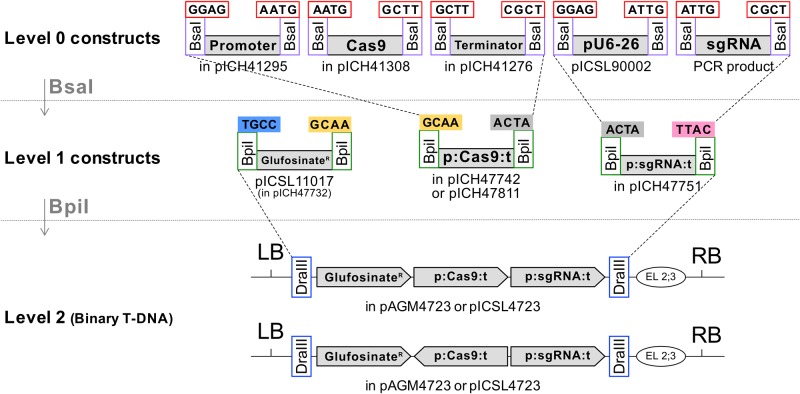
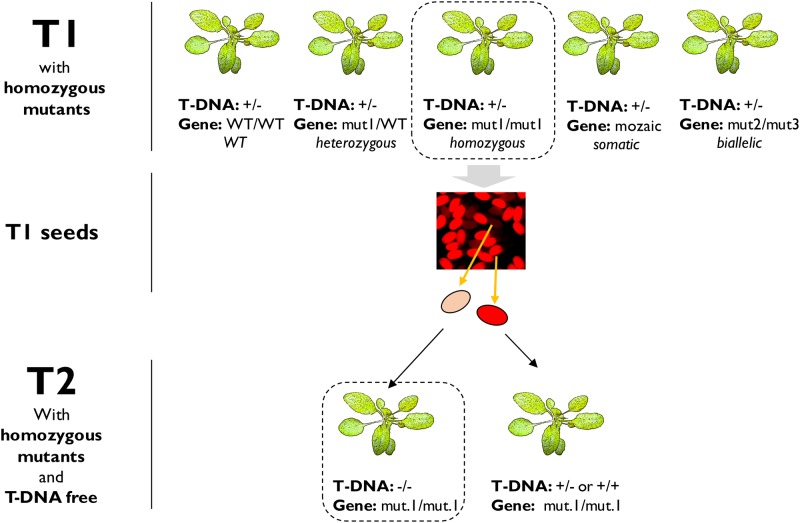
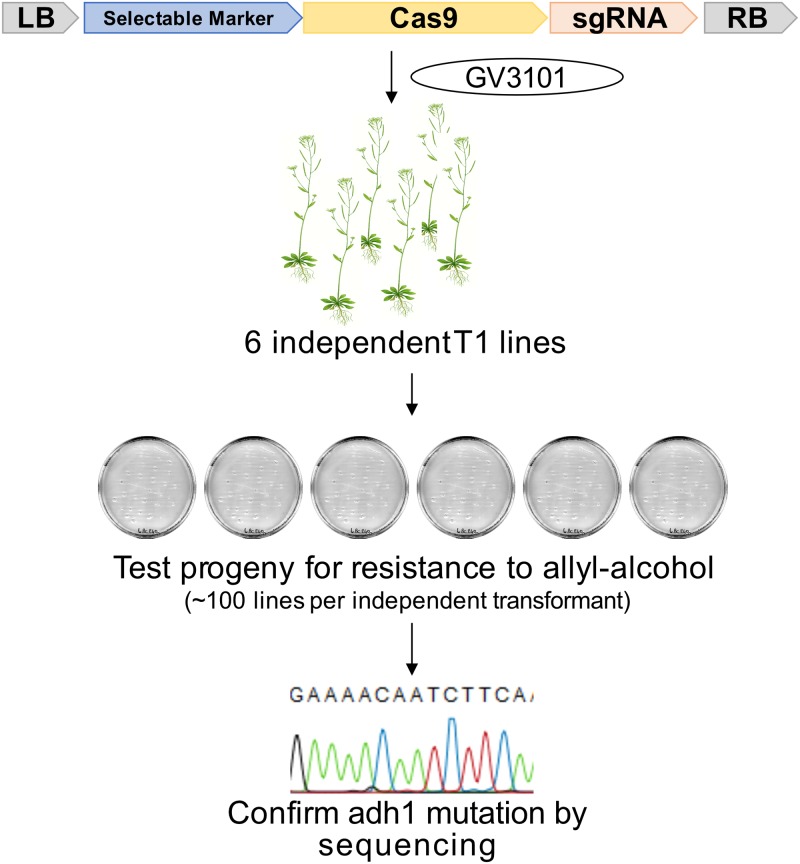
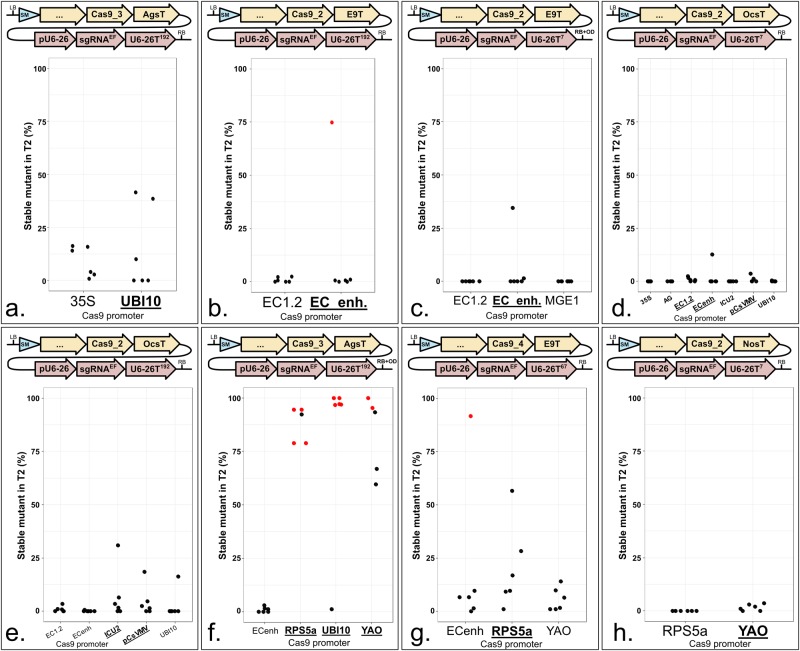
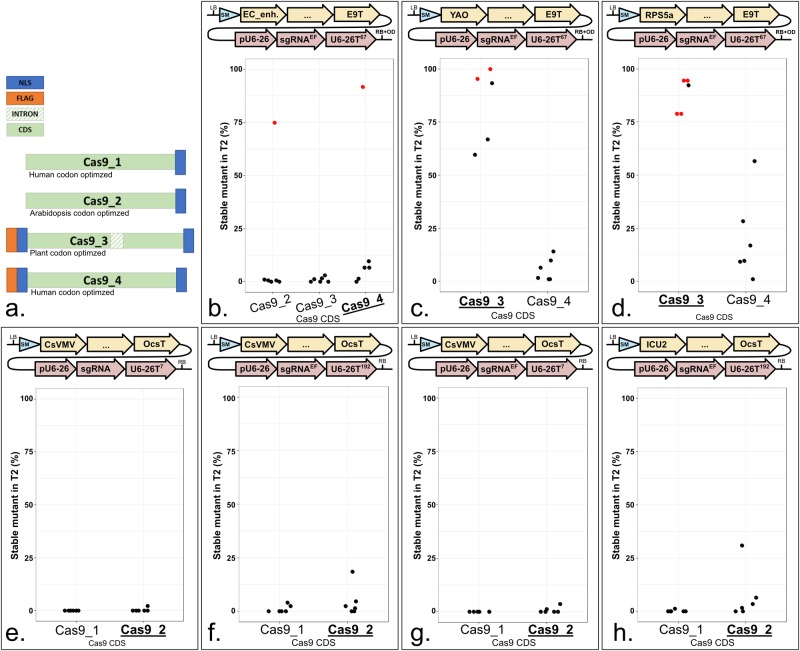
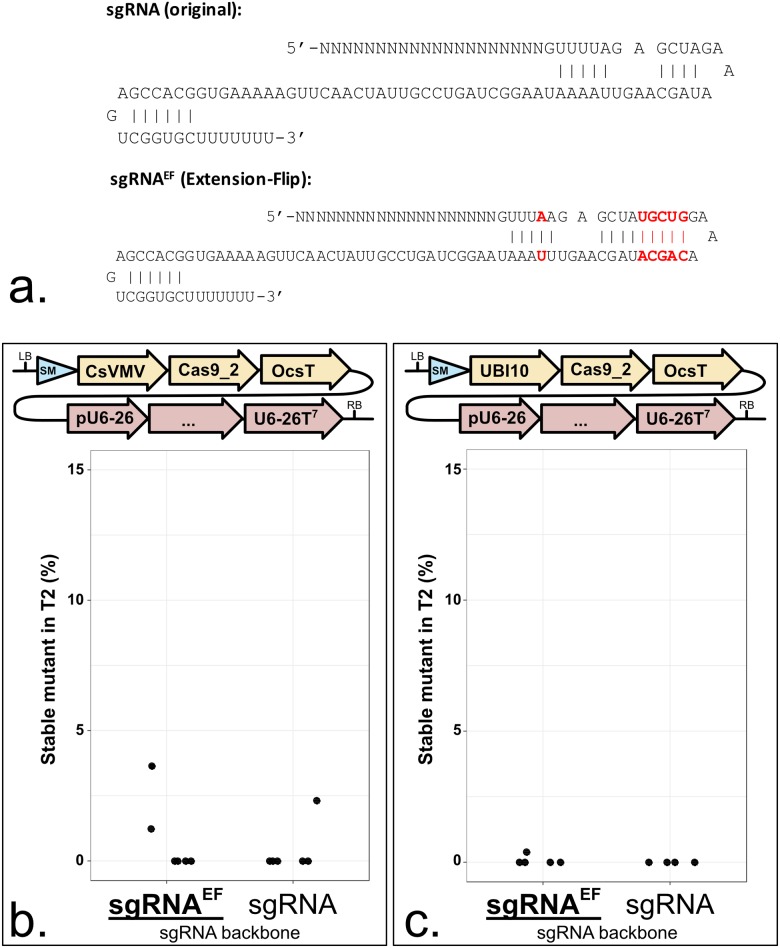
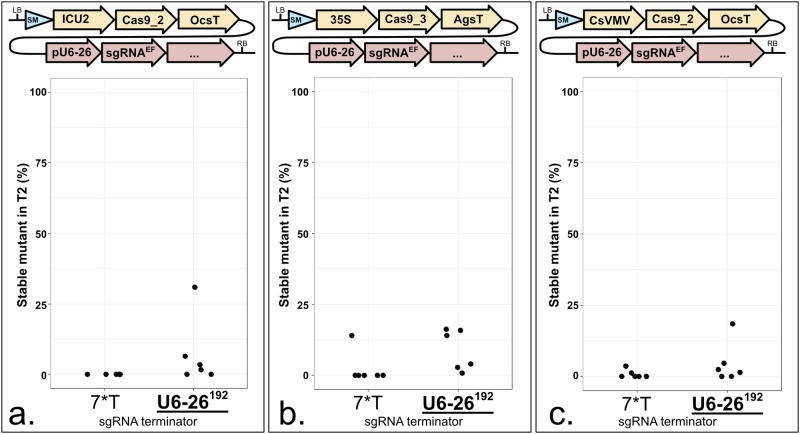
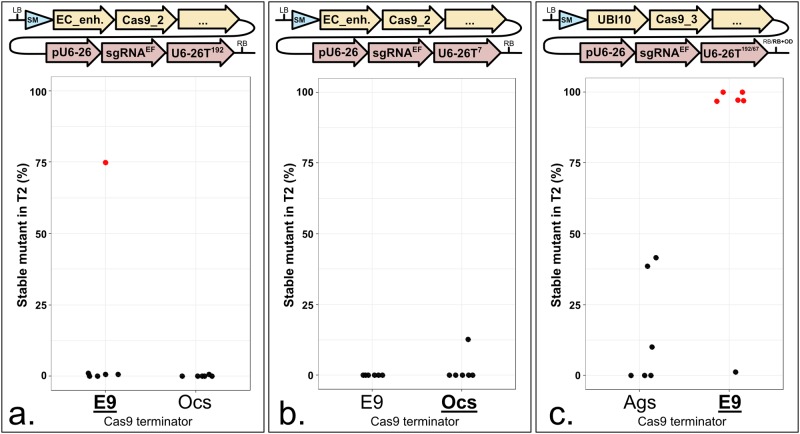
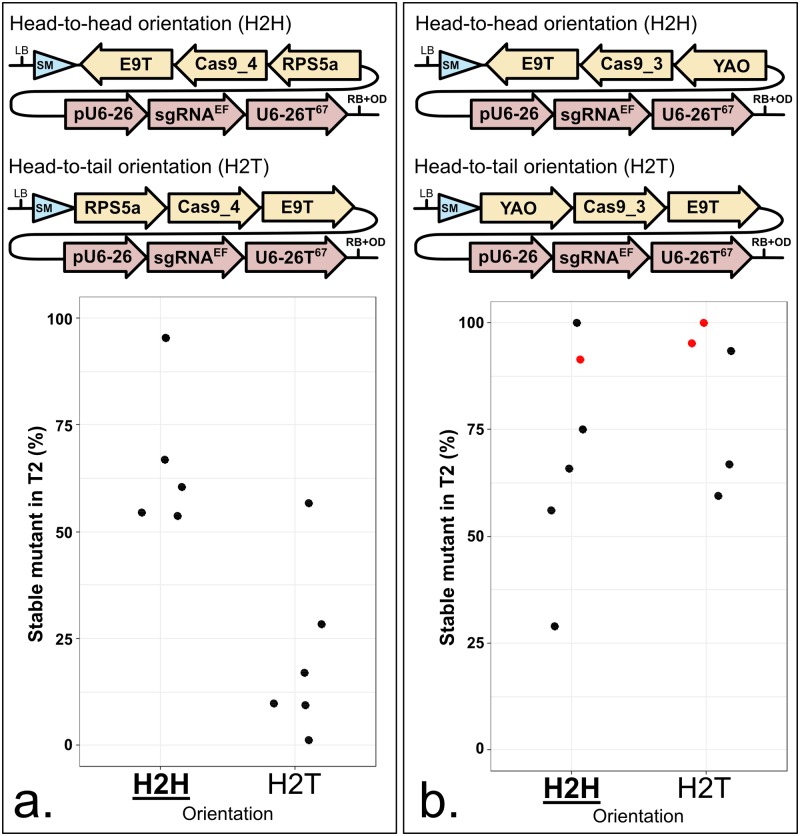
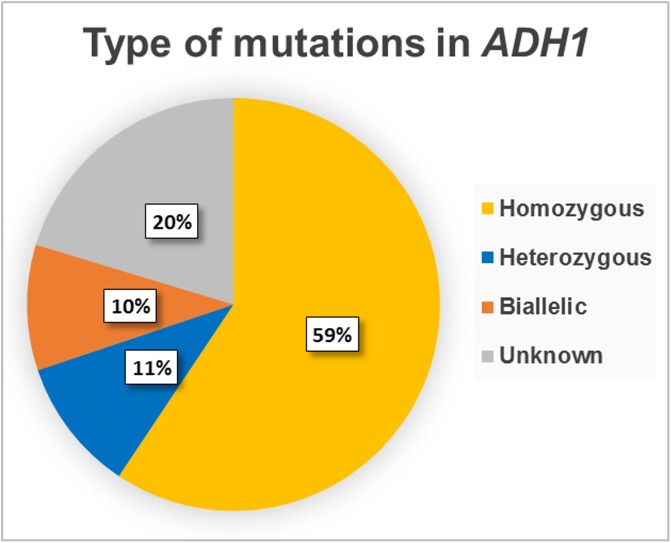
Bacterial CRISPR systems have been widely adopted to create operator-specified site-specific nucleases. Such nuclease action commonly results in loss-of-function alleles, facilitating functional analysis of genes and gene families We conducted a systematic comparison of components and T-DNA architectures for CRISPR-mediated gene editing in Arabidopsis, testing multiple promoters, terminators, sgRNA backbones and Cas9 alleles. We identified a T-DNA architecture that usually results in stable (i.e. homozygous) mutations in the first generation after transformation. Notably, the transcription of sgRNA and Cas9 in head-to-head divergent orientation usually resulted in highly active lines. Our Arabidopsis data may prove useful for optimization of CRISPR methods in other plants.
细菌 CRISPR 系统已被广泛用于创建操作员指定的特定于位点的核酸酶。这种核酸酶的作用通常会导致功能丧失等位基因,从而促进基因和基因家族的功能分析。我们对拟南芥中 CRISPR 介导的基因编辑的组件和 T-DNA 结构进行了系统比较,测试了多个启动子、终止子、sgRNA 骨架和 Cas9 等位基因。我们确定了一种 T-DNA 结构,它通常会导致转化后的第一代中稳定(即纯合)突变。值得注意的是,sgRNA 和 Cas9 以头对头发散方向转录通常会导致高度活跃的系。我们的拟南芥数据可能有助于优化其他植物中的 CRISPR 方法。