Department of Obstetrics and Gynecology, ASO Iizuka Hospital, Iizuka, Fukuoka, Japan.
Department of Health Information Management, ASO Iizuka Hospital, Iizuka, Fukuoka, Japan.
PLoS One. 2019 Jan 9;14(1):e0208873. doi: 10.1371/journal.pone.0208873. eCollection 2019.
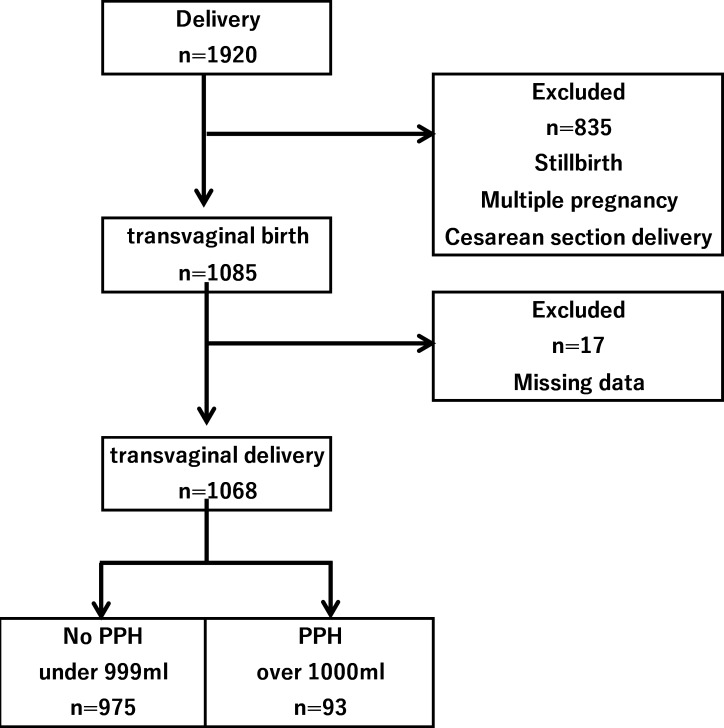
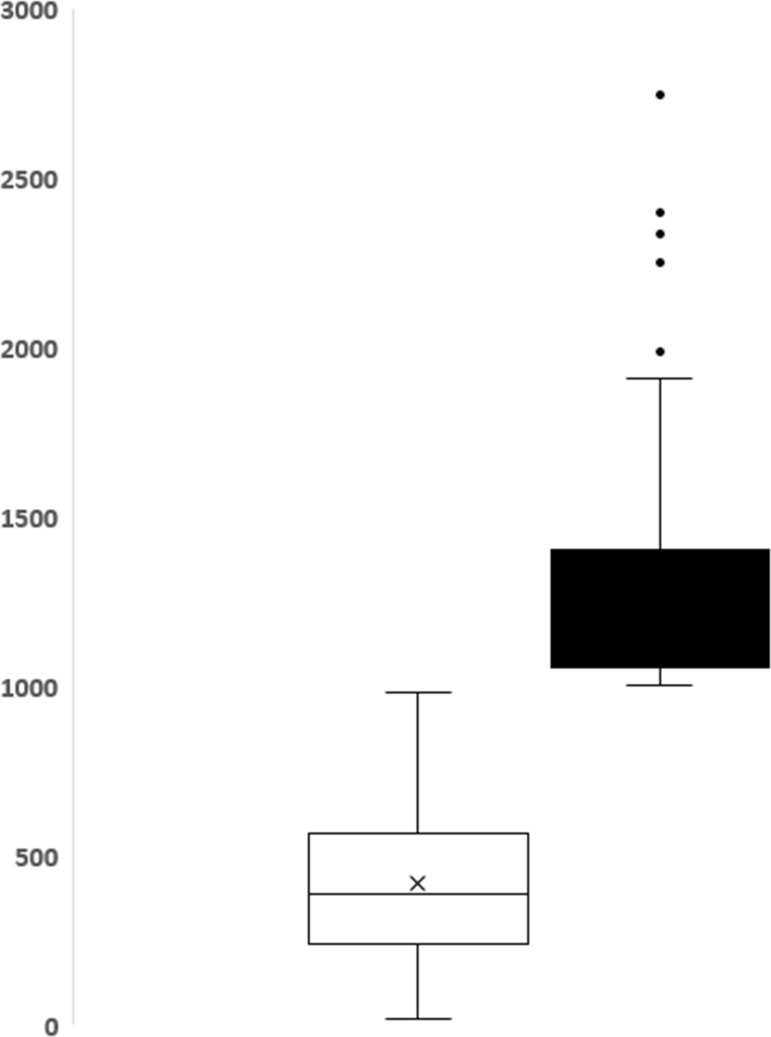
Postpartum hemorrhage (PPH) remains a leading cause of maternal death worldwide, and it is important to understand the relative contributions of different risk factors. We assessed the incidence of these among cases of transvaginal delivery. Between June 2013 and July 2016, a prospective cohort study was conducted at a tertiary perinatal medical facility in Japan. Women were administered a questionnaire to ascertain risk factors for PPH, defined as a blood loss of 1,000 ml or more assessed using a calibrated under-buttocks drape and collection vessel at childbirth. We analyzed 1,068 transvaginal deliveries of singleton pregnancies. The incidence of PPH was 8.7%, and of severe PPH (1,500 ml blood loss or more) was 2.1%. Risk factors for postpartum hemorrhage among the deliveries were: fetal macrosomia (over 4000 g); pregnancy-induced hypertension; pregnancy generated by assisted reproductive technology; severe vaginal or perineal lacerations; and weight gain over 15 kg during pregnancy. Such high weight gain significantly increased the incidence of PPH compared with women showing less than 10 kg weight gain during pregnancy. Monitoring these identified risk factors could enable extra vigilance during labor, and preparedness for managing PPH in all women giving birth.
产后出血(PPH)仍然是全球孕产妇死亡的主要原因,了解不同危险因素的相对贡献非常重要。我们评估了这些因素在经阴道分娩病例中的发生情况。2013 年 6 月至 2016 年 7 月,在日本一家三级围产期医疗中心进行了一项前瞻性队列研究。对女性进行问卷调查,以确定产后出血的危险因素,产后出血定义为分娩时使用校准的臀部下垫单和收集容器评估的出血量为 1000ml 或更多。我们分析了 1068 例经阴道分娩的单胎妊娠。产后出血的发生率为 8.7%,严重产后出血(出血量 1500ml 或更多)的发生率为 2.1%。分娩时产后出血的危险因素有:胎儿巨大儿(超过 4000g);妊娠高血压;辅助生殖技术妊娠;严重阴道或会阴裂伤;以及怀孕期间体重增加超过 15kg。与怀孕期间体重增加少于 10kg 的女性相比,如此高的体重增加显著增加了产后出血的发生率。监测这些已确定的危险因素可以使分娩期间保持警惕,并为所有分娩妇女管理产后出血做好准备。