Sunde Kiri E, Cutsforth-Gregory Jeremy K, Leep Hunderfund Andrea N
Mayo Clinic Alix School of Medicine, Neurology Department, Mayo Clinic, Rochester, MN, USA.
Neurology Department, Mayo Clinic Alix School of Medicine, Rochester, MN, USA.
J Med Educ Curric Dev. 2018 Dec 25;5:2382120518815698. doi: 10.1177/2382120518815698. eCollection 2018 Jan-Dec.
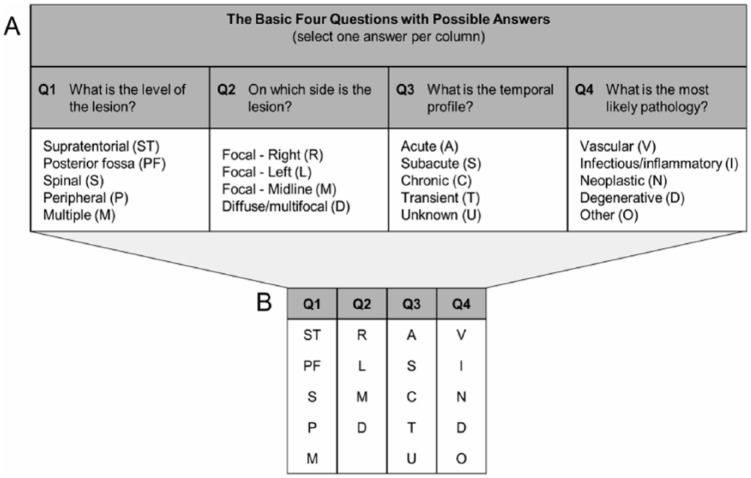
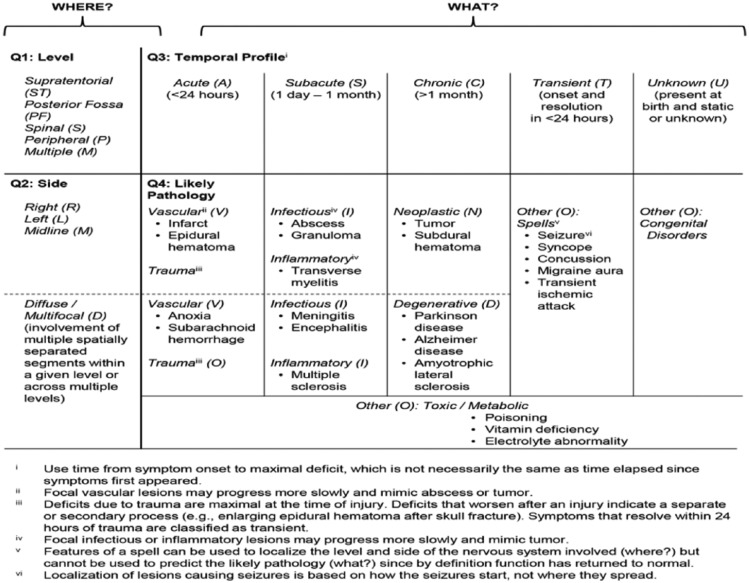
Among medical students, neurosceince is considered a notoriously difficult subject. This challenges faculty to teach preclinical neurology in more engaging, efficient, and prioritized ways. Traditional approaches to neuroscience instruction typically begin with neuroanatomy and advance to clinical problem solving after this foundation of knowledge is in place. Over the past 45 years, neurology faculty at Mayo Clinic Alix School of Medicine have developed and iteratively refined an inverted approach called The Basic Four. The Basic Four uses authentic clinical scenarios as the basis for neuroscience instruction and incorporates principles from cognitive load theory to calibrate load on students' working memory. This perspective describes The Basic Four and illustrates how cognitive load theory can be used to enhance case-based learning.
在医学生中,神经科学被认为是一门极其难学的学科。这就要求教师以更具吸引力、更高效且更具重点的方式教授临床前神经学。传统的神经科学教学方法通常从神经解剖学开始,在建立起这一知识基础后再推进到临床问题解决。在过去45年里,梅奥诊所阿里克斯医学院的神经学教师开发并不断完善了一种名为“基础四步法”的反向教学法。“基础四步法”以真实的临床场景为神经科学教学的基础,并纳入认知负荷理论的原则来校准学生工作记忆的负荷。本文阐述了“基础四步法”,并说明了如何利用认知负荷理论来加强基于案例的学习。