Brzostowski Jacob T, Larsen Brian G, Youngblood Robert T, Ciol Marcia A, Hafner Brian J, Gurrey Clement J, McLean Jake B, Allyn Katheryn J, Sanders Joan E
University of Washington, Seattle, WA, USA.
Prosthet Orthot Int. 2019 Jun;43(3):250-256. doi: 10.1177/0309364618820140. Epub 2019 Jan 10.
Loss of residual limb volume degrades socket fit and may require accommodation.
To examine if either of two accommodation strategies executed during resting, socket release with full socket size return and socket release with partial socket size return, enhanced limb fluid volume retention during subsequent activity.
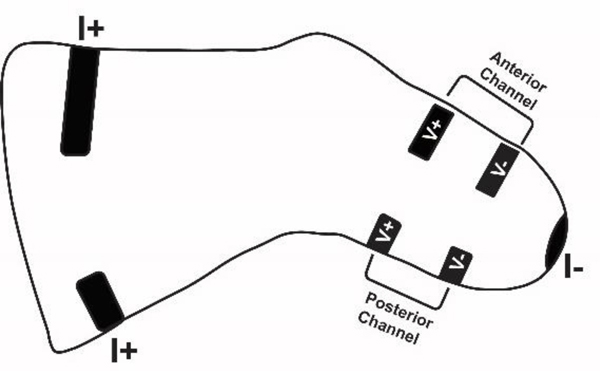
Two repeated-measures experiments were conducted to assess the effects of socket release on limb fluid volume retention.
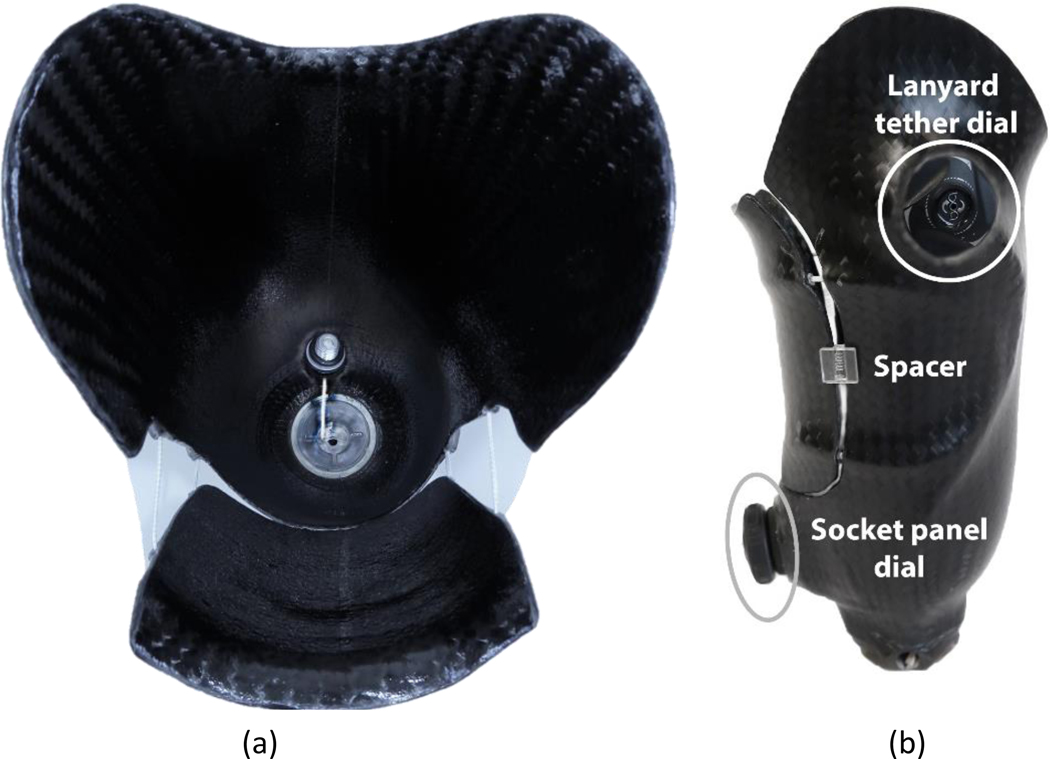
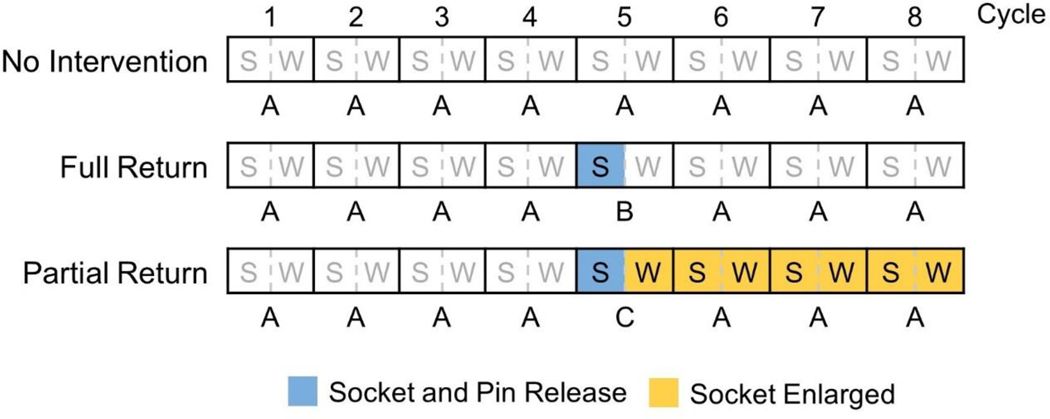
Limb fluid volume was monitored while participants wore a socket with a single adjustable panel. Participants performed eight activity cycles that each included 10 min of sitting and 2 min of walking. The socket's posterior panel and pin lock were released during the fifth cycle while participants were sitting. In one experiment (Full Return), the socket was returned to its pre-release size; in a second experiment (Partial Return), it was returned to 102% of its pre-release size. Short-term and long-term limb fluid volume retention were calculated and compared to a projected, No Intervention condition.
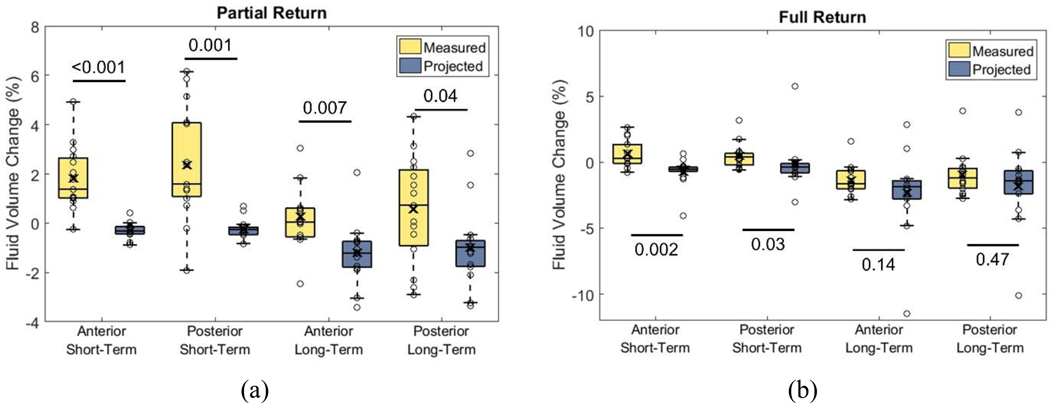
Partial Return and Full Return short-term retentions and Partial Return long-term retention were greater than those projected under the control condition ( p < 0.05).
Socket release during resting after activity, particularly when the socket is returned to a slightly larger size, may be an effective accommodation strategy to reduce fluid volume loss in transtibial prosthesis users.
This study suggests that existing prosthetic technologies' adjustable sockets and locking pin tethers can be used in novel ways to help maintain residual limb fluid volume in active prosthesis users.
残肢体积的减少会降低接受腔的适配性,可能需要进行调整。
研究在休息期间执行的两种调整策略(接受腔完全恢复尺寸的释放和部分恢复尺寸的释放)是否能在后续活动中增强肢体液体容量的保留。
进行了两项重复测量实验,以评估接受腔释放对肢体液体容量保留的影响。
在参与者佩戴带有单个可调节面板的接受腔时,监测肢体液体容量。参与者进行八个活动周期,每个周期包括10分钟的坐姿和2分钟的步行。在第五个周期参与者坐着时,释放接受腔的后面板和销锁。在一项实验(完全恢复)中,接受腔恢复到释放前的尺寸;在第二项实验(部分恢复)中,接受腔恢复到释放前尺寸的102%。计算短期和长期的肢体液体容量保留,并与预计的无干预情况进行比较。
部分恢复和完全恢复的短期保留以及部分恢复的长期保留均大于对照条件下的预计值(p < 0.05)。
活动后休息期间的接受腔释放,特别是当接受腔恢复到稍大尺寸时,可能是一种有效的调整策略,可减少经胫骨假肢使用者的液体容量损失。
本研究表明,现有的假肢技术中的可调节接受腔和锁定销系绳可以以新的方式使用,以帮助活跃的假肢使用者维持残肢液体容量。