Youngblood Robert T, Brzostowski Jacob T, Hafner Brian J, Czerniecki Joseph M, Allyn Katheryn J, Foster Richard L, Sanders Joan E
Department of Bioengineering, University of Washington, Seattle, WA, USA.
Department of Rehabilitation Medicine, University of Washington, Seattle, WA, USA.
Prosthet Orthot Int. 2020 Jun;44(3):155-163. doi: 10.1177/0309364620909044. Epub 2020 Mar 18.
Previous studies investigating limb volume change with elevated vacuum have shown inconsistent results and have been limited by out-of-socket volume measurements and short, single-activity protocols.
To evaluate the effectiveness of elevated vacuum for managing limb fluid volume compared to suction suspension with an in-socket measurement modality during many hours of activity.
Fixed-order crossover design with a standardized out-of-laboratory activity protocol.
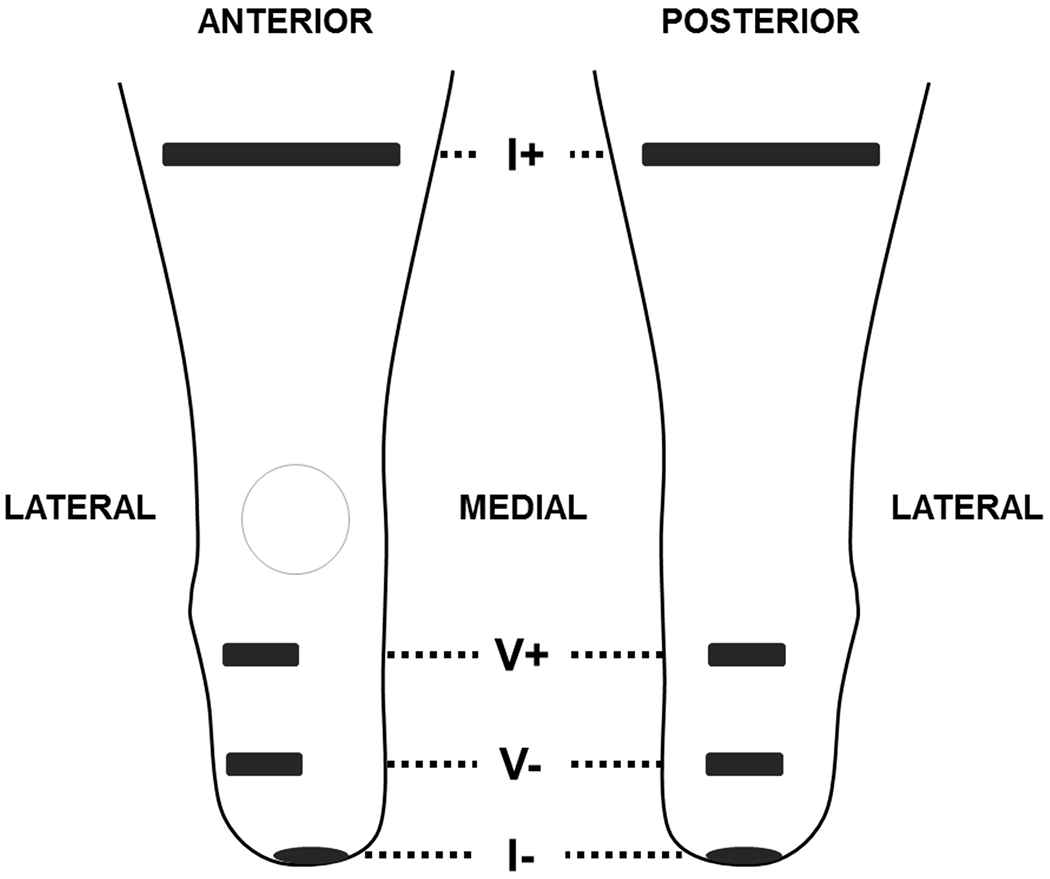
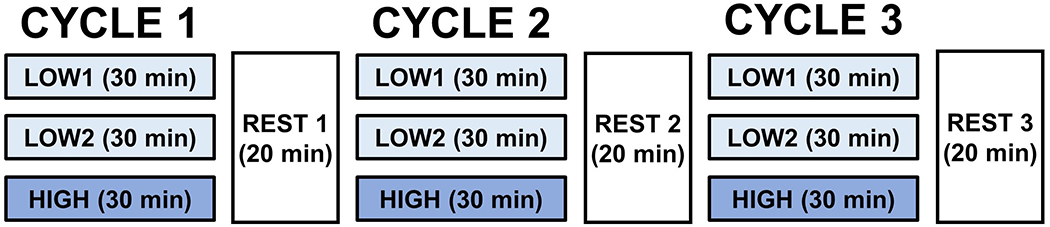
Transtibial electronic elevated vacuum users participated in two sessions. Elevated vacuum was used during the first session, and suction suspension in the second. Participants completed a 5.5-h protocol consisting of multiple intervals of activity. In-socket residual limb fluid volume was continuously measured using a custom portable bioimpedance analyzer.
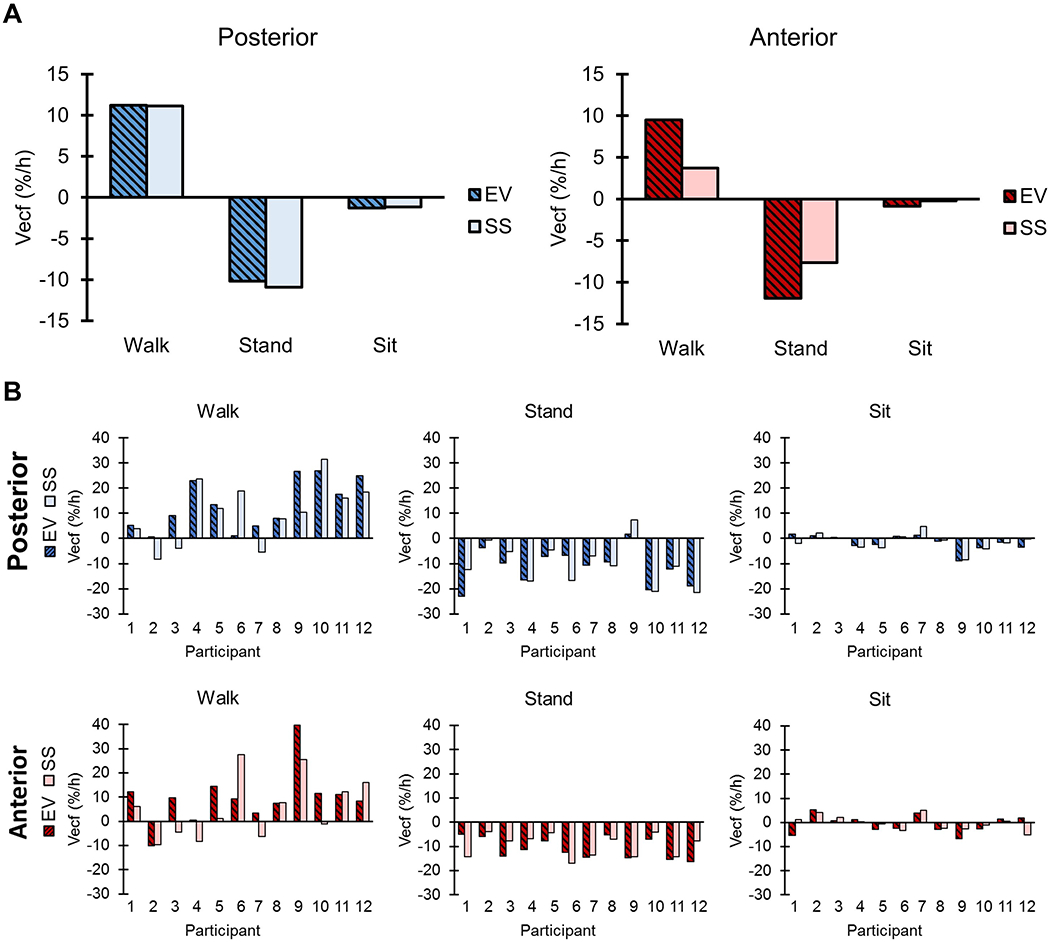
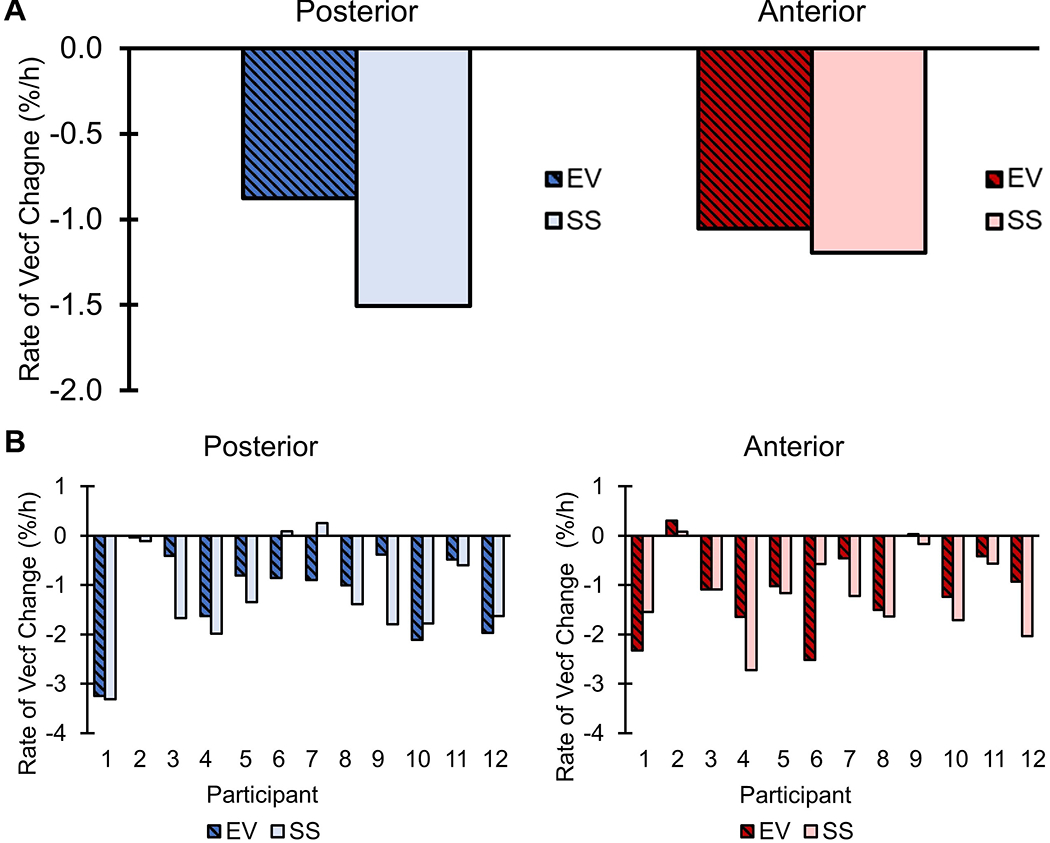
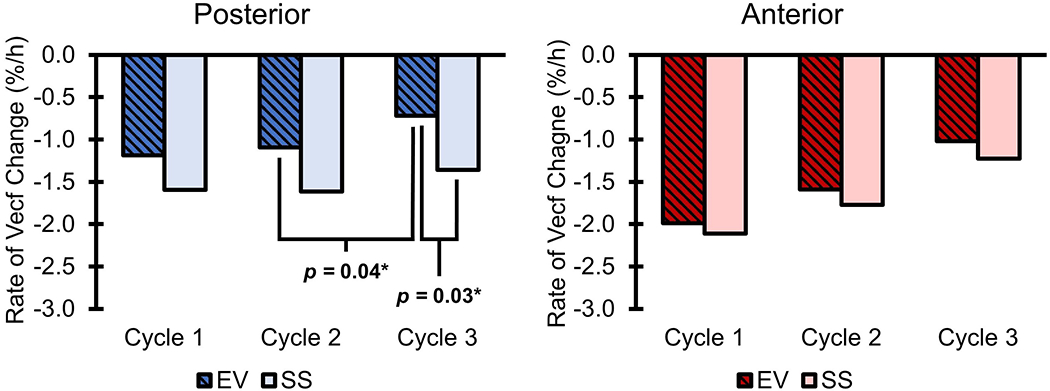
A total of 12 individuals participated. Overall rate of fluid volume change was not significantly different, though the rate of posterior fluid volume change during Cycle 3 was significantly lower with elevated vacuum. Although individual results varied, 11 participants experienced lower overall rates of fluid volume loss in at least one limb region using elevated vacuum.
Elevated vacuum may be more effective as a volume management strategy after accumulation of activity. Individual variation suggests the potential to optimize the limb fluid volume benefits of elevated vacuum by reducing socket vacuum pressure for some users.
A better understanding of how elevated vacuum (EV) affects residual limb fluid volume will allow prosthetists to make more informed clinical decisions regarding accommodation strategies designed to improve daily socket fit.
先前关于肢体在真空度升高时体积变化的研究结果不一致,且受限于体外体积测量以及简短的单一活动方案。
与在数小时活动期间采用套内测量方式的负压悬吊相比,评估真空度升高对控制肢体液体量的有效性。
采用标准化的实验室外活动方案的固定顺序交叉设计。
经胫电子真空度升高的使用者参与两个阶段。第一阶段使用真空度升高,第二阶段使用负压悬吊。参与者完成一个由多个活动时段组成的5.5小时方案。使用定制的便携式生物电阻抗分析仪连续测量套内残肢液体量。
共有12人参与。尽管第三周期期间后部液体量变化率在真空度升高时显著更低,但总体液体量变化率并无显著差异。虽然个体结果有所不同,但11名参与者在至少一个肢体区域使用真空度升高时总体液体量丢失率更低。
在活动累积后,真空度升高作为一种容量管理策略可能更有效。个体差异表明,对于一些使用者,通过降低接受腔真空压力,有可能优化真空度升高对肢体液体量的益处。
更好地理解真空度升高(EV)如何影响残肢液体量,将使假肢师在制定旨在改善日常接受腔适配的调节策略时能够做出更明智的临床决策。