Graduate School of Medical Science and Engineering, Korea Advanced Institute of Science and Technology (KAIST), Daejeon, Republic of Korea.
Dept of Emergency Medicine, Seoul National University Bundang Hospital (SNUBH), Seongnam-si, Republic of Korea.
Eur Respir J. 2019 Mar 28;53(3). doi: 10.1183/13993003.00786-2018. Print 2019 Mar.
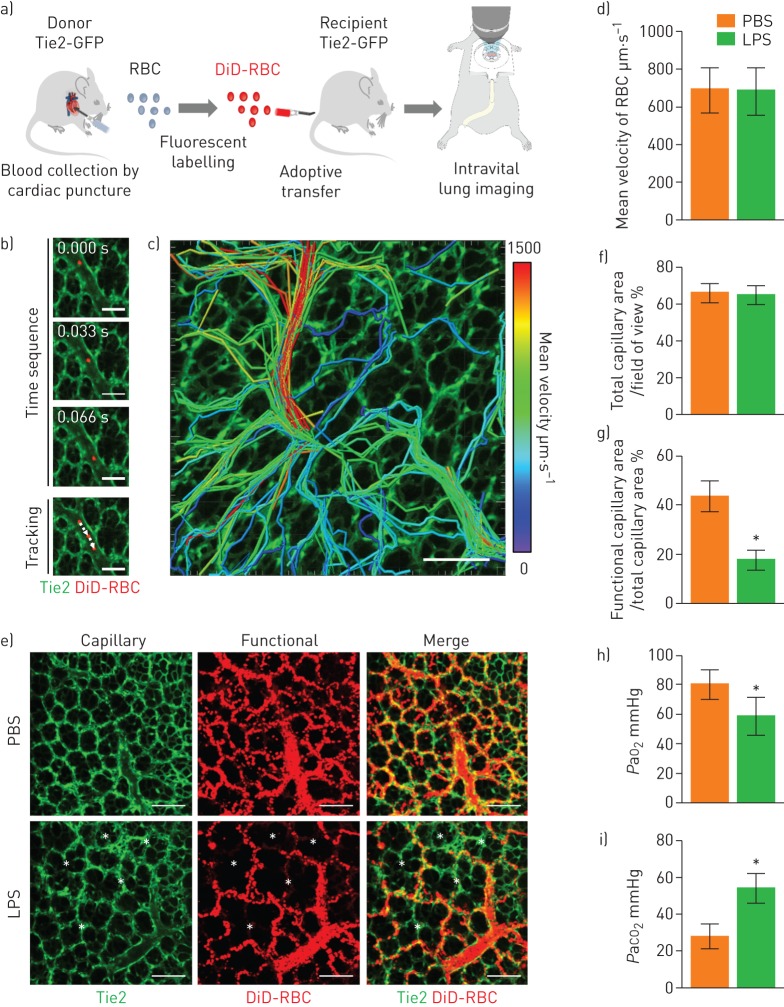
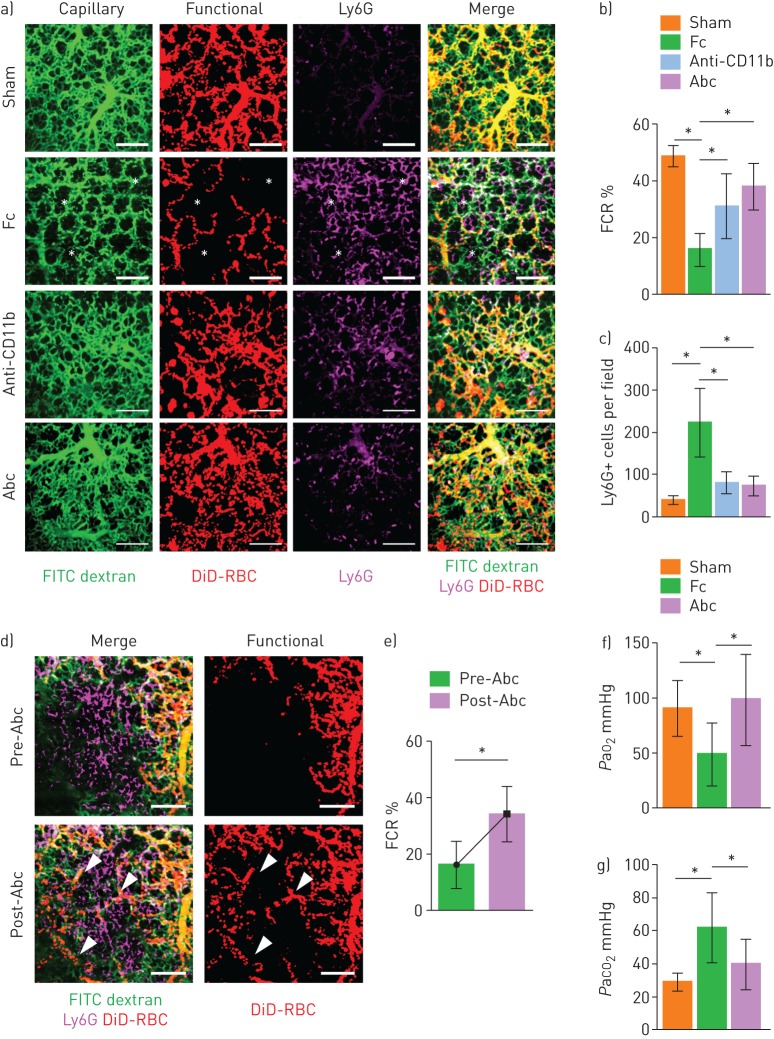
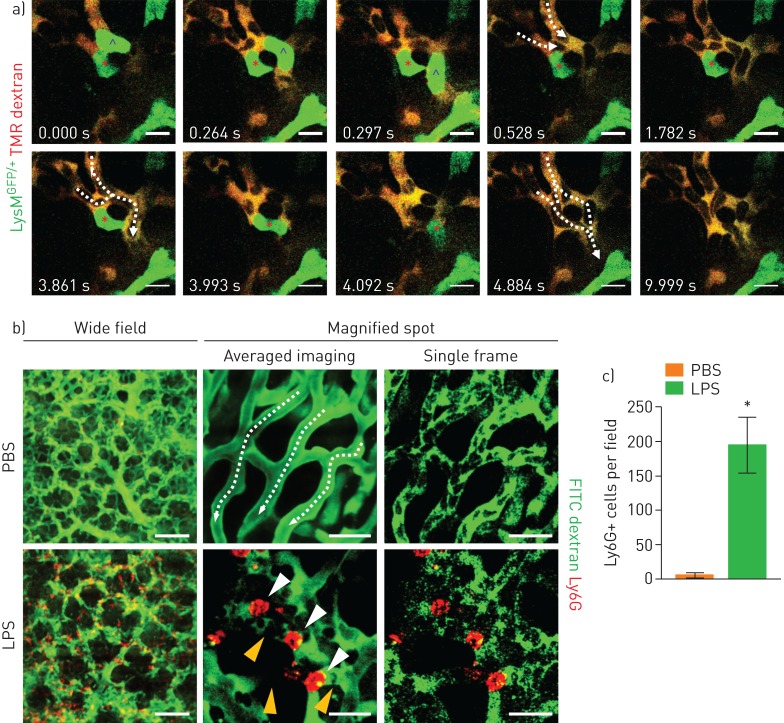
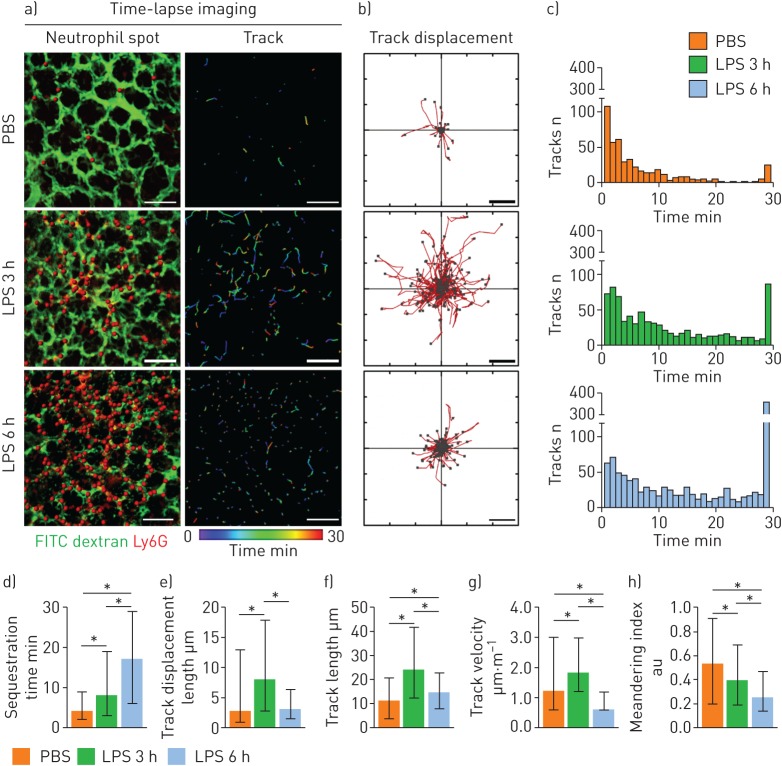
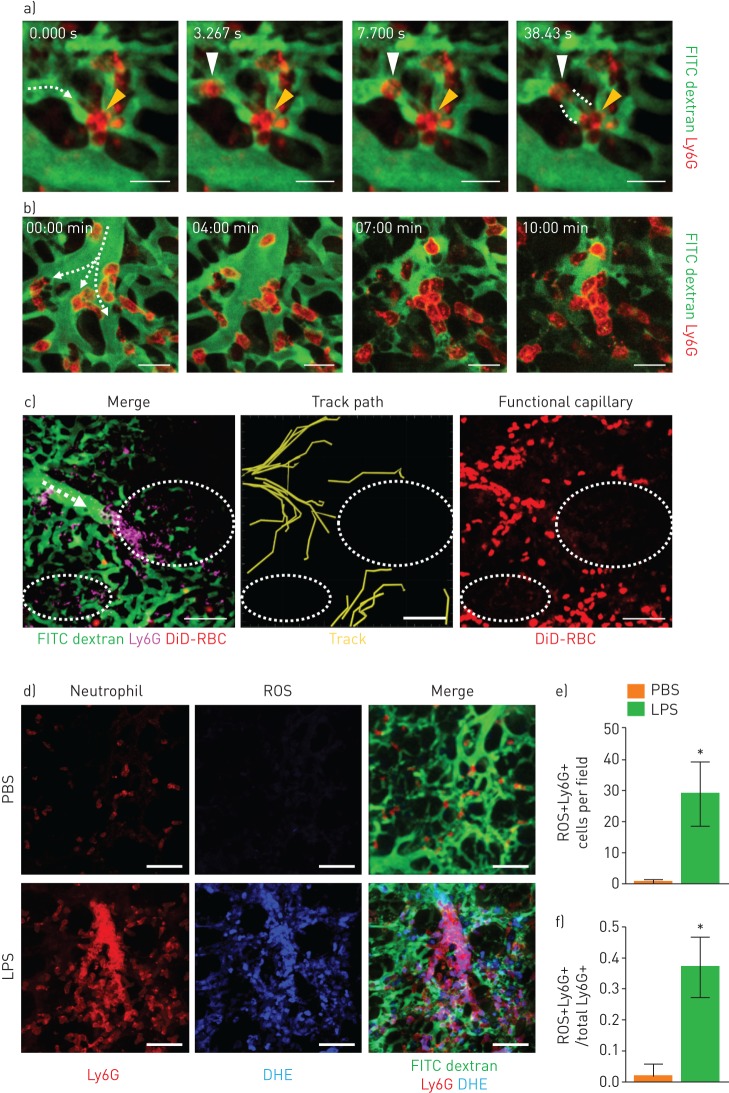
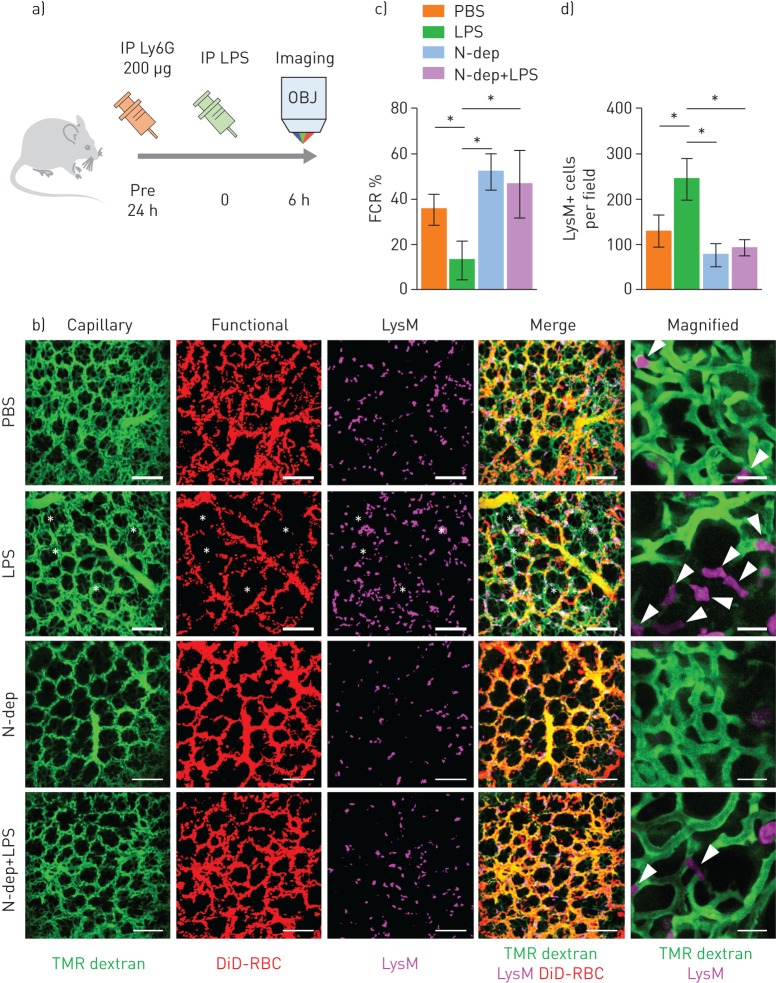
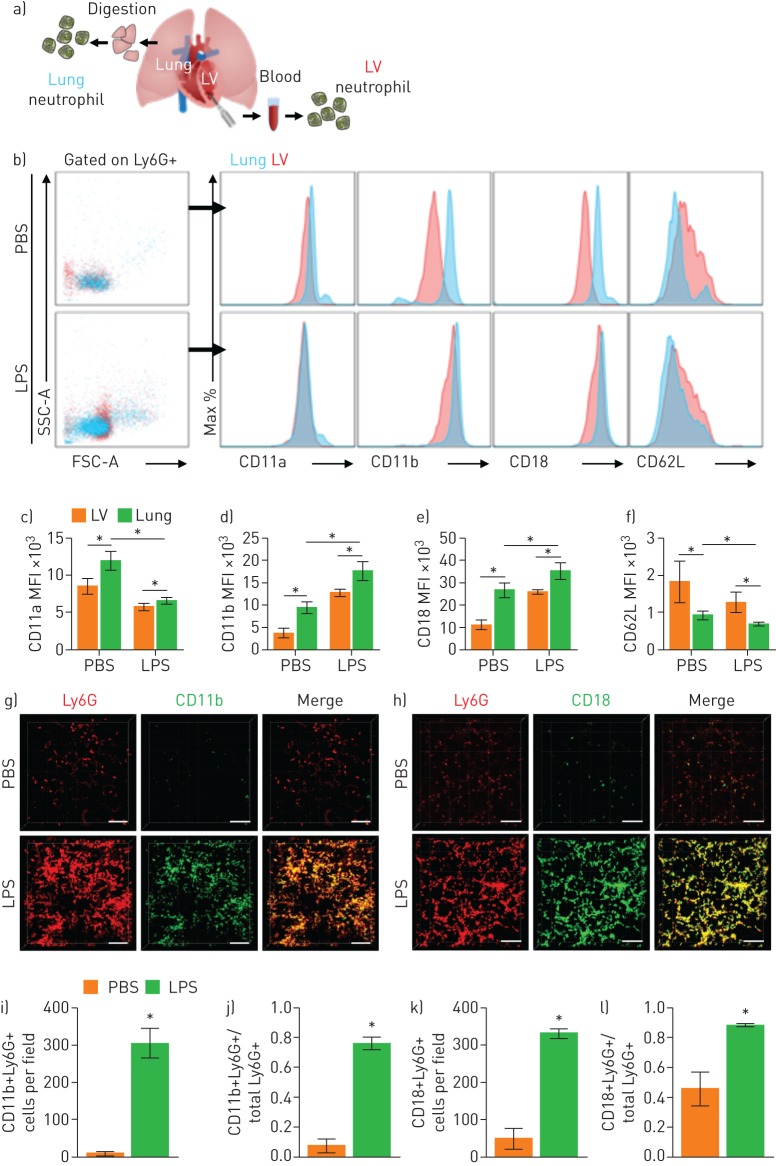
The lung is highly vulnerable during sepsis, yet its functional deterioration accompanied by disturbances in the pulmonary microcirculation is poorly understood. This study aimed to investigate how the pulmonary microcirculation is distorted in sepsis-induced acute lung injury (ALI) and reveal the underlying cellular pathophysiologic mechanism.Using a custom-made intravital lung microscopic imaging system in a murine model of sepsis-induced ALI, we achieved direct real-time visualisation of the pulmonary microcirculation and circulating cells We derived the functional capillary ratio (FCR) as a quantitative parameter for assessing the fraction of functional microvasculature in the pulmonary microcirculation and dead space.We identified that the FCR rapidly decreases in the early stage of sepsis-induced ALI. The intravital imaging revealed that this decrease resulted from the generation of dead space, which was induced by prolonged neutrophil entrapment within the capillaries. We further showed that the neutrophils had an extended sequestration time and an arrest-like dynamic behaviour, both of which triggered neutrophil aggregates inside the capillaries and arterioles. Finally, we found that Mac-1 (CD11b/CD18) was upregulated in the sequestered neutrophils and that a Mac-1 inhibitor restored the FCR and improved hypoxaemia.Using the intravital lung imaging system, we observed that Mac-1-upregulated neutrophil aggregates led to the generation of dead space in the pulmonary microcirculation that was recovered by a Mac-1 inhibitor in sepsis-induced ALI.
在脓毒症期间,肺部非常容易受到影响,但其功能恶化伴随着肺微循环的紊乱,目前对此了解甚少。本研究旨在探讨肺微循环在脓毒症诱导的急性肺损伤(ALI)中是如何发生扭曲的,并揭示潜在的细胞病理生理机制。
在脓毒症诱导的 ALI 小鼠模型中,我们使用定制的活体肺显微镜成像系统,实现了对肺微循环和循环细胞的直接实时可视化。我们得出功能毛细血管比(FCR)作为评估肺微循环中功能性微血管比例的定量参数,并发现 FCR 在脓毒症诱导的 ALI 的早期迅速下降。活体成像显示,这种下降是由于死腔的产生所致,而死腔是由中性粒细胞在毛细血管内的长期滞留引起的。我们进一步表明,中性粒细胞的隔离时间延长,并表现出类似阻滞的动态行为,这两者都导致中性粒细胞聚集在毛细血管和小动脉内。最后,我们发现,被隔离的中性粒细胞中 Mac-1(CD11b/CD18)上调,Mac-1 抑制剂恢复了 FCR 并改善了低氧血症。
使用活体肺成像系统,我们观察到 Mac-1 上调的中性粒细胞聚集导致肺微循环中出现死腔,而 Mac-1 抑制剂可恢复脓毒症诱导的 ALI 中的 FCR。