Hwang Dong Hoon, Park Hee Hwan, Shin Hae Young, Cui Yuexian, Kim Byung Gon
Department of Brain Science, Ajou University School of Medicine, Suwon 16499, Korea.
Neuroscience Graduate Program, Department of Biomedical Sciences, Ajou University School of Medicine, Suwon 16499, Korea.
Exp Neurobiol. 2018 Dec;27(6):489-507. doi: 10.5607/en.2018.27.6.489. Epub 2018 Dec 28.
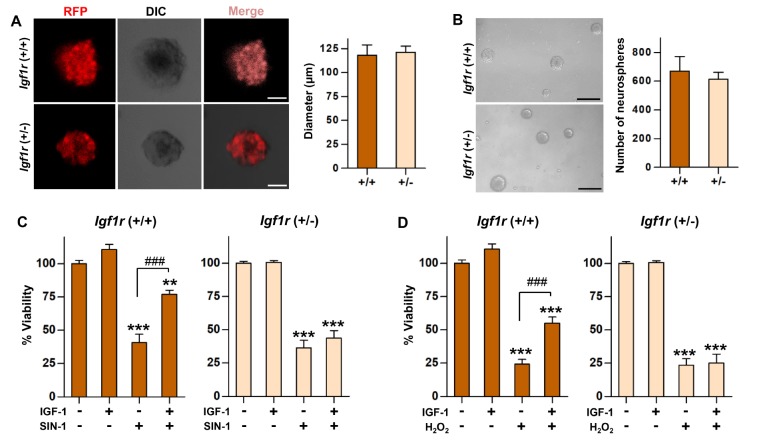
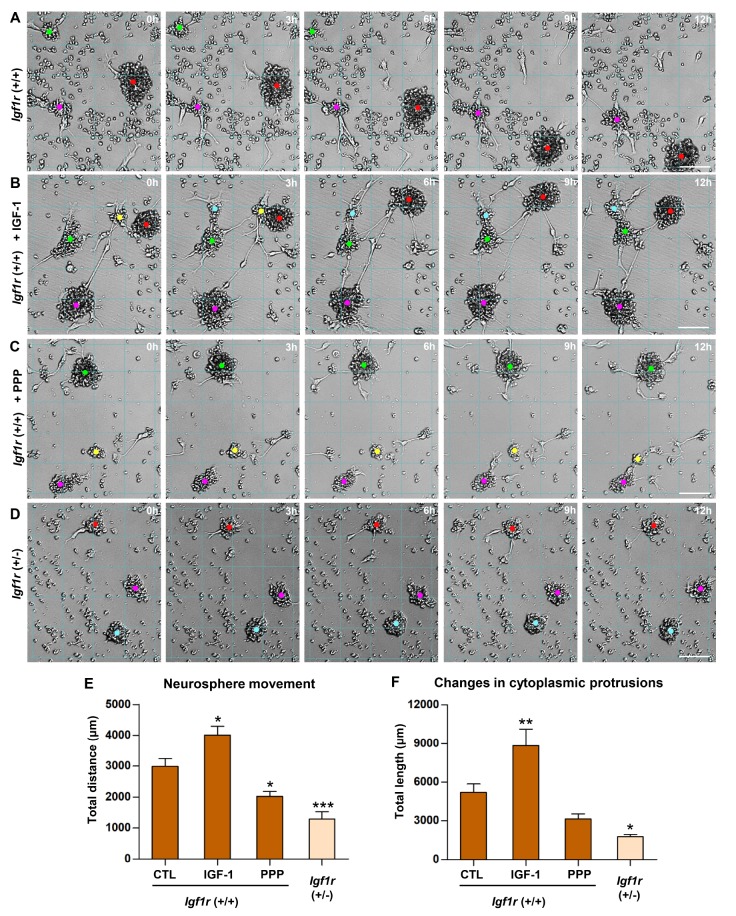
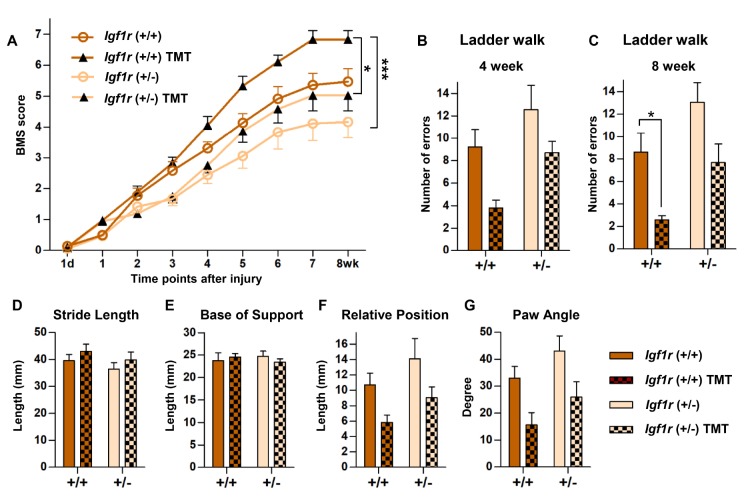
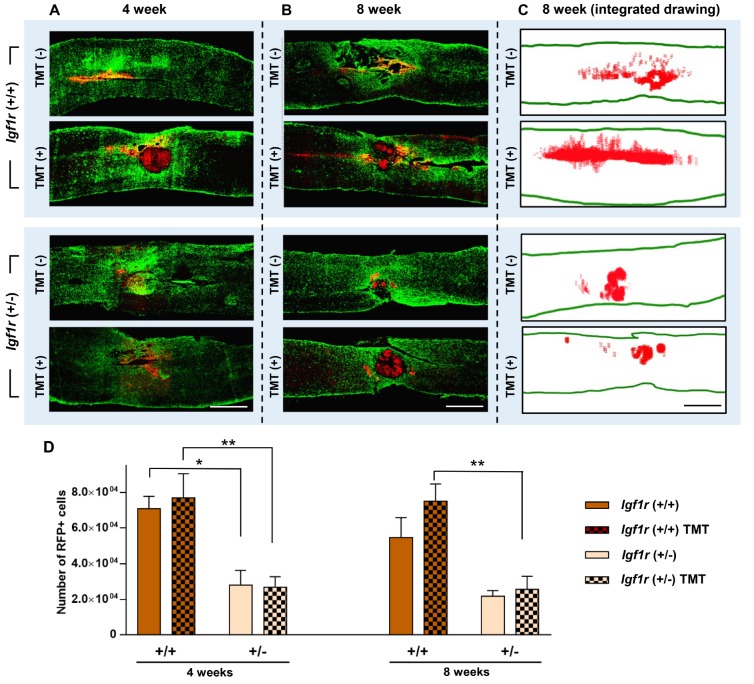
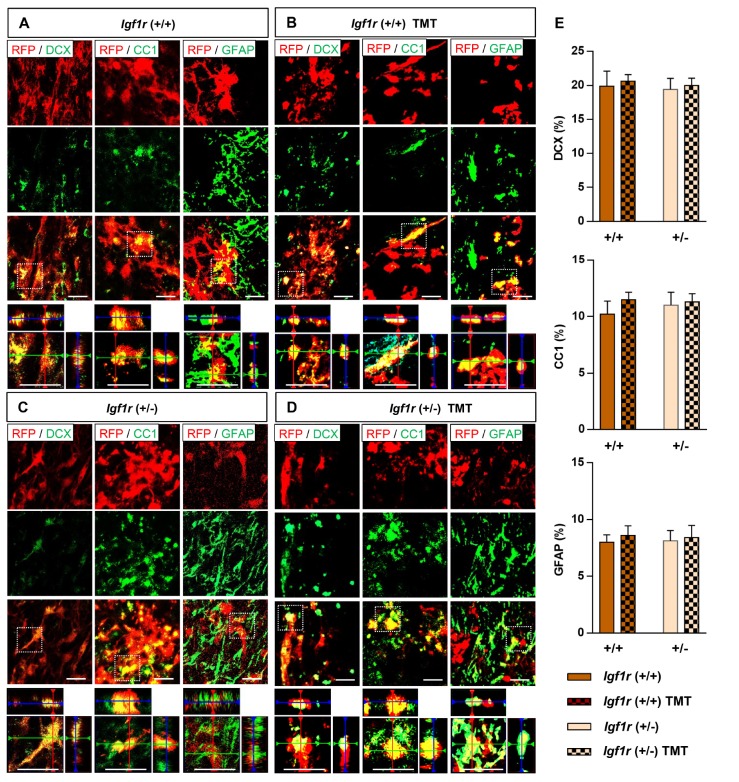
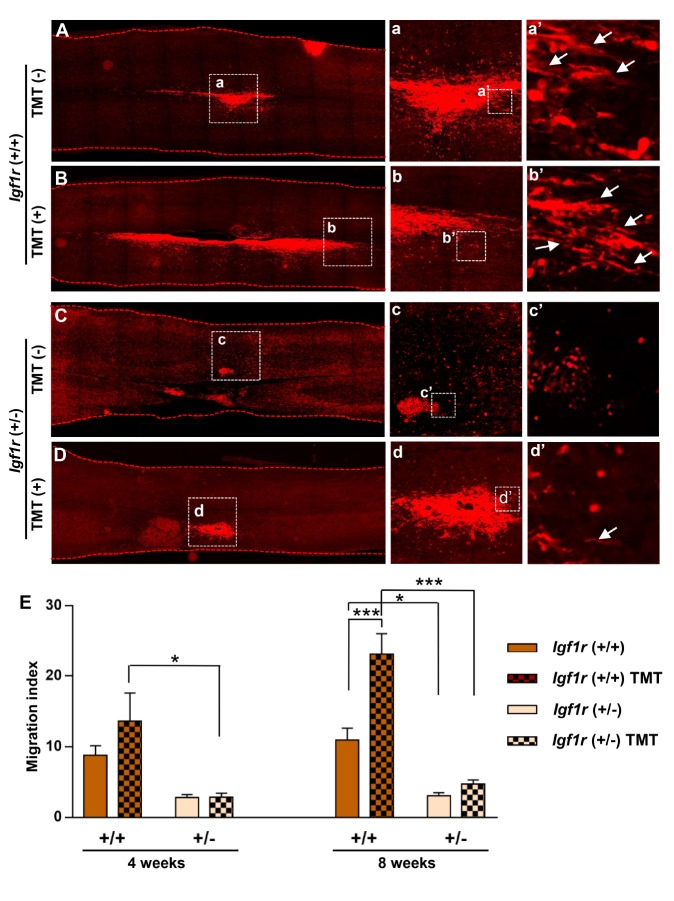
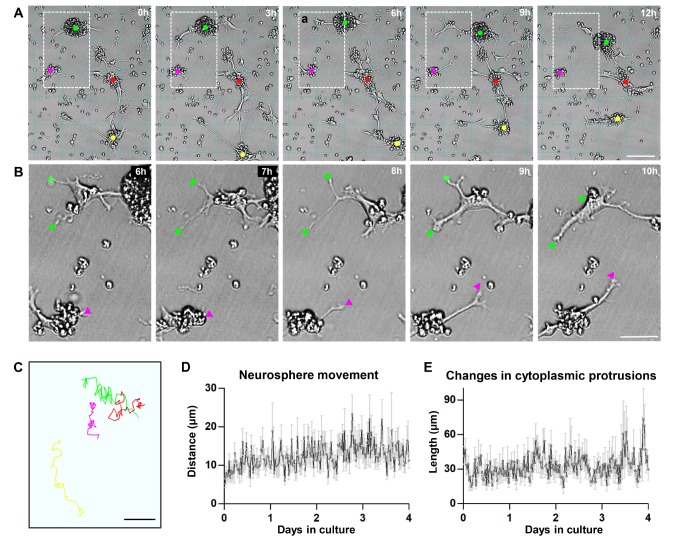
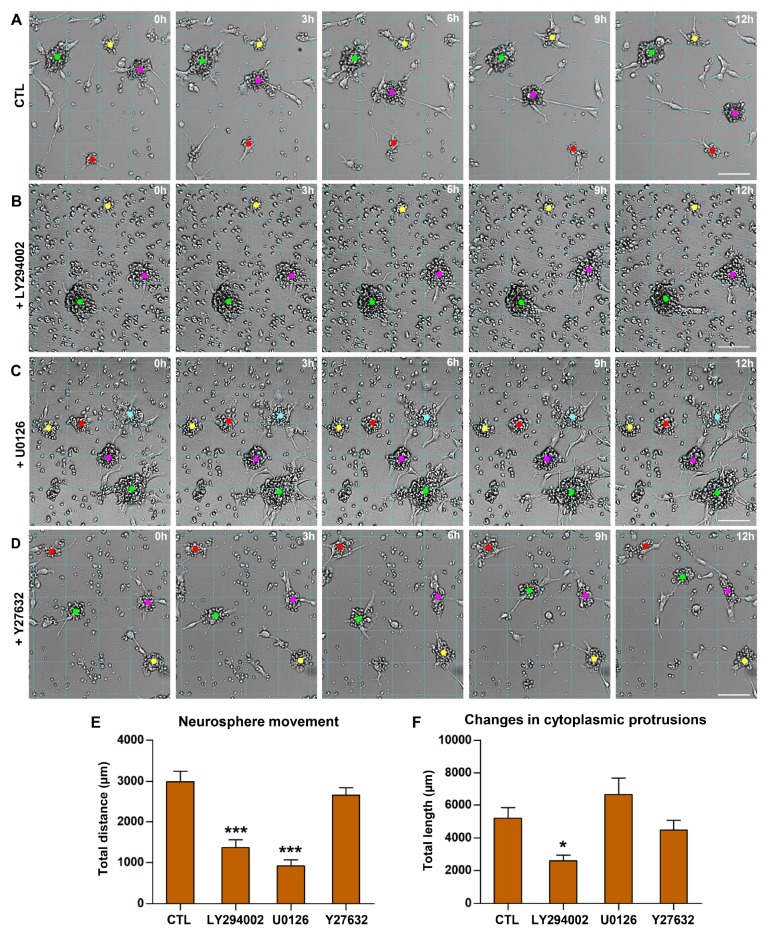
Survival and migration of transplanted neural stem cells (NSCs) are prerequisites for therapeutic benefits in spinal cord injury. We have shown that survival of NSC grafts declines after transplantation into the injured spinal cord, and that combining treadmill training (TMT) enhances NSC survival via insulin-like growth factor-1 (IGF-1). Here, we aimed to obtain genetic evidence that IGF-1 signaling in the transplanted NSCs determines the beneficial effects of TMT. We transplanted NSCs heterozygous (+/-) for , the gene encoding IGF-1 receptor, into the mouse spinal cord after injury, with or without combining TMT. We analyzed the influence of genotype and TMT on locomotor recovery and survival and migration of NSC grafts. In vitro experiments were performed to examine the potential roles of IGF-1 signaling in the migratory ability of NSCs. Mice receiving +/- NSC grafts showed impaired locomotor recovery compared with those receiving wild-type (+/+) NSCs. Locomotor improvement by TMT was more pronounced with +/+ grafts. Deficiency of one allele of significantly reduced survival and migration of the transplanted NSCs. Although TMT did not significantly influence NSC survival, it substantially enhanced the extent of migration for only +/+ NSCs. Cultured neurospheres exhibited dynamic motility with cytoplasmic protrusions, which was regulated by IGF-1 signaling. IGF-1 signaling in transplanted NSCs may be essential in regulating their survival and migration. Furthermore, TMT may promote NSC graft-mediated locomotor recovery via activation of IGF-1 signaling in transplanted NSCs. Dynamic NSC motility via IGF-1 signaling may be the cellular basis for the TMT-induced enhancement of migration.
移植神经干细胞(NSCs)的存活和迁移是脊髓损伤治疗取得疗效的前提条件。我们已经表明,将NSC移植到损伤的脊髓后,NSC移植物的存活率会下降,并且联合跑步机训练(TMT)可通过胰岛素样生长因子-1(IGF-1)提高NSC的存活率。在此,我们旨在获得遗传学证据,证明移植的NSCs中的IGF-1信号决定了TMT的有益效果。我们将编码IGF-1受体的基因杂合(+/-)的NSCs移植到受伤后的小鼠脊髓中,同时进行或不进行TMT联合治疗。我们分析了基因型和TMT对运动功能恢复以及NSC移植物存活和迁移的影响。进行体外实验以研究IGF-1信号在NSCs迁移能力中的潜在作用。与接受野生型(+/+)NSCs移植的小鼠相比,接受+/- NSC移植的小鼠运动功能恢复受损。TMT对+/+移植物的运动功能改善更为明显。一个等位基因的缺失显著降低了移植NSCs的存活和迁移。尽管TMT对NSC存活没有显著影响,但它仅对+/+ NSCs的迁移范围有显著增强作用。培养的神经球表现出带有细胞质突起的动态运动性,这受IGF-1信号调节。移植的NSCs中的IGF-1信号可能在调节其存活和迁移中至关重要。此外,TMT可能通过激活移植的NSCs中的IGF-1信号来促进NSC移植物介导的运动功能恢复。通过IGF-1信号实现的NSC动态运动性可能是TMT诱导迁移增强的细胞基础。