University of Chinese Academy of Sciences, Beijing 100049, China; State Key Laboratory of Genetic Resources and Evolution, Kunming Institute of Zoology, Chinese Academy of Sciences, Kunming 650223, China; China National GeneBank, BGI-Shenzhen, Shenzhen 518083, China.
China National GeneBank, BGI-Shenzhen, Shenzhen 518083, China; Section for Ecology and Evolution, Department of Biology, University of Copenhagen, DK-2100 Copenhagen, Denmark.
Curr Biol. 2019 Jan 21;29(2):340-349.e7. doi: 10.1016/j.cub.2018.12.008. Epub 2019 Jan 10.
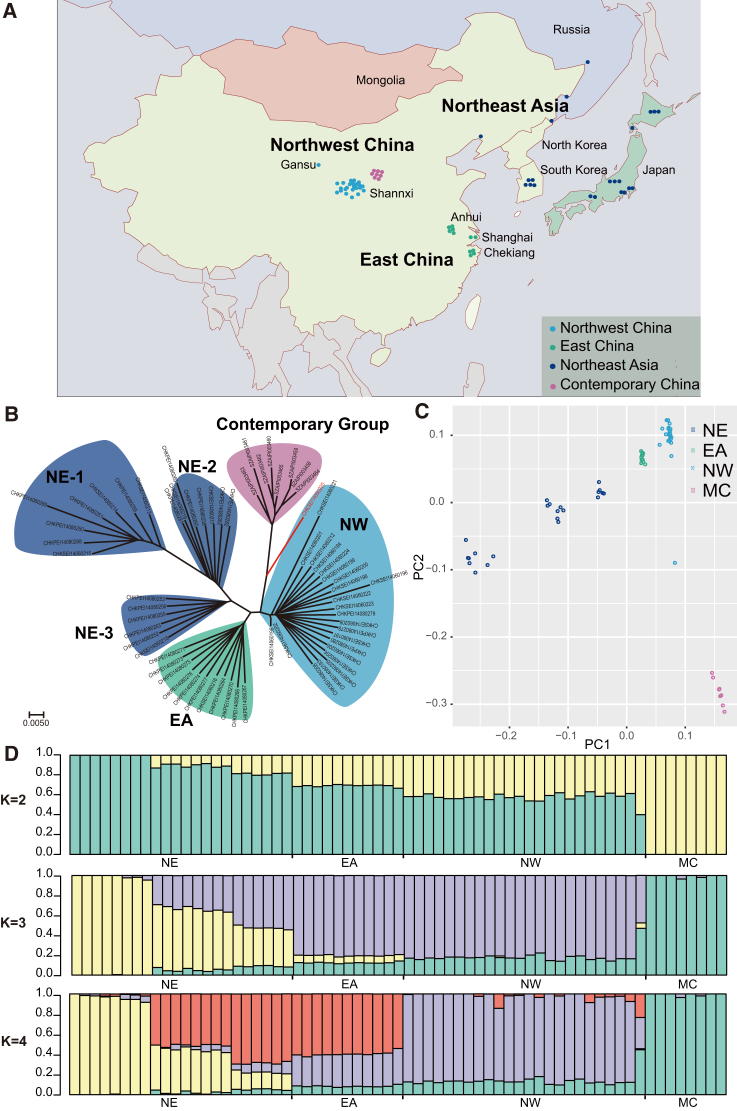
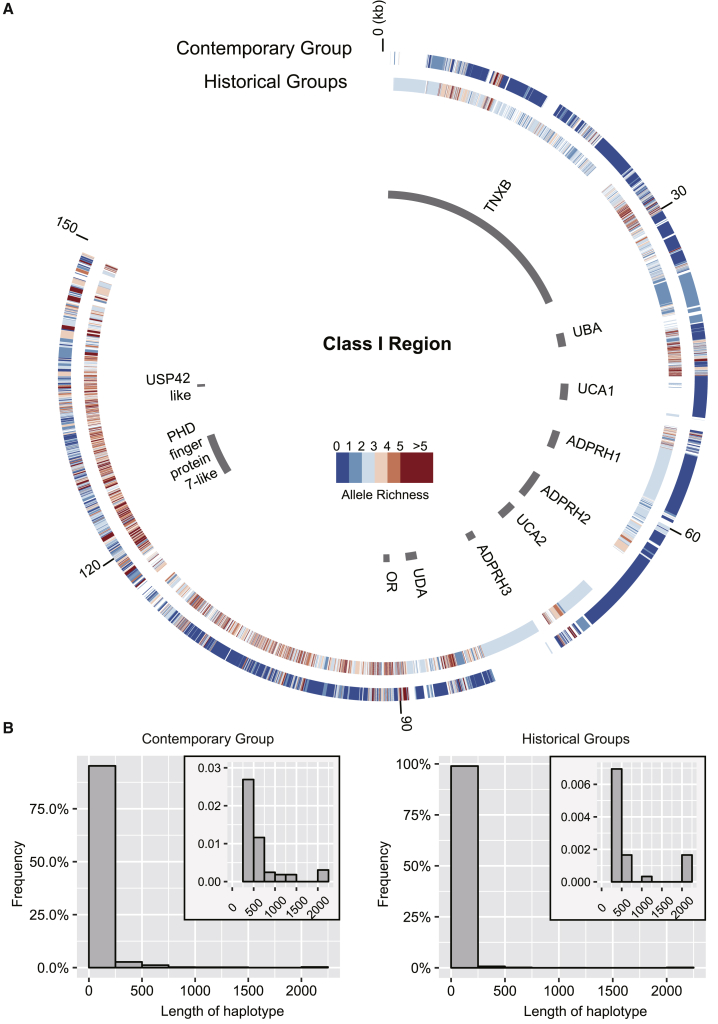
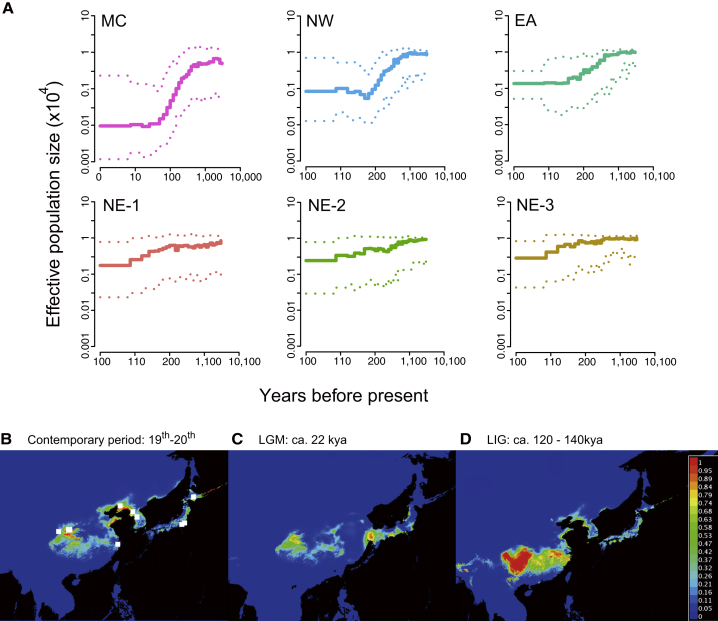
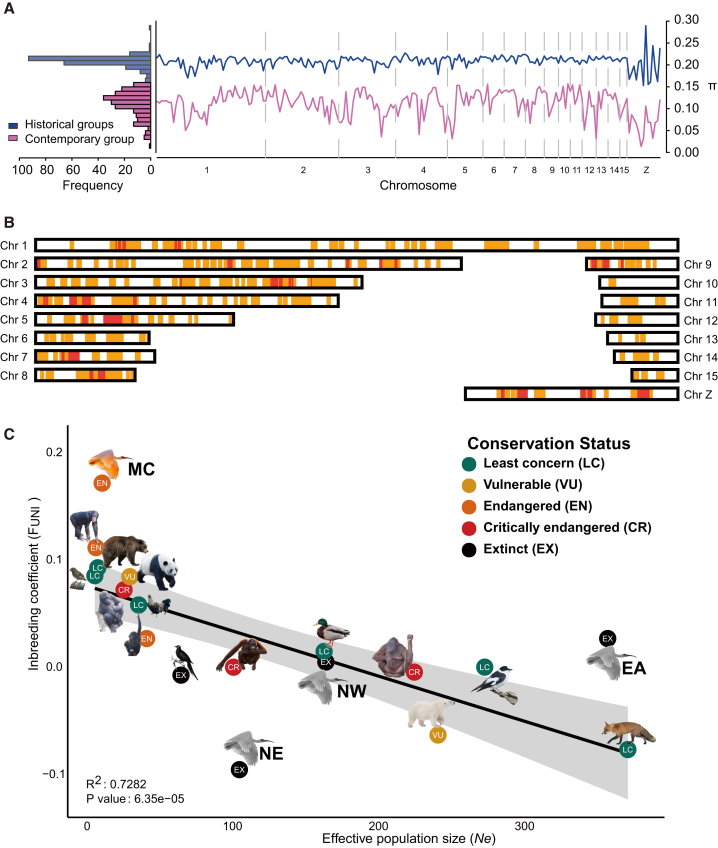
Human-induced environmental change and habitat fragmentation pose major threats to biodiversity and require active conservation efforts to mitigate their consequences. Genetic rescue through translocation and the introduction of variation into imperiled populations has been argued as a powerful means to preserve, or even increase, the genetic diversity and evolutionary potential of endangered species [1-4]. However, factors such as outbreeding depression [5, 6] and a reduction in available genetic diversity render the success of such approaches uncertain. An improved evaluation of the consequence of genetic restoration requires knowledge of temporal changes to genetic diversity before and after the advent of management programs. To provide such information, a growing number of studies have included small numbers of genomic loci extracted from historic and even ancient specimens [7, 8]. We extend this approach to its natural conclusion, by characterizing the complete genomic sequences of modern and historic population samples of the crested ibis (Nipponia nippon), an endangered bird that is perhaps the most successful example of how conservation effort has brought a species back from the brink of extinction. Though its once tiny population has today recovered to >2,000 individuals [9], this process was accompanied by almost half of ancestral loss of genetic variation and high deleterious mutation load. We furthermore show how genetic drift coupled to inbreeding following the population bottleneck has largely purged the ancient polymorphisms from the current population. In conclusion, we demonstrate the unique promise of exploiting genomic information held within museum samples for conservation and ecological research.
人为引起的环境变化和生境破碎化对生物多样性构成了重大威胁,需要积极采取保护措施来减轻其后果。通过迁移和将变异引入濒危种群来进行遗传拯救,被认为是保护甚至增加濒危物种遗传多样性和进化潜力的有力手段[1-4]。然而,诸如远缘杂交衰退[5,6]和可用遗传多样性减少等因素使得这些方法的成功与否存在不确定性。要更好地评估遗传恢复的后果,需要了解管理计划实施前后遗传多样性的时间变化。为了提供这些信息,越来越多的研究包括从小数量的从历史甚至古代标本中提取的基因组基因座[7,8]。我们通过对朱鹮(Nipponia nippon)现代和历史种群样本的完整基因组序列进行特征描述,将这种方法扩展到自然结论,朱鹮是一种濒危鸟类,它可能是保护工作如何使一个物种从灭绝边缘恢复的最成功的例子。尽管它曾经的微小种群已经恢复到超过 2000 只[9],但这一过程伴随着近一半的遗传变异丧失和高有害突变负荷。我们还展示了种群瓶颈后遗传漂变和近亲繁殖是如何从当前种群中清除了大量的古老多态性。总之,我们证明了利用博物馆样本中包含的基因组信息进行保护和生态研究的独特前景。