Kiyani Mubin Mustafa, Sohail Muhammad Farhan, Shahnaz Gul, Rehman Hamza, Akhtar Muhammad Furqan, Nawaz Irum, Mahmood Tariq, Manzoor Mobina, Bokhari Syed Ali Imran
Department of Bioinformatics and Biotechnology, Faculty of Basic and Applied sciences, International Islamic University Islamabad, Islamabad, 44000, Pakistan.
Riphah Institute of Pharmaceutical Sciences, Riphah International University, Lahore, 54000, Pakistan.
Medicina (Kaunas). 2019 Jan 11;55(1):10. doi: 10.3390/medicina55010010.
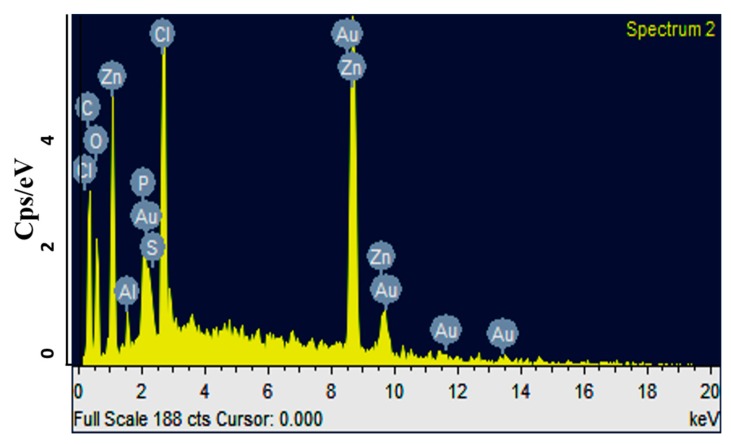
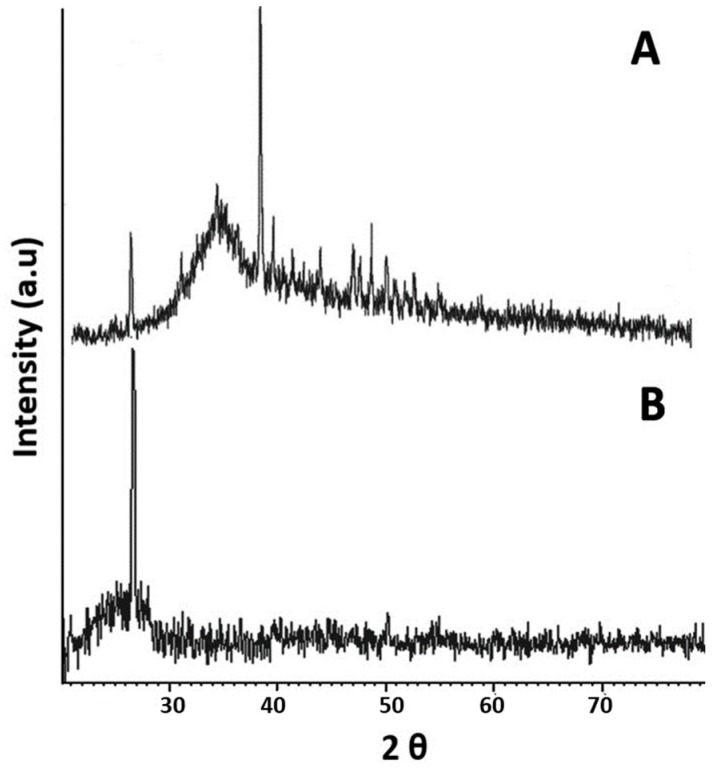
Turmeric has assisted in the control of inflammation and pain for decades and has been used in combination with other nutraceuticals to treat acute and chronic osteoarthritis pain. Recently, the effect of turmeric, turmeric extract, or curcuminoids on musculoskeletal pain, either by themselves or in conjunction with other substances, has been reported. The aim of this study was to develop and characterize turmeric nanoparticles (T-NPs) for various parameters, both in vitro and in vivo. The T-NPs were successfully synthesized and characterized using particle size analysis, solubility improvement, SEM, EDX, X-ray diffraction, and in vivo antigout activity in mice model. : The T-NPs were of about 46 nm in size with a positive zeta potential +29.55 ± 3.44 and low polydispersity index (PDI) (0.264). Furthermore, the diseased mice, with induced gout via monosodium urate crystals, were treated with 5, 10, and 20 ppm T-NPs, administered orally, and the anti-gout potential was observed through measurement of joint diameter and changes in biochemical parameters, including lipid profile, renal function test, and liver function tests which significantly reduced the levels of these biochemical parameters. Uric acid levels were significantly reduced after the treatment with T-NPs. indicating that T-NPs show superior potential against gout management. Thus, T-NPs can be developed as an efficient antigout agent with minimum toxicities.
几十年来,姜黄一直有助于控制炎症和疼痛,并已与其他营养保健品联合用于治疗急慢性骨关节炎疼痛。最近,有报道称姜黄、姜黄提取物或姜黄素单独或与其他物质联合对肌肉骨骼疼痛的影响。本研究的目的是在体外和体内对姜黄纳米颗粒(T-NPs)的各种参数进行开发和表征。通过粒度分析、溶解度提高、扫描电子显微镜(SEM)、能量散射X射线谱(EDX)、X射线衍射以及在小鼠模型中的体内抗痛风活性,成功合成并表征了T-NPs。T-NPs的尺寸约为46nm,具有正的ζ电位+29.55±3.44,多分散指数(PDI)较低(0.264)。此外,通过口服5、10和20ppm的T-NPs对经尿酸钠晶体诱导痛风的患病小鼠进行治疗,并通过测量关节直径以及包括血脂、肾功能测试和肝功能测试在内的生化参数变化来观察抗痛风潜力,这些参数显著降低。用T-NPs治疗后尿酸水平显著降低,表明T-NPs在痛风管理方面具有卓越潜力。因此,T-NPs可以开发成为一种毒性最小的高效抗痛风药物。