Adult Stem Cell Laboratory, The Francis Crick Institute, London, UK.
Instituto Maimónides de Investigación Biomédica de Córdoba, Córdoba, Spain.
J Exp Med. 2019 Feb 4;216(2):450-465. doi: 10.1084/jem.20180742. Epub 2019 Jan 14.
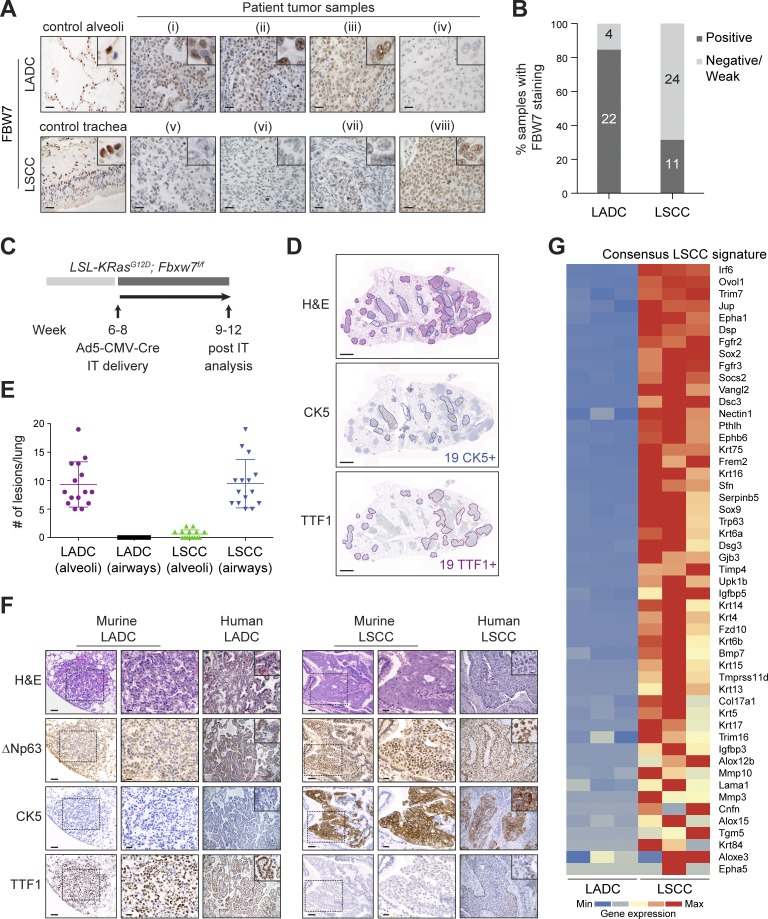
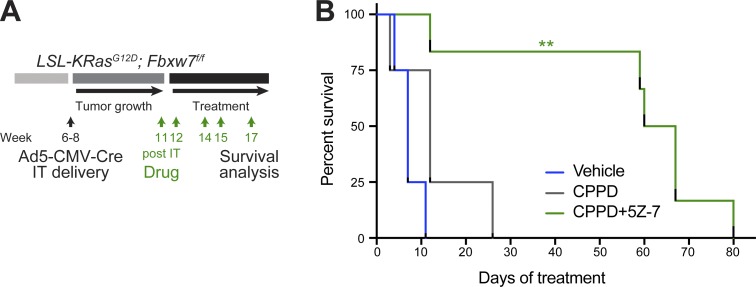
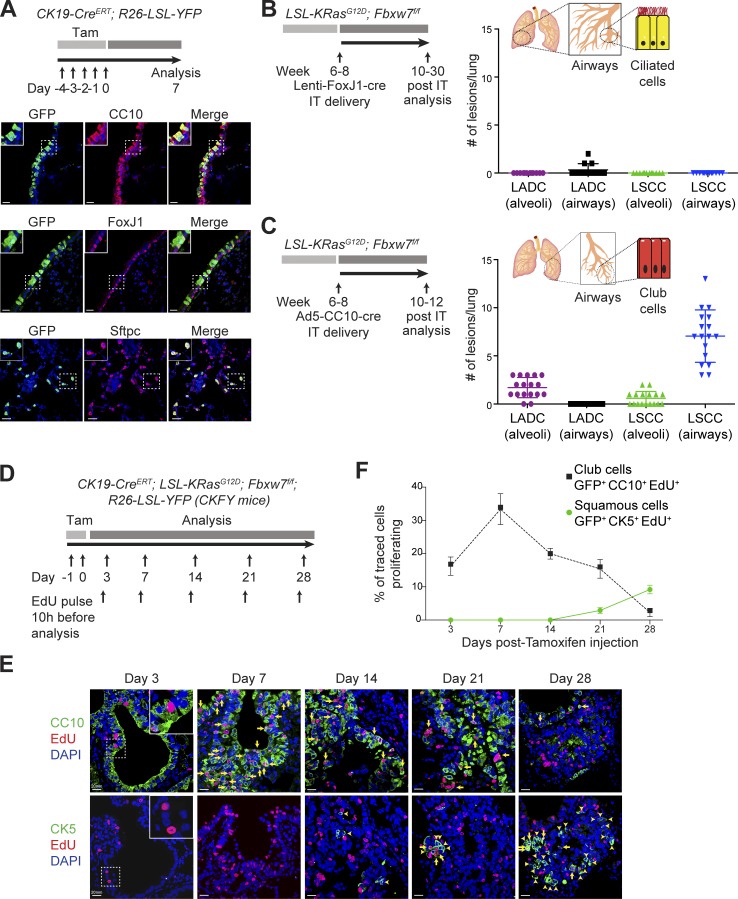
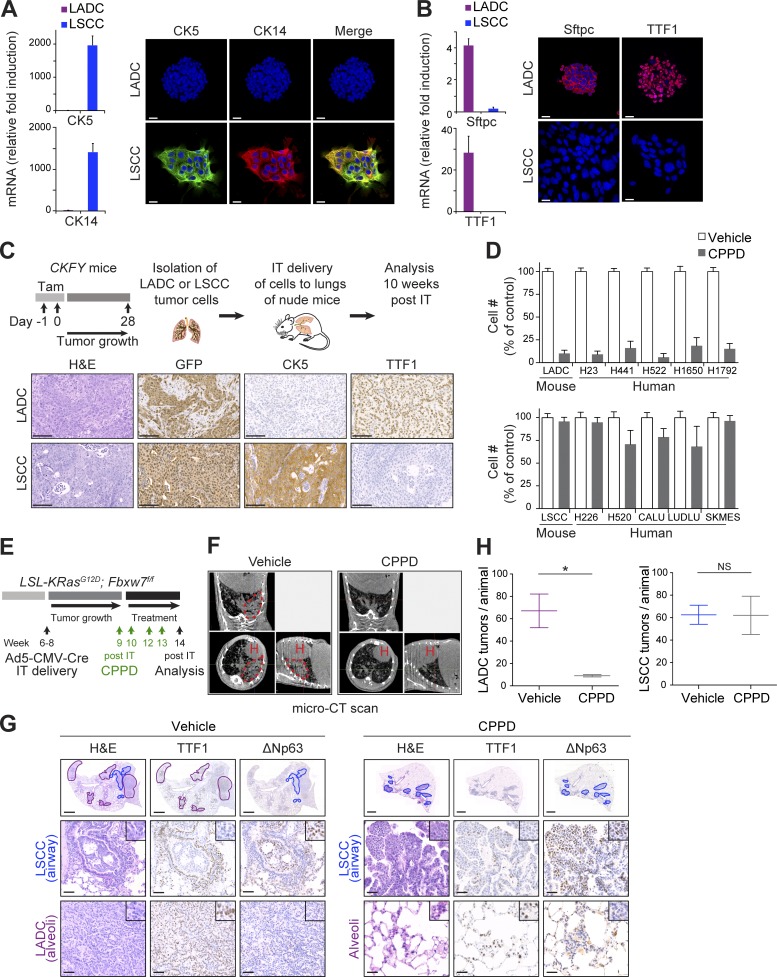
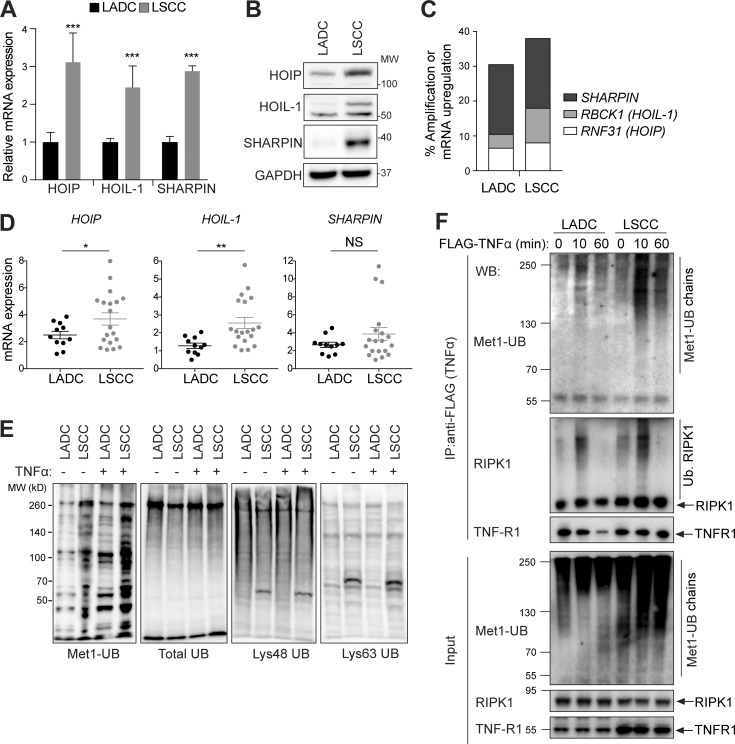
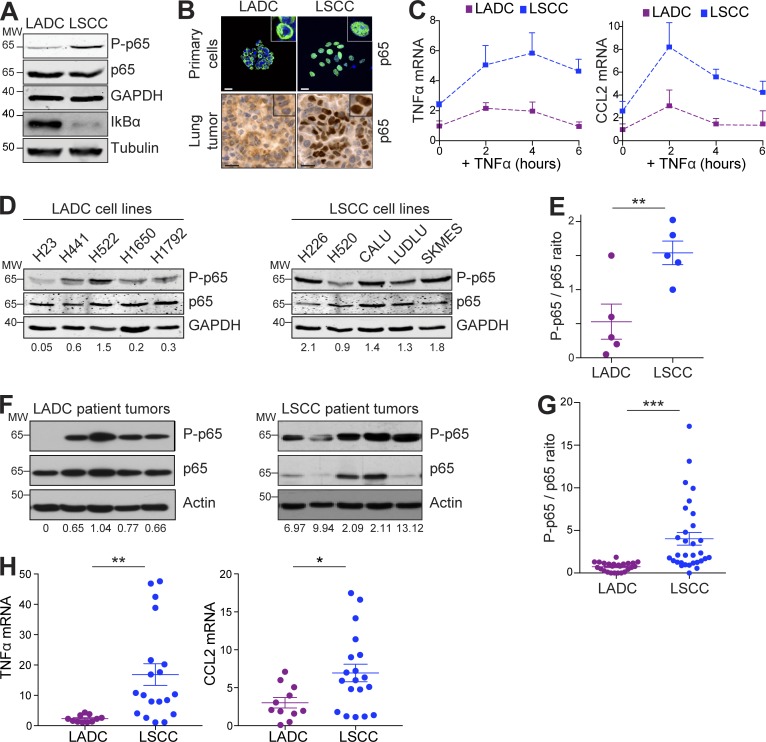
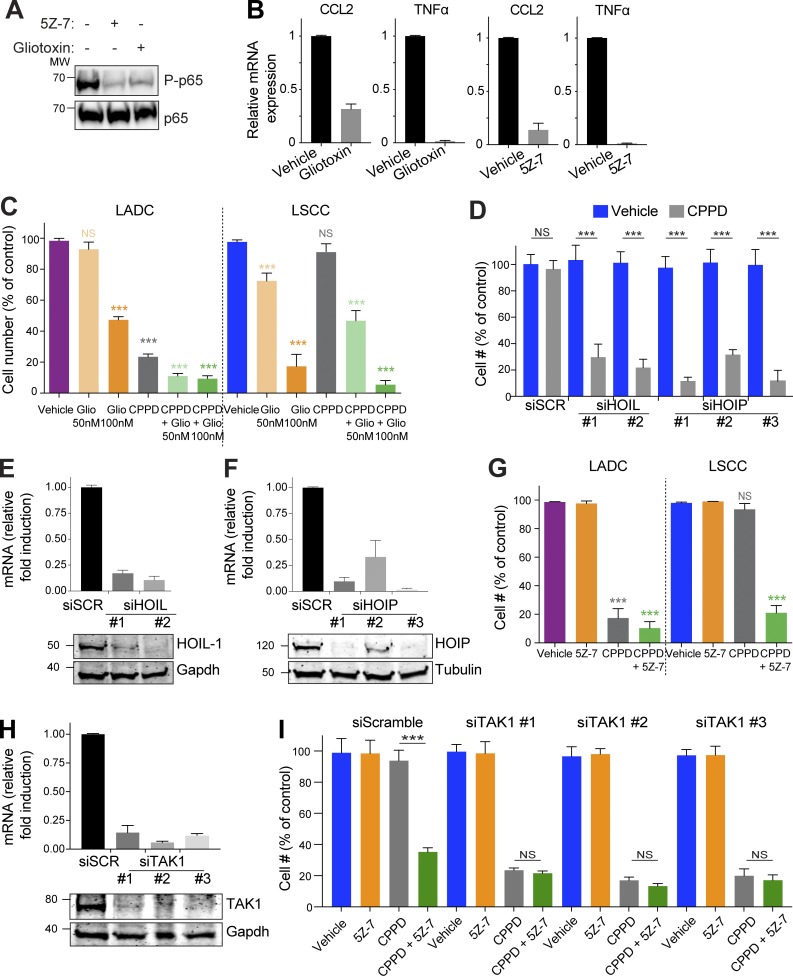
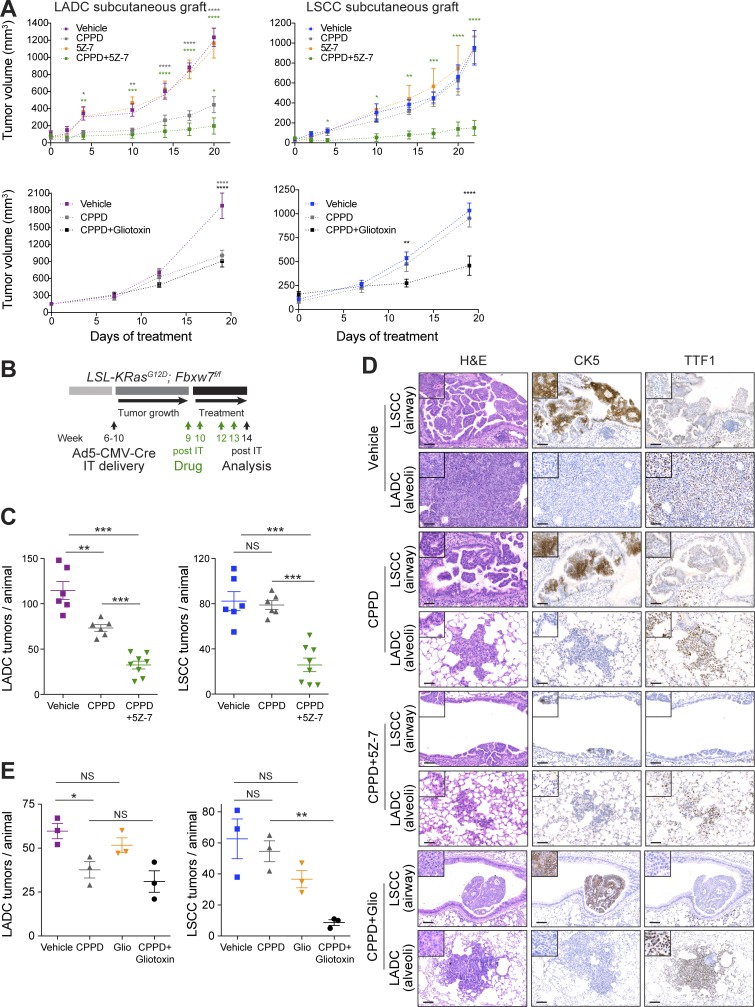
Lung squamous cell carcinoma (LSCC) and adenocarcinoma (LADC) are the most common lung cancer subtypes. Molecular targeted treatments have improved LADC patient survival but are largely ineffective in LSCC. The tumor suppressor FBW7 is commonly mutated or down-regulated in human LSCC, and oncogenic activation combined with inactivation in mice (KF model) caused both LSCC and LADC. Lineage-tracing experiments showed that CC10, but not basal, cells are the cells of origin of LSCC in KF mice. KF LSCC tumors recapitulated human LSCC resistance to cisplatin-based chemotherapy, and we identified LUBAC-mediated NF-κB signaling as a determinant of chemotherapy resistance in human and mouse. Inhibition of NF-κB activation using TAK1 or LUBAC inhibitors resensitized LSCC tumors to cisplatin, suggesting a future avenue for LSCC patient treatment.
肺鳞状细胞癌(LSCC)和腺癌(LADC)是最常见的肺癌亚型。分子靶向治疗改善了 LADC 患者的生存率,但在 LSCC 中基本无效。肿瘤抑制因子 FBW7 在人类 LSCC 中常见突变或下调,致癌激活与小鼠中的失活相结合(KF 模型)导致 LSCC 和 LADC。谱系追踪实验表明,CC10 细胞而不是基底细胞是 KF 小鼠 LSCC 的起源细胞。KF LSCC 肿瘤再现了人类 LSCC 对基于顺铂的化疗的耐药性,我们确定 LUBAC 介导的 NF-κB 信号作为人类和小鼠化疗耐药性的决定因素。使用 TAK1 或 LUBAC 抑制剂抑制 NF-κB 激活使 LSCC 肿瘤对顺铂重新敏感,这为 LSCC 患者的治疗提供了一种新的途径。