Jones Andrea S K, Shikanov Ariella
Department of Biomedical Engineering, University of Michigan, 2126 Lurie Biomedical Engineering, 1101 Beal Avenue, Ann Arbor, MI 48109 USA.
J Biol Eng. 2019 Jan 9;13:2. doi: 10.1186/s13036-018-0134-3. eCollection 2019.
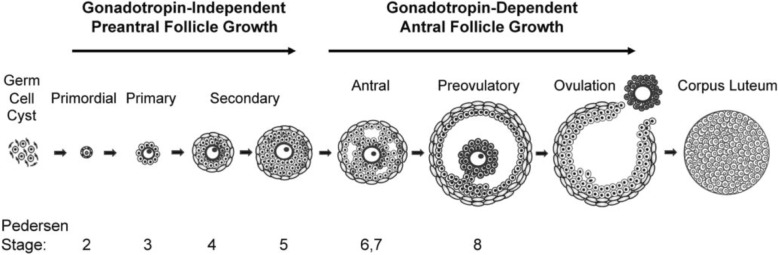
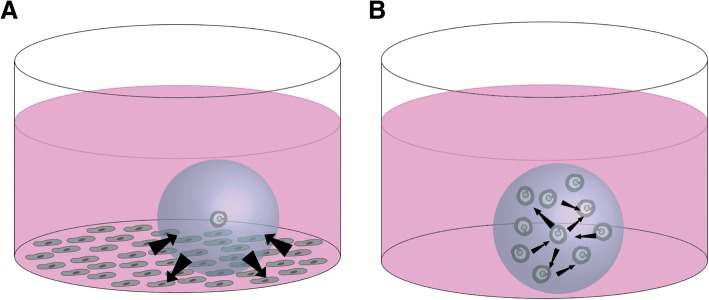
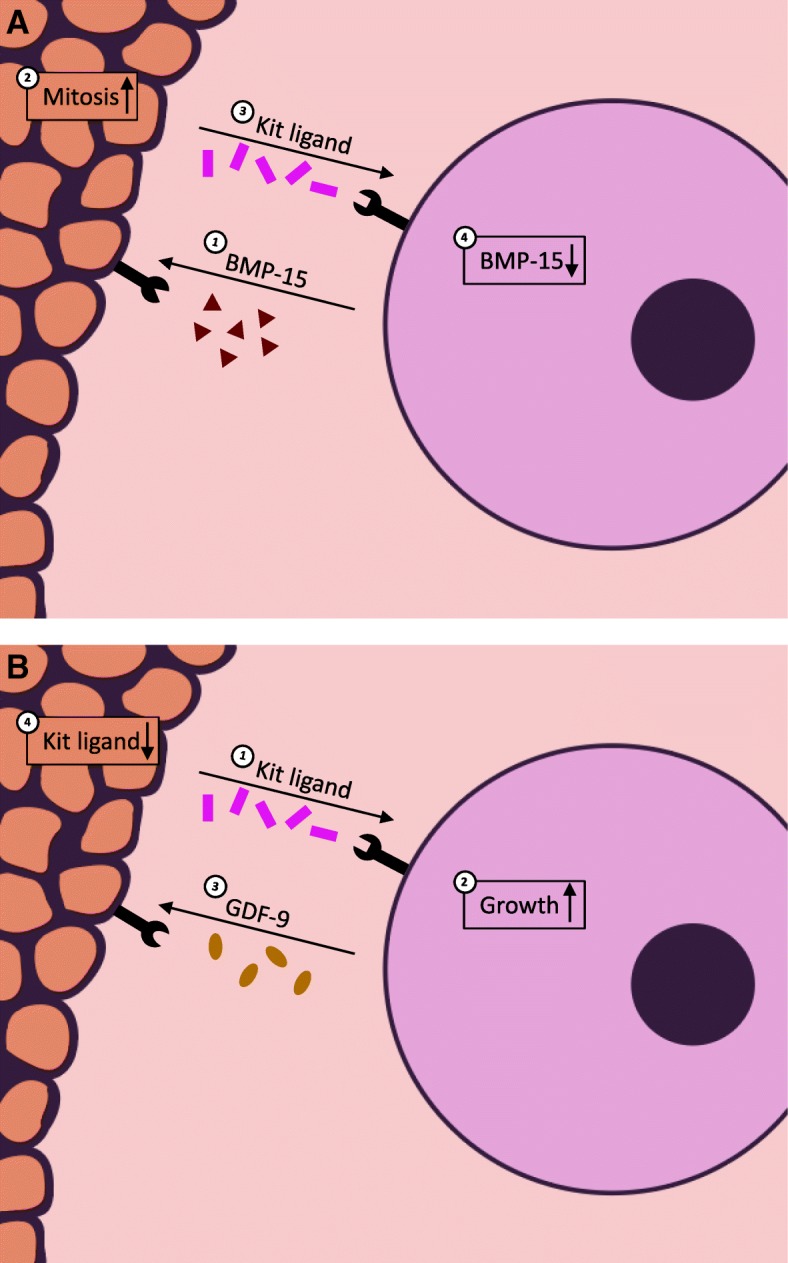
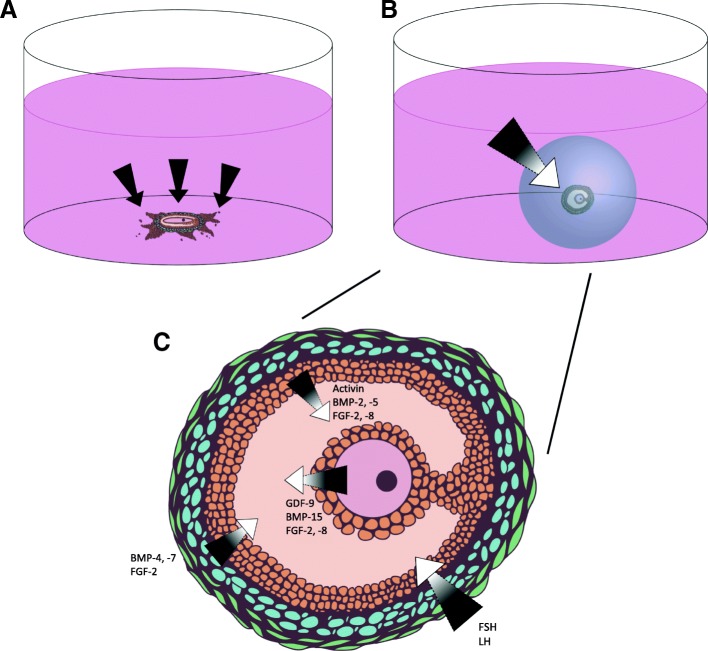
The ovarian follicle is the structural and functional unit of the ovary, composed of the female gamete (the oocyte) and supportive somatic cells. Follicles are not only the source of a female's germ cell supply, but also secrete important hormones necessary for proper endocrine function. Folliculogenesis, the growth and maturation of the follicular unit, is a complex process governed by both intrafollicular crosstalk and pituitary-secreted hormones. While the later stages of this process are gonadotropin-dependent, early folliculogenesis appears to be controlled by the ovarian microenvironment and intrafollicular paracrine and autocrine signaling. In vitro follicle culture remains challenging because of the limited knowledge of growth factors and other cytokines influencing early follicle growth. Here we discuss the current state of knowledge on paracrine and autocrine signaling influencing primary follicles as they develop into the antral stage. Given the importance of intrafollicular signaling and the ovarian microenvironment, we reviewed the current engineering approaches for in vitro follicle culture, including 3D systems using natural hydrogels such as alginate and synthetic hydrogels such as poly(ethylene glycol). Our discussion is focused on what drives the proliferation of granulosa cells, development of the thecal layer, and antrum formation-three processes integral to follicle growth up to the antral stage. Further research in this area may reveal the mechanisms behind these complex signaling relationships within the follicle, leading to more successful and physiologically-relevant in vitro culture methods that will translate well to clinical applications.
卵巢卵泡是卵巢的结构和功能单位,由雌性配子(卵母细胞)和支持性体细胞组成。卵泡不仅是女性生殖细胞的来源,还分泌正常内分泌功能所必需的重要激素。卵泡发生,即卵泡单位的生长和成熟,是一个复杂的过程,受卵泡内相互作用和垂体分泌激素的共同调控。虽然这个过程的后期阶段依赖促性腺激素,但早期卵泡发生似乎受卵巢微环境以及卵泡内旁分泌和自分泌信号的控制。由于对影响早期卵泡生长的生长因子和其他细胞因子了解有限,体外卵泡培养仍然具有挑战性。在这里,我们讨论了关于旁分泌和自分泌信号影响初级卵泡发育至窦状卵泡阶段的当前知识状态。鉴于卵泡内信号传导和卵巢微环境的重要性,我们回顾了当前用于体外卵泡培养的工程方法,包括使用天然水凝胶(如藻酸盐)和合成水凝胶(如聚乙二醇)的三维系统。我们的讨论集中在驱动颗粒细胞增殖、卵泡膜层发育和卵泡腔形成的因素上,这三个过程是卵泡生长至窦状卵泡阶段不可或缺的。该领域的进一步研究可能揭示卵泡内这些复杂信号关系背后的机制,从而产生更成功且与生理相关的体外培养方法,并能很好地转化为临床应用。