Cancer Prevention and Control Program, Fox Chase Cancer Center, Philadelphia, PA, 19111, USA; Personalized Medicine and Molecular Immunology, National Research Center - Institute of Immunology, FMBA, Moscow, 115478, Russia.
Cancer and Inflammation Program, Center for Cancer Research, National Cancer Institute, National Institutes of Health, Bethesda, MD, 20892, USA.
Immunity. 2019 Jan 15;50(1):166-180.e7. doi: 10.1016/j.immuni.2018.11.015.
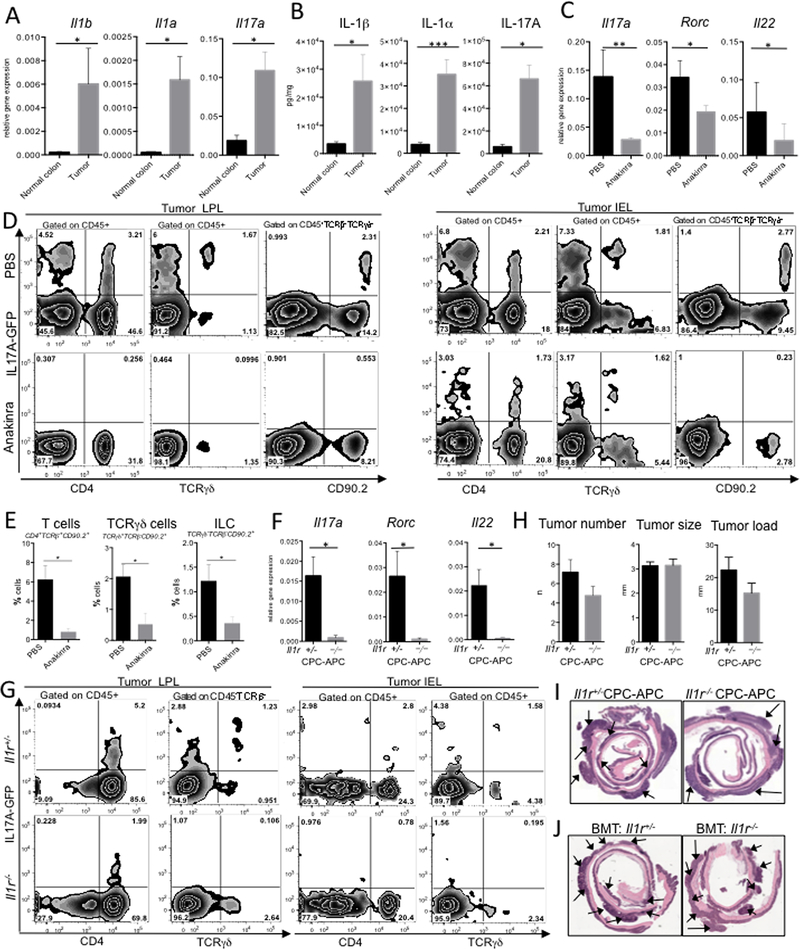
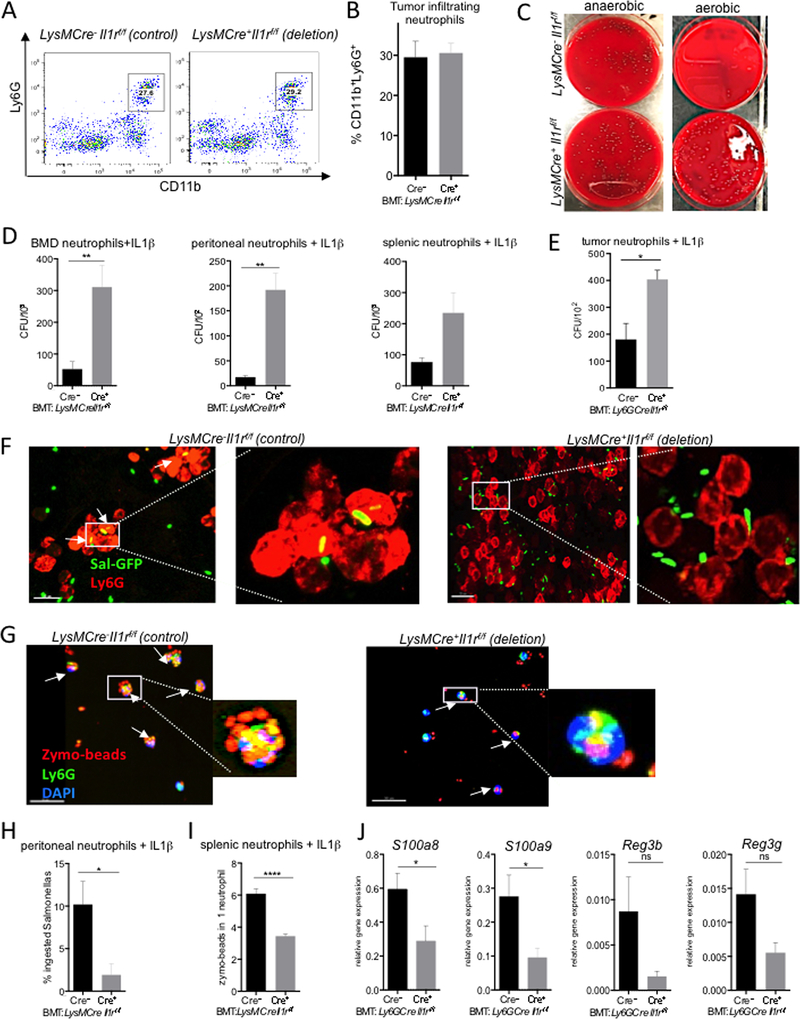
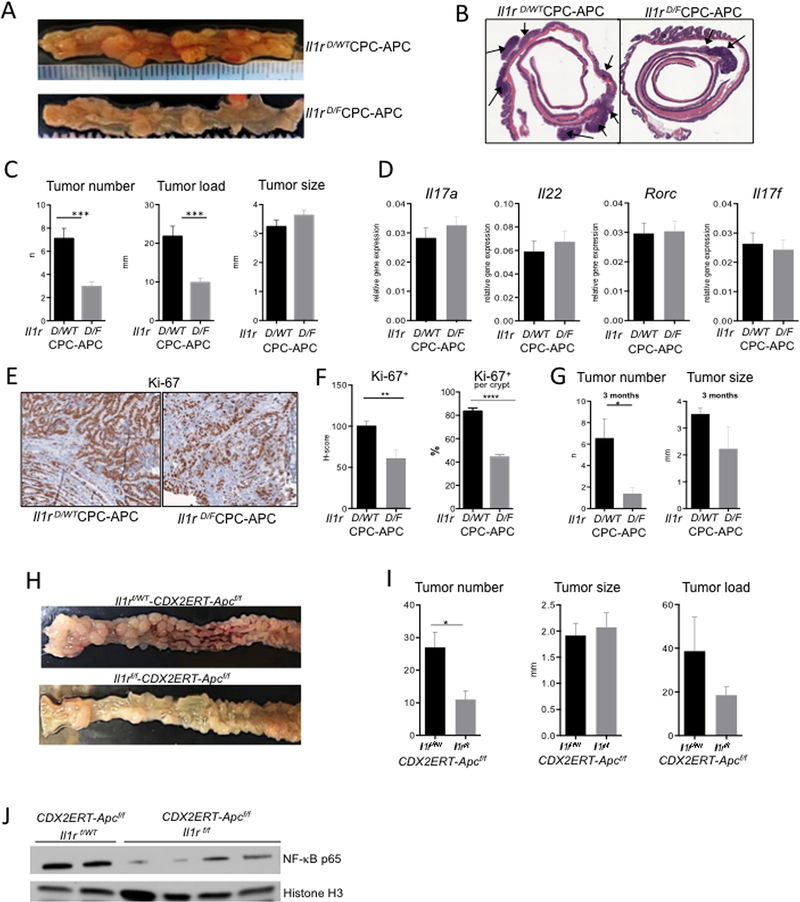
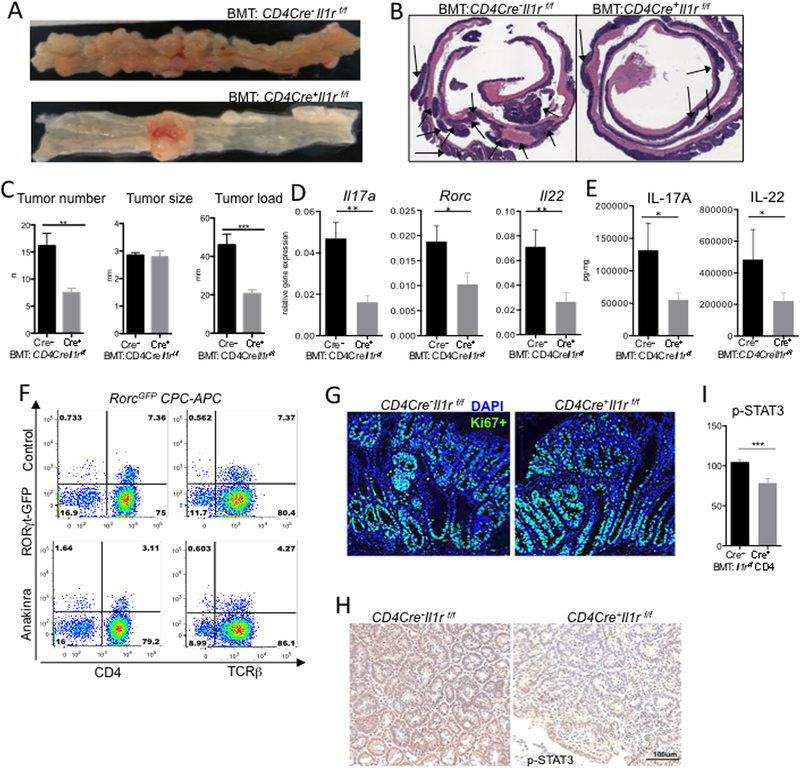
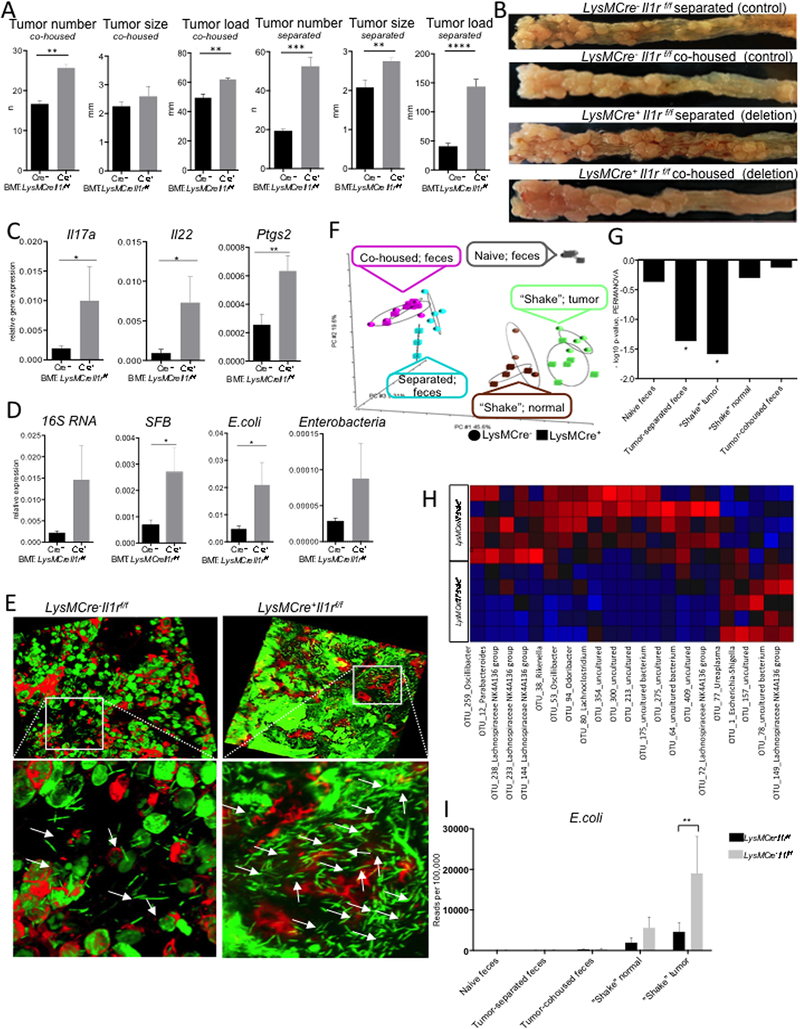
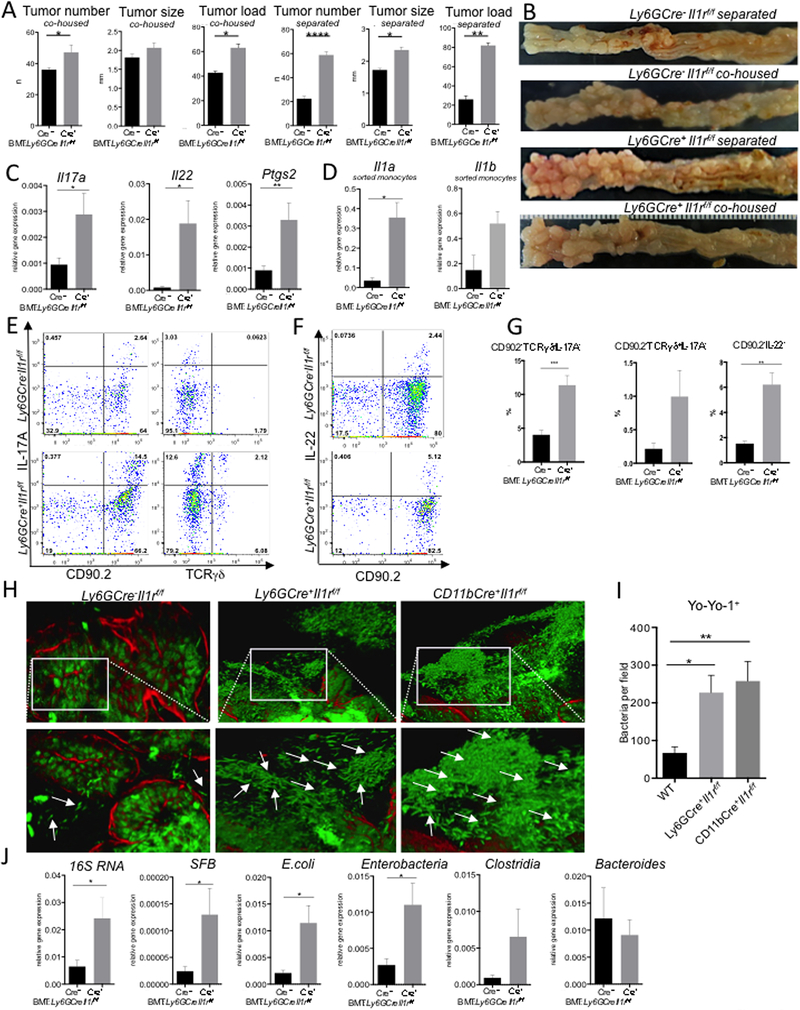
Chronic inflammation drives the progression of colorectal cancer (CRC). Increased expression of interleukin (IL)-17A is associated with poor prognosis, and IL-17A blockade curbs tumor progression in preclinical models of CRC. Here we examined the impact of IL-1 signaling, a key regulator of the IL-17 pathway, in different cell types within the CRC microenvironment. Genetic deletion of the IL-1 receptor (IL-1R1) in epithelial cells alleviated tumorigenesis in the APC model of CRC, demonstrating a cell-autonomous role for IL-1 signaling in early tumor seed outgrowth. T cell specific ablation of IL-1R1 decreased tumor-elicited inflammation dependent on IL-17 and IL-22, thereby reducing CRC progression. The pro-tumorigenic roles of IL-1 were counteracted by its effects on myeloid cells, particularly neutrophils, where IL-1R1 ablation resulted in bacterial invasion into tumors, heightened inflammation and aggressive CRC progression. Thus, IL-1 signaling elicits cell-type-specific responses, which, in aggregate, set the inflammatory tone of the tumor microenvironment and determine the propensity for disease progression.
慢性炎症会促使结直肠癌(CRC)的发展。白细胞介素(IL)-17A 表达增加与预后不良有关,IL-17A 阻断可抑制 CRC 临床前模型中的肿瘤进展。在这里,我们研究了白细胞介素(IL)信号转导在 CRC 微环境中不同细胞类型中的作用,它是 IL-17 途径的关键调节剂。在 APC 诱导的 CRC 模型中,上皮细胞中 IL-1 受体(IL-1R1)的基因缺失减轻了肿瘤的发生,这表明 IL-1 信号在早期肿瘤种子生长中具有细胞自主性作用。T 细胞特异性敲除 IL-1R1 可减少依赖于 IL-17 和 IL-22 的肿瘤诱发炎症,从而减缓 CRC 的进展。IL-1 的促肿瘤作用被其对髓样细胞(尤其是中性粒细胞)的作用所抵消,在髓样细胞中,IL-1R1 的缺失导致细菌入侵肿瘤,炎症加剧和 CRC 进展更为激进。因此,IL-1 信号转导引发了细胞类型特异性的反应,这些反应共同构成了肿瘤微环境的炎症基调,并决定了疾病进展的倾向。