College of Human Sciences, Oklahoma State University, Stillwater, OK, 74078, USA.
Biomedical Sciences Program, College of Graduate Studies, Midwestern University, Glendale, AZ, 85308, USA.
BMC Cancer. 2019 Jan 16;19(1):79. doi: 10.1186/s12885-018-5129-4.
Defects in the type and degree of cellular glycosylation impact oncogenesis on multiple levels. Although the type of glycosylation is determined by protein sequence encoded by the genome, the extent and modifications of glycosylation depends on the activity of biosynthetic enzymes and recent data suggests that the glycome is also subject to epigenetic regulation. This study focuses on the ability of HDAC inhibition to alter glycosylation and to lead to pro-oncogenic alterations in the glycome as assessed by metastatic potential and chemoresistance.
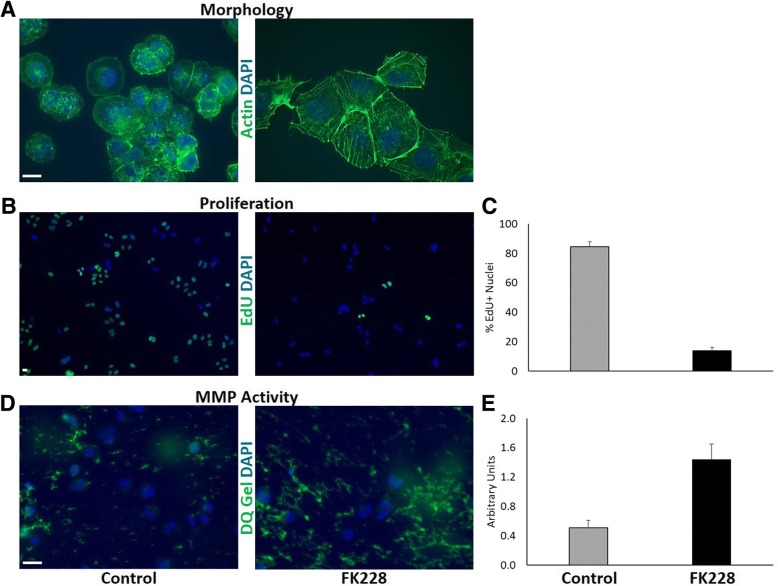
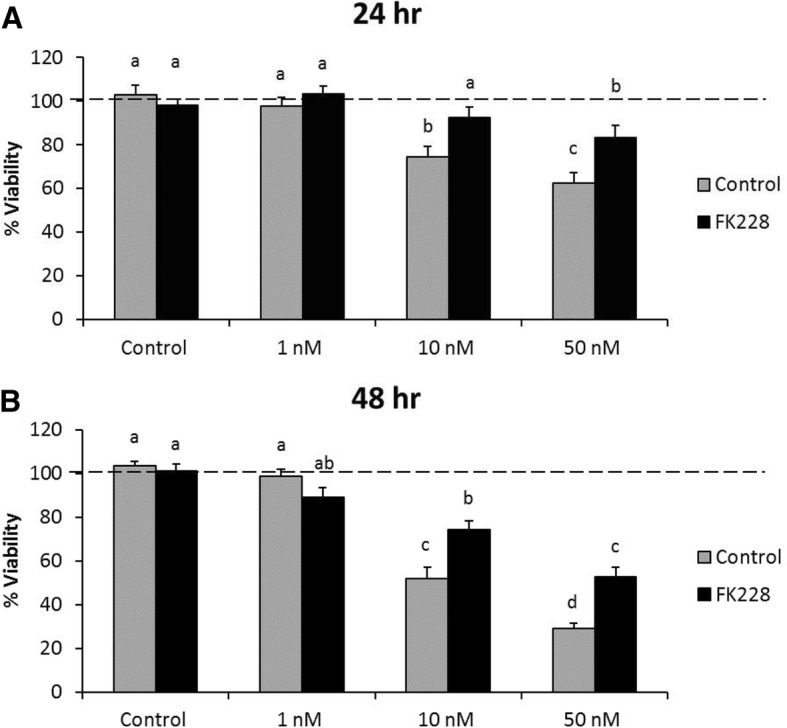
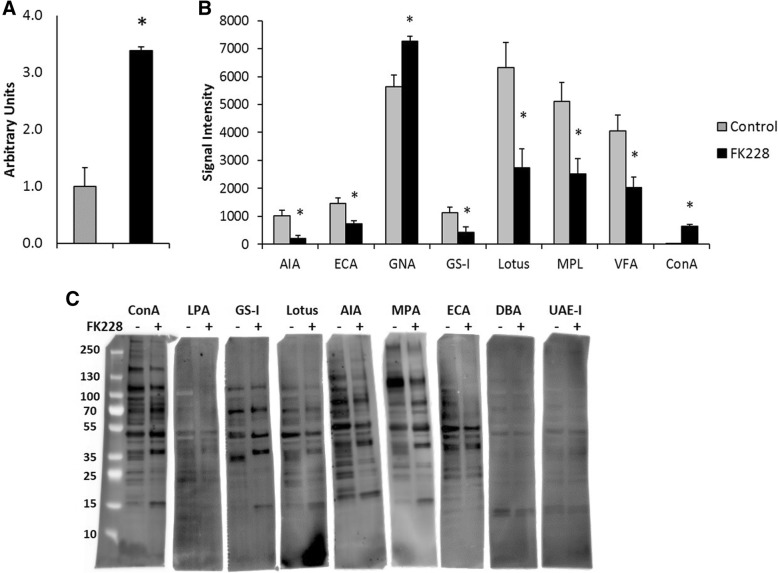
Epigenetically plastic SW13 adrenocortical carcinoma cells were treated with FK228, an HDAC inhibitor with high affinity for HDAC1 and, to a lesser extent, HDAC2. In comparing HDAC inhibitor treated and control cells, differential expression of glycome-related genes were assessed by microarray. Differential glycosylation was then assessed by lectin binding arrays and the ability of cellular proteins to bind to glycans was assessed by glycan binding arrays. Differential sensitivity to paclitaxel, proliferation, and MMP activity were also assessed.
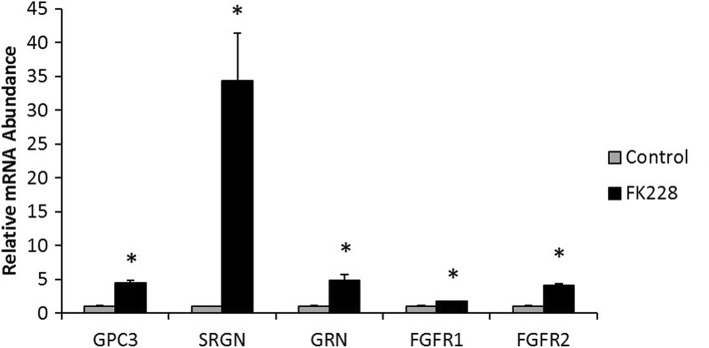
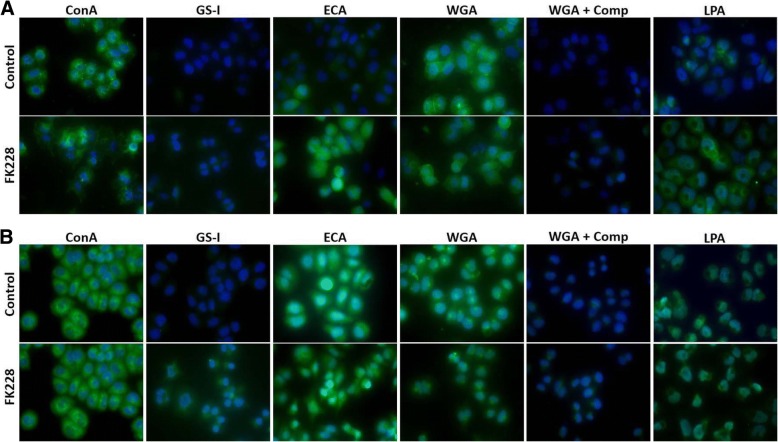
Treatment with FK228 alters expression of enzymes in the biosynthetic pathways for a large number of glycome related genes including enzymes in all major glycosylation pathways and several glycan binding proteins. 84% of these differentially expressed glycome-related genes are linked to cancer, some as prognostic markers and others contributing basic oncogenic functions such as metastasis or chemoresistance. Glycan binding proteins also appear to be differentially expressed as protein extracts from treated and untreated cells show differential binding to glycan arrays. The impact of differential mRNA expression of glycosylation enzymes was documented by differential lectin binding. However, the assessment of changes in the glycome is complicated by the fact that detection of differential glycosylation through lectin binding is dependent on the methods used to prepare samples as protein-rich lysates show different binding than fixed cells in several cases. Paralleling the alterations in the glycome, treatment of SW13 cells with FK228 increases metastatic potential and reduces sensitivity to paclitaxel.
The glycome is substantially altered by HDAC inhibition and these changes may have far-reaching impacts on oncogenesis.
细胞糖基化的类型和程度缺陷在多个层面上影响肿瘤发生。虽然糖基化的类型由基因组编码的蛋白质序列决定,但糖基化的程度和修饰取决于生物合成酶的活性,最近的数据表明糖组也受到表观遗传调控。本研究侧重于 HDAC 抑制改变糖基化的能力,并导致糖组中促癌变化,如通过转移潜力和化学抗性评估。
用 FK228(一种对 HDAC1 具有高亲和力的 HDAC 抑制剂,对 HDAC2 的亲和力较小)处理具有表观遗传可塑性的 SW13 肾上腺皮质癌细胞。在比较 HDAC 抑制剂处理和对照细胞时,通过微阵列评估糖组相关基因的差异表达。然后通过凝集素结合阵列评估差异糖基化,通过糖结合阵列评估细胞蛋白与聚糖结合的能力。还评估了对紫杉醇的敏感性、增殖和 MMP 活性的差异。
FK228 处理改变了大量与糖组相关基因的生物合成途径中的酶的表达,包括所有主要糖基化途径中的酶和几种糖结合蛋白。这些差异表达的糖组相关基因中有 84%与癌症有关,有些是预后标志物,有些则具有基本的致癌功能,如转移或化疗耐药性。糖结合蛋白似乎也表现出差异表达,因为来自处理和未处理细胞的蛋白提取物显示出与糖阵列的差异结合。通过差异凝集素结合评估了糖基化酶差异 mRNA 表达的影响。然而,由于通过凝集素结合检测差异糖基化取决于用于制备样品的方法,因此糖组的变化评估变得复杂,在某些情况下,富含蛋白质的裂解物显示出与固定细胞不同的结合。与糖组的变化平行,SW13 细胞用 FK228 处理增加了转移潜力并降低了对紫杉醇的敏感性。
HDAC 抑制会极大地改变糖组,这些变化可能对肿瘤发生产生深远影响。