Misiewicz-Krzeminska Irena, Krzeminski Patryk, Corchete Luis A, Quwaider Dalia, Rojas Elizabeta A, Herrero Ana Belén, Gutiérrez Norma C
The Institute for Biomedical Research (IBSAL), 37007 Salamanca, Spain.
Cancer Research Center-IBMCC (USAL-CSIC), 37007 Salamanca, Spain.
Noncoding RNA. 2019 Jan 16;5(1):9. doi: 10.3390/ncrna5010009.
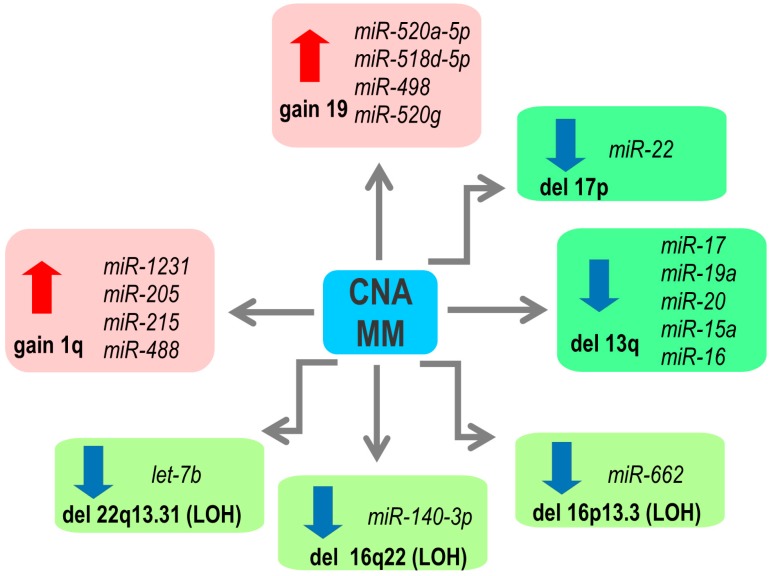
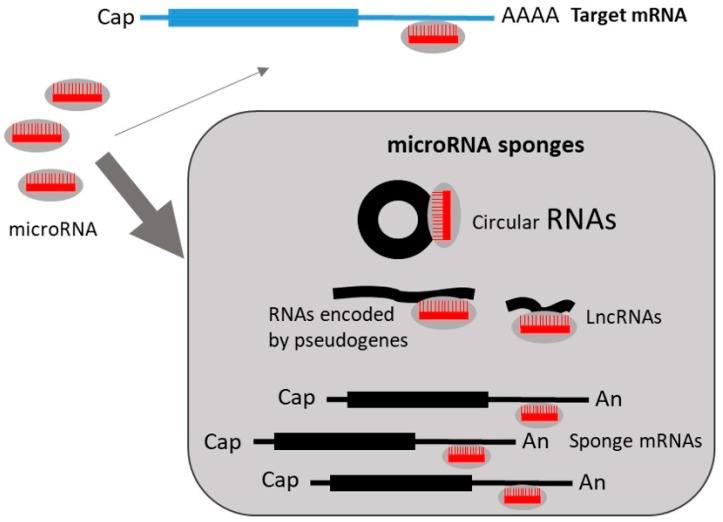
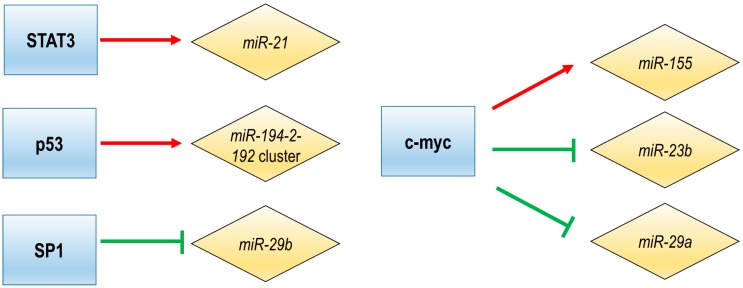
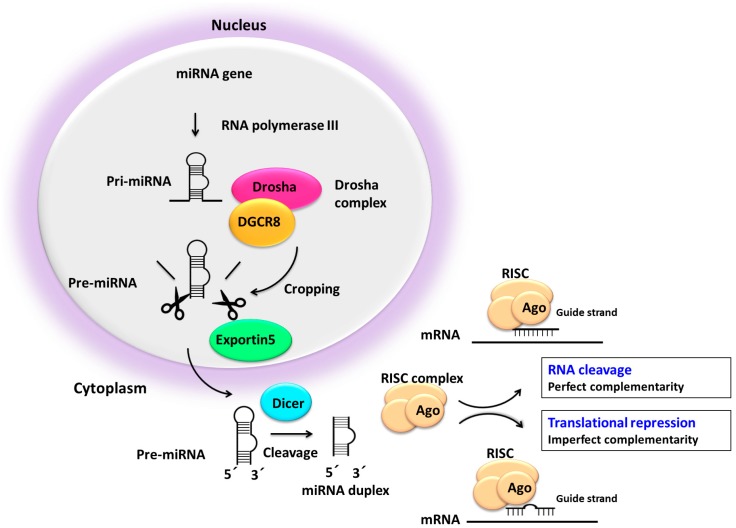
Intensive research has been undertaken during the last decade to identify the implication of microRNAs (miRNAs) in the pathogenesis of multiple myeloma (MM). The expression profiling of miRNAs in MM has provided relevant information, demonstrating different patterns of miRNA expression depending on the genetic abnormalities of MM and a key role of some miRNAs regulating critical genes associated with MM pathogenesis. However, the underlying causes of abnormal expression of miRNAs in myeloma cells remain mainly elusive. The final expression of the mature miRNAs is subject to multiple regulation mechanisms, such as copy number alterations, CpG methylation or transcription factors, together with impairment in miRNA biogenesis and differences in availability of the mRNA target sequence. In this review, we summarize the available knowledge about the factors involved in the regulation of miRNA expression and functionality in MM.
在过去十年中,人们进行了深入研究,以确定微小RNA(miRNA)在多发性骨髓瘤(MM)发病机制中的作用。MM中miRNA的表达谱提供了相关信息,表明根据MM的基因异常情况,miRNA表达模式不同,并且一些miRNA在调节与MM发病机制相关的关键基因方面发挥着关键作用。然而,骨髓瘤细胞中miRNA异常表达的根本原因仍然主要不明。成熟miRNA的最终表达受到多种调控机制的影响,如拷贝数改变、CpG甲基化或转录因子,以及miRNA生物合成受损和mRNA靶序列可用性的差异。在本综述中,我们总结了有关MM中miRNA表达和功能调控相关因素的现有知识。