Vivo-Vilches Jose Francisco, Celzard Alain, Fierro Vanessa, Devin-Ziegler Isabelle, Brosse Nicolas, Dufour Anthony, Etienne Mathieu
Laboratoire de Chimie Physique et Microbiologie pour les Matériaux et l'Environnement, UMR 7564 CNRS and Université de Lorraine, F-54600 Villers-lès-Nancy, France.
Institut Jean Lamour, UMR 7198 CNRS and Université de Lorraine, F-88000 Épinal, France.
Nanomaterials (Basel). 2019 Jan 16;9(1):106. doi: 10.3390/nano9010106.
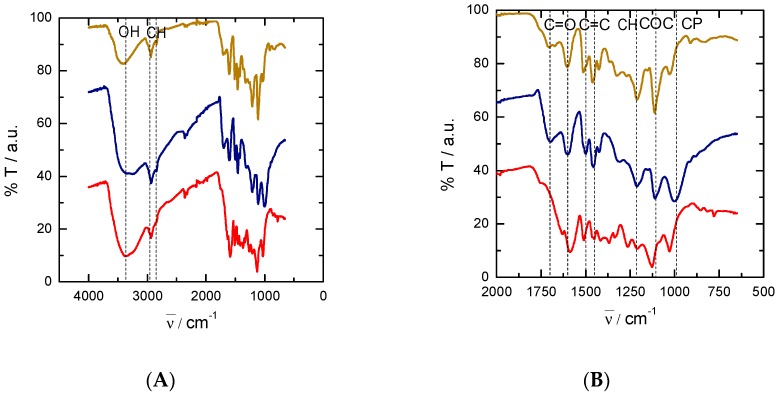
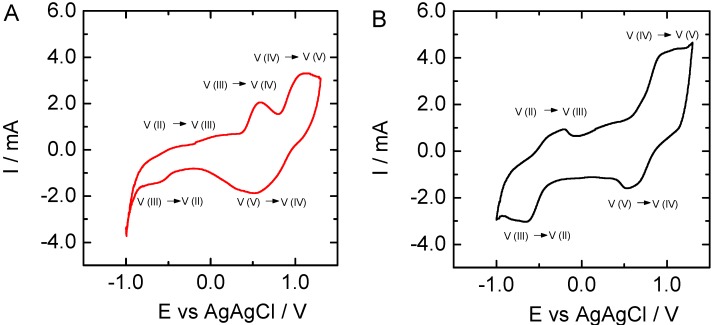
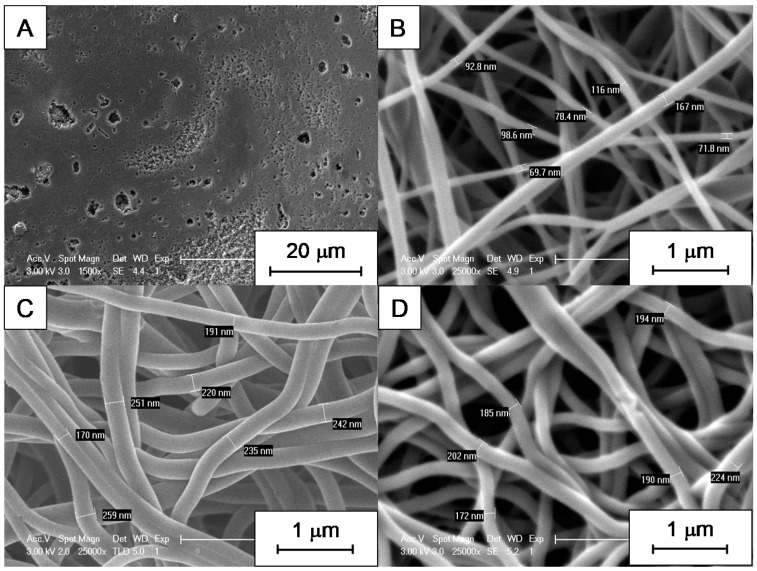
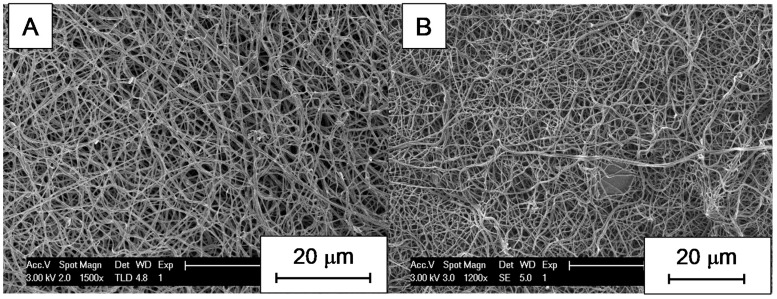
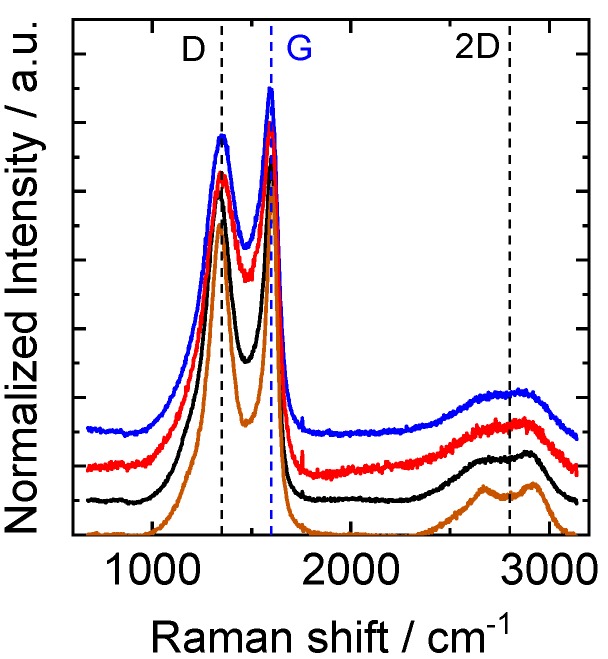
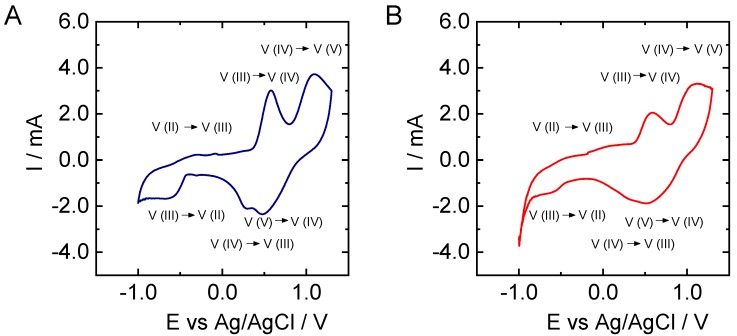
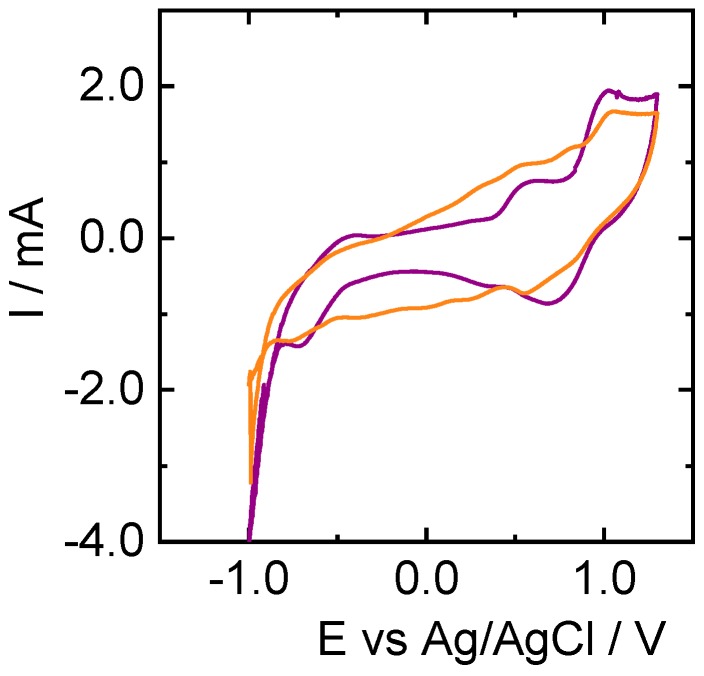
Three different types of lignin (kraft, organosolv and phosphoric acid lignin) were characterized and tested as precursors of electrospun nanofibers. Polyethylene oxide (PEO) was added as a plasticizer and dimethyl formamide (DMF) employed as a solvent. It was found that the molecular weight of lignin was the key parameter to understand the differences of the mechanical stability of the resultant fiber mats. In the case of kraft lignin (KL), the influence of some changes in the synthetic process was also tested: applied voltage, pretreatment in air or not, and the addition of a small amount of Ketjen black. After pyrolysis in nitrogen flow, the obtained carbon nanofibers (CNFs) were characterized by different techniques to analyze their differences in morphology and surface chemistry. Vanadium electrochemistry in 3M sulfuric acid was used to evaluate the different CNFs. All fibers allowed electrochemical reactions, but we observed that the oxidation of V(II) to V(III) was very sensitive to the nature of the raw material. Materials prepared from kraft and phosphorus lignin showed the best performances. Nevertheless, when 1 wt.% of Ketjen black was added to KL during the electrospinning, the electrochemical performance of the sample was significantly improved and all targeted reactions for an all-vanadium redox flow battery were observed. Therefore, in this work, we demonstrated that CNFs obtained by the electrospinning of lignin can be employed as electrodes for vanadium electrochemistry, and their properties can be tuned to improve their electrochemical properties.
对三种不同类型的木质素(硫酸盐木质素、有机溶剂木质素和磷酸木质素)进行了表征,并将其作为电纺纳米纤维的前驱体进行测试。添加聚环氧乙烷(PEO)作为增塑剂,使用二甲基甲酰胺(DMF)作为溶剂。发现木质素的分子量是理解所得纤维毡机械稳定性差异的关键参数。对于硫酸盐木质素(KL),还测试了合成过程中一些变化的影响:施加电压、是否在空气中预处理以及添加少量科琴黑。在氮气流中热解后,通过不同技术对所得碳纳米纤维(CNF)进行表征,以分析它们在形态和表面化学方面的差异。在3M硫酸中进行钒电化学测试以评估不同的CNF。所有纤维都能进行电化学反应,但我们观察到V(II)氧化为V(III)对原料的性质非常敏感。由硫酸盐木质素和磷木质素制备的材料表现出最佳性能。然而,在静电纺丝过程中向KL中添加1 wt.%的科琴黑时,样品的电化学性能显著提高,并且观察到了全钒氧化还原液流电池的所有目标反应。因此,在这项工作中,我们证明了通过木质素静电纺丝获得的CNF可作为钒电化学的电极,并且可以调整其性能以改善其电化学性质。