Devadas Suchitha, Al-Ajrash Saja M Nabat, Klosterman Donald A, Crosson Kenya M, Crosson Garry S, Vasquez Erick S
Department of Chemical and Materials Engineering, University of Dayton, Dayton, OH 45469, USA.
Department of Civil and Environmental Engineering and Engineering Mechanics, University of Dayton, Dayton, OH 45469, USA.
Polymers (Basel). 2021 Mar 24;13(7):992. doi: 10.3390/polym13070992.
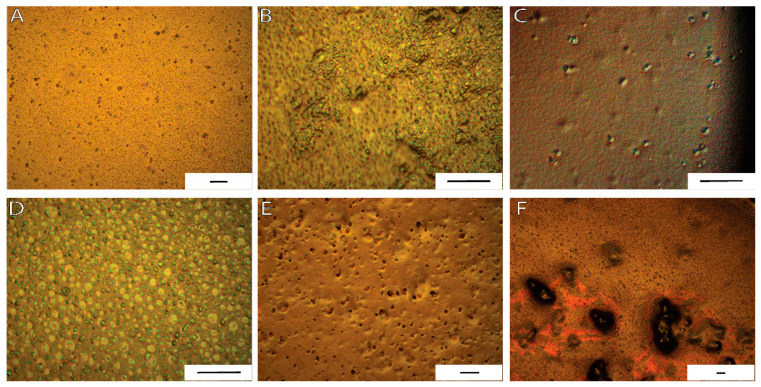
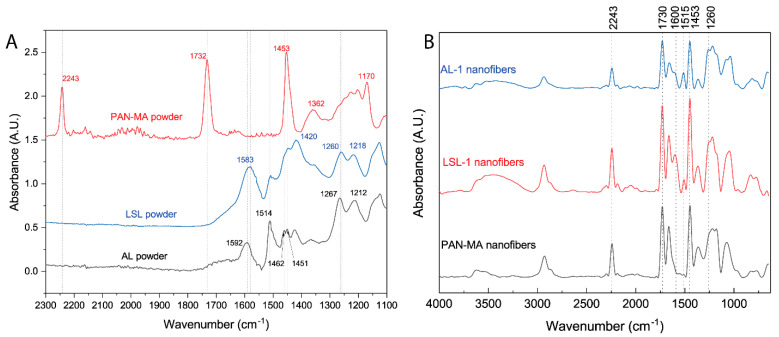
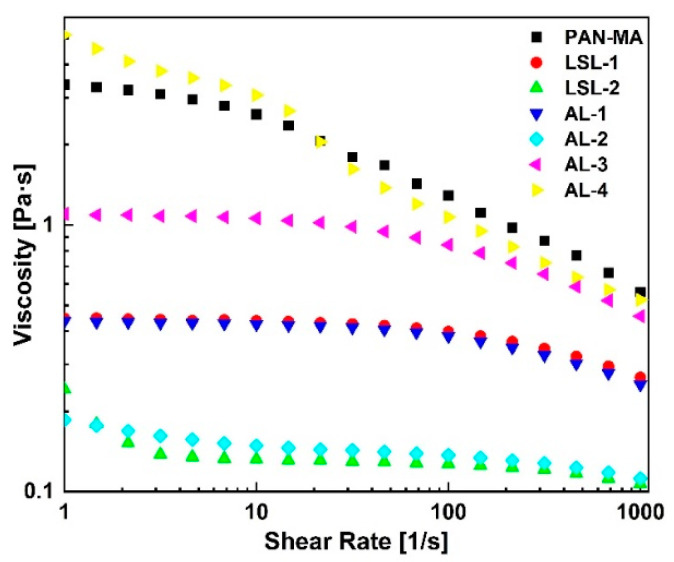
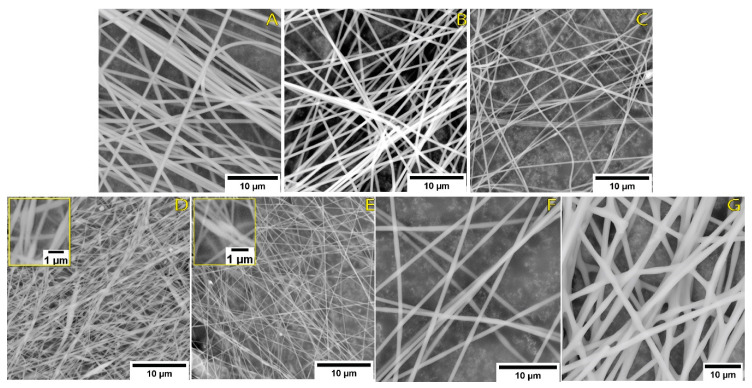
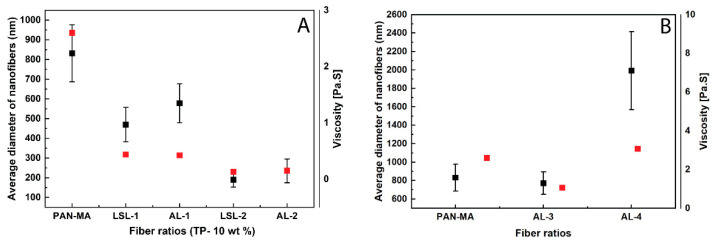
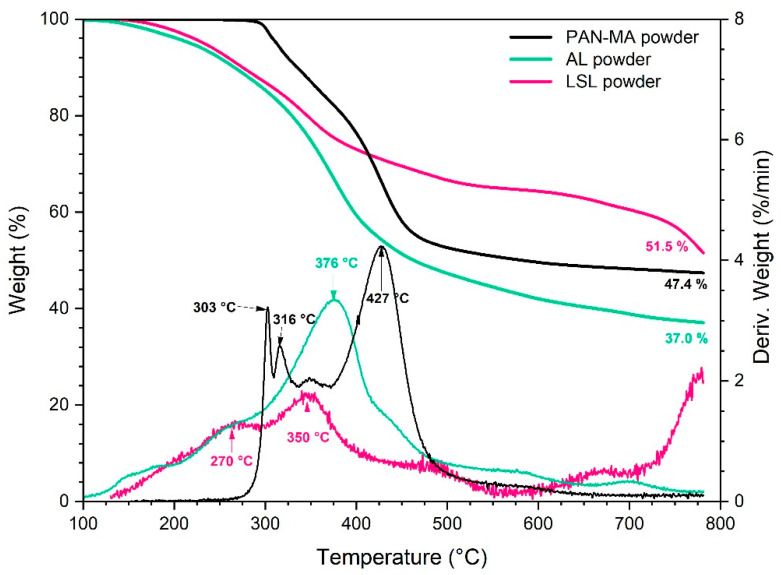
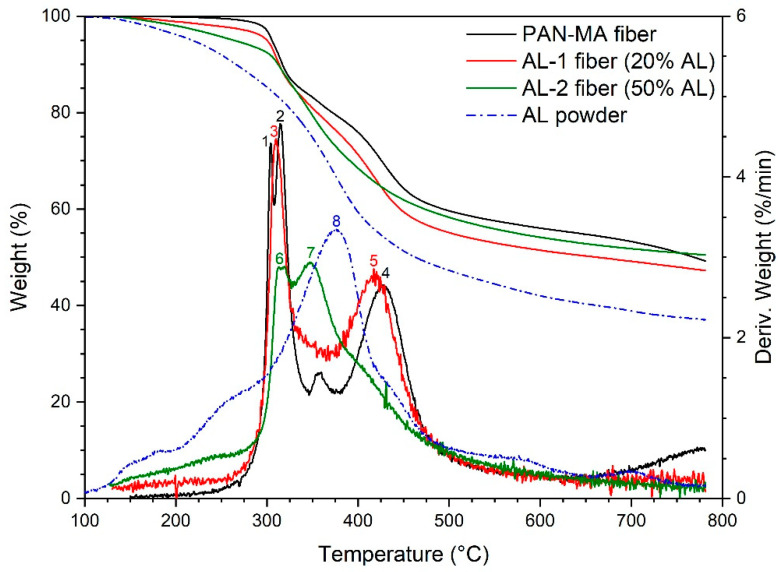
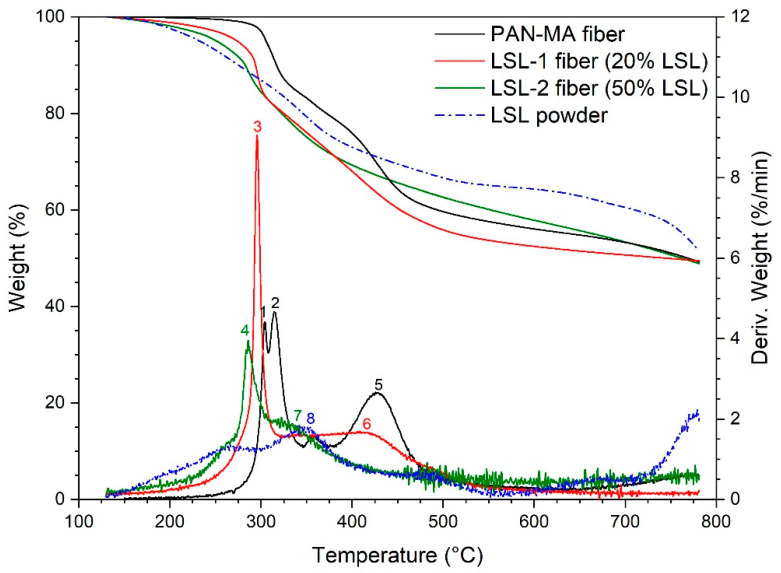
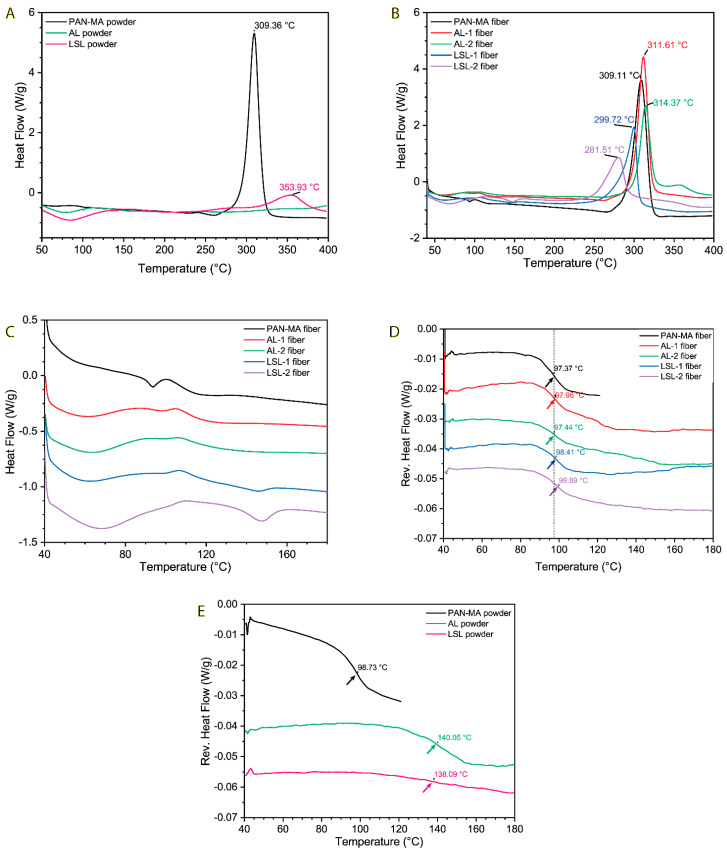
Lignin macromolecules are potential precursor materials for producing electrospun nanofibers for composite applications. However, little is known about the effect of lignin type and blend ratios with synthetic polymers. This study analyzed blends of poly(acrylonitrile--methyl acrylate) (PAN-MA) with two types of commercially available lignin, low sulfonate (LSL) and alkali, kraft lignin (AL), in DMF solvent. The electrospinning and polymer blend solution conditions were optimized to produce thermally stable, smooth lignin-based nanofibers with total polymer content of up to 20 wt % in solution and a 50/50 blend weight ratio. Microscopy studies revealed that AL blends possess good solubility, miscibility, and dispersibility compared to LSL blends. Despite the lignin content or type, rheological studies demonstrated that PAN-MA concentration in solution dictated the blend's viscosity. Smooth electrospun nanofibers were fabricated using AL depending upon the total polymer content and blend ratio. AL's addition to PAN-MA did not affect the glass transition or degradation temperatures of the nanofibers compared to neat PAN-MA. We confirmed the presence of each lignin type within PAN-MA nanofibers through infrared spectroscopy. PAN-MA/AL nanofibers possessed similar morphological and thermal properties as PAN-MA; thus, these lignin-based nanofibers can replace PAN in future applications, including production of carbon fibers and supercapacitors.
木质素大分子是用于复合应用中制备电纺纳米纤维的潜在前驱体材料。然而,关于木质素类型以及与合成聚合物的混合比例的影响,人们了解甚少。本研究分析了聚(丙烯腈 - 丙烯酸甲酯)(PAN - MA)与两种市售木质素,即低磺酸盐木质素(LSL)和碱法硫酸盐木质素(AL)在N,N - 二甲基甲酰胺(DMF)溶剂中的共混物。对静电纺丝和聚合物共混溶液条件进行了优化,以制备热稳定、光滑的木质素基纳米纤维,溶液中的总聚合物含量高达20 wt%,共混重量比为50/50。显微镜研究表明,与LSL共混物相比,AL共混物具有良好的溶解性、混溶性和分散性。无论木质素含量或类型如何,流变学研究表明溶液中PAN - MA的浓度决定了共混物的粘度。根据总聚合物含量和共混比例,使用AL制备了光滑的电纺纳米纤维。与纯PAN - MA相比,向PAN - MA中添加AL不会影响纳米纤维的玻璃化转变温度或降解温度。我们通过红外光谱证实了PAN - MA纳米纤维中每种木质素类型的存在。PAN - MA/AL纳米纤维具有与PAN - MA相似的形态和热性能;因此,这些木质素基纳米纤维在未来的应用中可以替代PAN,包括碳纤维和超级电容器的生产。