Liu Dian-Xing, Li Peng-Peng, Guo Jia-Pei, Li Lei-Lei, Guo Bin, Jiao Hong-Bin, Wu Jing-Hua, Chen Jun-Mao
Clinical Laboratory Center, North China University of Science and Technology Affiliated Hospital, Tangshan, Hebei 063000, P.R. China.
Department of Hepatobiliary Surgery, North China University of Science and Technology Affiliated Hospital, Tangshan, Hebei 063000, P.R. China.
Oncol Lett. 2019 Jan;17(1):323-331. doi: 10.3892/ol.2018.9584. Epub 2018 Oct 16.
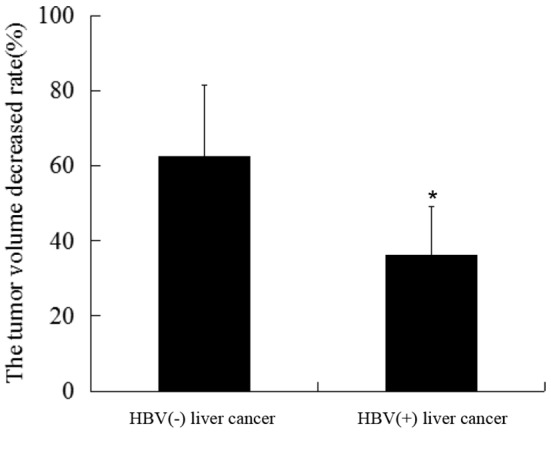
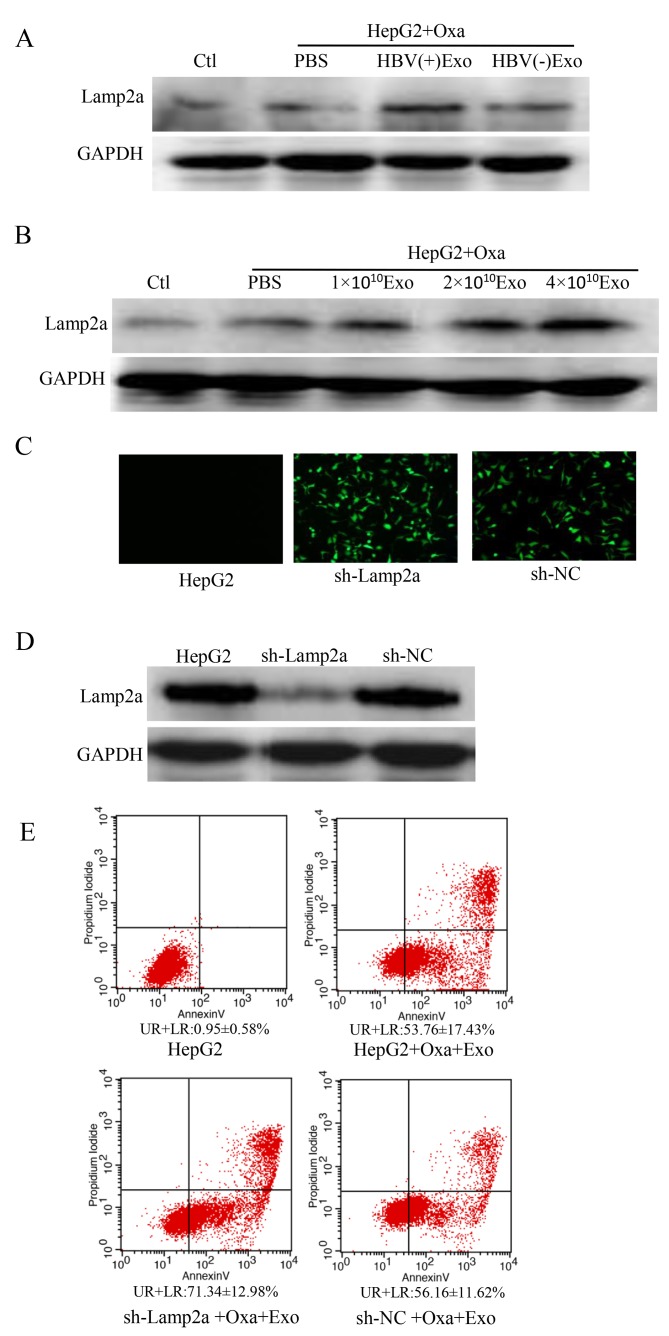
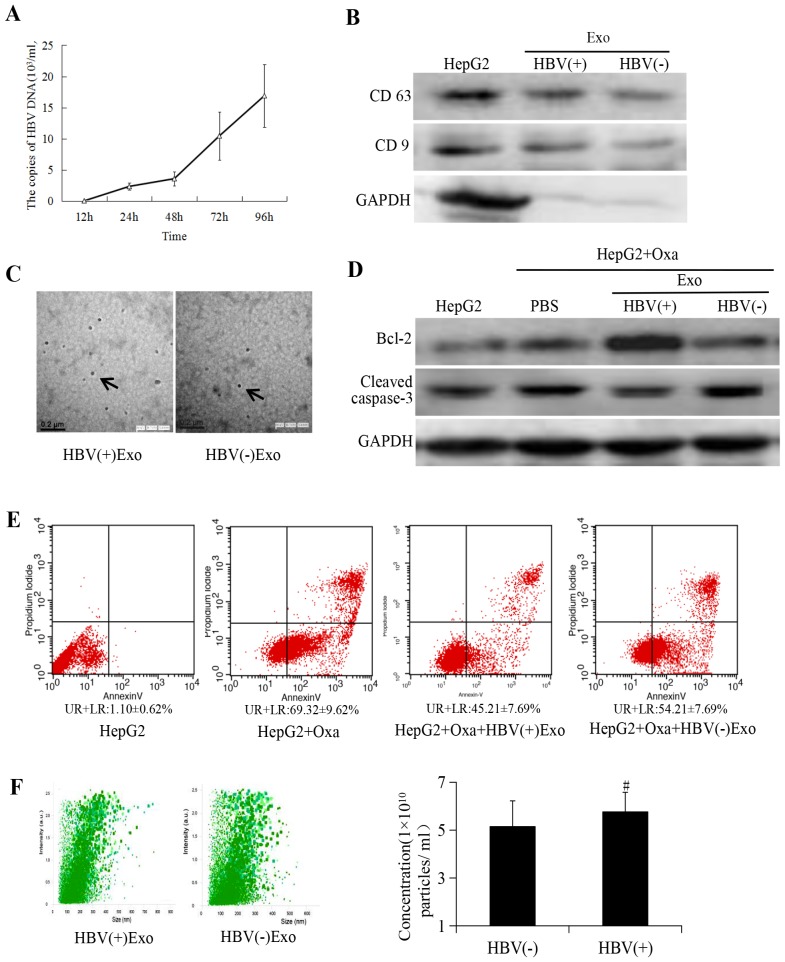
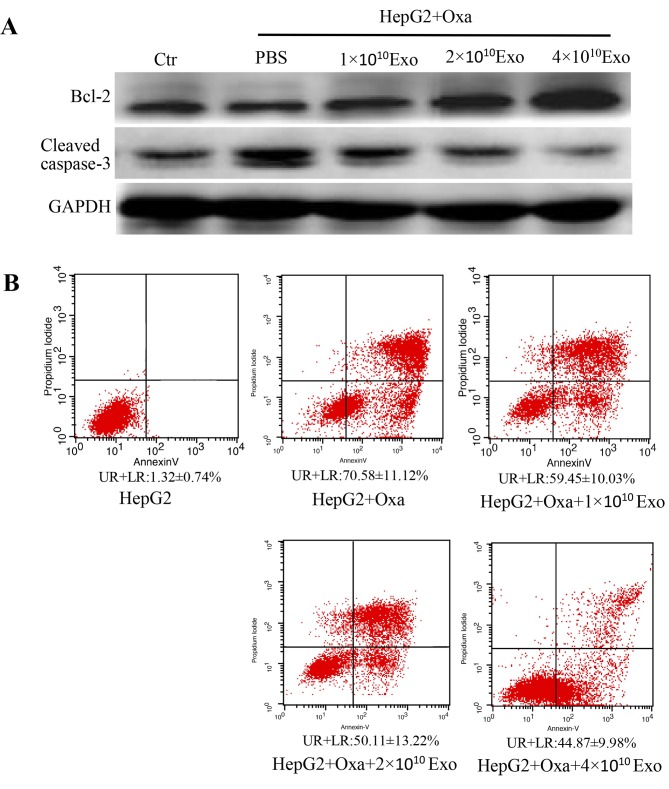
Liver cancer, which is the second leading cause of tumor-associated mortality, is of great concern worldwide due to its resistance to chemotherapeutic drugs. Transcatheter arterial chemoembolization (TACE) has previously been used as a treatment for unresectable liver tumors in China; however, the response to TACE treatment differs between patients. It has been reported that hepatitis B virus (HBV)-as sociated tumors are less sensitive to TACE treatment compared with non-HBV-associated liver cancer. Previous studies have demonstrated that exosomes serve a crucial role in hepatic carcinoma chemoresistance. We therefore hypothesized that HBV may modulate chemosensitivity via exosomes. The aim of the present study was to investigate how exosomes affect chemoresistance by assessing their role in chaperone-mediated autophagy (CMA)-dependent chemoresistance in HBV-associated liver cancer. Iconography data from HBV-positive and HBV-negative patients with hepatic carcinoma receiving TACE treatment were assessed, and it was revealed that the tumor volume was decreased in the patients with non-HBV-associated liver cancer compared with that in the patients with HBV-associated tumors following TACE therapy. Furthermore, it was revealed that exosomes from HBV-infected liver cancer cells were able to downregulate cell apoptosis when treated with oxaliplatin compared with exosomes from normal HepG2 cells. Furthermore, the results demonstrated that HBV-associated exosomes modulate cell death via activating the CMA pathway, and its key molecule, lysosome-associated membrane protein (Lamp2a), was also upregulated. Lamp2a-knockdown was also found to reverse anti-apoptotic effects in liver cancer. Taken together, the results of the present study suggest that chemoresistance in patients with HBV-associated hepatic tumors may be mediated by exosomes, and thus may provide a basis for the development of novel treatment strategies for chemoresistant liver cancer.
肝癌是肿瘤相关死亡的第二大主要原因,因其对化疗药物具有抗性,故而在全球范围内备受关注。在中国,经动脉化疗栓塞术(TACE)此前一直被用作不可切除性肝肿瘤的治疗方法;然而,患者对TACE治疗的反应存在差异。据报道,与非乙肝病毒(HBV)相关的肝癌相比,HBV相关肿瘤对TACE治疗的敏感性较低。先前的研究表明,外泌体在肝癌化疗耐药中起关键作用。因此,我们推测HBV可能通过外泌体调节化疗敏感性。本研究的目的是通过评估外泌体在HBV相关肝癌中伴侣介导的自噬(CMA)依赖性化疗耐药中的作用,来研究外泌体如何影响化疗耐药性。评估了接受TACE治疗的HBV阳性和HBV阴性肝癌患者的影像学数据,结果显示,与TACE治疗后的HBV相关肿瘤患者相比,非HBV相关肝癌患者的肿瘤体积减小。此外,研究发现,与正常HepG2细胞来源的外泌体相比,HBV感染的肝癌细胞来源的外泌体在用奥沙利铂处理时能够下调细胞凋亡。此外,结果表明,HBV相关外泌体通过激活CMA途径调节细胞死亡,其关键分子溶酶体相关膜蛋白(Lamp2a)也上调。还发现敲低Lamp2a可逆转肝癌中的抗凋亡作用。综上所述,本研究结果表明,HBV相关肝肿瘤患者的化疗耐药可能由外泌体介导,因此可能为化疗耐药性肝癌新治疗策略的开发提供依据。