Biological Sciences Program, Faculty of Science, Chulalongkorn University, Bangkok, Thailand.
Center of Excellent in Environment and Plant Physiology, Department of Botany, Faculty of Science, Chulalongkorn University, Bangkok, Thailand.
BMC Genomics. 2019 Jan 22;20(1):76. doi: 10.1186/s12864-018-5317-2.
Salt stress, a major plant environmental stress, is a critical constraint for rice productivity. Dissecting the genetic loci controlling salt tolerance in rice for improving productivity, especially at the flowering stage, remains challenging. Here, we conducted a genome-wide association study (GWAS) of salt tolerance based on exome sequencing of the Thai rice accessions.
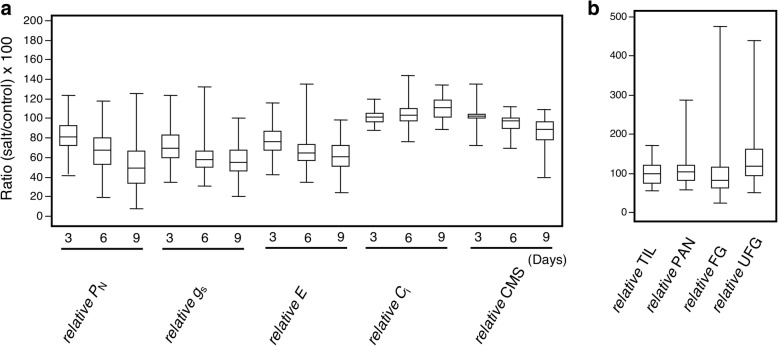
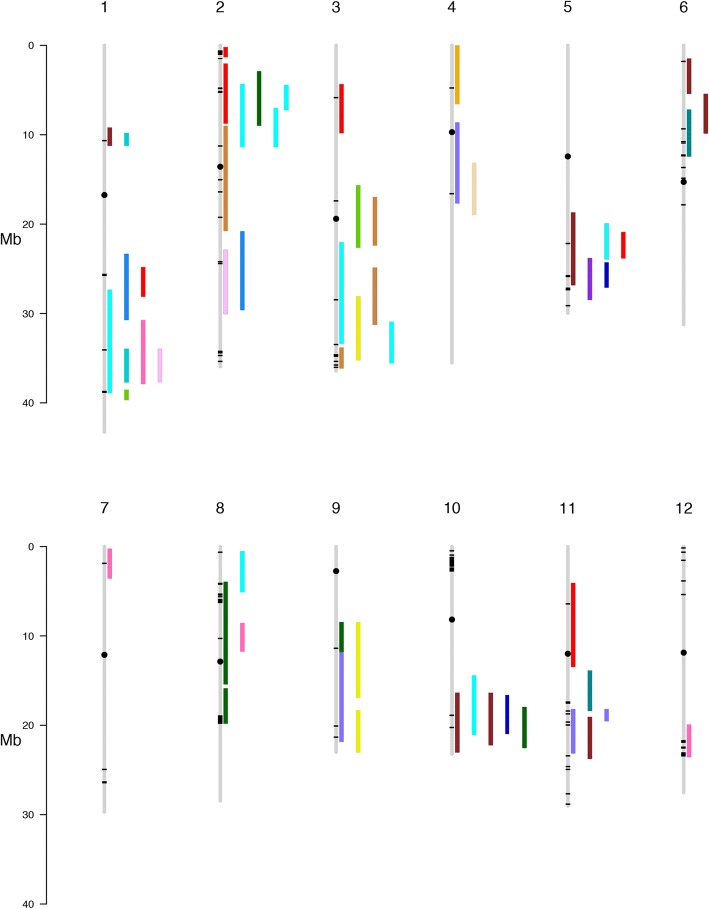
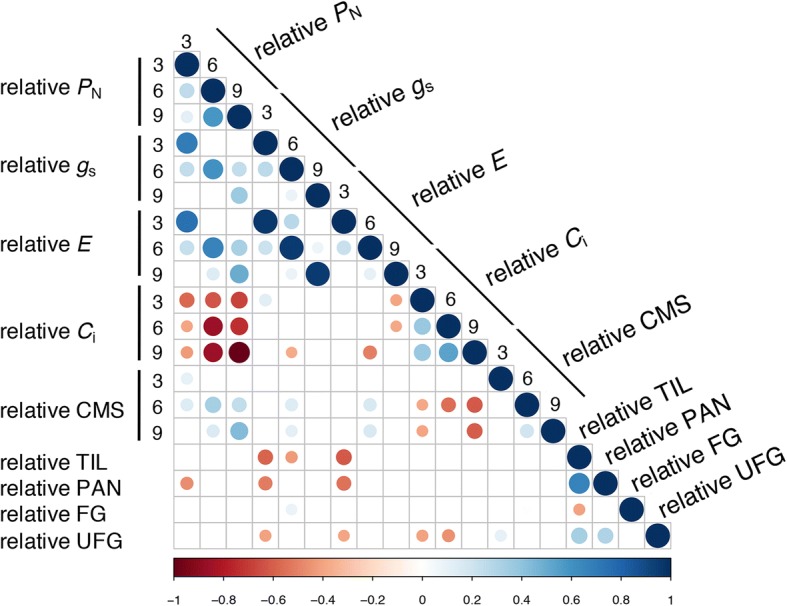
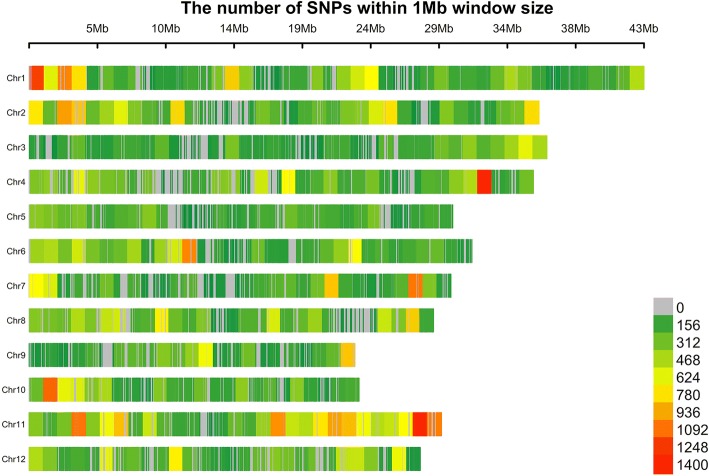
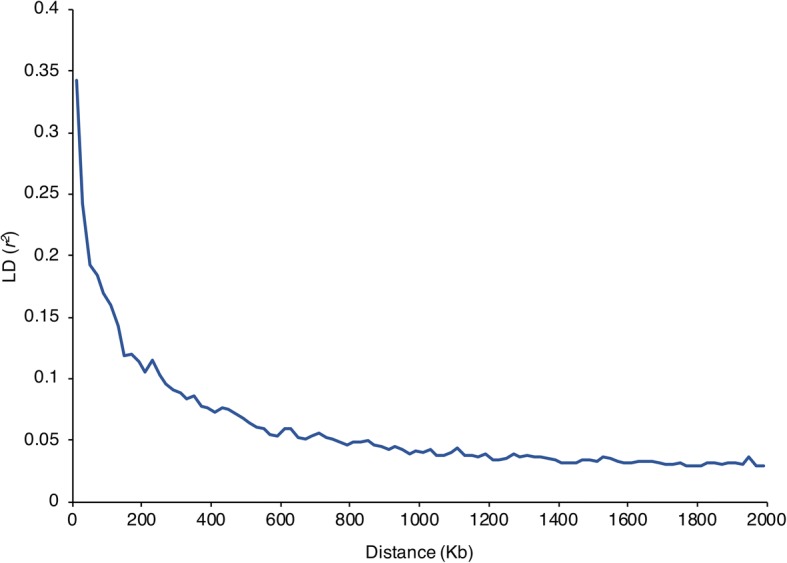
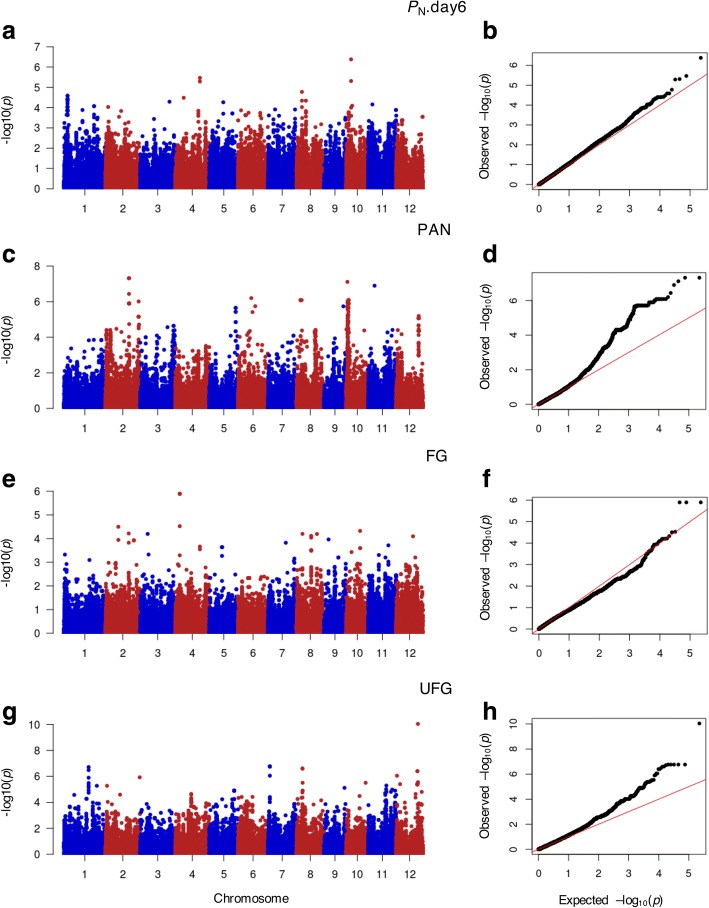
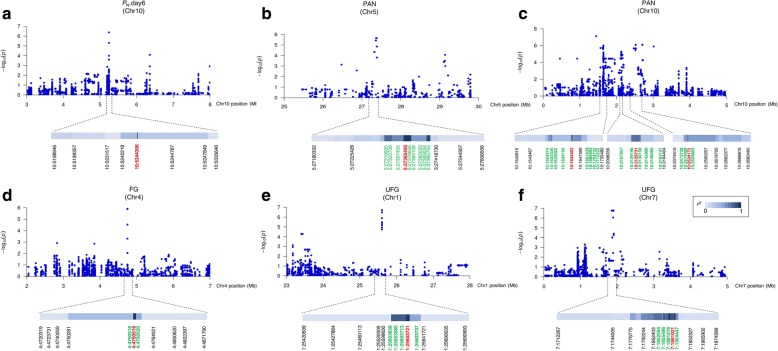
Photosynthetic parameters and cell membrane stability under salt stress at the flowering stage; and yield-related traits of 104 Thai rice (Oryza sativa L.) accessions belonging to the indica subspecies were evaluated. The rice accessions were subjected to exome sequencing, resulting in 112,565 single nucleotide polymorphisms (SNPs) called with a minor allele frequency of at least 5%. LD decay analysis of the panel indicates that the average LD for SNPs at 20 kb distance from each other was 0.34 (r), which decayed to its half value (~ 0.17) at around 80 kb. By GWAS performed using mixed linear model, two hundred loci containing 448 SNPs on exons were identified based on the salt susceptibility index of the net photosynthetic rate at day 6 after salt stress; and the number of panicles, filled grains and unfilled grains per plant. One hundred and forty six genes, which accounted for 73% of the identified loci, co-localized with the previously reported salt quantitative trait loci (QTLs). The top four regions that contained a high number of significant SNPs were found on chromosome 8, 12, 1 and 2. While many are novel, their annotation is consistent with potential involvement in plant salt tolerance and in related agronomic traits. These significant SNPs greatly help narrow down the region within these QTLs where the likely underlying candidate genes can be identified.
Insight into the contribution of potential genes controlling salt tolerance from this GWAS provides further understanding of salt tolerance mechanisms of rice at the flowering stage, which can help improve yield productivity under salinity via gene cloning and genomic selection.
盐胁迫是一种主要的植物环境胁迫,是限制水稻生产力的关键因素。解析控制水稻耐盐性的遗传位点,特别是在开花期,以提高生产力,仍然具有挑战性。在这里,我们对泰国水稻品种进行了基于外显子组测序的耐盐性全基因组关联研究(GWAS)。
对 104 个泰国水稻(Oryza sativa L.)品种在开花期的耐盐性的光合参数和细胞膜稳定性;以及与产量相关的性状进行了评估。对这些水稻品种进行了外显子组测序,共获得了 112565 个最小等位基因频率(MAF)至少为 5%的单核苷酸多态性(SNP)。对该群体的 LD 衰减分析表明,在 20kb 距离内 SNP 的平均 LD 值为 0.34(r),在 80kb 左右衰减到其一半值(~0.17)。通过使用混合线性模型进行的 GWAS,根据盐胁迫后第 6 天净光合速率的盐敏感性指数,在 200 个包含外显子 448 个 SNP 的位点中鉴定出两个数量性状位点(QTL);以及每株的穗数、结实粒数和空粒数。鉴定出的 146 个基因中,有 73%的基因与先前报道的盐定量性状位点(QTLs)共定位。在染色体 8、12、1 和 2 上发现了包含大量显著 SNP 的四个主要区域。虽然其中许多是新的,但它们的注释与潜在的植物耐盐性和相关农艺性状的参与一致。这些显著的 SNP 极大地帮助缩小了这些 QTL 内可能的候选基因所在的区域。
从这项 GWAS 中深入了解控制耐盐性的潜在基因的贡献,进一步了解了水稻在开花期的耐盐机制,这有助于通过基因克隆和基因组选择来提高盐胁迫下的产量生产力。