Centre for Cancer Biology, University of South Australia and SA Pathology, GPO Box 2471, Adelaide, SA, 5001, Australia.
Children's Cancer Institute Australia for Medical Research, Lowy Cancer Research Centre, UNSW, Sydney, NSW, 2052, Australia.
Cell Death Dis. 2019 Jan 22;10(2):56. doi: 10.1038/s41419-018-1296-0.
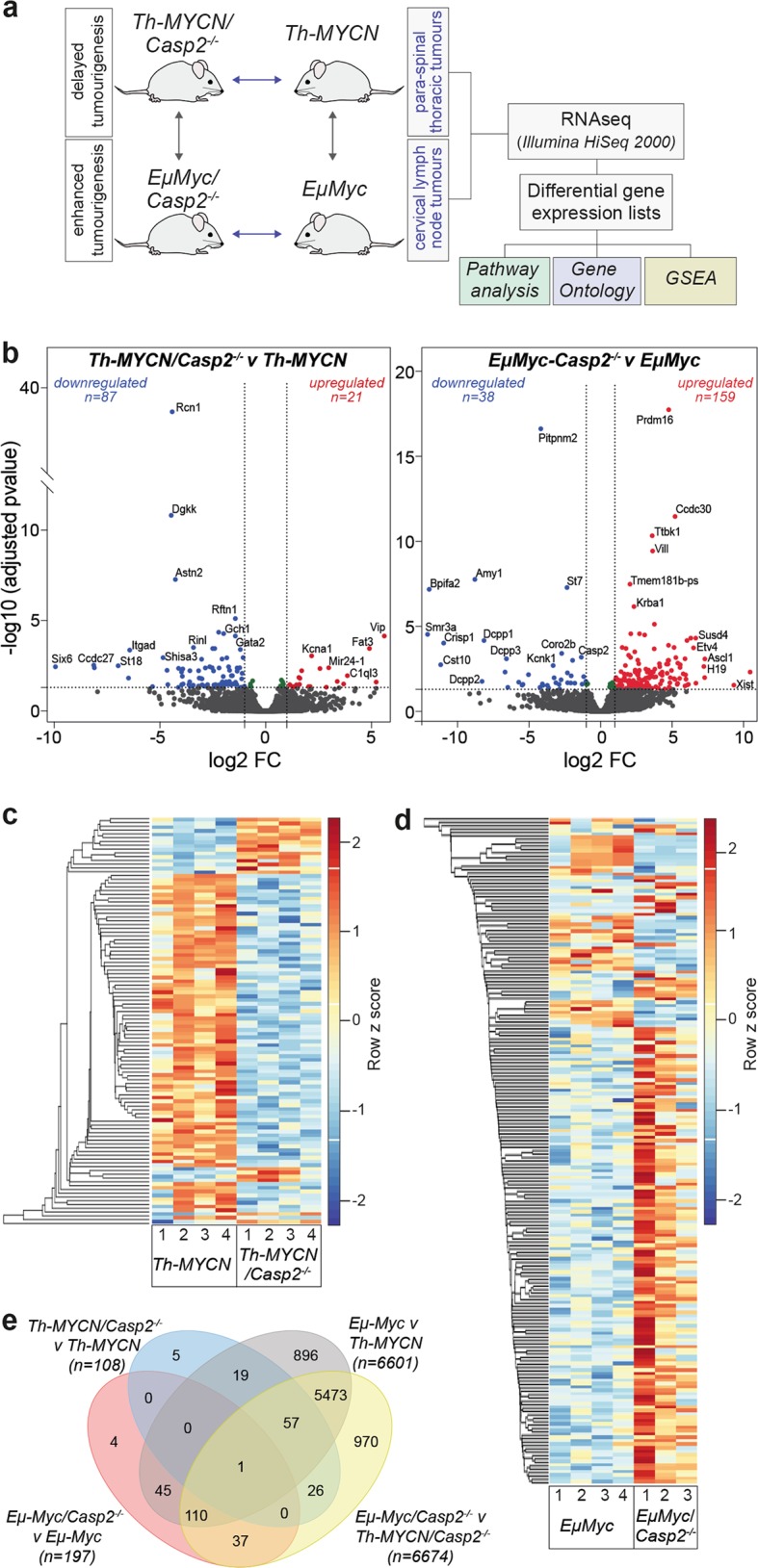
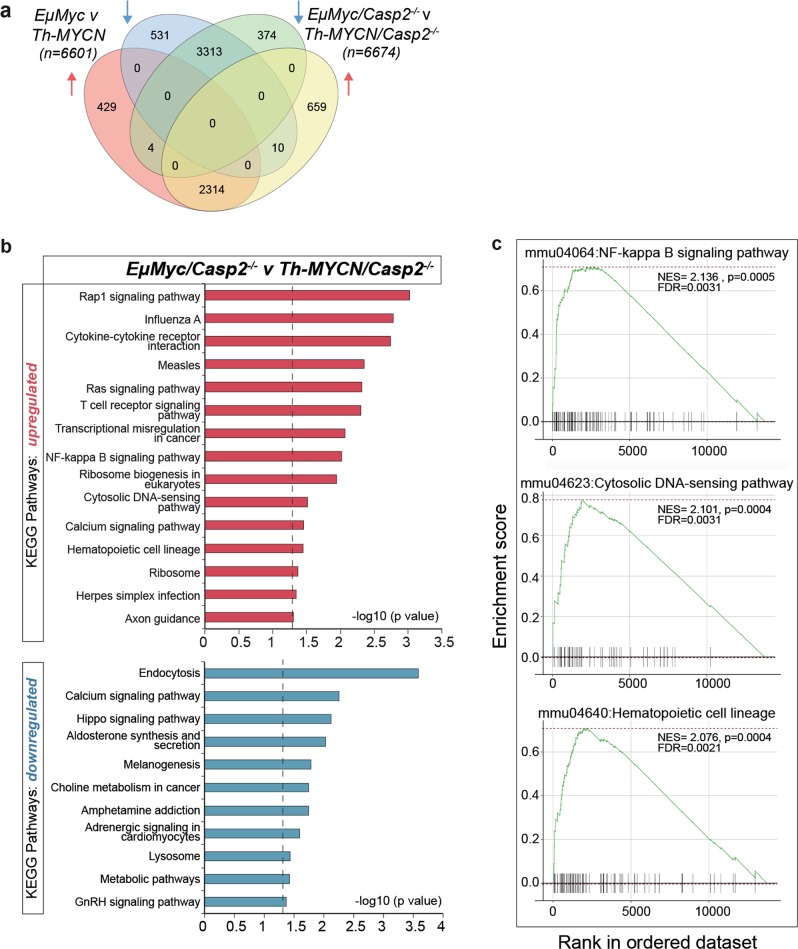
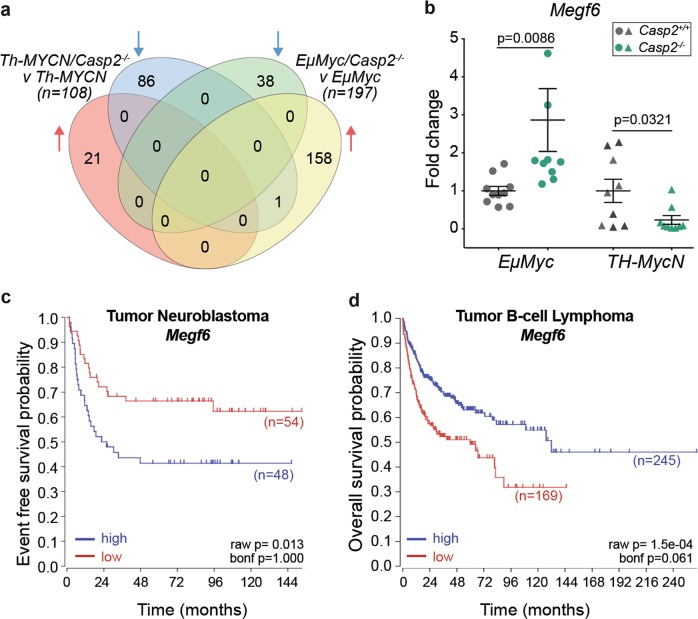
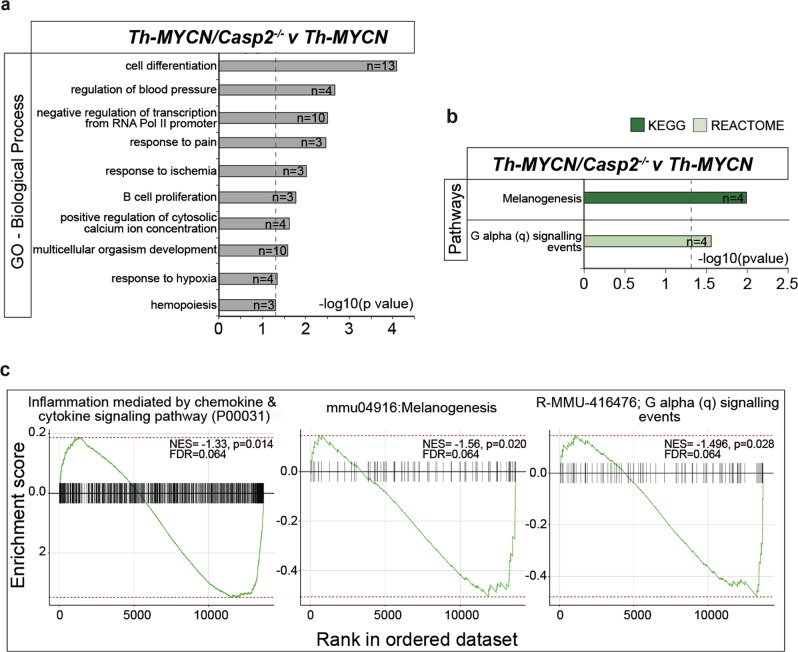
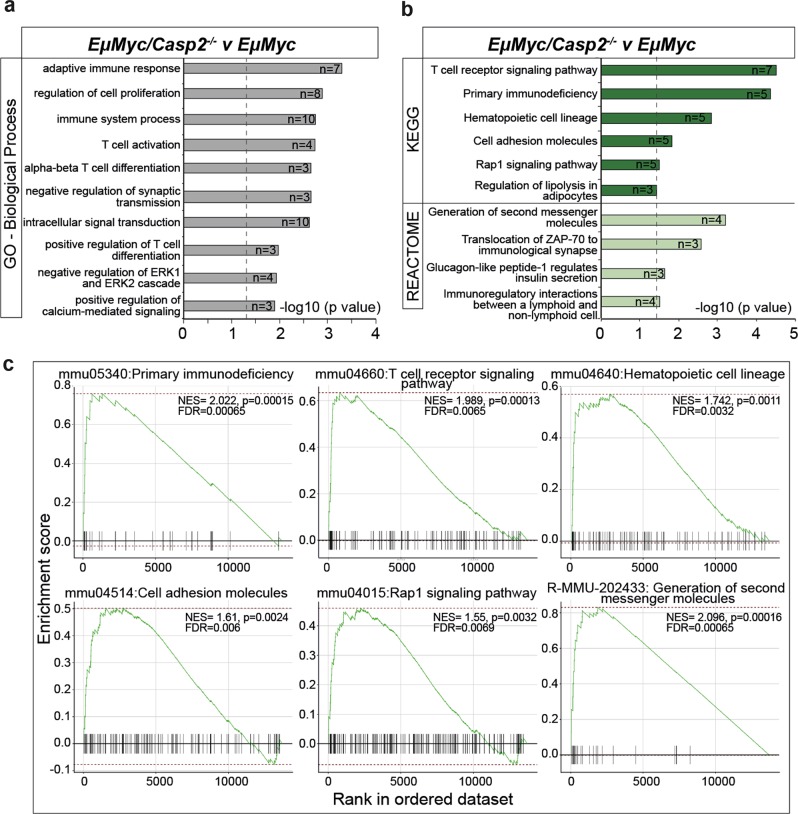
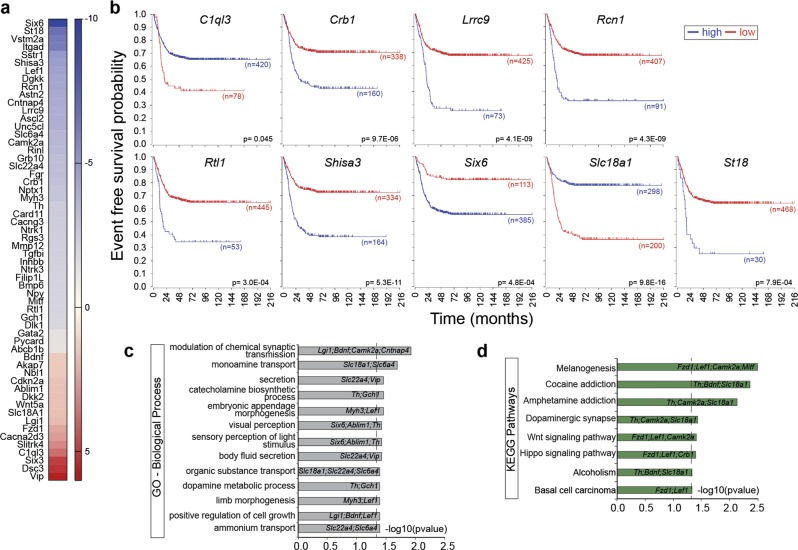
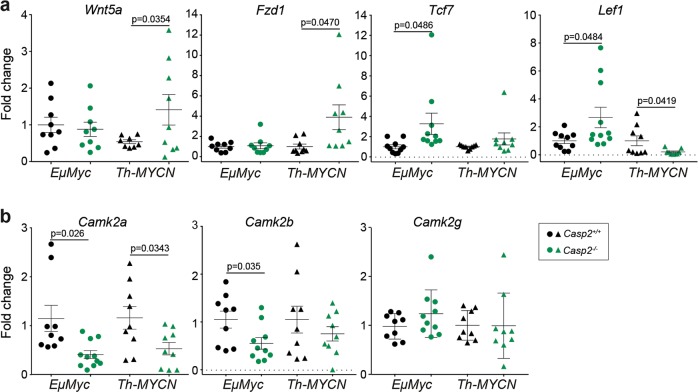
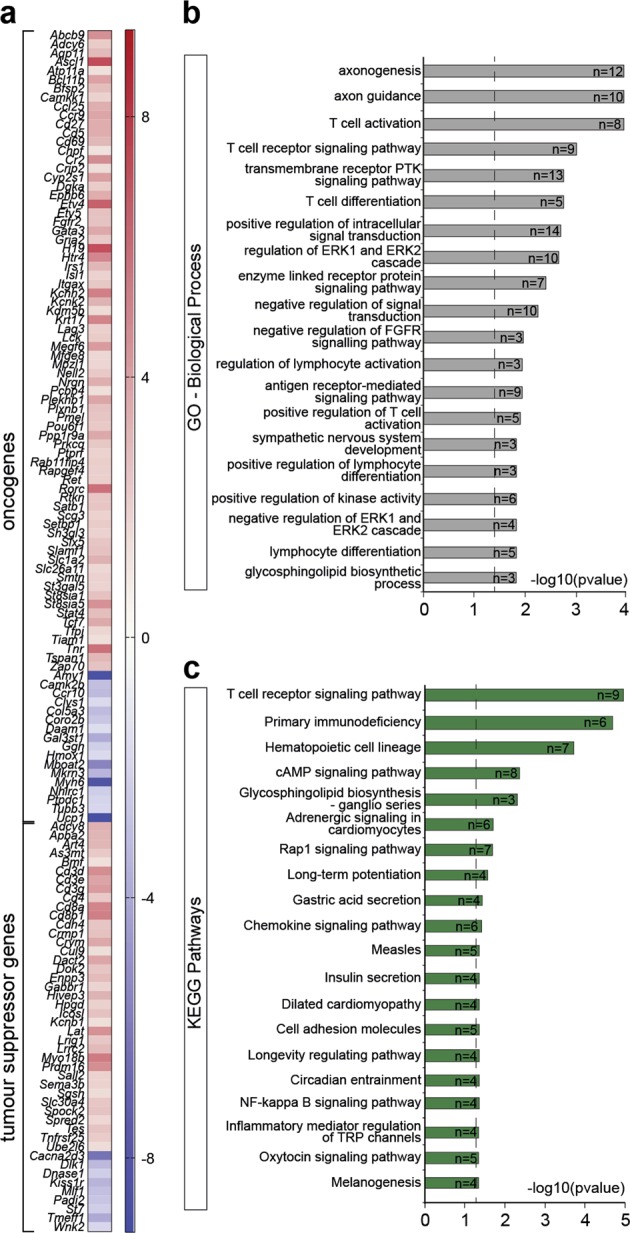
Caspase-2 is a highly conserved cysteine protease with roles in apoptosis and tumor suppression. Our recent findings have also demonstrated that the tumor suppression function of caspase-2 is context specific. In particular, while caspase-2 deficiency augments lymphoma development in the EμMyc mouse model, it leads to delayed neuroblastoma development in Th-MYCN mice. However, it is unclear how caspase-2 mediates these differential outcomes. Here we utilized RNA sequencing to define the transcriptomic changes caused by caspase-2 (Casp2) deficiency in tumors from EμMyc and Th-MYCN mice. We describe key changes in both lymphoma and neuroblastoma-associated genes and identified differential expression of the EGF-like domain-containing gene, Megf6, in the two tumor types that may contribute to tumor outcome following loss of Casp2. We identified a panel of genes with altered expression in Th-MYCN/Casp2 tumors that are strongly associated with neuroblastoma outcome, with roles in melanogenesis, Wnt and Hippo pathway signaling, that also contribute to neuronal differentiation. In contrast, we found that key changes in gene expression in the EμMyc/Casp2 tumors, are associated with increased immune signaling and T-cell infiltration previously associated with more aggressive lymphoma progression. In addition, Rap1 signaling pathway was uniquely enriched in Casp2 deficient EμMyc tumors. Our findings suggest that Casp2 deficiency augments immune signaling pathways that may be in turn, enhance lymphomagenesis. Overall, our study has identified new genes and pathways that contribute to the caspase-2 tumor suppressor function and highlight distinct roles for caspase-2 in different tissues.
半胱天冬酶-2 是一种高度保守的半胱氨酸蛋白酶,在细胞凋亡和肿瘤抑制中发挥作用。我们最近的研究结果还表明,半胱天冬酶-2 的肿瘤抑制功能具有特定的上下文依赖性。具体来说,虽然半胱天冬酶-2 缺乏会增强 EμMyc 小鼠模型中的淋巴瘤发展,但它会导致 Th-MYCN 小鼠中的神经母细胞瘤发育延迟。然而,目前尚不清楚半胱天冬酶-2 如何介导这些不同的结果。在这里,我们利用 RNA 测序来定义 Caspase-2(Casp2)缺乏对 EμMyc 和 Th-MYCN 小鼠肿瘤中引起的转录组变化。我们描述了淋巴瘤和神经母细胞瘤相关基因的关键变化,并鉴定了两种肿瘤类型中 EGF 样结构域基因 Megf6 的差异表达,这可能导致 Casp2 缺失后肿瘤结局的不同。我们确定了一组在 Th-MYCN/Casp2 肿瘤中表达改变的基因,这些基因与神经母细胞瘤的结局密切相关,在黑色素生成、Wnt 和 Hippo 通路信号转导中发挥作用,也有助于神经元分化。相比之下,我们发现 EμMyc/Casp2 肿瘤中基因表达的关键变化与先前与更具侵袭性淋巴瘤进展相关的免疫信号增强和 T 细胞浸润有关。此外,Rap1 信号通路在 Casp2 缺失的 EμMyc 肿瘤中被独特地富集。我们的研究结果表明,Casp2 缺乏增强了免疫信号通路,这可能反过来增强了淋巴瘤的发生。总的来说,我们的研究确定了新的基因和途径,这些基因和途径有助于 Casp2 肿瘤抑制功能,并突出了 Casp2 在不同组织中的不同作用。