Department of Child & Adolescent Psychiatry, Shanghai Mental Health Center, Shanghai Jiao Tong University School of Medicine, Shanghai, 200030, China.
Obstetrics and Gynecology Hospital, State Key Laboratory of Genetic Engineering at School of Life Sciences, Institute of Reproduction and Development, Fudan University, Shanghai, 200011, China.
Transl Psychiatry. 2019 Jan 22;9(1):31. doi: 10.1038/s41398-019-0369-x.
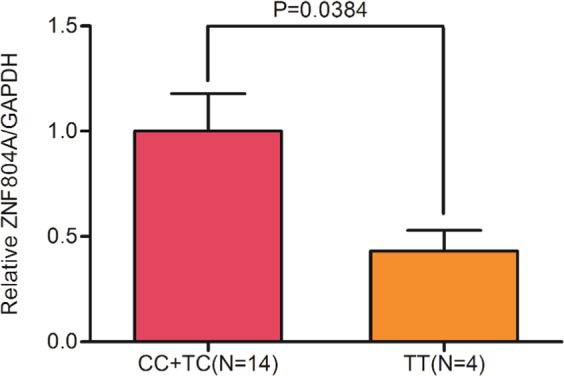
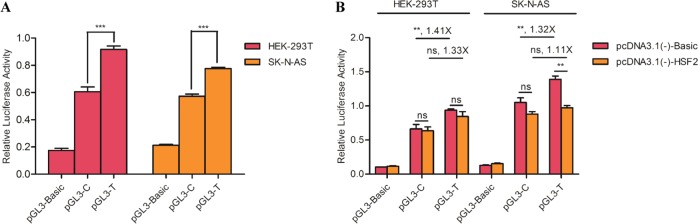
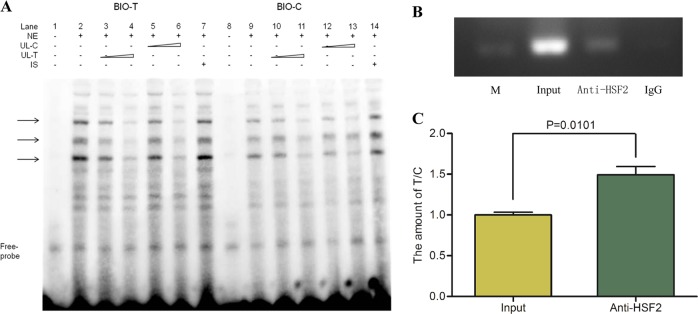
Synaptic pathology may be one of the cellular substrates underlying autism spectrum disorder (ASD). ZNF804A is a transcription factor that can affect or regulate the expression of many candidate genes involved in ASD. It also localizes at synapses and regulates neuronal and synaptic morphology. So far, few reports have addressed possible associations between ZNF804A polymorphisms and ASD. This study aimed to investigate whether ZNF804A genetic variants contribute to ASD susceptibility and its possible pathological role in the disorder. We analyzed the relationship of two polymorphisms (rs10497655 and rs34714481) in ZNF804A promoter region with ASD in 854 cases versus 926 controls. The functional analyses of rs10497655 were then performed using real-time quantitative polymerase chain reaction, electrophoretic mobility shift assays, chromatin immunoprecipitation and dual-luciferase assays. The variant rs10497655 was significantly associated with ASD (P = 0.007851), which had a significant effect on ZNF804A expression, with the T risk allele homozygotes related with reduced ZNF804A expression in human fetal brains. HSF2 acted as a suppressor by down-regulating ZNF804A expression and had a stronger binding affinity for the T allele of rs10497655 than for the C allele. This was the first experiment to elucidate the process in which a disease-associated SNP affects the level of ZNF804A expression by binding with the upstream regulation factor HSF2. This result indicates that the rs10497655 allelic expression difference of ZNF804A during the critical period of brain development may have an effect on postnatal phenotypes of ASD. It reveals new roles of ZNF804A polymorphisms in the pathogenesis of psychiatric disorders.
突触病理学可能是自闭症谱系障碍(ASD)的细胞基础之一。ZNF804A 是一种转录因子,可以影响或调节许多涉及 ASD 的候选基因的表达。它也定位于突触,调节神经元和突触形态。到目前为止,很少有报道涉及 ZNF804A 多态性与 ASD 之间的可能关联。本研究旨在探讨 ZNF804A 遗传变异是否导致 ASD 易感性及其在该疾病中的可能病理作用。我们分析了 ZNF804A 启动子区域的两个多态性(rs10497655 和 rs34714481)与 854 例病例与 926 例对照之间的关系。然后使用实时定量聚合酶链反应、电泳迁移率变动分析、染色质免疫沉淀和双荧光素酶测定对 rs10497655 的功能进行了分析。变体 rs10497655 与 ASD 显著相关(P = 0.007851),对 ZNF804A 表达有显著影响,T 风险等位基因纯合子与人类胎儿大脑中 ZNF804A 表达降低有关。HSF2 通过下调 ZNF804A 表达作为抑制剂起作用,并且对 rs10497655 的 T 等位基因的结合亲和力强于对 C 等位基因的结合亲和力。这是第一个阐明疾病相关 SNP 通过与上游调节因子 HSF2 结合来影响 ZNF804A 表达水平的过程的实验。该结果表明,在大脑发育的关键时期,ZNF804A 的 rs10497655 等位基因表达差异可能对 ASD 的产后表型有影响。它揭示了 ZNF804A 多态性在精神疾病发病机制中的新作用。