Children's Cancer Institute, Lowy Cancer Research Centre, UNSW, Randwick, NSW, Australia.
Mitochondrial Bioenergetics Laboratory, School of Medical Sciences, UNSW, Randwick, NSW, Australia.
Oncogene. 2019 May;38(20):3824-3842. doi: 10.1038/s41388-018-0666-5. Epub 2019 Jan 22.
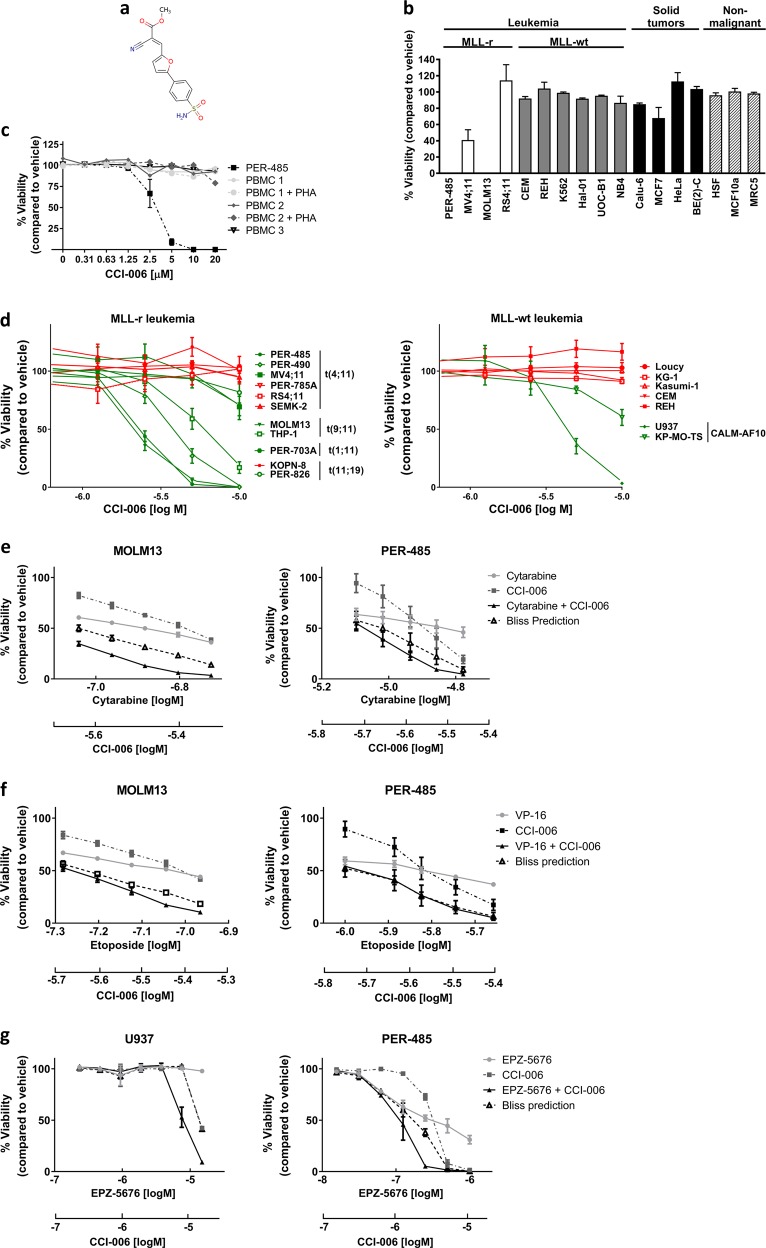
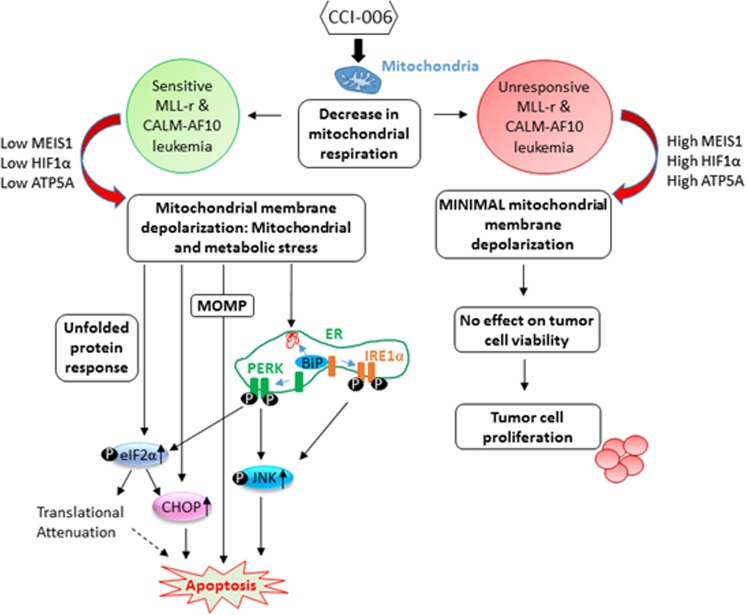
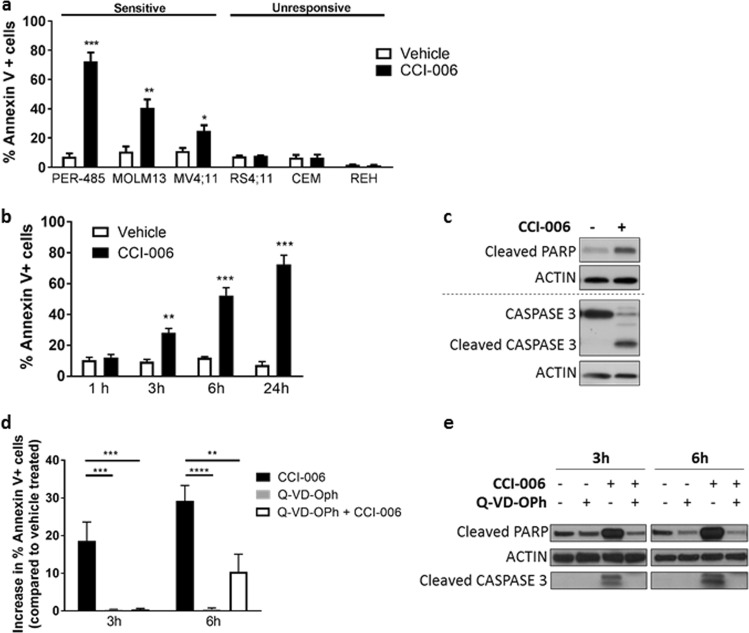
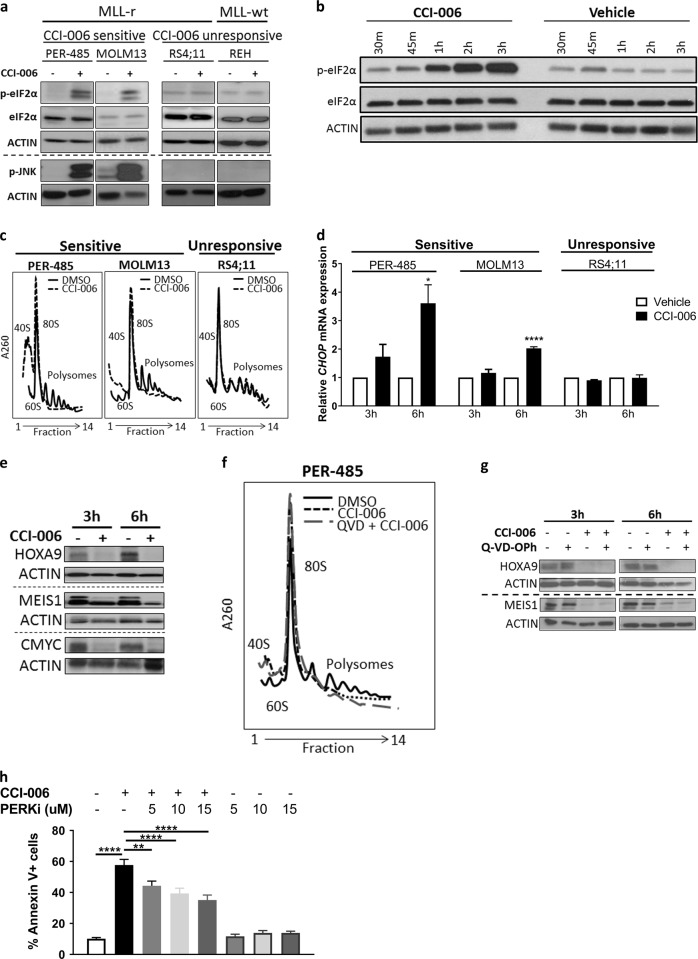
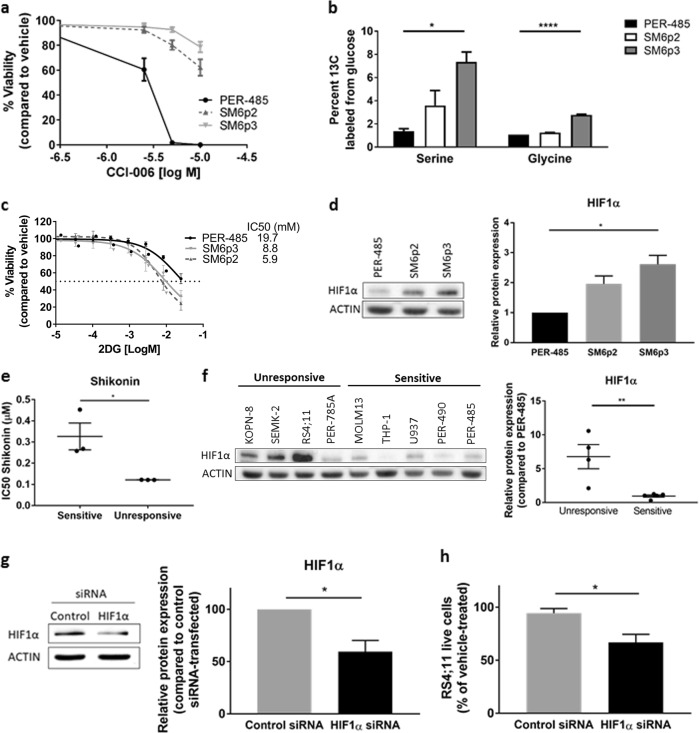
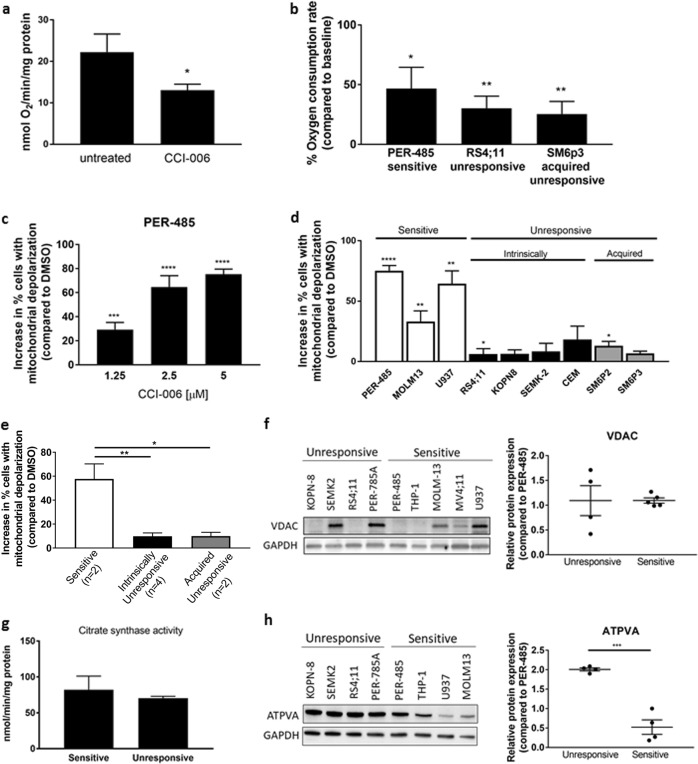
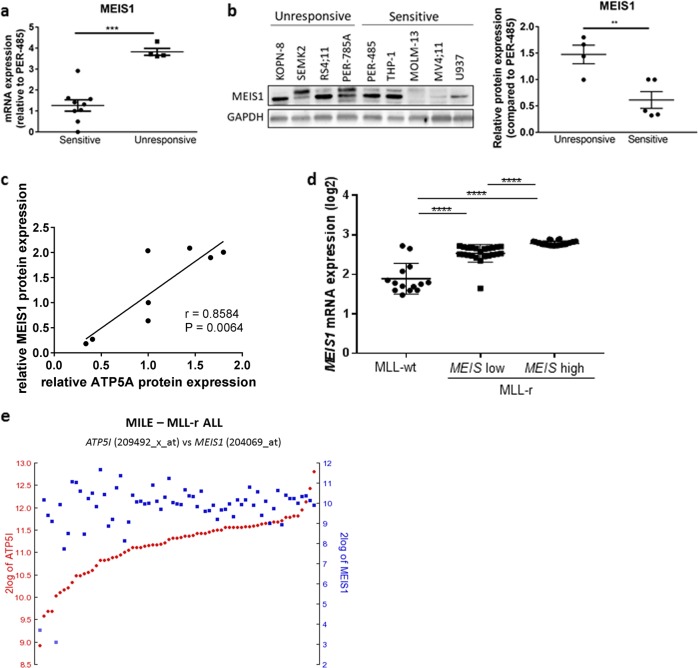
Survival rates for pediatric patients suffering from mixed lineage leukemia (MLL)-rearranged leukemia remain below 50% and more targeted, less toxic therapies are urgently needed. A screening method optimized to discover cytotoxic compounds selective for MLL-rearranged leukemia identified CCI-006 as a novel inhibitor of MLL-rearranged and CALM-AF10 translocated leukemias that share common leukemogenic pathways. CCI-006 inhibited mitochondrial respiration and induced mitochondrial membrane depolarization and apoptosis in a subset (7/11, 64%) of MLL-rearranged leukemia cell lines within a few hours of treatment. The unresponsive MLL-rearranged leukemia cells did not undergo mitochondrial membrane depolarization or apoptosis despite a similar attenuation of mitochondrial respiration by the compound. In comparison to the sensitive cells, the unresponsive MLL-rearranged leukemia cells were characterized by a more glycolytic metabolic phenotype, exemplified by a more pronounced sensitivity to glycolysis inhibitors and elevated HIF1α expression. Silencing of HIF1α expression sensitized an intrinsically unresponsive MLL-rearranged leukemia cell to CCI-006, indicating that this pathway plays a role in determining sensitivity to the compound. In addition, unresponsive MLL-rearranged leukemia cells expressed increased levels of MEIS1, an important leukemogenic MLL target gene that plays a role in regulating metabolic phenotype through HIF1α. MEIS1 expression was also variable in a pediatric MLL-rearranged ALL patient dataset, highlighting the existence of a previously undescribed metabolic variability in MLL-rearranged leukemia that may contribute to the heterogeneity of the disease. This study thus identified a novel small molecule that rapidly kills MLL-rearranged leukemia cells by targeting a metabolic vulnerability in a subset of low HIF1α/low MEIS1-expressing MLL-rearranged leukemia cells.
患有混合谱系白血病(MLL)重排白血病的儿科患者的存活率仍低于 50%,因此迫切需要更具针对性且毒性更小的治疗方法。一种优化的筛选方法,用于发现对 MLL 重排白血病具有细胞毒性的化合物,发现 CCI-006 是一种新型的 MLL 重排和 CALM-AF10 易位白血病的抑制剂,这些白血病具有共同的致癌途径。CCI-006 在数小时的治疗后,抑制了一组(7/11,64%)MLL 重排白血病细胞系的线粒体呼吸,并诱导线粒体膜去极化和凋亡。尽管该化合物相似地抑制了线粒体呼吸,但无反应的 MLL 重排白血病细胞并未发生线粒体膜去极化或凋亡。与敏感细胞相比,无反应的 MLL 重排白血病细胞具有更明显的糖酵解代谢表型,其特征是对糖酵解抑制剂更敏感和 HIF1α 表达升高。沉默 HIF1α 表达使内在无反应的 MLL 重排白血病细胞对 CCI-006 敏感,表明该途径在决定对该化合物的敏感性方面发挥作用。此外,无反应的 MLL 重排白血病细胞表达更高水平的 MEIS1,MEIS1 是一个重要的白血病发生的 MLL 靶基因,通过 HIF1α 发挥调节代谢表型的作用。在儿科 MLL 重排 ALL 患者数据集,无反应的 MLL 重排白血病细胞也表达增加的 MEIS1 水平,突出了 MLL 重排白血病中以前未描述的代谢变异性,这可能导致该疾病的异质性。因此,这项研究鉴定了一种新型的小分子,通过靶向低 HIF1α/低 MEIS1 表达的 MLL 重排白血病细胞中的代谢脆弱性,迅速杀死 MLL 重排白血病细胞。