Li Shu-Fen, Guo Yu-Jiao, Li Jia-Rong, Zhang Dong-Xu, Wang Bing-Xiao, Li Ning, Deng Chuan-Liang, Gao Wu-Jun
1College of Life Sciences, Henan Normal University, Xinxiang, 453007 China.
2College of Life Science, Shanxi Datong University, Datong, 037009 China.
Mob DNA. 2019 Jan 18;10:3. doi: 10.1186/s13100-019-0147-6. eCollection 2019.
Repetitive sequences, including transposable elements (TEs) and satellite DNAs, occupy a considerable portion of plant genomes. Analysis of the repeat fraction benefits the understanding of genome structure and evolution. Spinach ( L.), an important vegetable crop, is also a model dioecious plant species for studying sex determination and sex chromosome evolution. However, the repetitive sequences of the spinach genome have not been fully investigated.
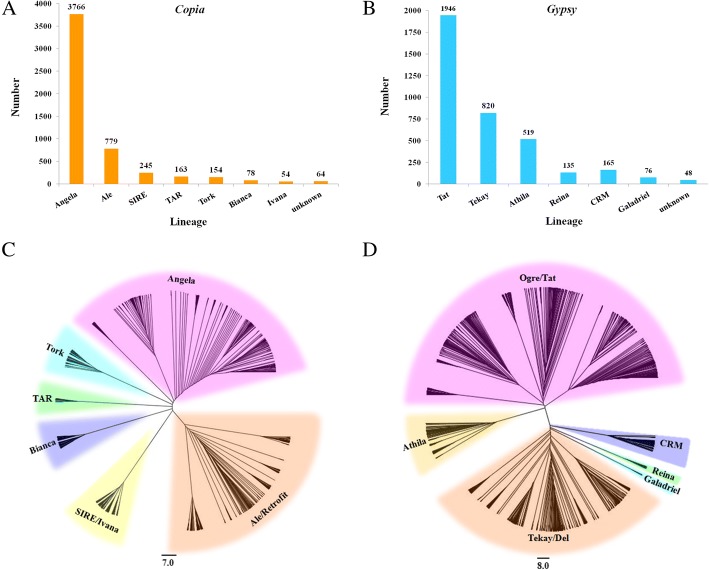
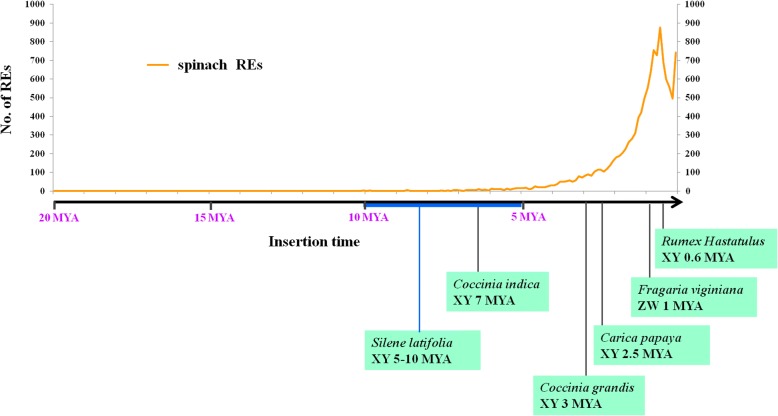
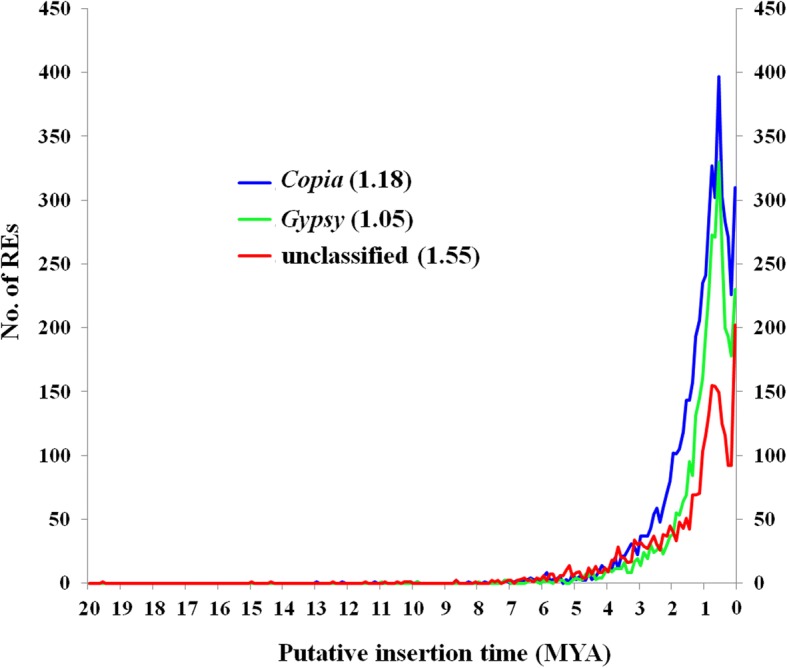
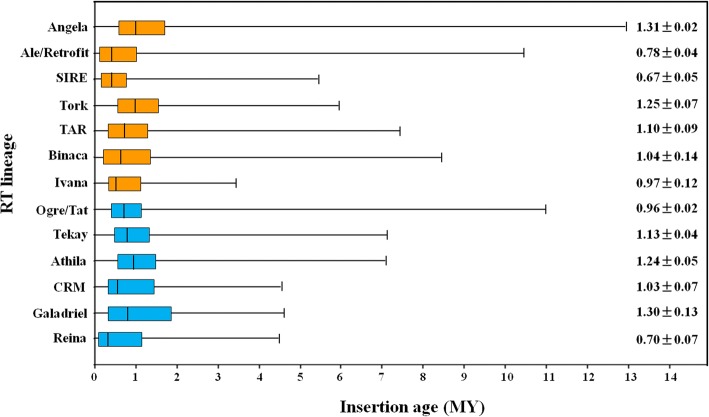
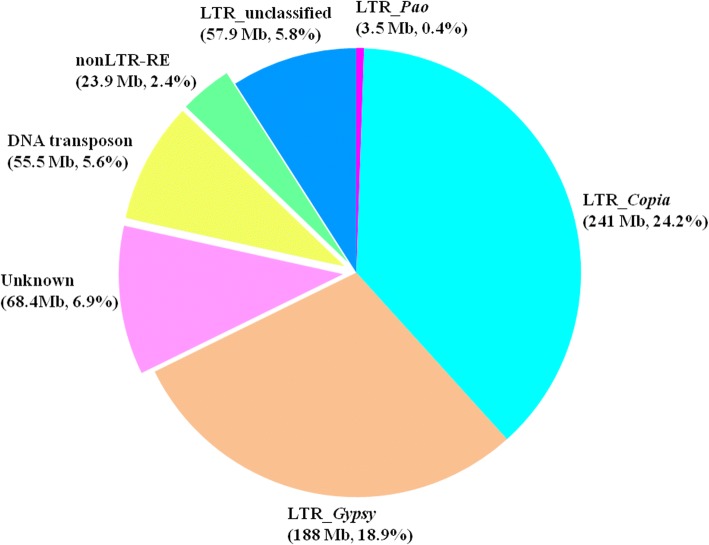
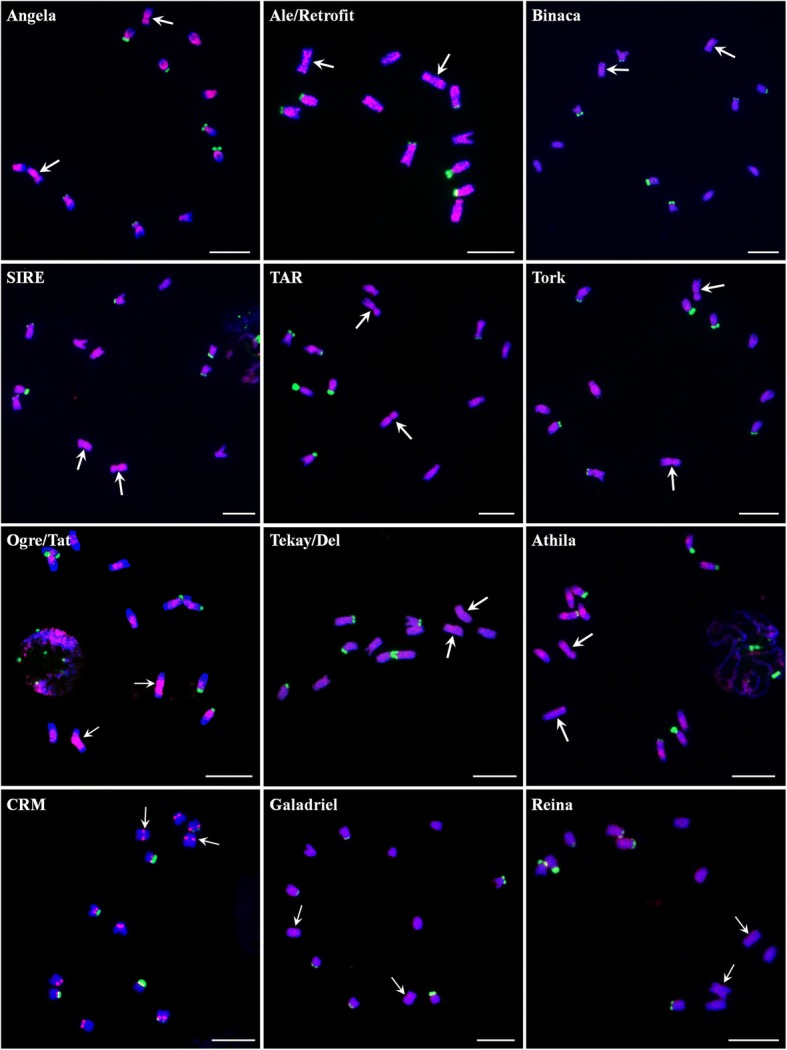
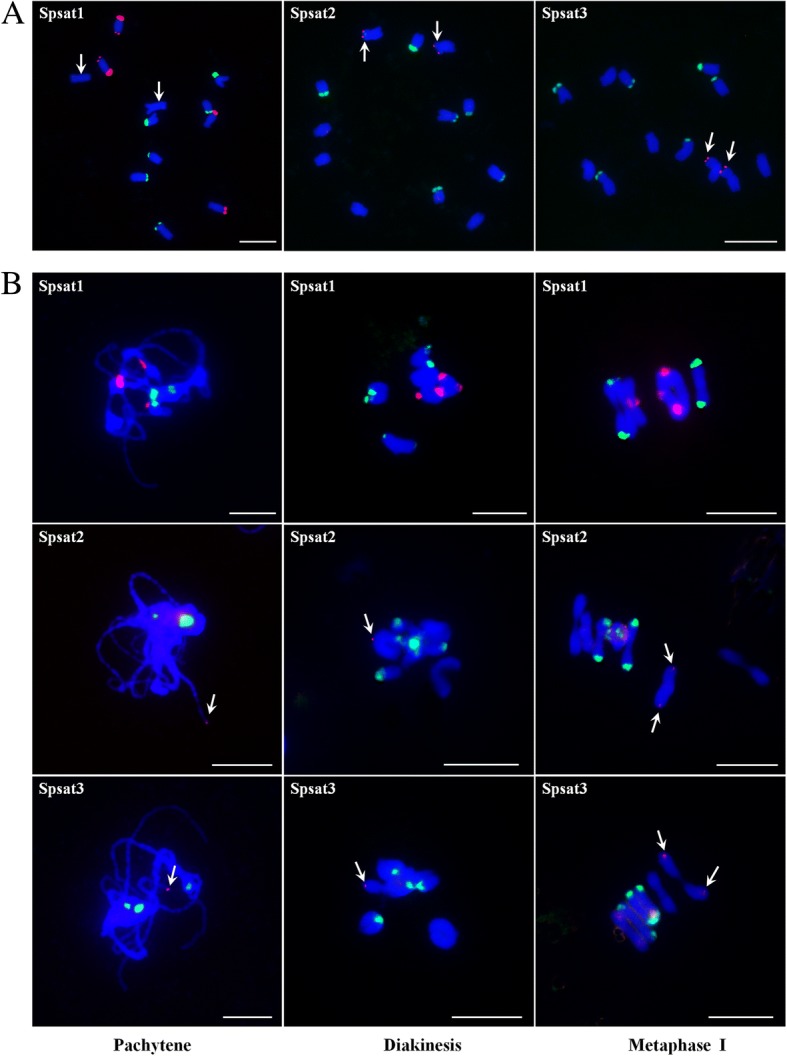
We extensively analyzed the repetitive components of draft spinach genome, especially TEs and satellites, by different strategies. A total of 16,002 full-length TEs were identified. Among the most abundant long terminal repeat (LTR) retrotransposons (REs), elements were overrepresented compared with ones. Angela was the most dominating lineage; Ogre/Tat was the most abundant lineage. The mean insertion age of LTR-REs was 1.42 million years; approximately 83.7% of these elements were retrotransposed during the last two million years. RepeatMasker totally masked about 64.05% of the spinach genome, with LTR-REs, non-LTR-REs, and DNA transposons occupying 49.2, 2.4, and 5.6%, respectively. Fluorescence in situ hybridization (FISH) analysis showed that most LTR-REs dispersed all over the chromosomes, by contrast, elements of CRM lineage were distributed at the centromeric region of all chromosomes. In addition, Ogre/Tat lineage mainly accumulated on sex chromosomes, and satellites Spsat2 and Spsat3 were exclusively located at the telomeric region of the short arm of sex chromosomes.
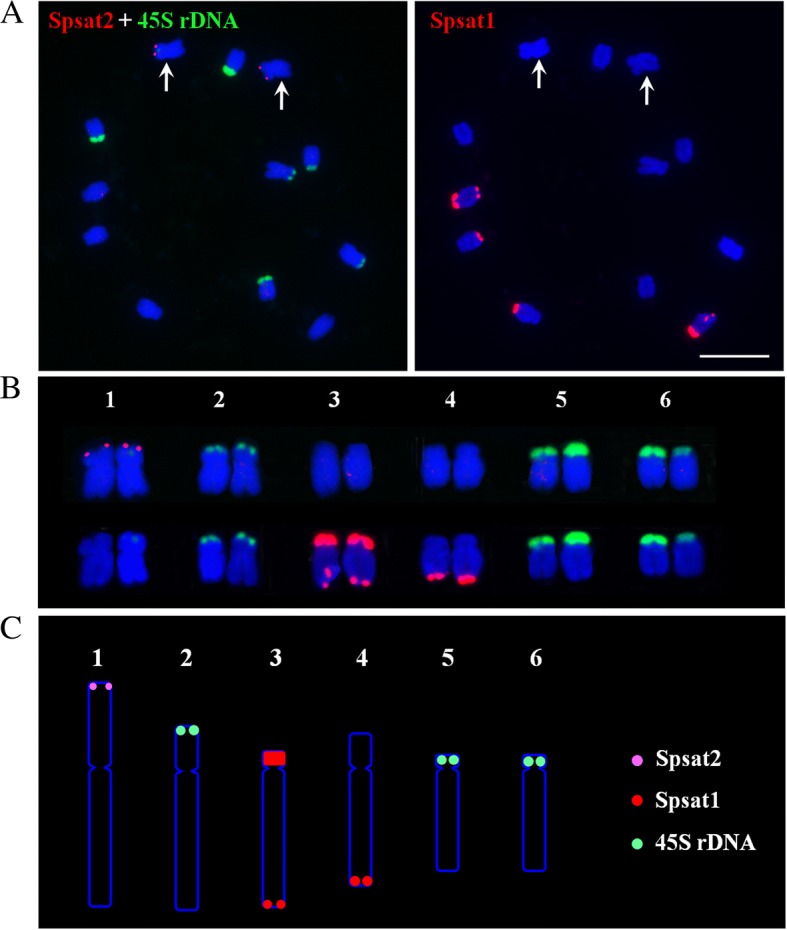
We reliably annotated the TE fraction of the draft genome of spinach. FISH analysis indicates that Ogre/Tat lineage and the sex chromosome-specific satellites DNAs might participate in sex chromosome formation and evolution. Based on FISH signals of microsatellites, together with 45S rDNA, a fine karyotype of spinach was established. This study improves our knowledge of repetitive sequence organization in spinach genome and aids in accurate spinach karyotype construction.
包括转座元件(TEs)和卫星DNA在内的重复序列占据了植物基因组的相当一部分。对重复序列部分的分析有助于理解基因组结构和进化。菠菜(L.)是一种重要的蔬菜作物,也是研究性别决定和性染色体进化的雌雄异株模式植物物种。然而,菠菜基因组的重复序列尚未得到充分研究。
我们通过不同策略广泛分析了菠菜基因组草图的重复成分,尤其是TEs和卫星序列。共鉴定出16,002个全长TEs。在最丰富的长末端重复(LTR)逆转录转座子(REs)中,与 元件相比, 元件的数量过多。安吉拉是最主要的 谱系;奥格雷/塔特是最丰富的 谱系。LTR-REs的平均插入年龄为142万年;这些元件中约83.7%是在过去200万年中逆转录转座的。RepeatMasker总共掩盖了菠菜基因组的约64.05%,其中LTR-REs、非LTR-REs和DNA转座子分别占49.2%、2.4%和5.6%。荧光原位杂交(FISH)分析表明,大多数LTR-REs分散在所有染色体上,相比之下,CRM谱系的元件分布在所有染色体的着丝粒区域。此外,奥格雷/塔特谱系主要聚集在性染色体上,卫星Spsat2和Spsat3仅位于性染色体短臂的端粒区域。
我们可靠地注释了菠菜基因组草图中的TE部分。FISH分析表明,奥格雷/塔特谱系和性染色体特异性卫星DNA可能参与了性染色体的形成和进化。基于微卫星的FISH信号,结合45S rDNA,建立了菠菜的精细核型。这项研究提高了我们对菠菜基因组中重复序列组织的认识,并有助于准确构建菠菜核型。