Shi Jun-Wen, Zhang Ting-Ting, Liu Wei, Yang Jie, Lin Xiao-Lin, Jia Jun-Shuang, Shen Hong-Fen, Wang Sheng-Chun, Li Jing, Zhao Wen-Tao, Gu Wei-Wang, Sun Yan, Xiao Dong
1Guangdong Provincial Key Laboratory of Cancer Immunotherapy Research and Guangzhou Key Laboratory of Tumor Immunology Research, Cancer Research Institute, Southern Medical University, Guangzhou, 510515 China.
2Institute of Comparative Medicine & Laboratory Animal Center, Southern Medical University, Guangzhou, 510515 China.
Cell Death Discov. 2019 Jan 18;5:55. doi: 10.1038/s41420-018-0136-4. eCollection 2019.
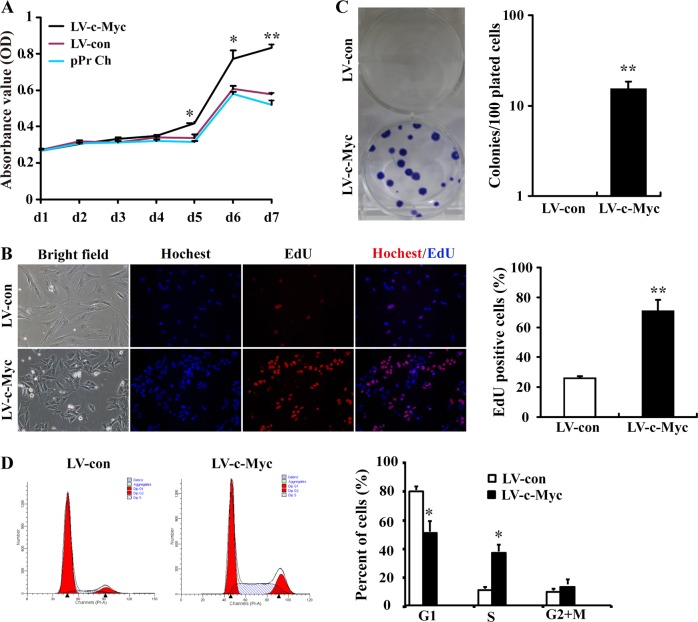
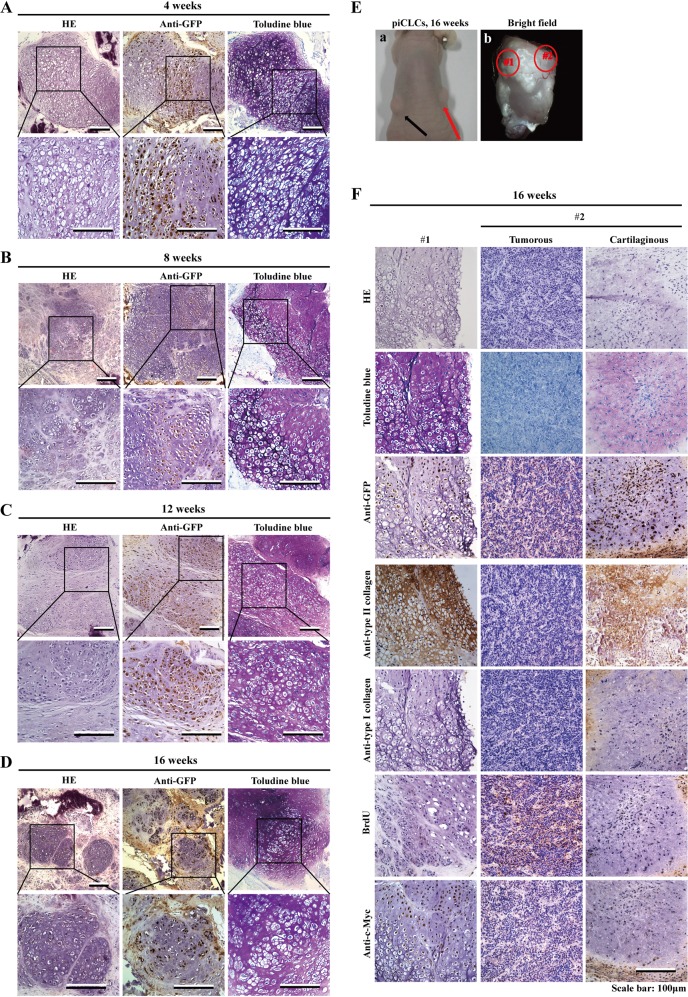
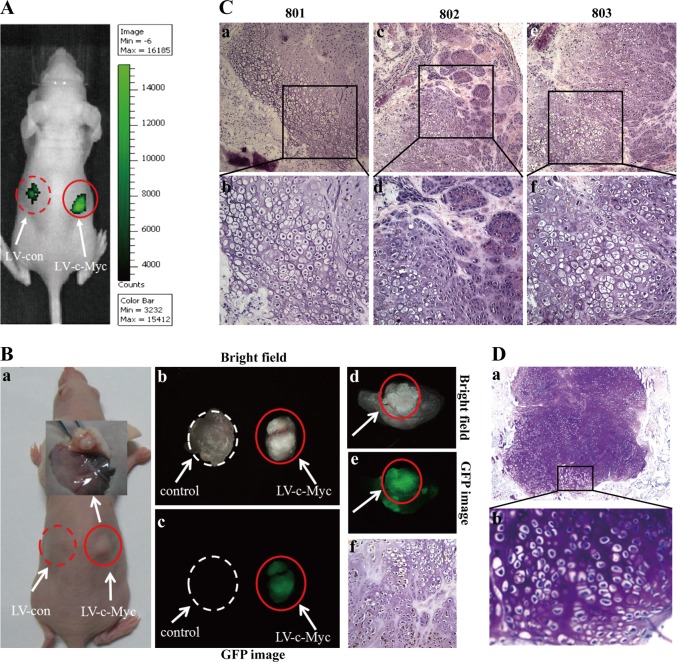
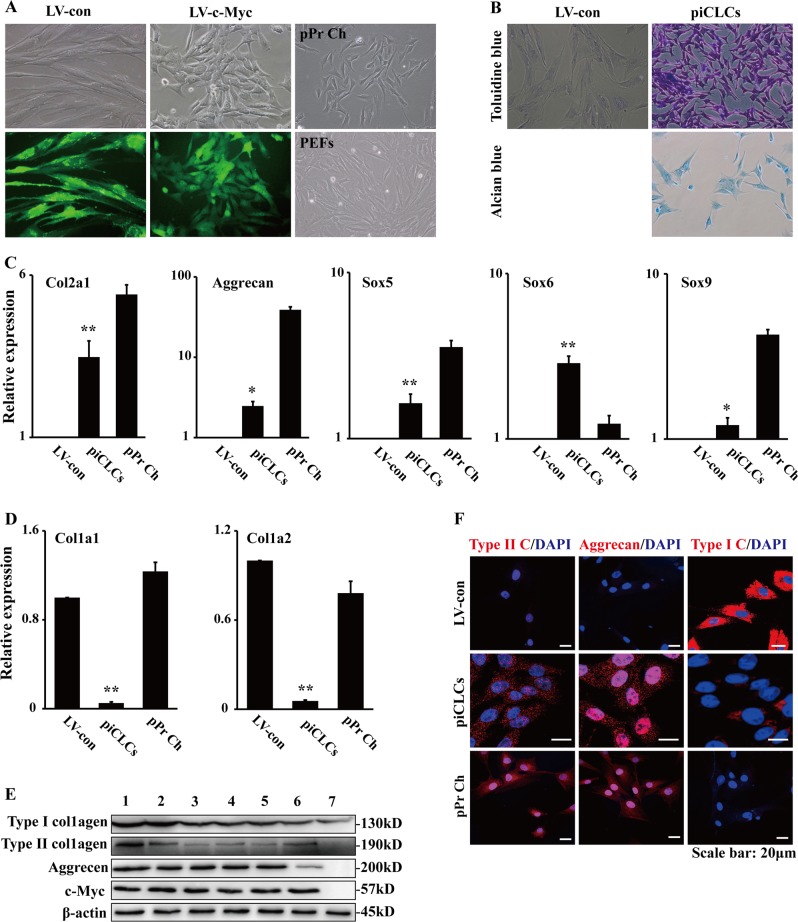
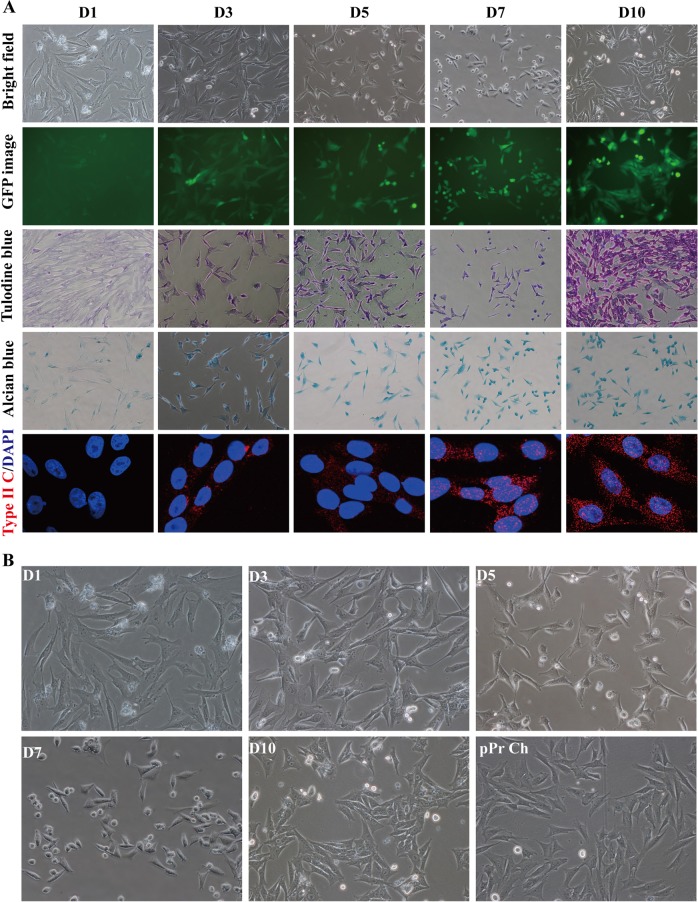
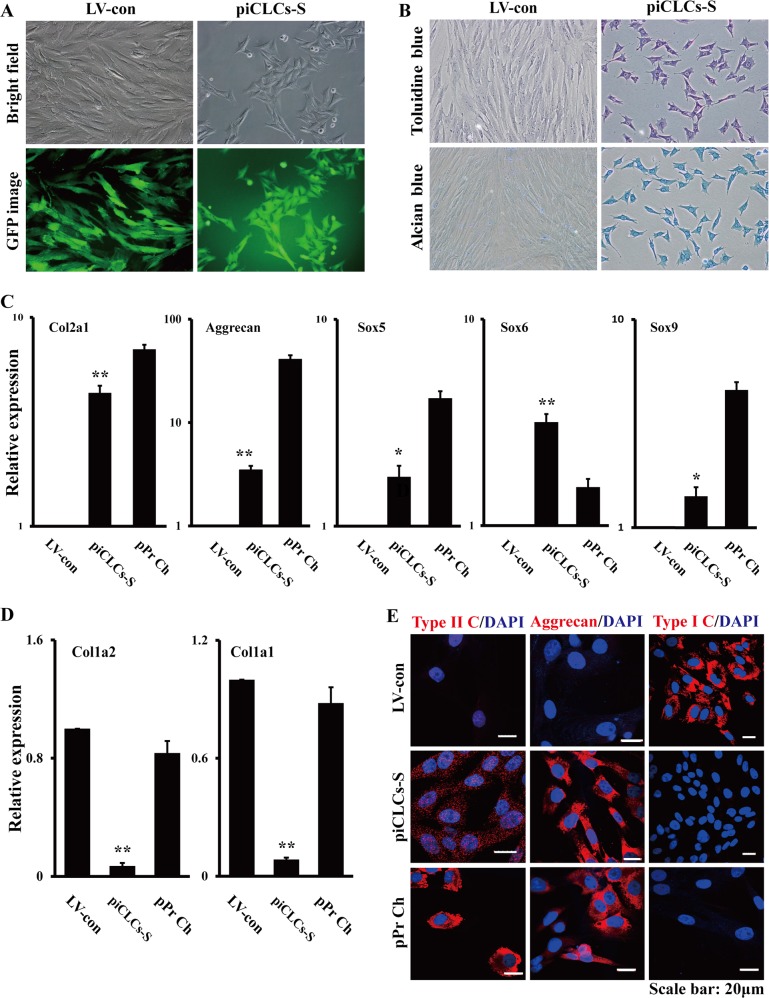
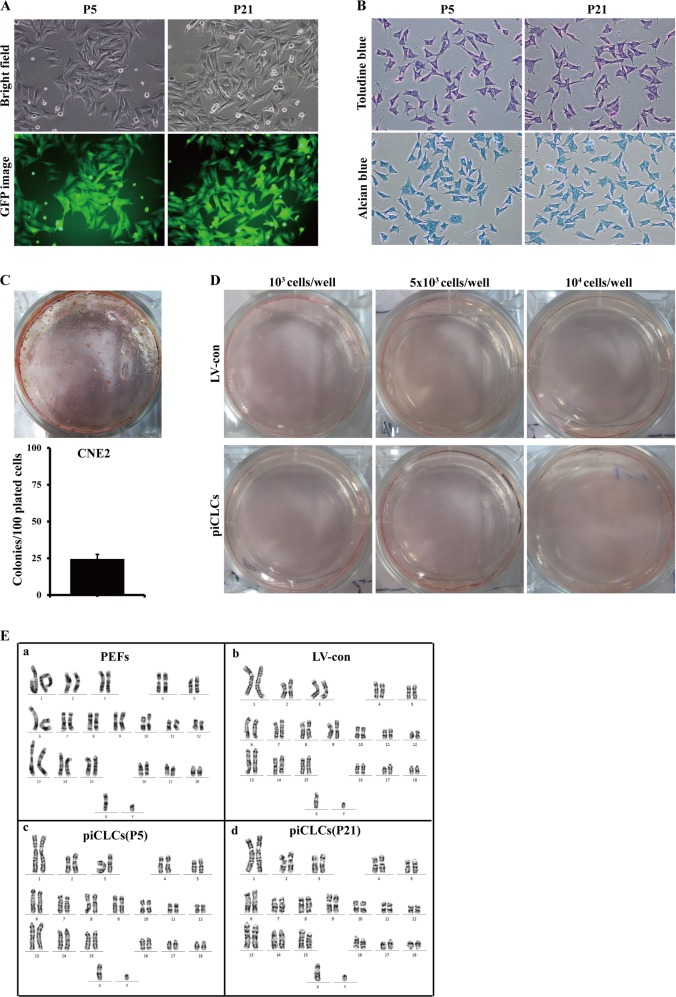
Unexpectedly, we found that c-Myc-expressing porcine embryonic fibroblasts (PEFs) subcutaneously implanted into nude mice formed cartilage-like tissues in vivo, while previous studies revealed the direct conversion of mouse and human somatic cells into chondrocytes by the combined use of several defined factors, including c-Myc, which prompted us to explore whether PEFs can be reprogrammed to become pig induced chondrocyte-like cells (piCLCs) via ectopic expression of c-Myc alone. In this study, c-Myc-expressing PEFs, designated piCLCs, which exhibited a significantly enhanced proliferation ability in vitro, displayed a chondrogenic phenotypes in vitro, as shown by the cell morphology, toluidine blue staining, alcian blue staining and chondrocyte marker gene expression. Additionally, piCLCs with a polygonal chondrocyte-like morphology were readily and efficiently converted from PEFs by enforced c-Myc expression within 10 days, while piCLCs maintained the chondrocytic phenotype and normal karyotype during long-term subculture. piCLC-derived single clones with a chondrogenic phenotype in vitro exhibited homogeneity in cell morphology and staining intensity compared with mixed piCLCs. Although the mixtures of cartilaginous tissues and tumorous tissues accounted for ~12% (6/51) of all xenografts (51), piCLCs generated stable, homogenous, hyaline cartilage-like tissues without tumour formation at 45 out of the 51 injected sites when subcutaneously injected into nude mice. The hyaline cartilage-like tissues remained for at least 16 weeks. Taken together, these findings demonstrate for the first time the direct induction of chondrocyte-like cells from PEFs with only c-Myc.
出乎意料的是,我们发现皮下植入裸鼠的表达c-Myc的猪胚胎成纤维细胞(PEFs)在体内形成了软骨样组织,而先前的研究表明,通过联合使用包括c-Myc在内的几种特定因子可将小鼠和人类体细胞直接转化为软骨细胞,这促使我们探究PEFs是否可以仅通过异位表达c-Myc就被重编程为猪诱导软骨样细胞(piCLCs)。在本研究中,表达c-Myc的PEFs被命名为piCLCs,其在体外表现出显著增强的增殖能力,并在体外呈现软骨生成表型,这通过细胞形态、甲苯胺蓝染色、阿尔辛蓝染色和软骨细胞标记基因表达得以体现。此外,通过在10天内强制表达c-Myc,具有多边形软骨样细胞形态的piCLCs能够轻松且高效地从PEFs转化而来,而piCLCs在长期传代培养过程中保持软骨细胞表型和正常核型。与混合的piCLCs相比,体外具有软骨生成表型的piCLC衍生单克隆在细胞形态和染色强度上表现出均一性。尽管软骨组织和肿瘤组织的混合物在所有异种移植(51个)中占比约为12%(6/51),但当皮下注射到裸鼠体内时,在51个注射部位中的45个部位,piCLCs生成了稳定、均一的透明软骨样组织且无肿瘤形成。这些透明软骨样组织至少保留了16周。综上所述,这些发现首次证明仅用c-Myc就能直接将PEFs诱导为软骨样细胞。