Central laboratory of Radiology, Affiliated Hospital of Jiangsu University, Zhenjiang 212001, China.
Central laboratory of Radiology, Affiliated Hospital of Jiangsu University, Zhenjiang 212001, China; School of Pharmaceutical Sciences (Shenzhen), SYSU, 510006, China; Faculty of Science and Engineering, Åbo Akademi University and Turku Centre for Biotechnology, Turku FI-20520, Finland.
EBioMedicine. 2019 Feb;40:135-150. doi: 10.1016/j.ebiom.2018.12.016. Epub 2019 Jan 22.
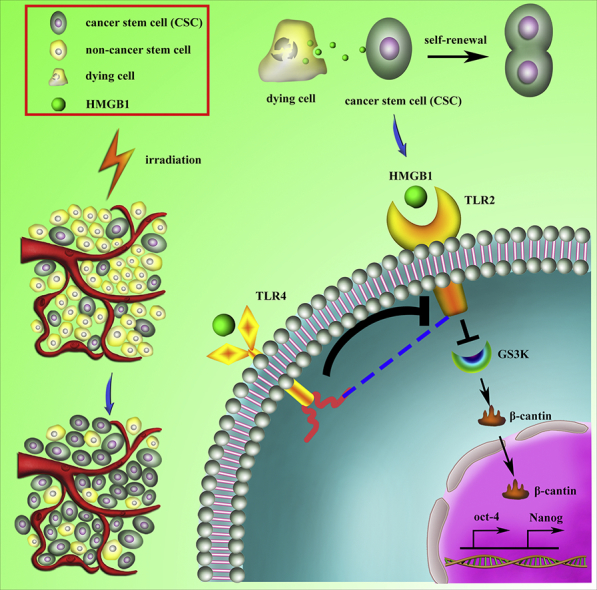
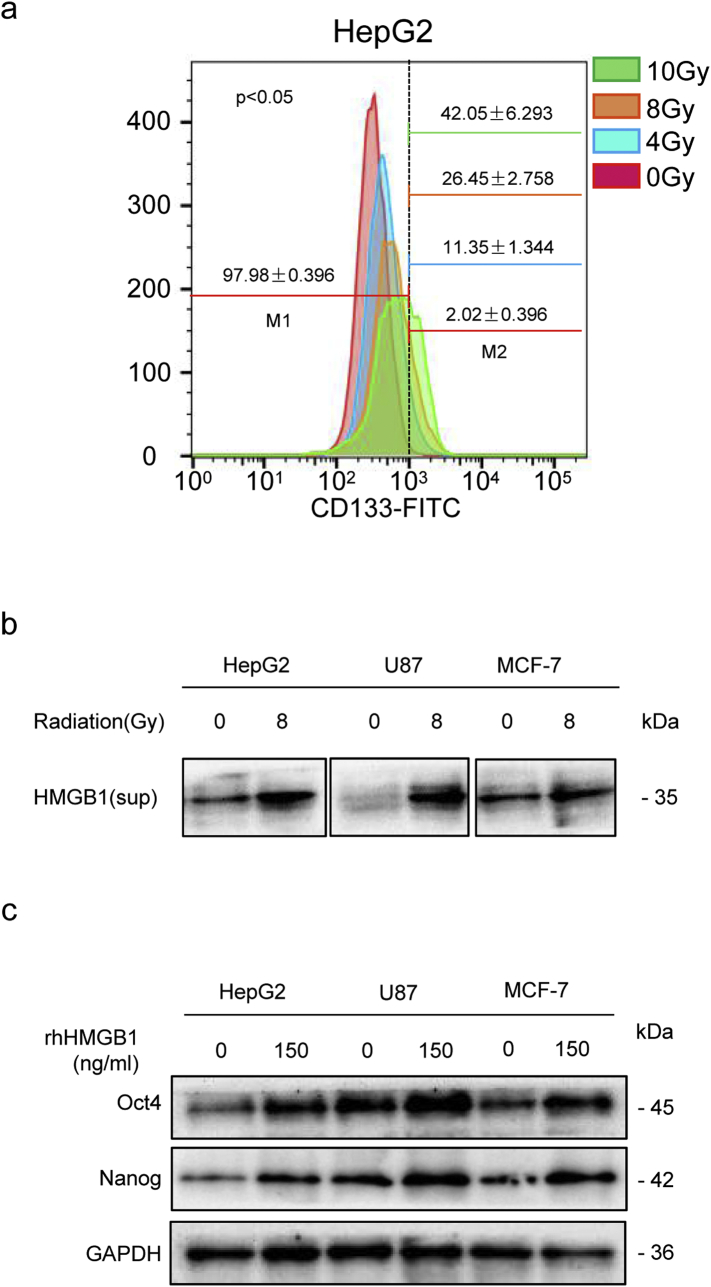
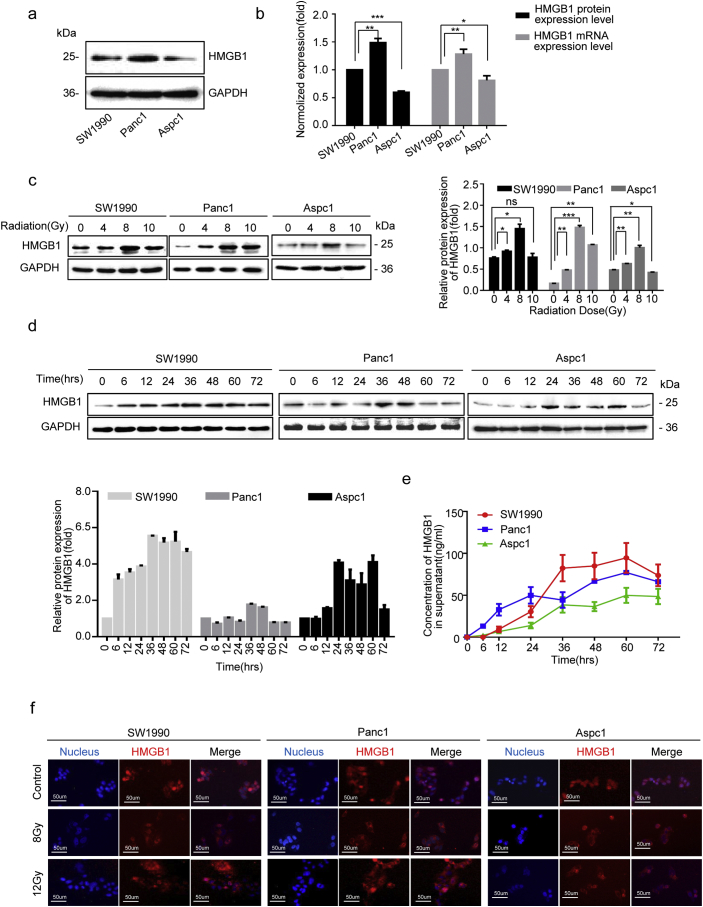
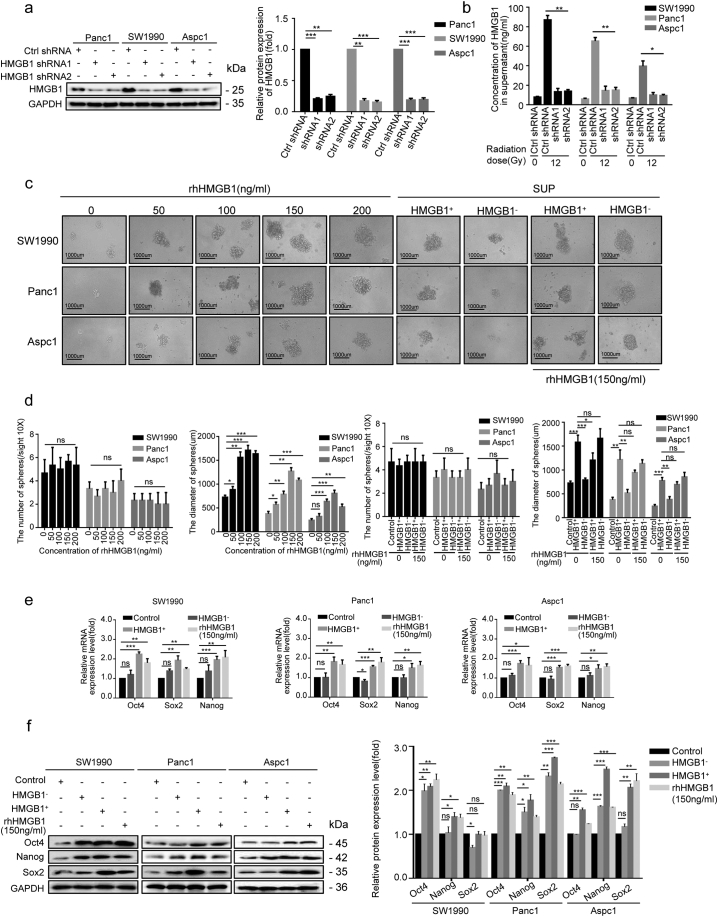
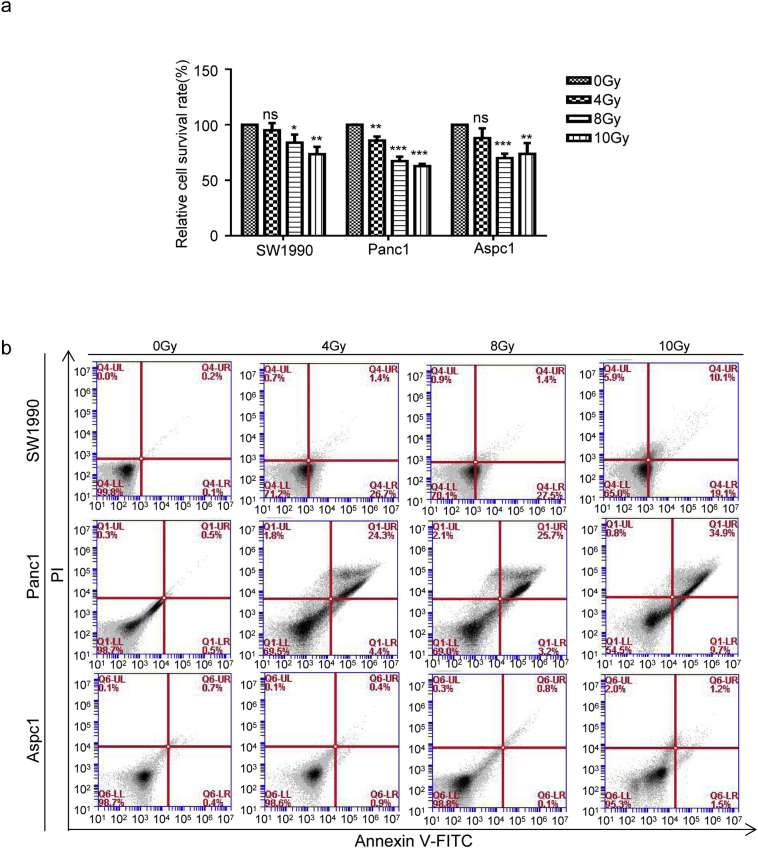
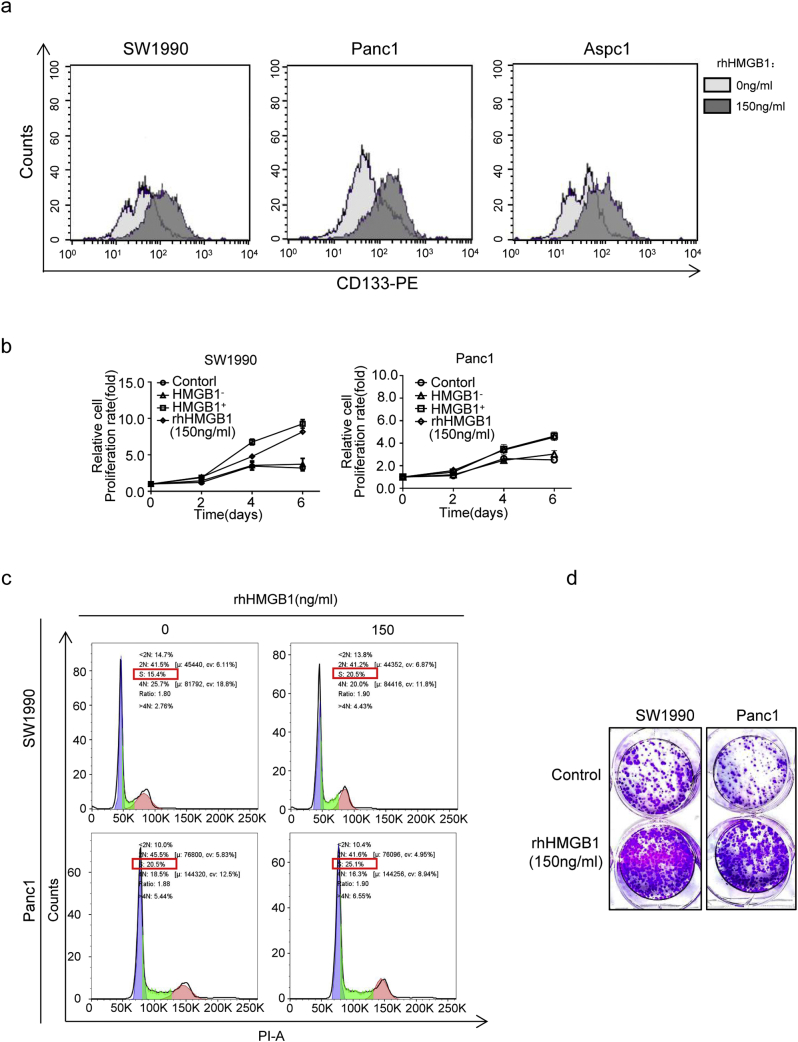
High-mobility group box 1 (HMGB1), a common extracellular damage associated molecular pattern molecule, is overexpressed in several solid tumors including pancreatic carcinoma. We previously observed that radiotherapy induced dying cells secrete HMGB1 and accelerate pancreatic carcinoma progression through an unclear mechanism.
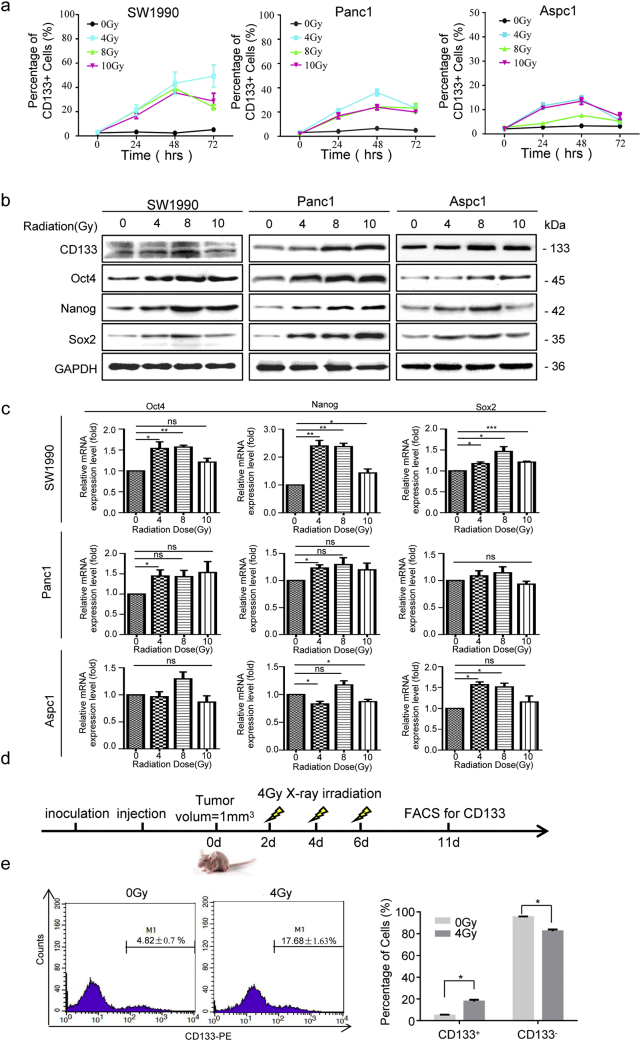
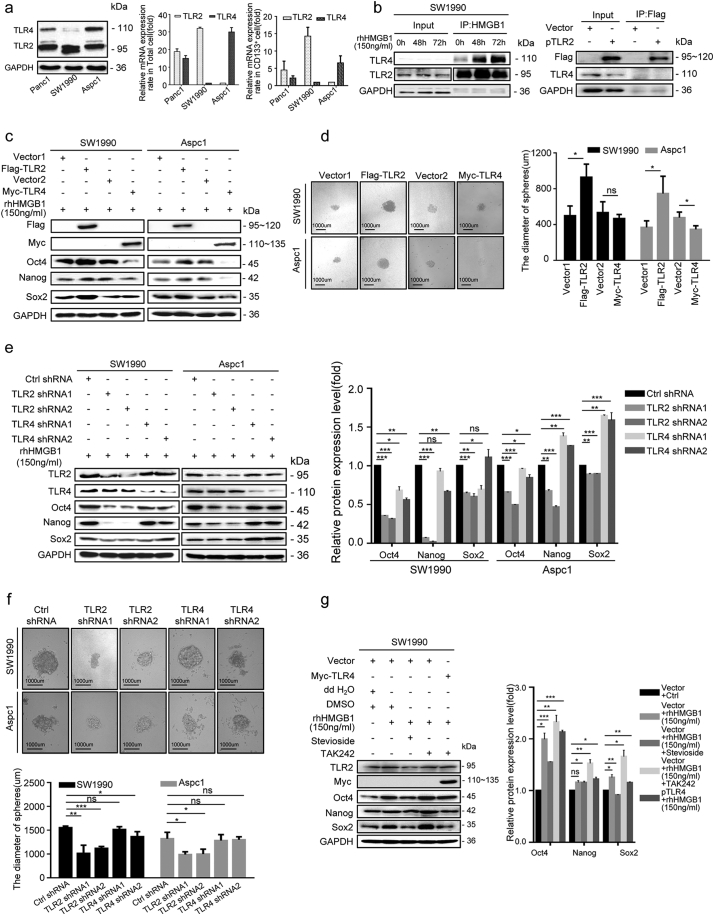
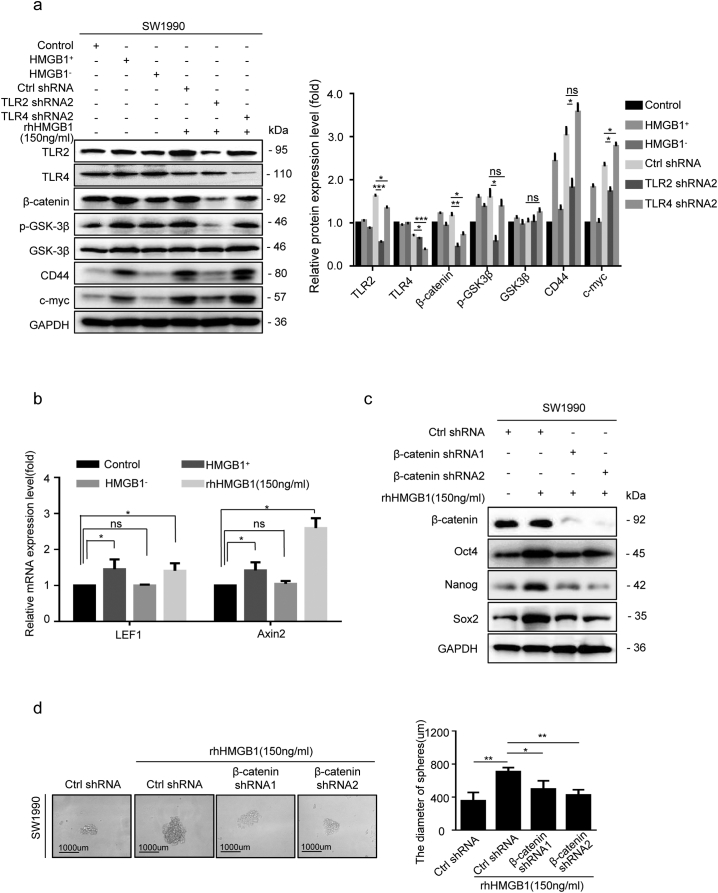
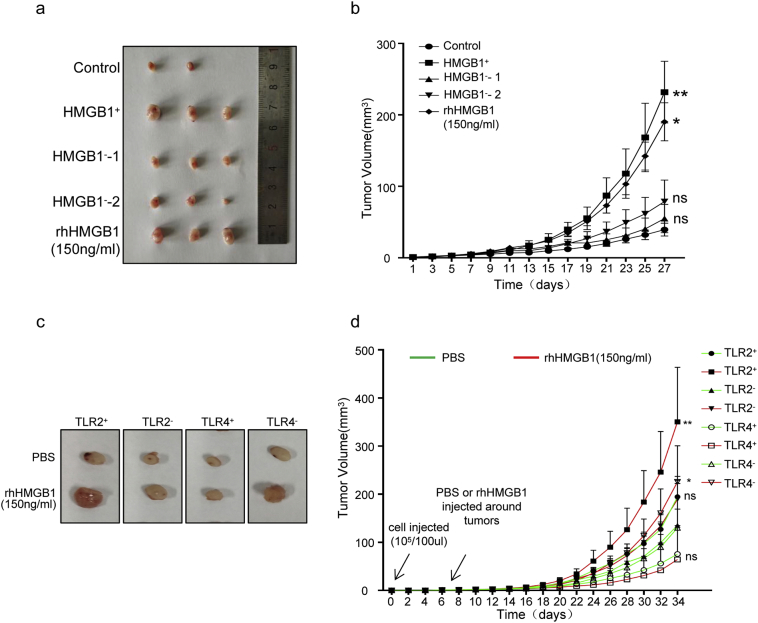
Using the Millicell system as an in vitro co-culture model, we performed quantitative reverse transcriptase-polymerase chain reaction, western blot and sphere forming ability analyses to access the effect of dying-cell-derived HMGB1 on CD133 cancer cell stemness in vitro and in vivo. Interactions between HMGB1 and Toll-like receptor 2(TLR2)/TLR4 were studied by co- immunoprecipitation. Western blot and short-hairpin RNA-based knockdown assays were conducted to detect HMGB1 and TLR2/TLR4 signaling activity.
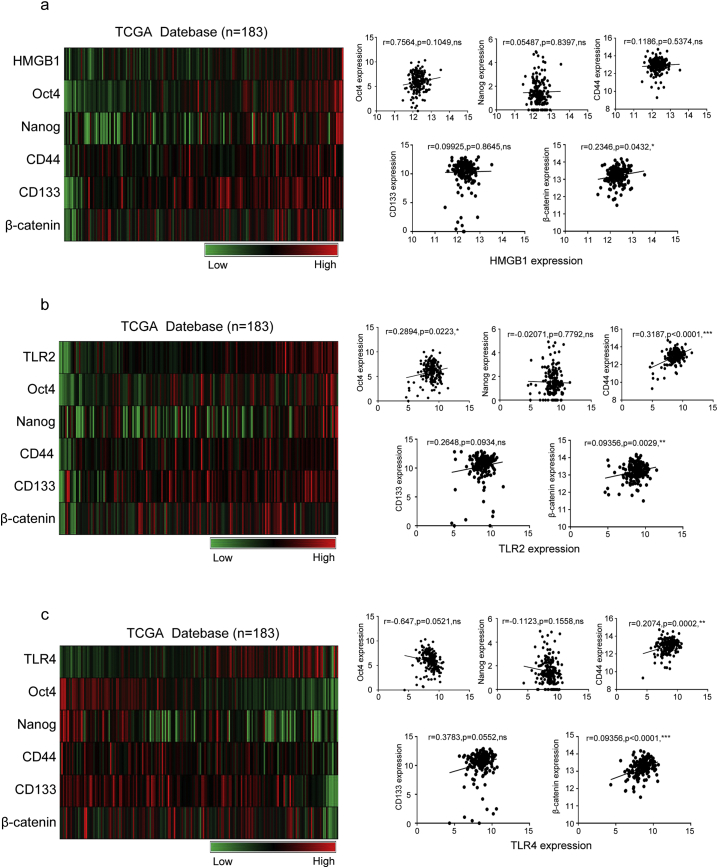
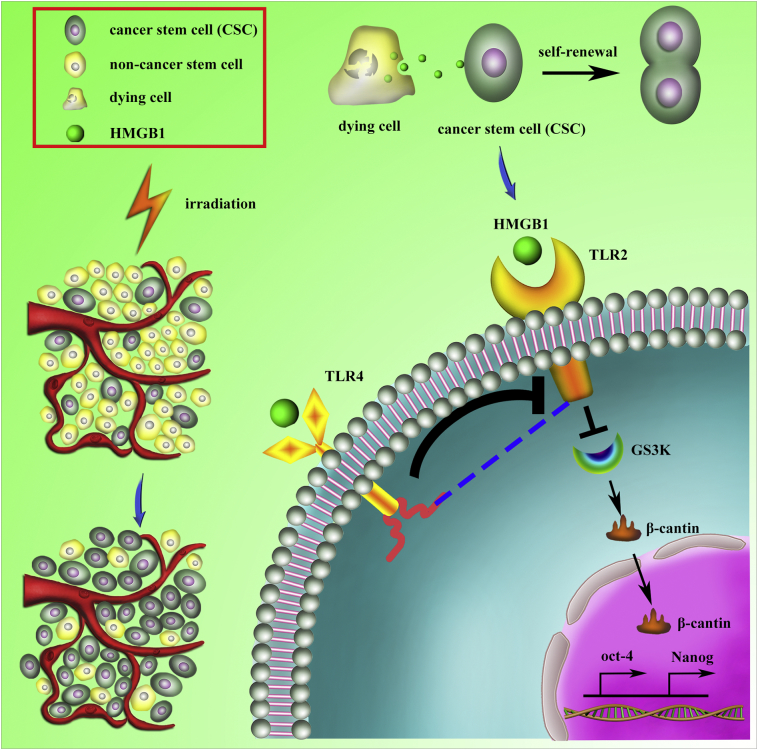
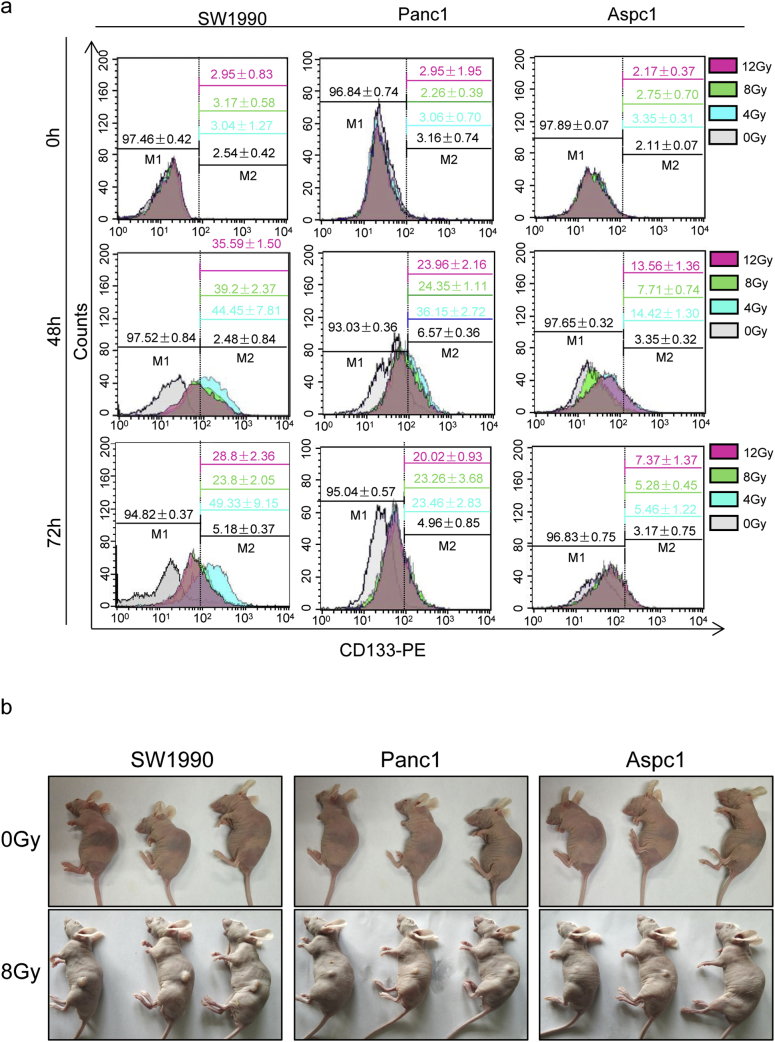
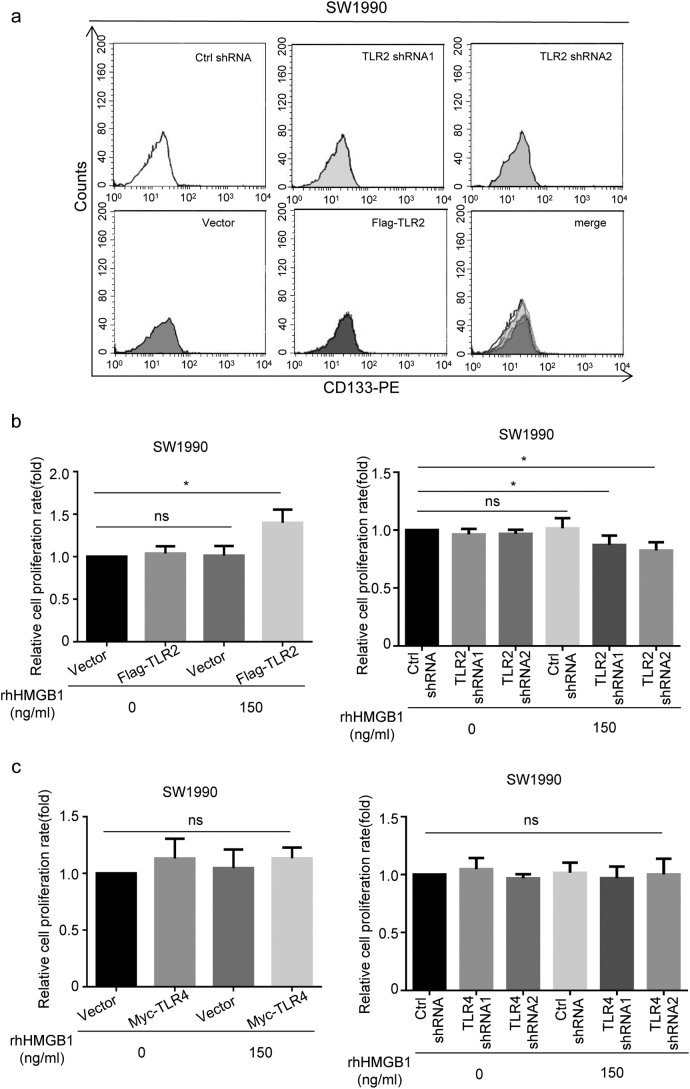
Radiation-associated, dying-cell-derived HMGB1 maintained stemness and contributed to CD133 cancer stem cell self-renewal in vitro and in vivo. In overexpressing and silencing experiments, we demonstrated that the process was activated by TLR2 receptor, whereas TLR4 antagonized HMGB1-TLR2 signaling. Wnt/β-catenin signaling supported the HMGB1-TLR2 mediated stemness of CD133 cancer cells.
Our results show how irradiation-induced cell death might enhance the stemness of resident cancer cells, and indicate HMGB1-TLR2 signaling as a potential therapeutic target for preventing pancreatic cancer recurrence.
高迁移率族蛋白 B1(HMGB1)是一种常见的细胞外损伤相关分子模式分子,在包括胰腺癌在内的几种实体瘤中过表达。我们之前观察到,放射治疗诱导死亡细胞分泌 HMGB1,并通过不明机制加速胰腺癌的进展。
我们使用 Millicell 系统作为体外共培养模型,进行定量逆转录-聚合酶链反应、western blot 和球体形成能力分析,以评估死亡细胞来源的 HMGB1 对体外和体内 CD133 癌细胞干性的影响。通过共免疫沉淀研究 HMGB1 与 Toll 样受体 2(TLR2)/TLR4 之间的相互作用。通过 western blot 和短发夹 RNA 敲低实验检测 HMGB1 和 TLR2/TLR4 信号通路活性。
与放射相关的、死亡细胞来源的 HMGB1 维持了干性,并促进了 CD133 癌症干细胞的自我更新,无论是在体外还是体内。在过表达和沉默实验中,我们证明该过程是由 TLR2 受体激活的,而 TLR4 拮抗 HMGB1-TLR2 信号。Wnt/β-catenin 信号通路支持 HMGB1-TLR2 介导的 CD133 癌细胞干性。
我们的结果表明,照射诱导的细胞死亡如何增强驻留癌细胞的干性,并表明 HMGB1-TLR2 信号通路是预防胰腺癌复发的潜在治疗靶点。