Consorcio Regenero, Chilean Consortium for Regenerative Medicine, Santiago, Chile.
Centro de Medicina Regenerativa, Facultad de Medicina Clínica Alemana-Universidad del Desarrollo, Santiago, Chile.
Sci Rep. 2019 Jan 24;9(1):663. doi: 10.1038/s41598-018-36855-6.
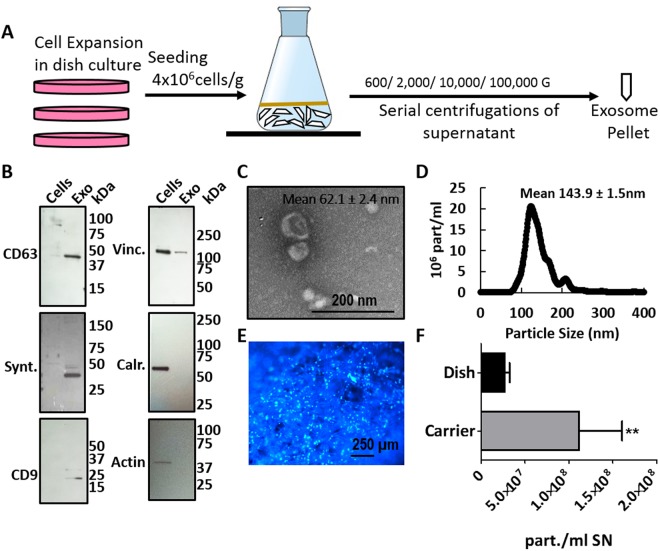
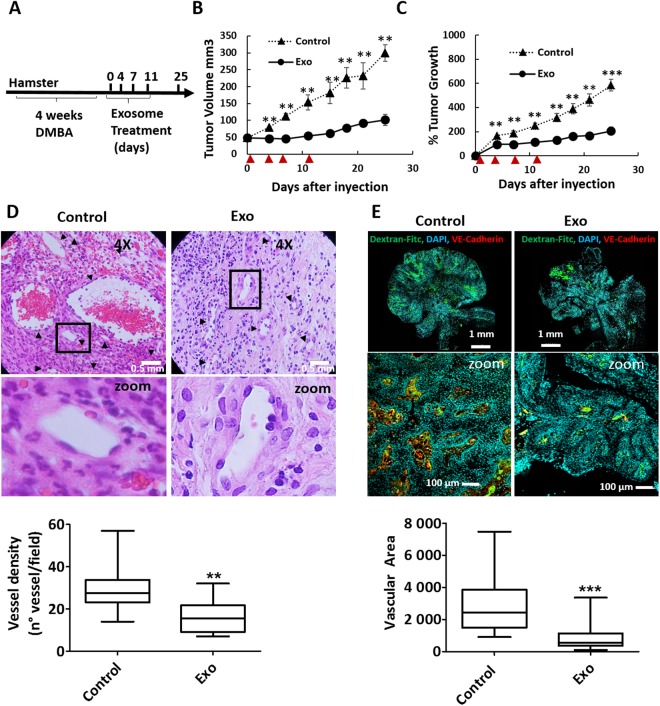
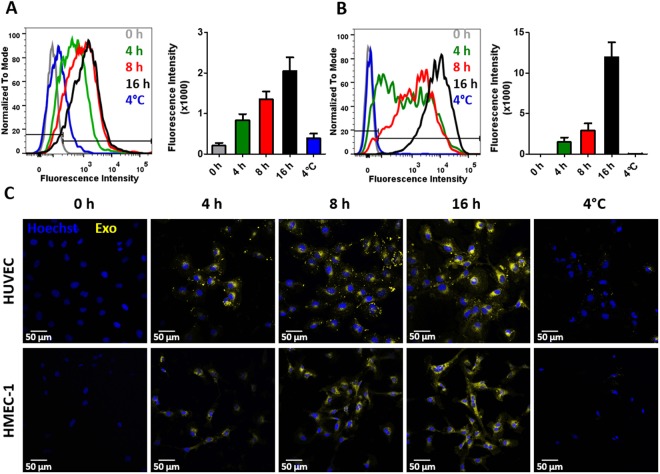
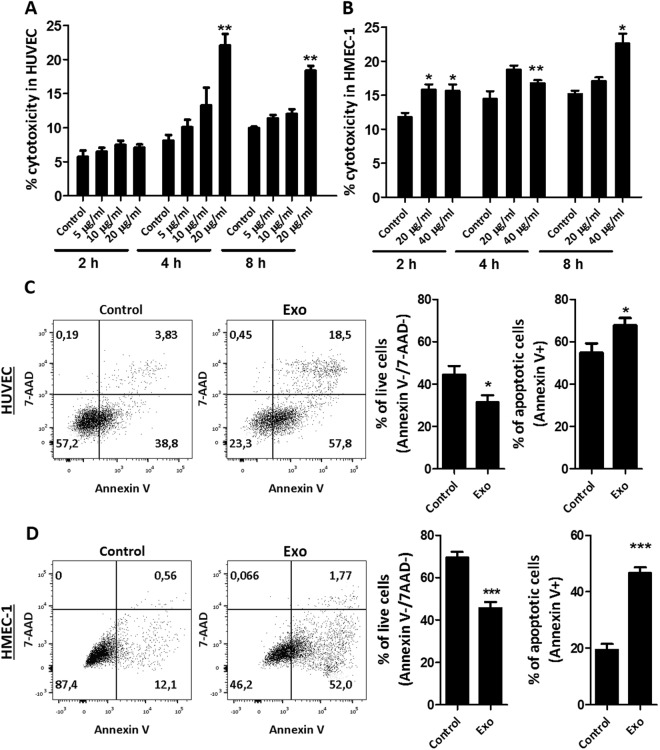
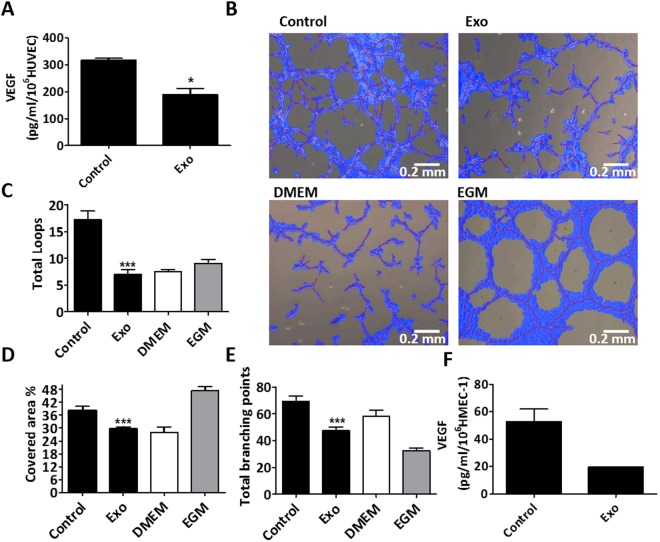
Recently, exosomes secreted by menstrual mesenchymal stem cells have been identified as inhibitory agents of tumor angiogenesis and modulators of the tumor cell secretome in prostate and breast cancer. However, their direct effect on endothelial cells and paracrine mediators have not yet been investigated. Using a carrier-based cell culture system to test the scalability for exosome production, we showed that different types of endothelial cells present specific kinetics for exosomes internalization. Exosome-treatment of endothelial cells increased cytotoxicity and reduced VEGF secretion and angiogenesis in a dose-dependent manner. Using the hamster buccal pouch carcinoma as a preclinical model for human oral squamous cell carcinoma, we demonstrated a significant antitumor effect of intra-tumoral injection of exosomes associated with a loss of tumor vasculature. These results address up-scaling of exosome production, a relevant issue for their clinical application, and also assess menstrual stem cell exosomes as potential anti-angiogenic agents for the treatment of neoplastic conditions.
最近,已经鉴定出来源于月经间充质干细胞的外泌体是前列腺癌和乳腺癌中肿瘤血管生成的抑制因子和肿瘤细胞分泌组的调节剂。然而,它们对内皮细胞和旁分泌介质的直接作用尚未得到研究。我们使用基于载体的细胞培养系统来测试外泌体生产的可扩展性,结果表明不同类型的内皮细胞对摄取外泌体具有特定的动力学。外泌体处理内皮细胞以剂量依赖性方式增加细胞毒性,降低 VEGF 分泌和血管生成。我们使用仓鼠颊囊癌作为人类口腔鳞状细胞癌的临床前模型,证明了瘤内注射外泌体具有显著的抗肿瘤作用,伴随着肿瘤血管的丧失。这些结果解决了外泌体生产的规模化问题,这是它们临床应用的一个相关问题,同时还评估了月经干细胞外泌体作为治疗肿瘤疾病的潜在抗血管生成剂。