Department of Oral Surgery, Shanghai Ninth People's Hospital affiliated to Shanghai Jiaotong University, school of medicine, Shanghai Key Laboratory of Stomatology, Shanghai, P. R. China.
Department of Craniomaxillofacial and Plastic Surgery, Faculty of Dentistry, Alexandria University, Alexandria, Egypt.
Sci Rep. 2019 Jan 24;9(1):534. doi: 10.1038/s41598-018-36988-8.
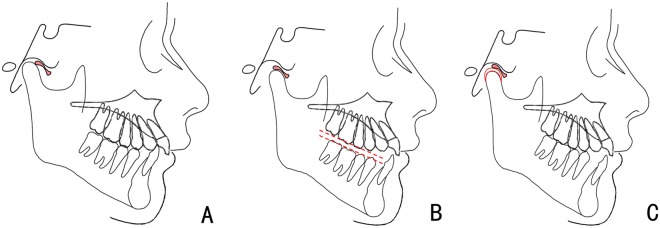
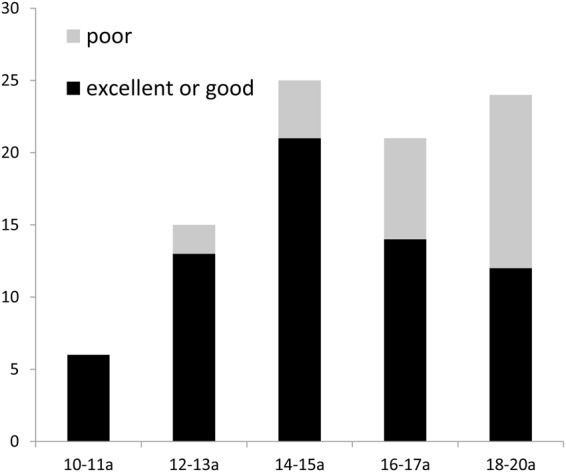
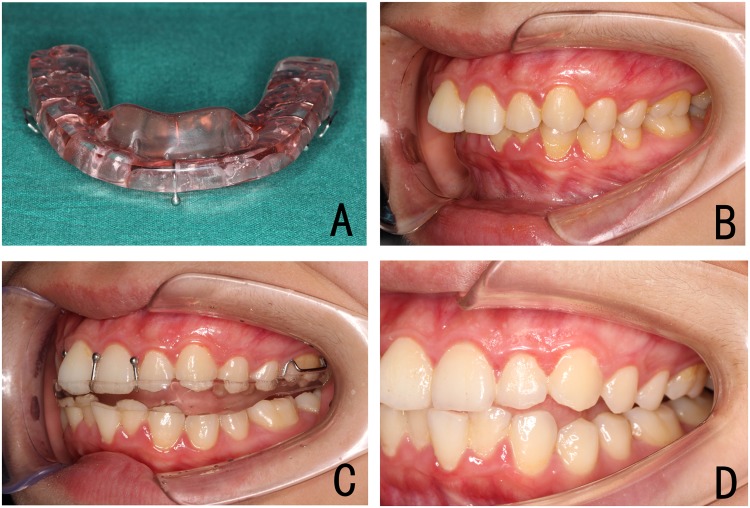
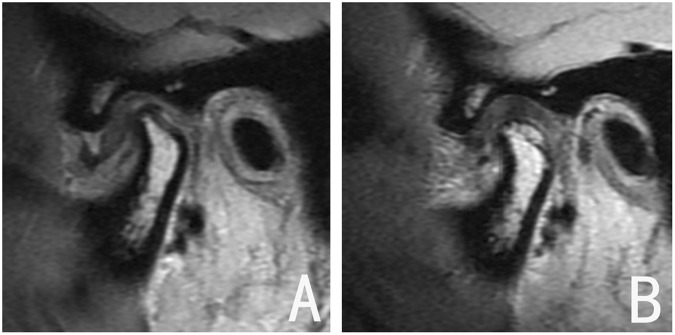
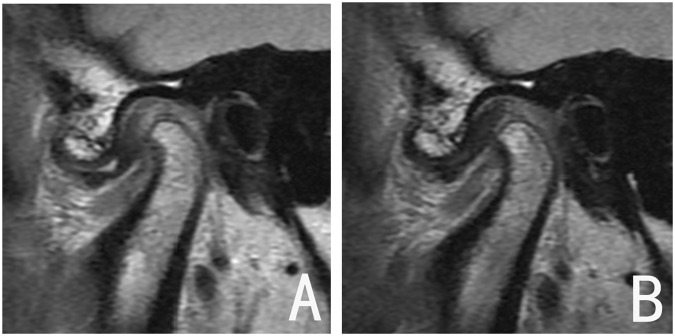
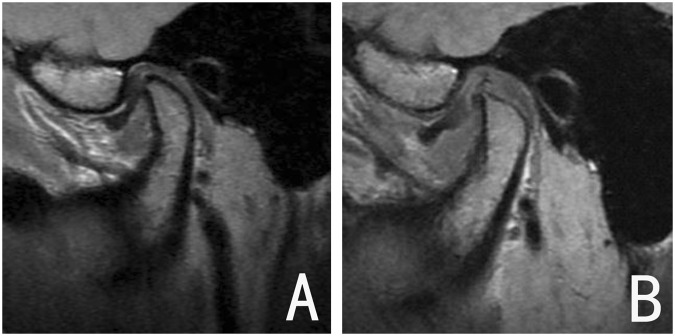
The aim of this study was to determine whether anterior repositioning splint (ARS) can effectively treat temporomandibular joint (TMJ) anterior disc displacement with reduction (DDwR) in juvenile Class II patients. This study investigated disc repositioning clinically and through use of MRI with 12-month follow up. Patients with skeletal Class II malocclusions and DDwR diagnosed by magnetic resonance imaging (MRI) were treated with ARS. The efficacy of ARS was assessed clinically and by means of MRI before treatment (T0), immediately after bite registration (T1), at the end of treatment (T2), and at 12 months after functional appliance treatment (T3). Improvement in TMJ pain, TMJ noises, and range of mandibular movement were assessed. MRI evaluation was based on disc-condylar relationship in parasagittal images. Seventy-two juvenile patients with 91 joints were included in this study. The average age was 15.7 years old (range, 10-20 years) at first visit. There were statistically significant reductions in TMJ pain, disability in daily life and TMJ clicking (P < 0.01). MRI at T2 indicated that the success rate was 92.31% (84/91), but decreased to 72.53% (66/91) at T3. The unsuccessful splint disc capture was mainly observed in late adolescence, especially over 18 years old. Using MRI results as the gold standard, we found that clinical assessment had an accuracy rate of 75.82% at 12-month follow-up. In conclusion, although success rate for ARS treatment decreased over time, both clinical findings and MRI examination indicate that the ARS is relatively effective in repositioning the DDwR, especially for patients in early puberty. However, further and larger studies are needed to evaluate the outcome with ARS.
本研究旨在确定在前移位夹板(ARS)是否能有效治疗青少年 II 类患者伴髁突前移位伴可复性关节盘前移位(DDwR)。本研究通过 12 个月的随访,采用 MRI 对关节盘复位进行临床和影像学评估。对磁共振成像(MRI)诊断为髁突前移位伴可复性关节盘前移位(DDwR)的骨骼 II 类错颌畸形患者进行 ARS 治疗。在治疗前(T0)、即刻(T1)、治疗结束时(T2)和功能性矫治器治疗 12 个月后(T3),通过临床和 MRI 评估 ARS 的疗效。评估了 TMJ 疼痛、TMJ 噪音和下颌运动范围的改善。MRI 评估基于矢状位图像上的关节盘-髁突关系。本研究共纳入 72 例 91 侧患者,初次就诊时平均年龄为 15.7 岁(10-20 岁)。TMJ 疼痛、日常生活中的残疾和 TMJ 弹响均有统计学意义的降低(P<0.01)。T2 时 MRI 显示成功率为 92.31%(84/91),但 T3 时降至 72.53%(66/91)。夹板未能成功固定关节盘主要发生在青春期后期,尤其是 18 岁以上。以 MRI 结果为金标准,我们发现 12 个月随访时临床评估的准确率为 75.82%。总之,尽管 ARS 治疗的成功率随时间推移而降低,但临床和 MRI 检查均表明,ARS 对 DDwR 的复位相对有效,尤其是在青春期早期的患者。然而,需要进一步和更大规模的研究来评估 ARS 的结果。