Mocanu Aura-Cătălina, Stan George E, Maidaniuc Andreea, Miculescu Marian, Antoniac Iulian Vasile, Ciocoiu Robert-Cătălin, Voicu Ștefan Ioan, Mitran Valentina, Cîmpean Anișoara, Miculescu Florin
Department of Metallic Materials Science, Physical Metallurgy, University Politehnica of Bucharest, 313 Splaiul Independentei, J Building, District 6, 060042 Bucharest, Romania.
Department of Research, Development and Innovation, S.C. Nuclear NDT Research & Services S.R.L, 104 Berceni Str., Central Laboratory Building, District 4, 041919 Bucharest, Romania.
Materials (Basel). 2019 Jan 25;12(3):381. doi: 10.3390/ma12030381.
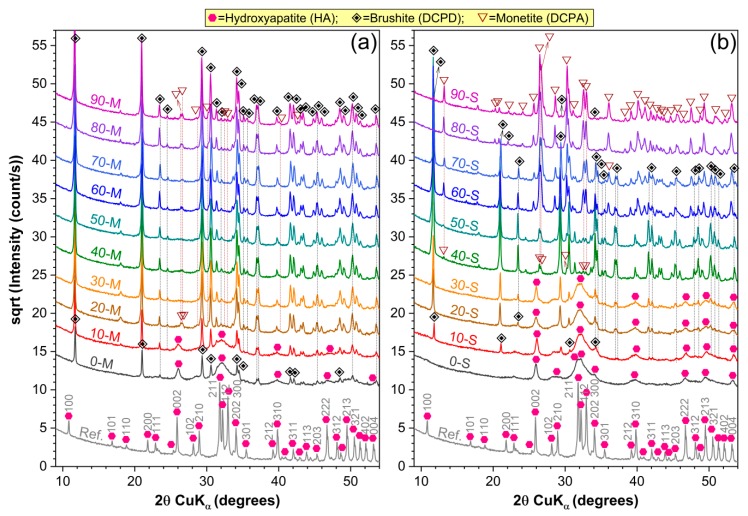
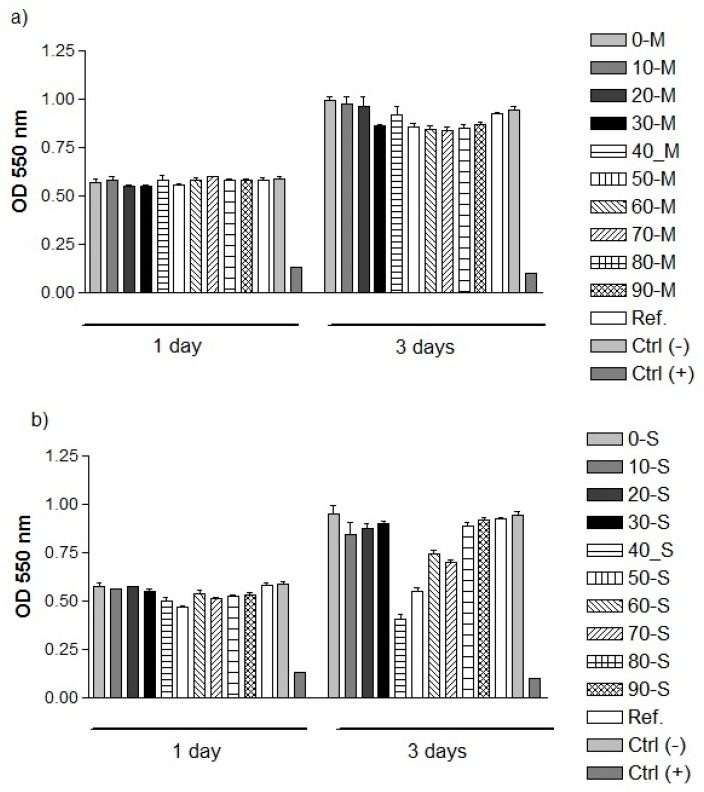
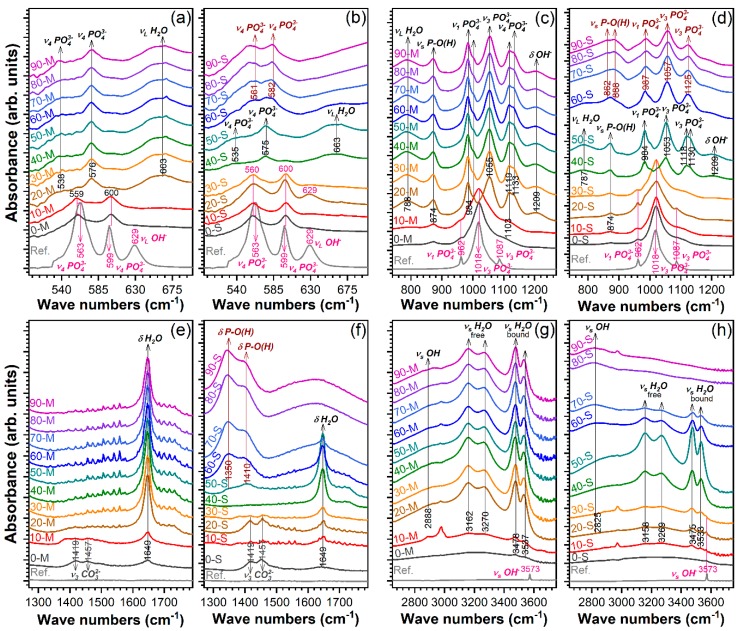
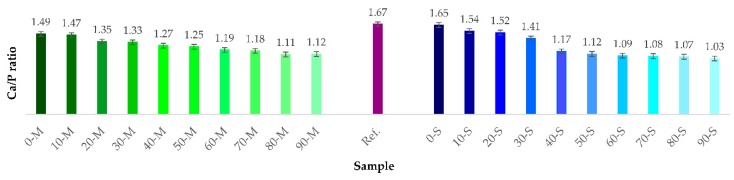
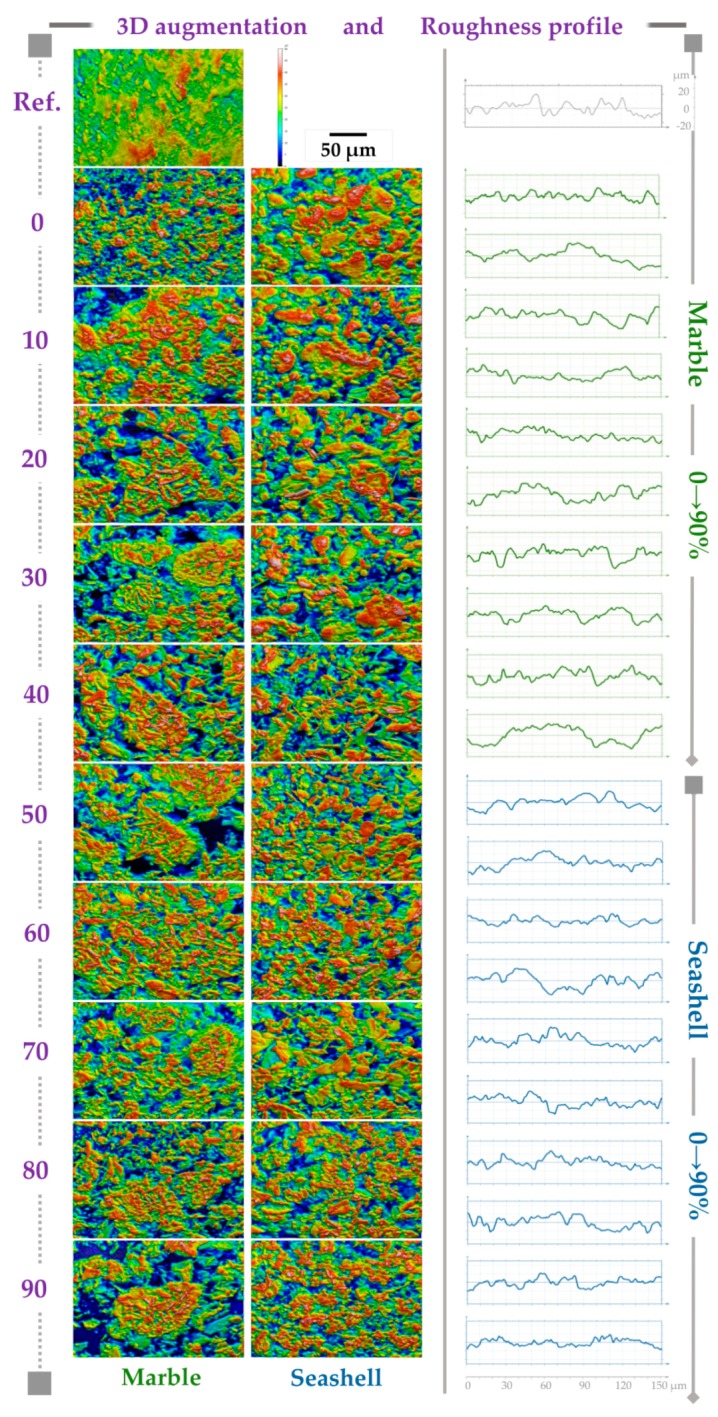
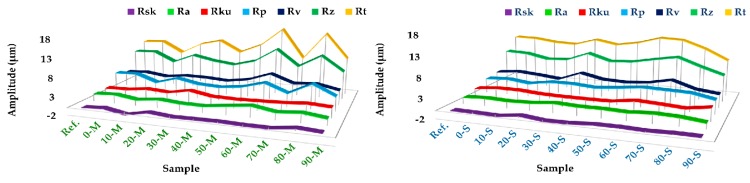
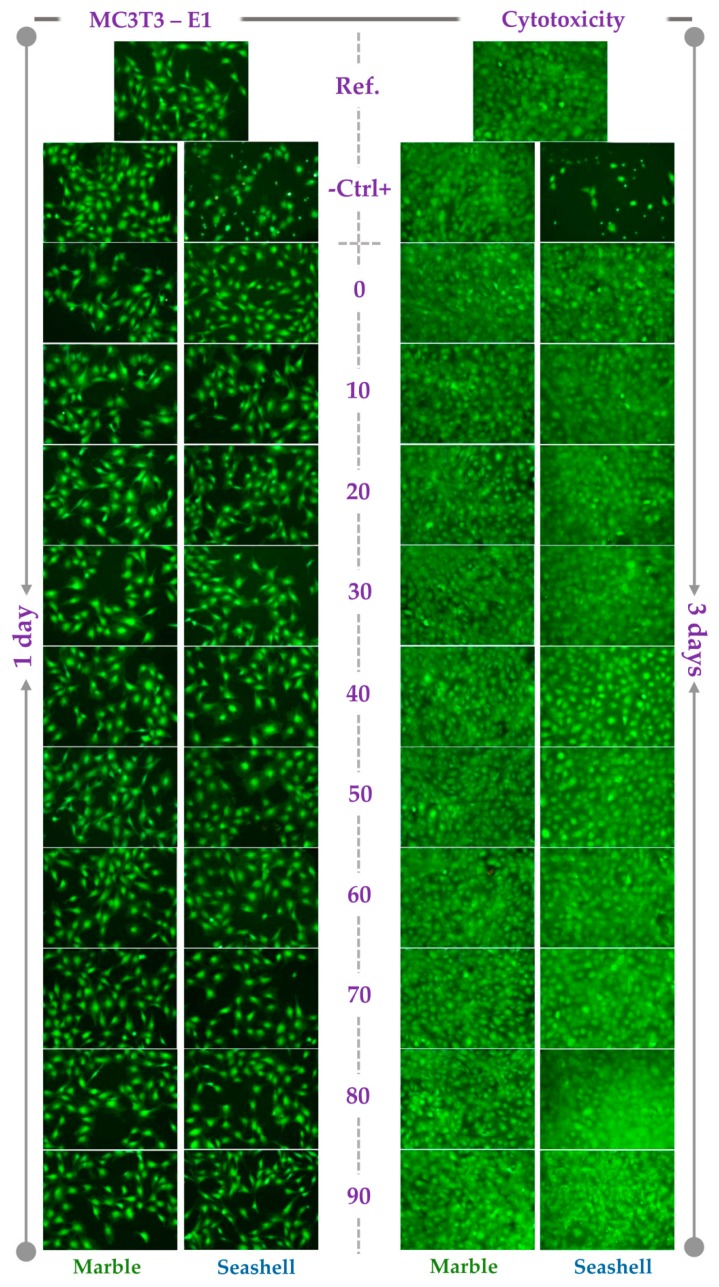
Calcium carbonate from marble and seashells is an eco-friendly, sustainable, and largely available bioresource for producing natural bone-like calcium phosphates (CaPs). Based on three main objectives, this research targeted the: (i) adaptation of an indirect synthesis route by modulating the amount of phosphorus used in the chemical reaction, (ii) comprehensive structural, morphological, and surface characterization, and (iii) biocompatibility assessment of the synthesized powdered samples. The morphological characterization was performed on digitally processed scanning electron microscopy (SEM) images. The complementary 3D image augmentation of SEM results also allowed the quantification of roughness parameters. The results revealed that both morphology and roughness were modulated through the induced variation of the synthesis parameters. Structural investigation of the samples was performed by Fourier transform infrared spectroscopy and X-ray diffraction. Depending on the phosphorus amount from the chemical reaction, the structural studies revealed the formation of biphasic CaPs based on hydroxyapatite/brushite or brushite/monetite. The assessment of the powdered samples demonstrated their capacity to support MC3T3-E1 pre-osteoblast viability and proliferation at comparable levels to the negative cytotoxicity control and the reference material (commercial hydroxyapatite). Therefore, these samples hold great promise for biomedical applications.
来自大理石和贝壳的碳酸钙是一种生态友好、可持续且大量可得的生物资源,可用于生产天然骨样磷酸钙(CaP)。基于三个主要目标,本研究旨在:(i)通过调节化学反应中磷的用量来调整间接合成路线,(ii)对合成的粉末样品进行全面的结构、形态和表面表征,以及(iii)评估其生物相容性。形态表征是在经过数字处理的扫描电子显微镜(SEM)图像上进行的。SEM结果的互补三维图像增强也使得粗糙度参数得以量化。结果表明,形态和粗糙度都通过合成参数的诱导变化得到了调节。通过傅里叶变换红外光谱和X射线衍射对样品进行了结构研究。根据化学反应中磷的含量,结构研究表明形成了基于羟基磷灰石/透钙磷石或透钙磷石/磷酸二氢钙的双相CaP。对粉末样品的评估表明,它们支持MC3T3-E1前成骨细胞活力和增殖的能力与阴性细胞毒性对照和参考材料(商业羟基磷灰石)相当。因此,这些样品在生物医学应用方面具有巨大潜力。