He Wenmei, Yoo Gayoung, Moonis Mohammad, Kim Youjin, Chen Xuanlin
Department of Applied Environmental Science, Kyung Hee University, Yongin-si, South Korea.
PeerJ. 2019 Jan 25;7:e6311. doi: 10.7717/peerj.6311. eCollection 2019.
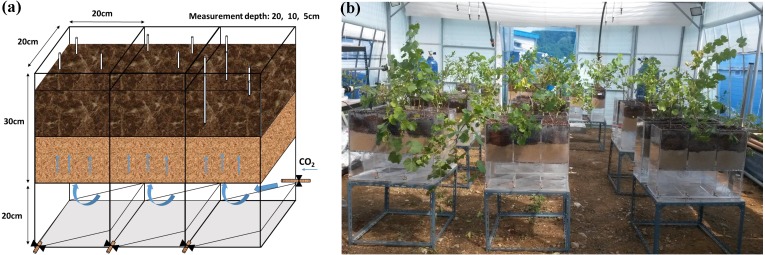
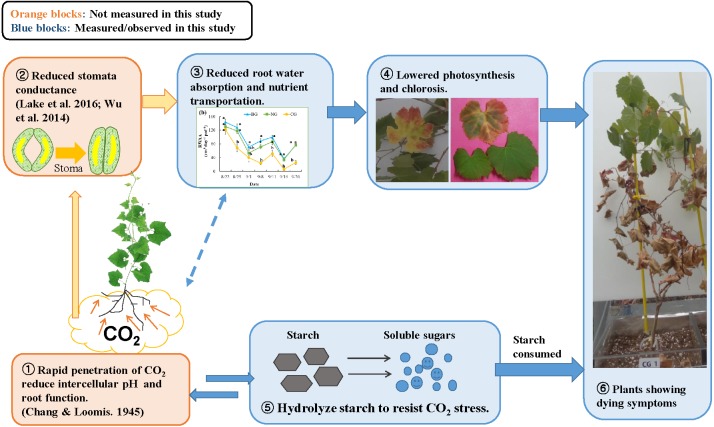
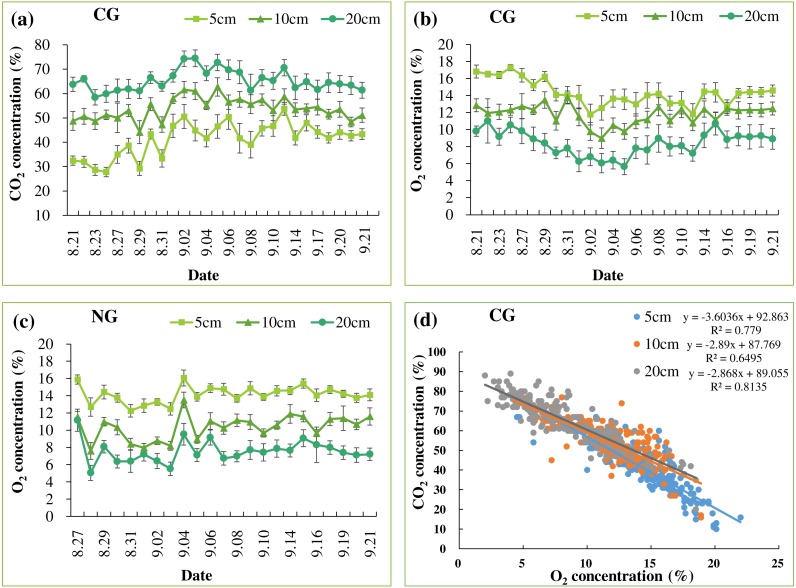
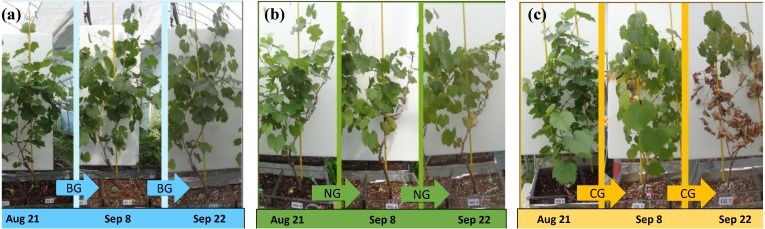
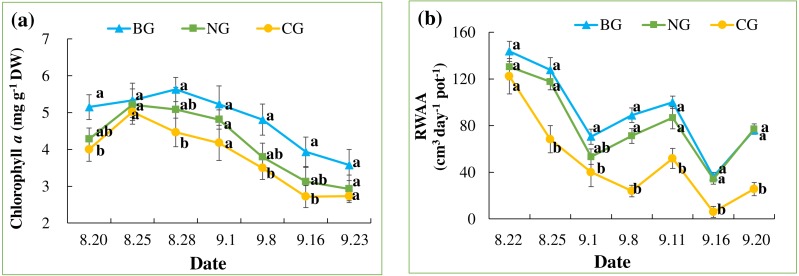
To ensure the safety of carbon capture and storage (CCS) technology, insight into the potential impacts of CO leakage on the ecosystem is necessary. We conducted a greenhouse experiment to investigate the effects of high soil CO on plant growth and the soil environment. Treatments comprised 99.99% CO injection (CG), 99.99% Ninjection (NG), and no injection (BG). NG treatment was employed to differentiate the effects of O depletion from those of CO enrichment. Soil CO and O concentrations were maintained at an average of 53% and 11%, respectively, under CG treatment. We verified that high soil CO had negative effects on root water absorption, chlorophyll, starch content and total biomass. Soil microbial acid phosphatase activity was affected by CG treatment. These negative effects were attributed to high soil CO instead of low O or low pH. Our results indicate that high soil CO affected the root system, which in turn triggered further changes in aboveground plant tissues and rhizospheric soil water conditions. A conceptual diagram of CO toxicity to plants and soil is suggested to act as a useful guideline for impact assessment of CCS technology.
为确保碳捕获与封存(CCS)技术的安全性,深入了解CO泄漏对生态系统的潜在影响很有必要。我们进行了一项温室实验,以研究高土壤CO浓度对植物生长和土壤环境的影响。处理包括注入99.99%的CO(CG)、注入99.99%的N(NG)以及不注入(BG)。采用NG处理来区分O耗尽与CO富集的影响。在CG处理下,土壤CO和O浓度分别平均维持在53%和11%。我们证实,高土壤CO浓度对根系吸水、叶绿素、淀粉含量和总生物量有负面影响。土壤微生物酸性磷酸酶活性受CG处理影响。这些负面影响归因于高土壤CO浓度,而非低O浓度或低pH值。我们的结果表明,高土壤CO浓度影响了根系系统,进而引发了地上植物组织和根际土壤水分状况的进一步变化。建议绘制CO对植物和土壤毒性的概念图,作为CCS技术影响评估的有用指南。