The Marlene and Paolo Fresco Institute for Parkinson's and Movement Disorders, Department of Neurology, NYU School of Medicine, 222 East 41st Street, New York, NY, 10017, USA.
Department of Neurology, NYU School of Medicine, New York, NY, USA.
J Neuroeng Rehabil. 2019 Jan 31;16(1):20. doi: 10.1186/s12984-019-0481-4.
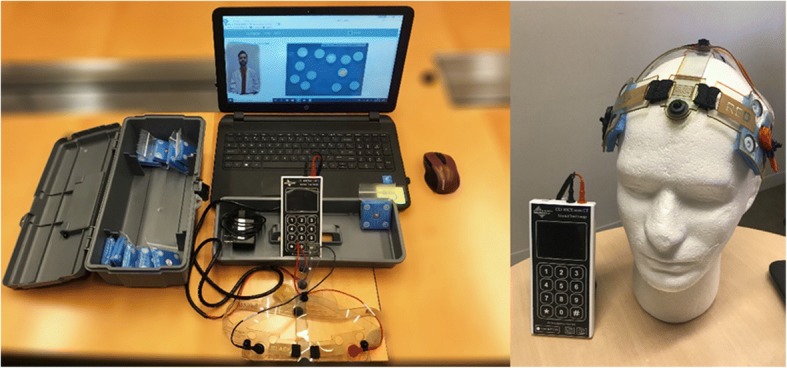
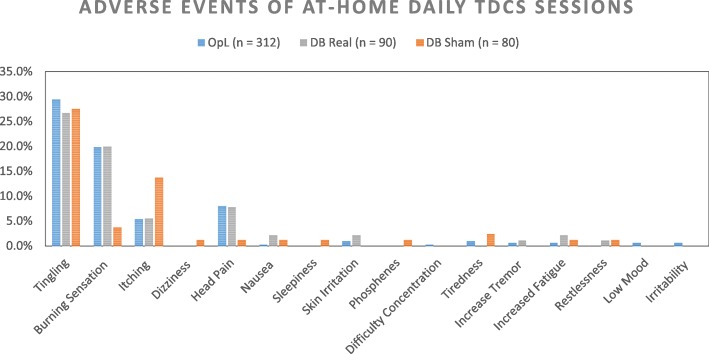
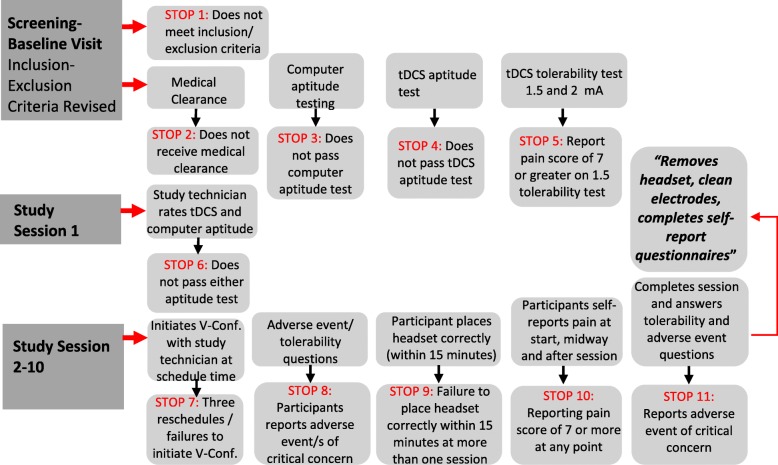
Transcranial direct current stimulation (tDCS) is a modality of non-invasive brain stimulation involving the application of low amplitude direct current via surface electrodes on the scalp. tDCS has been studied in healthy populations and in multiple brain disorders and has the potential to be a treatment for several neuropsychiatric conditions by virtue of its capability of influencing cognitive, motor and behavioral processes. tDCS is a generally safe technique when performed within standardized protocols in research or clinical settings. Furthermore, tDCS portability, high acceptability and user-friendly interface makes it highly appealing for telemedicine practices. The term "telemedicine" refers to the procedures, educational strategies, and care services that are remotely administered by means of different communication technologies, with the final goal of increasing access to care for individuals and for improving public health. The use of telemedicine combined with tDCS protocols is increasing, although the safety of this approach in different clinical settings awaits further assessment. While "do-it-yourself" tDCS should be discouraged due to the unknown risk of adverse events, the implementation of tele-monitored tDCS (tele-tDCS) within standardized frameworks ensuring safety, tolerability, and reproducibility may allow this technology to reach larger clinical populations and bypass some of the common barriers preventing access to health services and clinical trials. This review will discuss the current evidence supporting the feasibility of tele-tDCS paradigms and their therapeutic potential, with particular emphasis on the implications for patients with Parkinson's disease.
经颅直流电刺激(tDCS)是一种非侵入性脑刺激模式,涉及通过头皮上的表面电极施加低幅度直流电。tDCS 已在健康人群和多种脑部疾病中进行了研究,并且有可能通过影响认知、运动和行为过程成为多种神经精神疾病的治疗方法。在研究或临床环境中按照标准化方案进行时,tDCS 是一种通常安全的技术。此外,tDCS 的便携性、高可接受性和用户友好的界面使其非常适合远程医疗实践。“远程医疗”一词是指通过不同的通信技术远程管理的程序、教育策略和护理服务,最终目标是增加个人获得护理的机会并改善公共卫生。尽管在不同的临床环境中,这种方法的安全性仍有待进一步评估,但远程医疗与 tDCS 方案的结合使用正在增加。虽然由于未知的不良事件风险,应劝阻“自行”tDCS,但在确保安全、耐受性和可重复性的标准化框架内实施远程监测 tDCS(远程-tDCS)可能允许该技术覆盖更大的临床人群,并克服一些常见的障碍,这些障碍阻碍了人们获得医疗服务和临床试验的机会。本文将讨论支持远程-tDCS 范式可行性及其治疗潜力的当前证据,特别强调其对帕金森病患者的影响。