Department of Neuroimmunology, Center for Brain Research, Medical University of Vienna, Spitalgasse 4, 1090, Vienna, Austria.
Department of Neurology, Dokkyo Medical University, Tochigi, Japan.
Acta Neuropathol Commun. 2019 Jan 31;7(1):14. doi: 10.1186/s40478-019-0667-9.
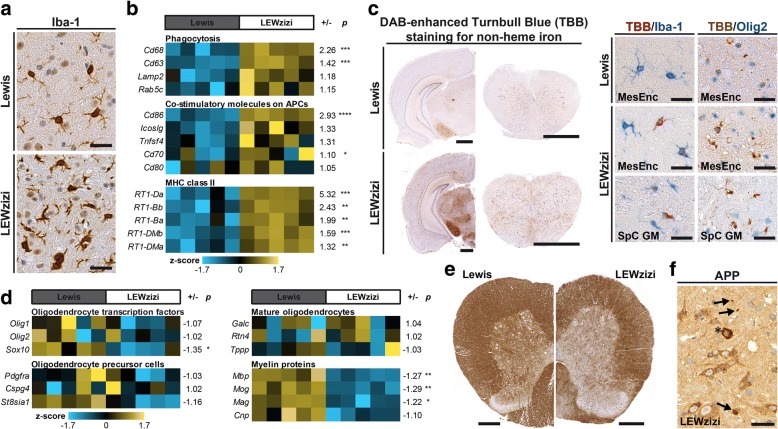
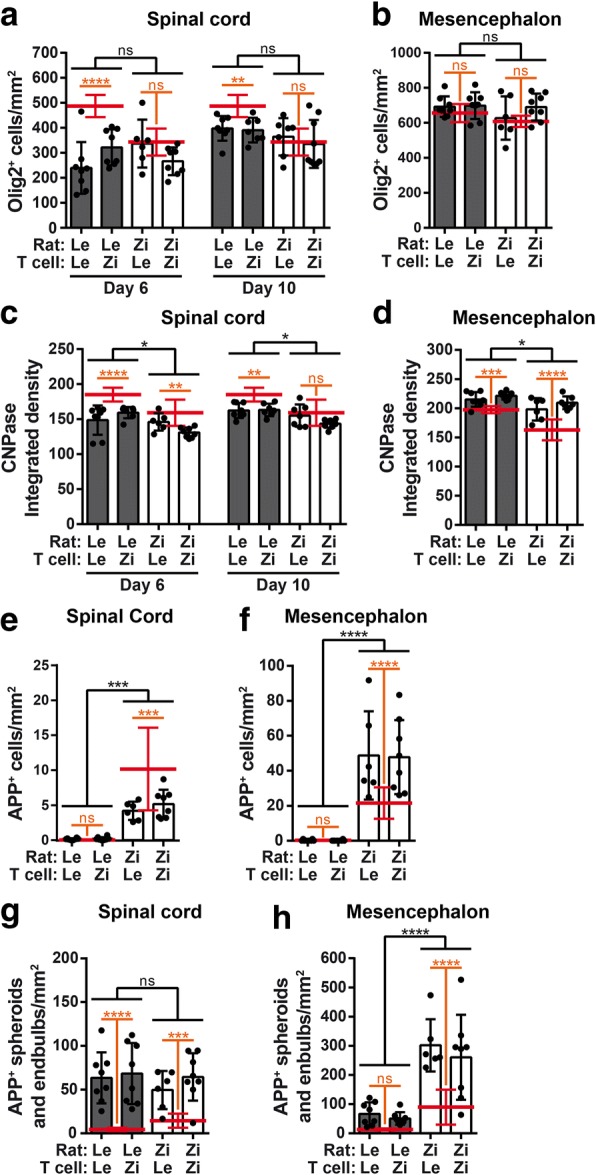
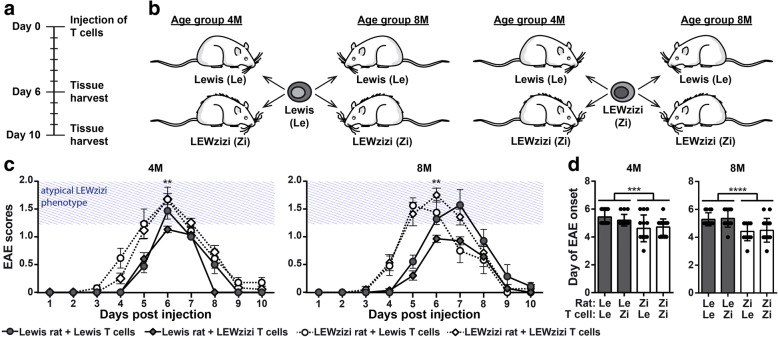
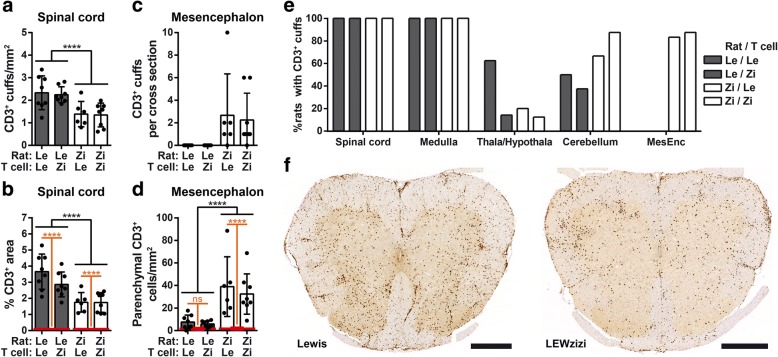
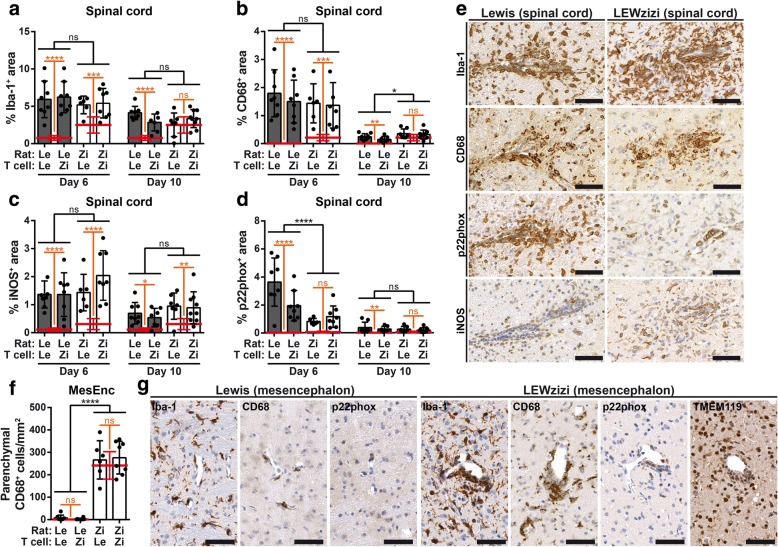
Human inflammatory or neurodegenerative diseases, such as progressive multiple sclerosis (MS), occur on a background of age-related microglia activation and iron accumulation as well as pre-existing neurodegeneration. Most experimental models for CNS diseases, however, are induced in rodents, which are naturally characterized by a homeostatic microglia phenotype, low cellular iron load and absence of neurodegeneration. Here, we show that naïve LEWzizi rats - Lewis rats with a zitter rat background - show a spontaneous phenotype partly mimicking the changes seen in human aging and particularly in the normal-appearing white and grey matter of patients with progressive MS. Using this model system, we further aimed to investigate (i) whether the acute monophasic MS model experimental autoimmune encephalomyelitis (EAE) transforms into chronic progressive disease and (ii) whether EAE-induced neuroinflammation and tissue damage aggravate on the LEWzizi background. We found that the pre-existing LEWzizi-specific pathology precipitated EAE-related neuroinflammation into forebrain areas, which are devoid of EAE lesions in normal Lewis rats. However, EAE-related tissue damage was neither modified by the LEWzizi-specific pathology nor did EAE-induced neuroinflammation modify the LEWzizi-related pathological process. Our data indicate that the interaction between pre-activated microglia and CD4 autoreactive T cells during the induction and propagation of tissue damage in the CNS is limited.
人类炎症或神经退行性疾病,如进行性多发性硬化症 (MS),发生在与年龄相关的小胶质细胞激活和铁积累以及先前存在的神经退行性变的背景下。然而,大多数中枢神经系统疾病的实验模型是在啮齿动物中诱导的,啮齿动物天然具有稳态小胶质细胞表型、低细胞铁负荷和无神经退行性变的特征。在这里,我们表明,幼稚的 LEWzizi 大鼠——具有 zitter 大鼠背景的 Lewis 大鼠——表现出部分模拟人类衰老以及特别是在进展性 MS 患者正常外观的白质和灰质中所见变化的自发表型。使用这种模型系统,我们进一步旨在研究 (i) 急性单相 MS 模型实验性自身免疫性脑脊髓炎 (EAE) 是否会转化为慢性进行性疾病,以及 (ii) EAE 引起的神经炎症和组织损伤是否会在 LEWzizi 背景下加重。我们发现,预先存在的 LEWzizi 特异性病理学将 EAE 相关的神经炎症引发到大脑区域,在正常 Lewis 大鼠中,这些区域没有 EAE 病变。然而,LEWzizi 特异性病理学既没有改变 EAE 相关的组织损伤,EAE 引起的神经炎症也没有改变 LEWzizi 相关的病理过程。我们的数据表明,在中枢神经系统中组织损伤的诱导和传播过程中,预先激活的小胶质细胞和 CD4 自身反应性 T 细胞之间的相互作用是有限的。