Plasma Bioscience Research Center, Kwangwoon University, Seoul, 01897, Republic of Korea.
Plasma Technology Research Center, National Fusion Research Institute, Gunsan-si, Jeollabuk-Do, 54004, Republic of Korea.
Sci Rep. 2019 Jan 31;9(1):1044. doi: 10.1038/s41598-018-38026-z.
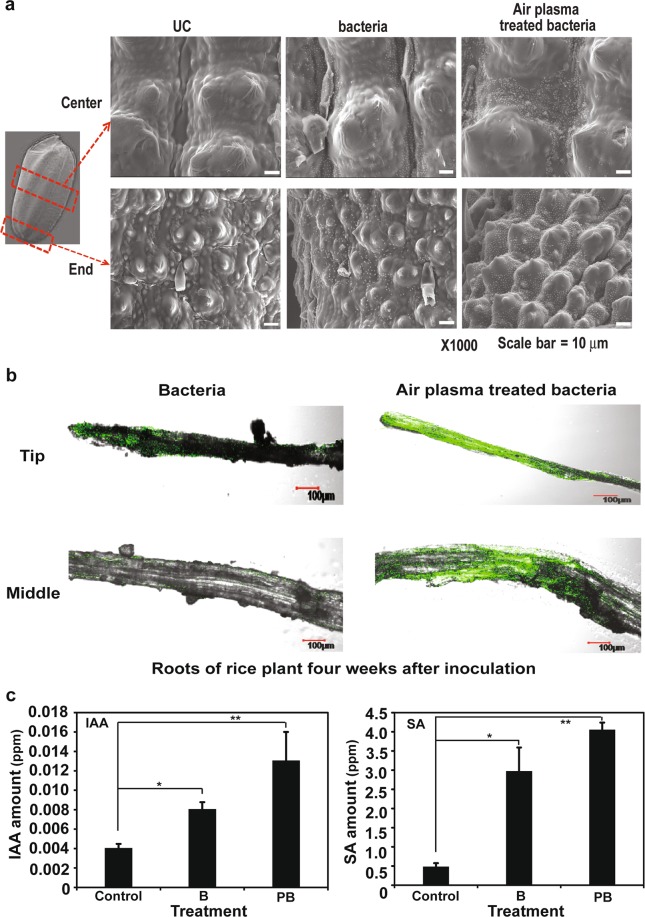
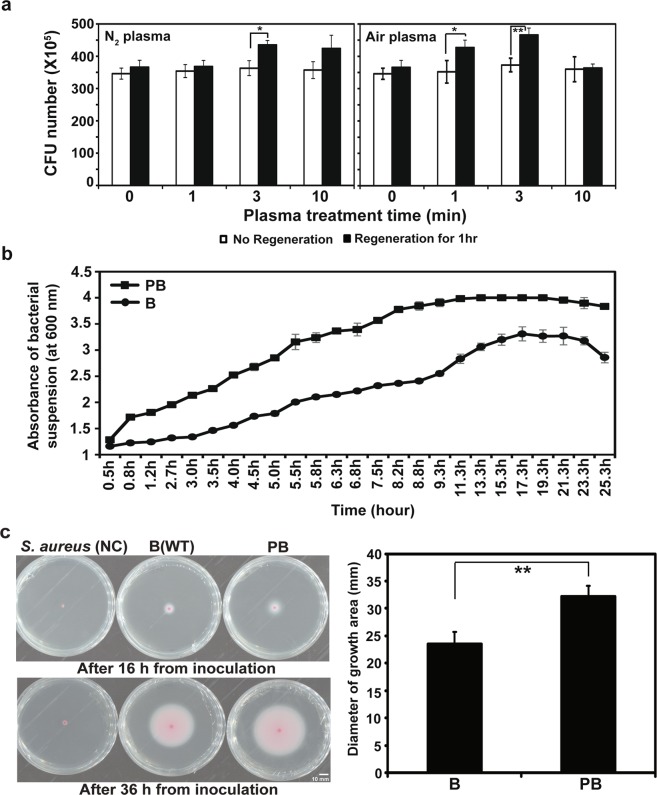
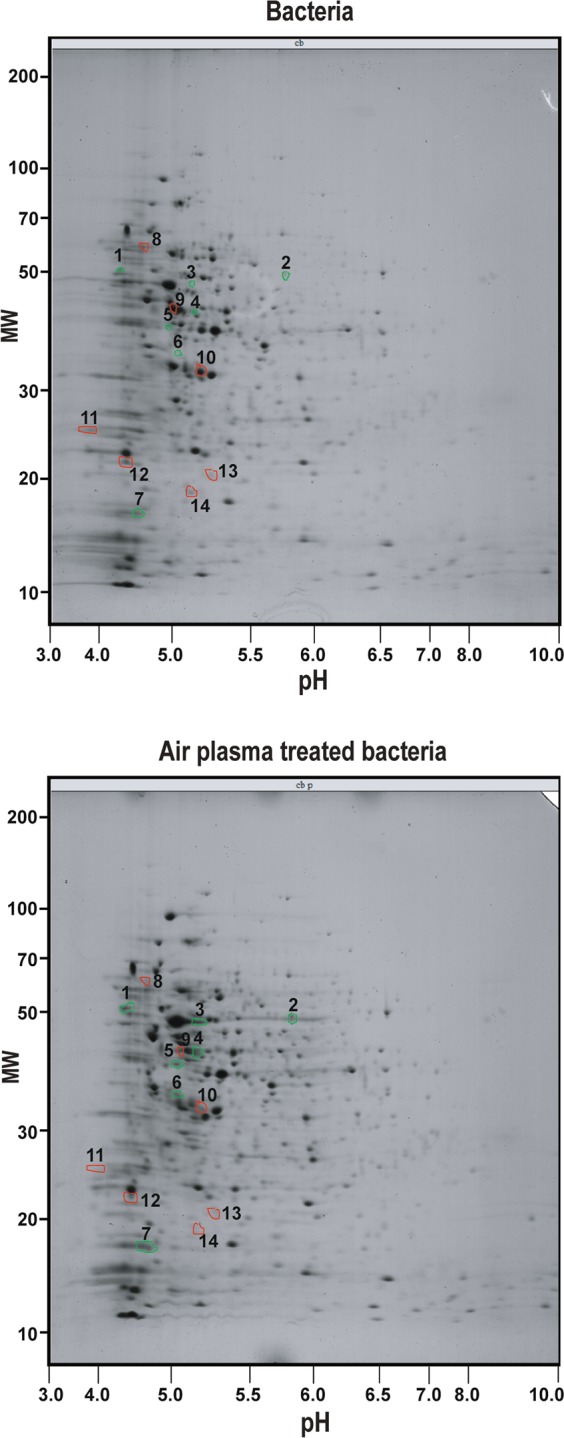
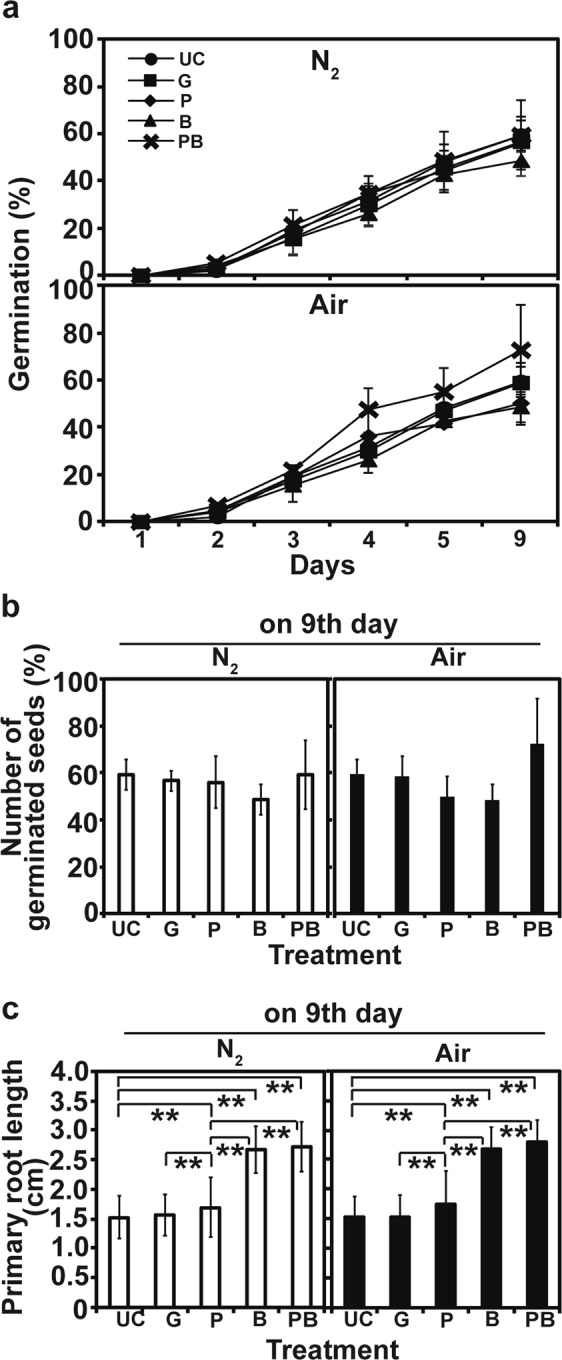
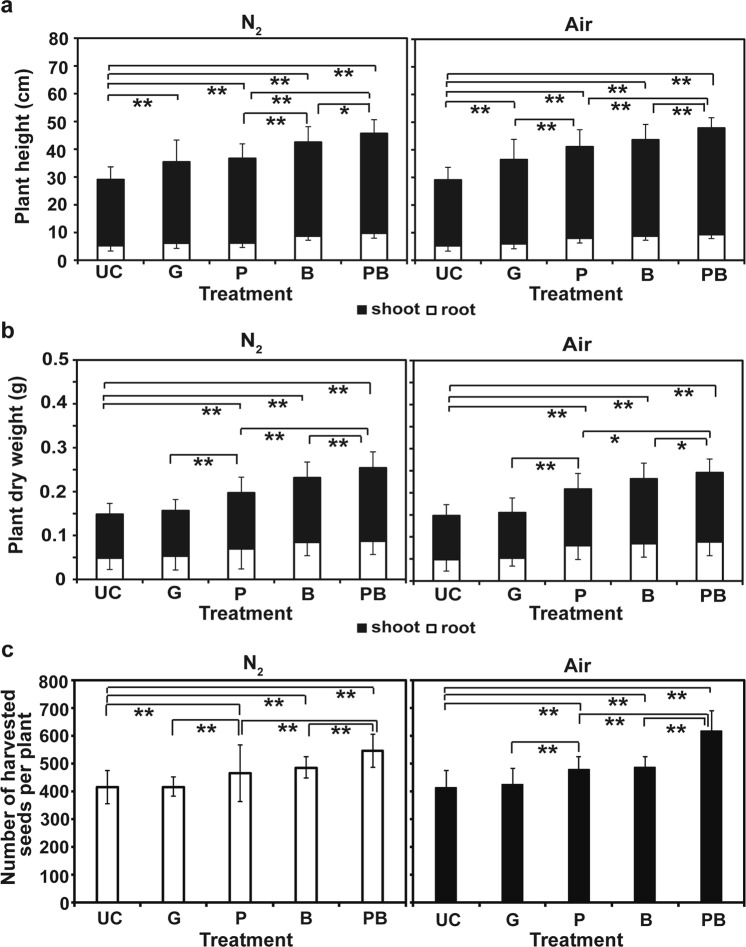
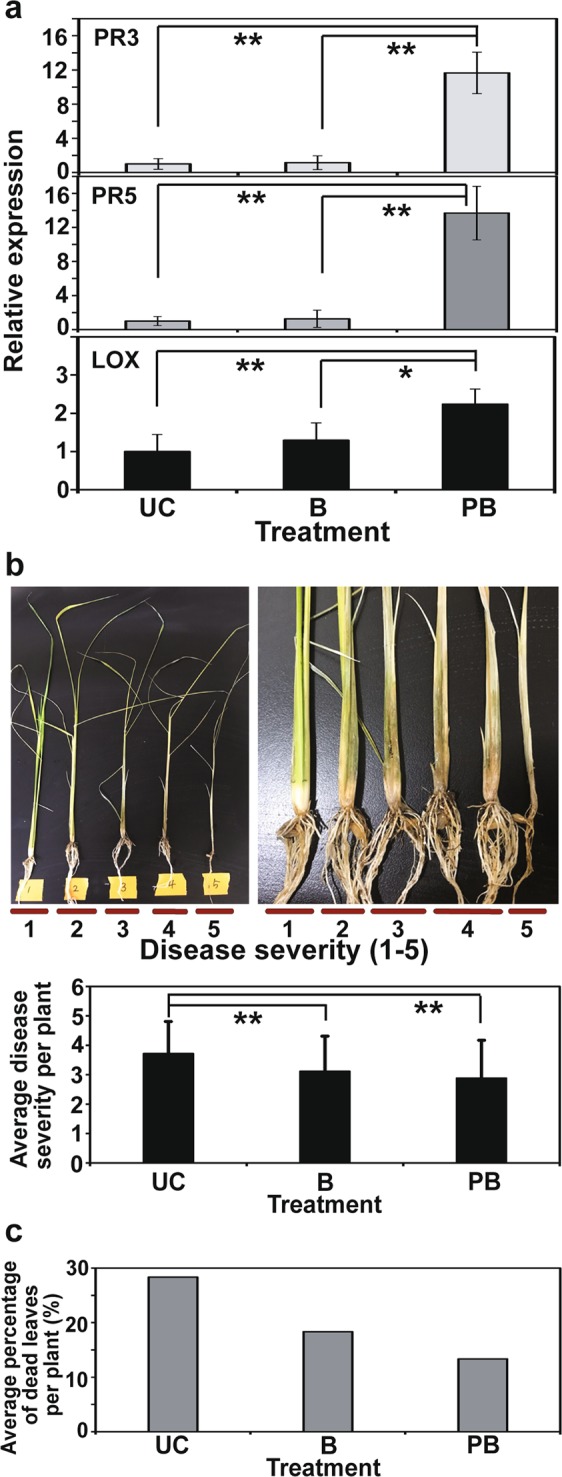
The inconsistent vitality and efficiency of plant growth promoting bacteria (PGPB) are technical limitations in the application of PGPB as biofertilizer. To improve these disadvantages, we examined the potential of micro Dielectric Barrier Discharge (DBD) plasma to enhance the vitality and functional activity of a PGPB, Bacillus subtilis CB-R05. Bacterial multiplication and motility were increased after plasma treatment, and the level of a protein involved in cell division was elevated in plasma treated bacteria. Rice seeds inoculated with plasma treated bacteria showed no significant change in germination, but growth and grain yield of rice plants were significantly enhanced. Rice seedlings infected with plasma treated bacteria showed elevated tolerance to fungal infection. SEM analysis demonstrated that plasma treated bacteria colonized more densely in the broader area of rice plant roots than untreated bacteria. The level of IAA (Indole-3-Acetic Acid) and SA (Salicylic Acid) hormone was higher in rice plants infected with plasma treated than with untreated bacteria. Our results suggest that plasma can accelerate bacterial growth and motility, possibly by increasing the related gene expression, and the increased bacterial vitality improves colonization within plant roots and elevates the level of phytohormones, leading to the enhancement of plant growth, yield, and tolerance to disease.
植物促生菌(PGPB)活力和效率的不一致性是将 PGPB 作为生物肥料应用的技术限制。为了改善这些缺点,我们研究了微介质阻挡放电(DBD)等离子体增强 PGPB,枯草芽孢杆菌 CB-R05 的活力和功能活性的潜力。等离子体处理后,细菌的繁殖和运动能力增强,参与细胞分裂的一种蛋白质水平升高。等离子体处理后的细菌接种的水稻种子发芽没有明显变化,但水稻植株的生长和籽粒产量显著提高。用等离子体处理的细菌感染的水稻幼苗对真菌感染的耐受性提高。SEM 分析表明,与未处理的细菌相比,等离子体处理的细菌在水稻植株根部更广泛的区域更密集地定植。用等离子体处理的细菌感染的水稻植物中 IAA(吲哚-3-乙酸)和 SA(水杨酸)激素水平更高。我们的结果表明,等离子体可以加速细菌的生长和运动,可能通过增加相关基因的表达,增加细菌活力,改善植物根系内的定植,并提高植物激素水平,从而增强植物的生长、产量和对疾病的耐受性。