Hu Guodong, Wang Xiu, Han Yi, Wang Ping
Department of Urology, the Affiliated Fourth Hospital of China Medical University, Shenyang, Liaoning, China.
Department of Urology, Shenyang Red Cross Hospital, Shenyang, Liaoning, China.
EXCLI J. 2018 Nov 20;17:1157-1166. doi: 10.17179/excli2018-1719. eCollection 2018.
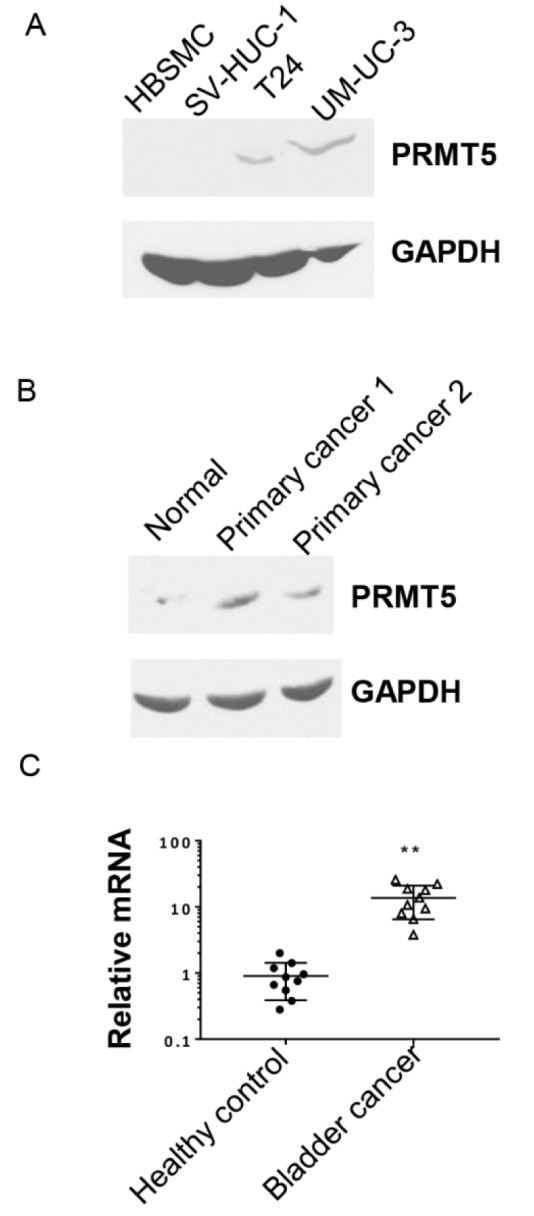
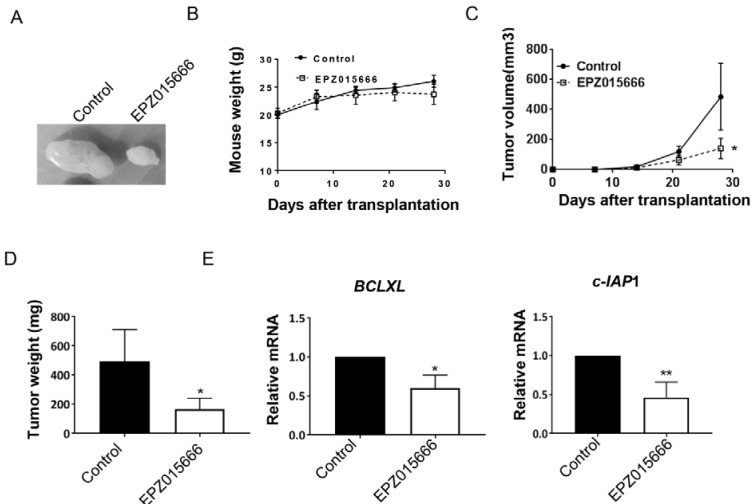
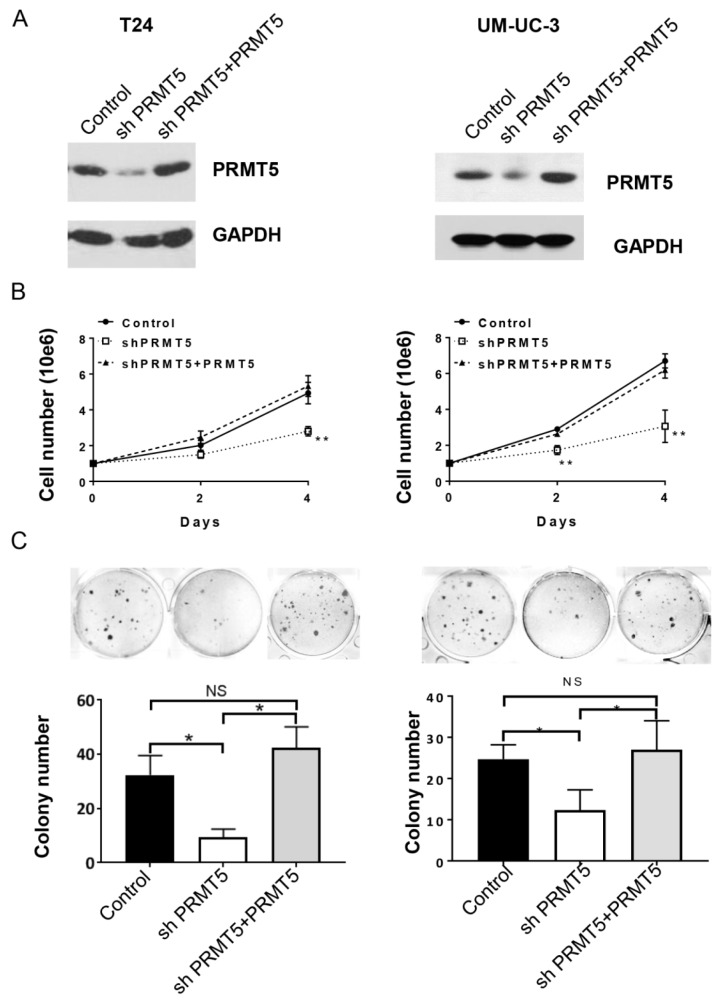
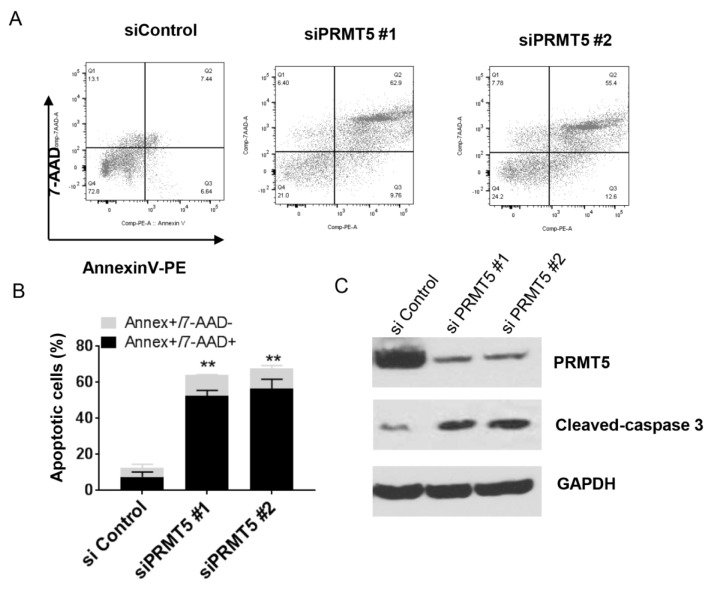
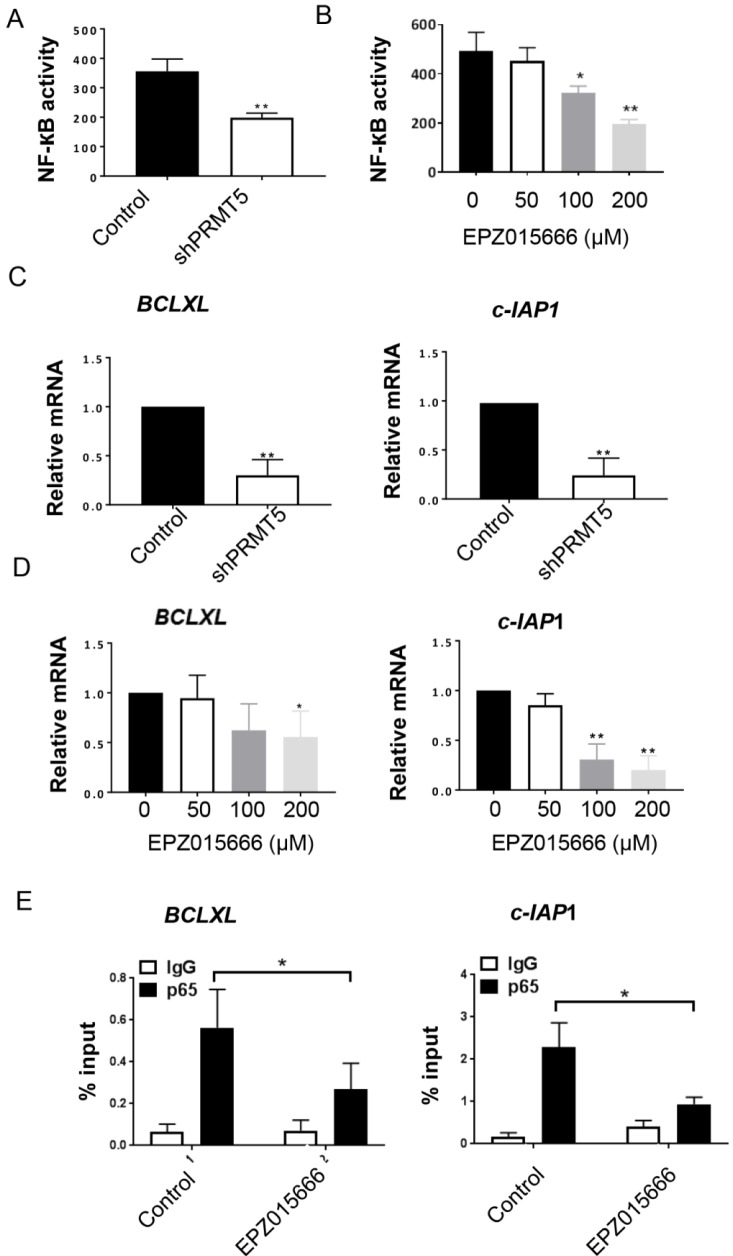
Protein arginine methyltransferase 5 (PRMT5) has emerged as a key regulator of tumorigenesis. However, how PRMT5 functions in bladder cancer, the most common malignancy of the urological system, is unknown. We described here that PRMT5 is highly expressed in bladder cancer cell lines and primary human bladder cancer tissues. PRMT5 enhances the proliferation and colony formation of bladder cancer cells. PRMT5 knockdown induces bladder cancer cell apoptosis. Mechanistically, PRMT5 enhances NF-kB activation by targeting crucial anti-apoptotic genes such as and , thereby inhibiting tumor cell apoptosis and sustaining proliferation. Importantly, PRMT5 inhibitor opposed tumor growth and and transcription in the bladder cancer xenograft model. Collectively, the current suggests the crucial role of PRMT5 as a promising therapeutic target in bladder cancers.
蛋白质精氨酸甲基转移酶5(PRMT5)已成为肿瘤发生的关键调节因子。然而,PRMT5在泌尿系统最常见的恶性肿瘤——膀胱癌中如何发挥作用尚不清楚。我们在此描述,PRMT5在膀胱癌细胞系和原发性人膀胱癌组织中高表达。PRMT5增强膀胱癌细胞的增殖和集落形成。PRMT5敲低诱导膀胱癌细胞凋亡。机制上,PRMT5通过靶向关键的抗凋亡基因如 和 来增强NF-κB激活,从而抑制肿瘤细胞凋亡并维持增殖。重要的是,PRMT5抑制剂在膀胱癌异种移植模型中对抗肿瘤生长以及 和 的转录。总的来说,目前的研究表明PRMT5作为膀胱癌有前景的治疗靶点具有关键作用。