Department of Biochemistry and Molecular Medicine, Faculty of Medicine, Université de Montréal, Montréal (Québec), Canada.
Department of Stomatology, Faculty of Dentistry, Université de Montréal, Montréal (Québec), Canada.
Sci Rep. 2019 Feb 4;9(1):1144. doi: 10.1038/s41598-018-38171-5.
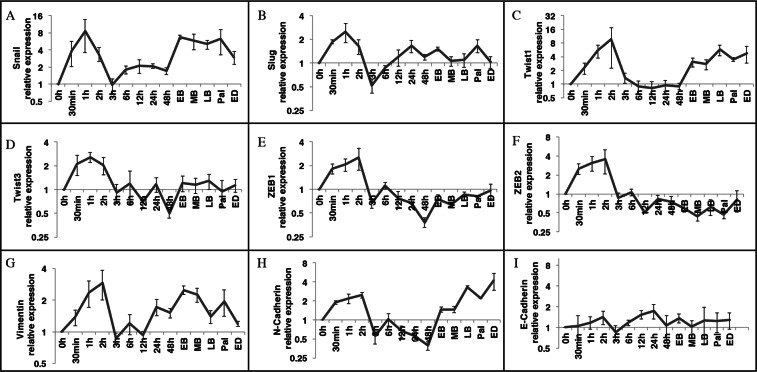
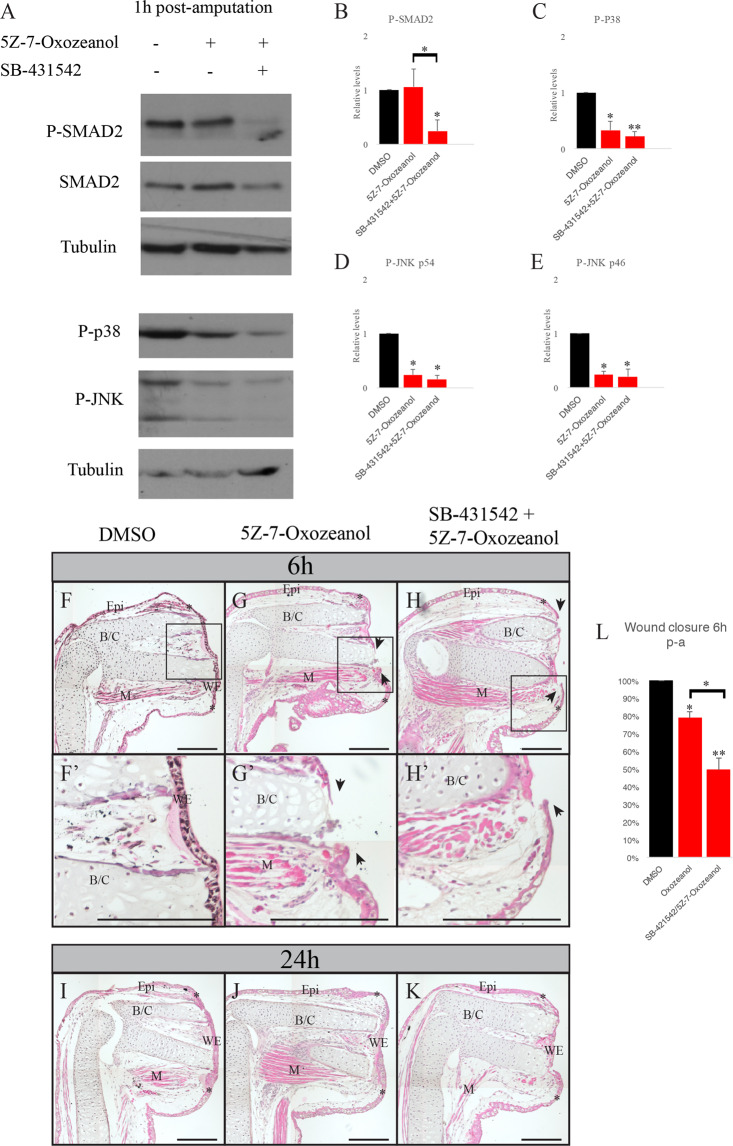
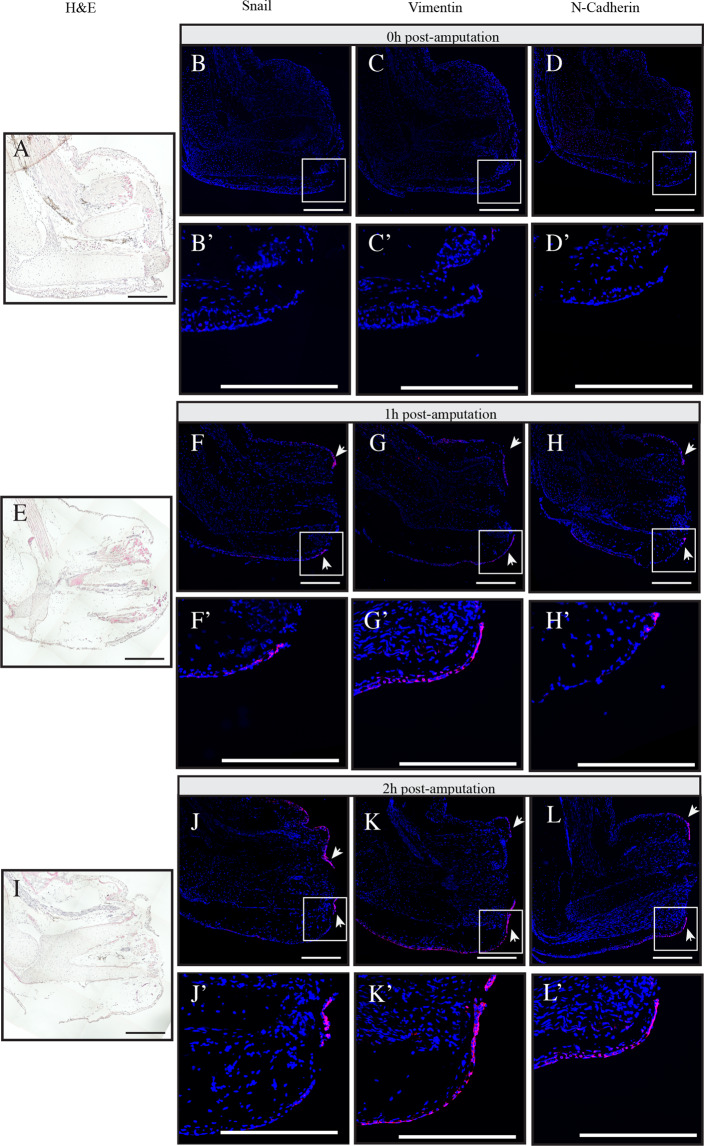
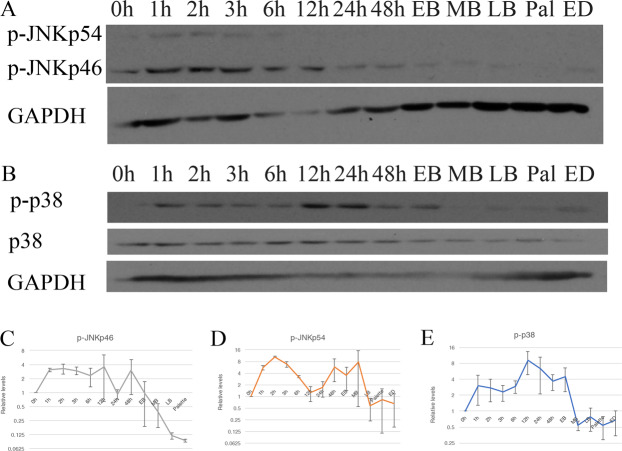
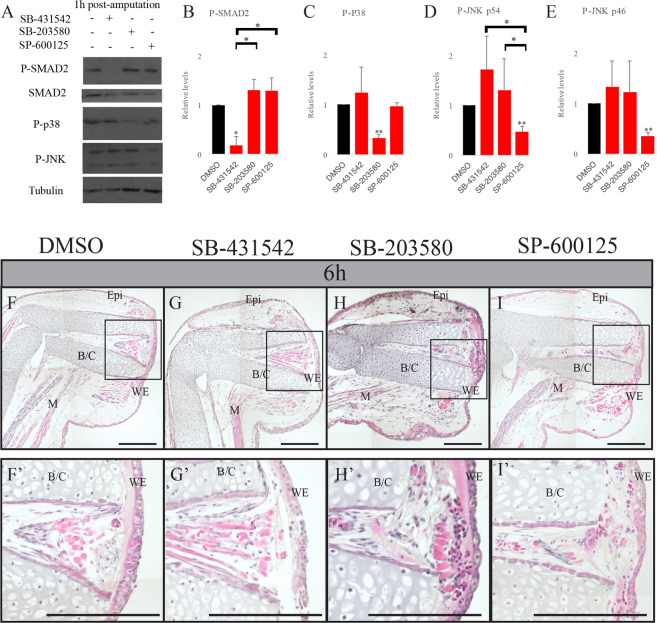
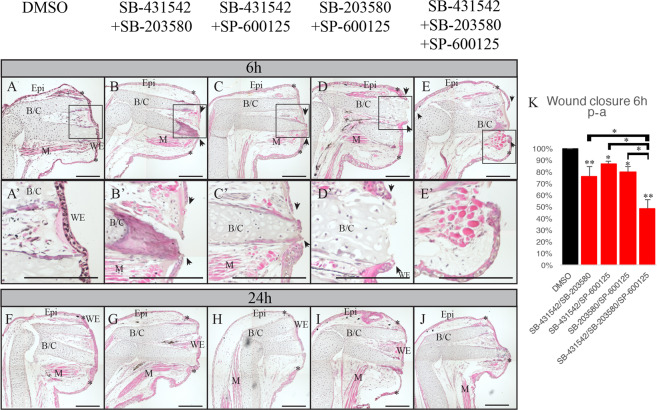
Axolotls have the amazing ability to regenerate. When compared to humans, axolotls display a very fast wound closure, no scarring and are capable to replace lost appendages perfectly. Understanding the signaling mechanism leading to this perfect healing is a key step to help develop regenerative treatments for humans. In this paper, we studied cellular pathways leading to axolotl limb regeneration. We focus on the wound closure phase where keratinocytes migrate to close the lesion site and how epithelial to mesenchymal transitions are involved in this process. We observe a correlation between wound closure and EMT marker expression. Functional analyses using pharmacological inhibitors showed that the TGF-β/SMAD (canonical) and the TGF-β/p38/JNK (non-canonical) pathways play a role in the rate to which the keratinocytes can migrate. When we treat the animals with a combination of inhibitors blocking both canonical and non-canonical TGF-β pathways, it greatly reduced the rate of wound closure and had significant effects on certain known EMT genes.
蝾螈具有惊人的再生能力。与人类相比,蝾螈的伤口闭合速度非常快,不会留下疤痕,并且能够完美地替换失去的肢体。了解导致这种完美愈合的信号机制是帮助开发人类再生治疗方法的关键步骤。在本文中,我们研究了导致蝾螈肢体再生的细胞途径。我们专注于伤口闭合阶段,即角质细胞迁移以封闭病变部位,以及上皮细胞到间充质转化如何参与这一过程。我们观察到伤口闭合与 EMT 标志物表达之间存在相关性。使用药理学抑制剂进行的功能分析表明,TGF-β/SMAD(经典)和 TGF-β/p38/JNK(非经典)途径在角质细胞迁移速度中起作用。当我们用同时阻断经典和非经典 TGF-β 途径的抑制剂处理动物时,它大大降低了伤口闭合的速度,并对某些已知的 EMT 基因产生了显著影响。