Tian Guixiang, Pan Ruiyan, Zhang Bo, Qu Meihua, Lian Bo, Jiang Hong, Gao Zhiqin, Wu Jingliang
School of Bioscience and Technology, Weifang Medical University, Weifang, China.
School of Pharmacy, Weifang Medical University, Weifang, China.
Front Pharmacol. 2019 Jan 22;10:4. doi: 10.3389/fphar.2019.00004. eCollection 2019.
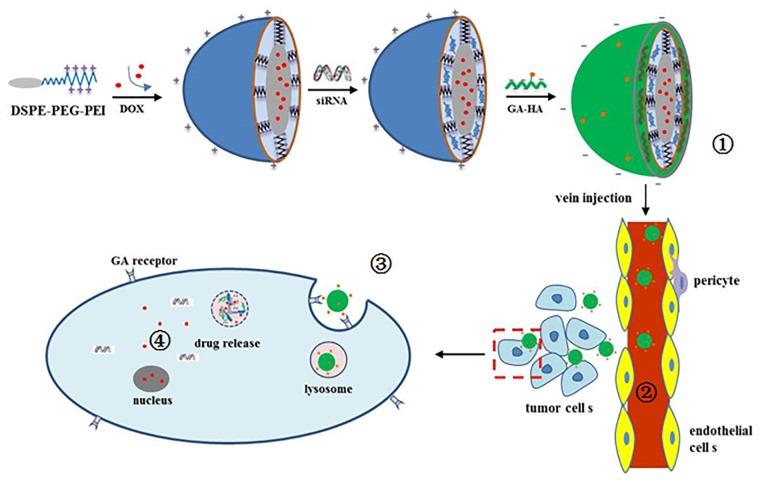
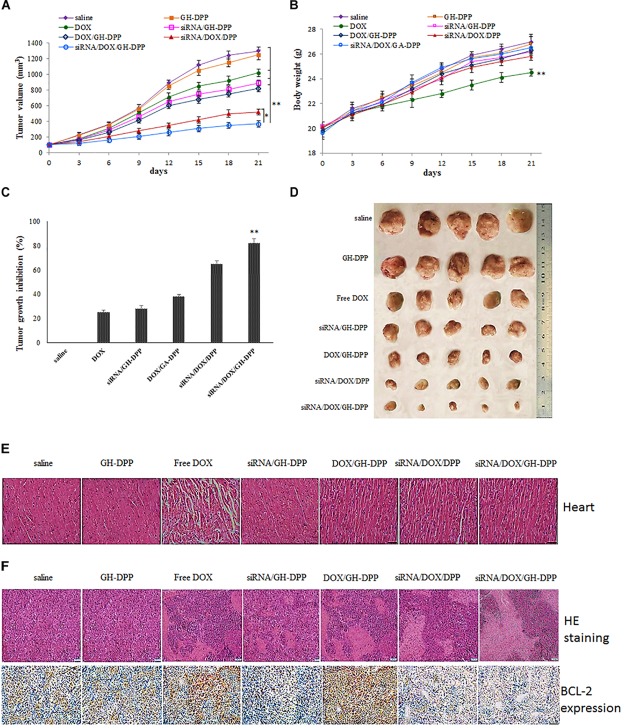
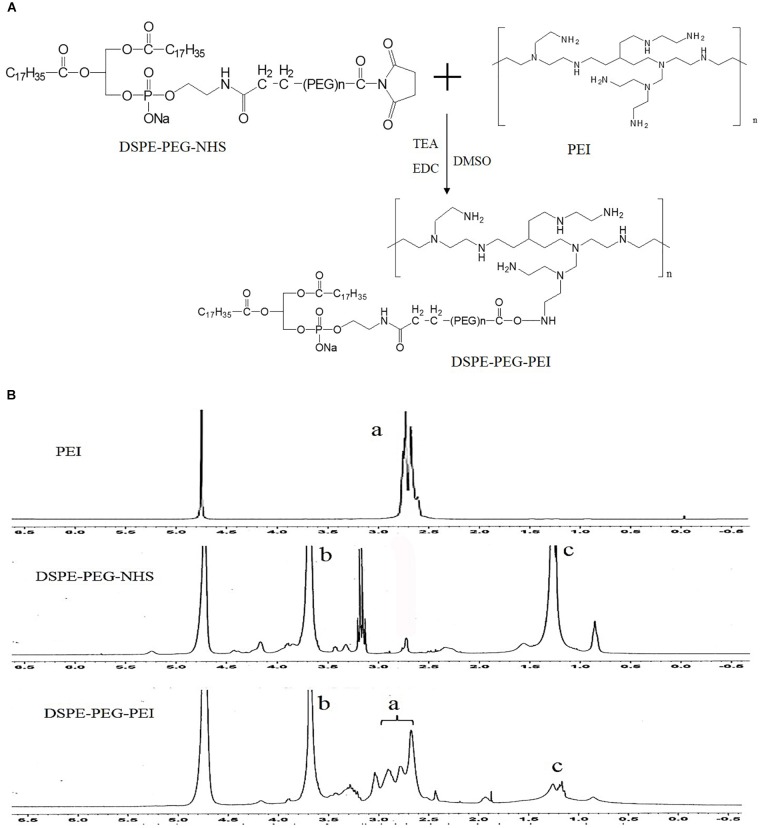
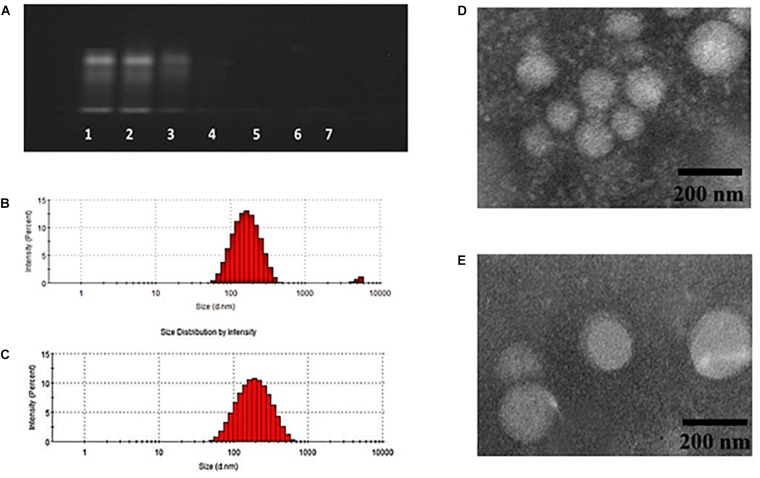
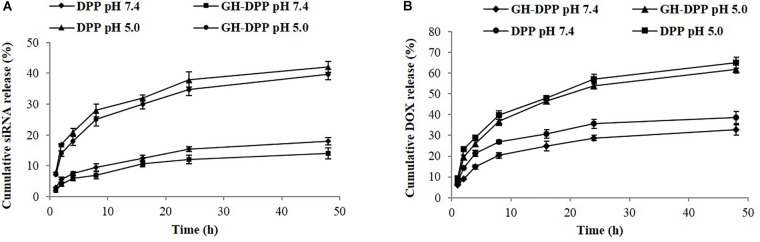
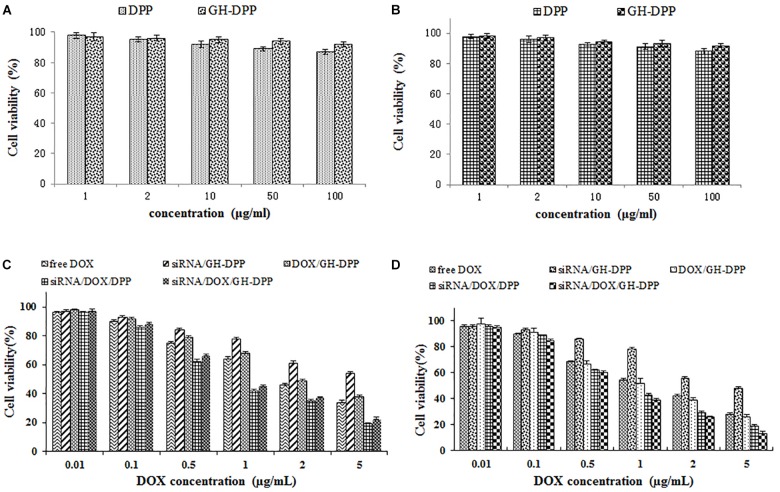
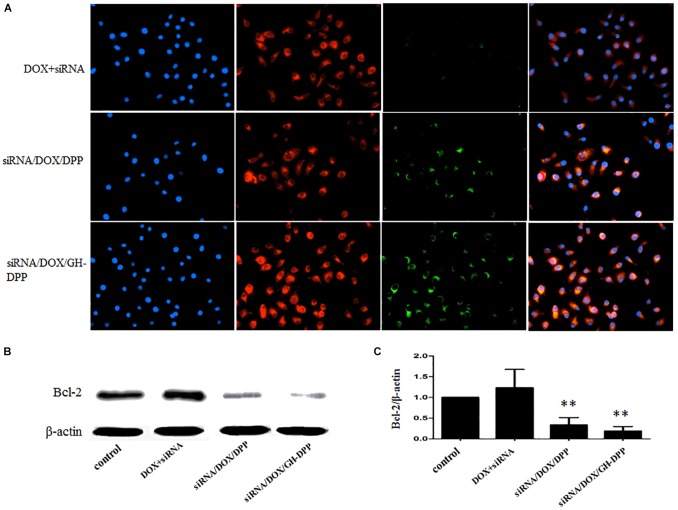
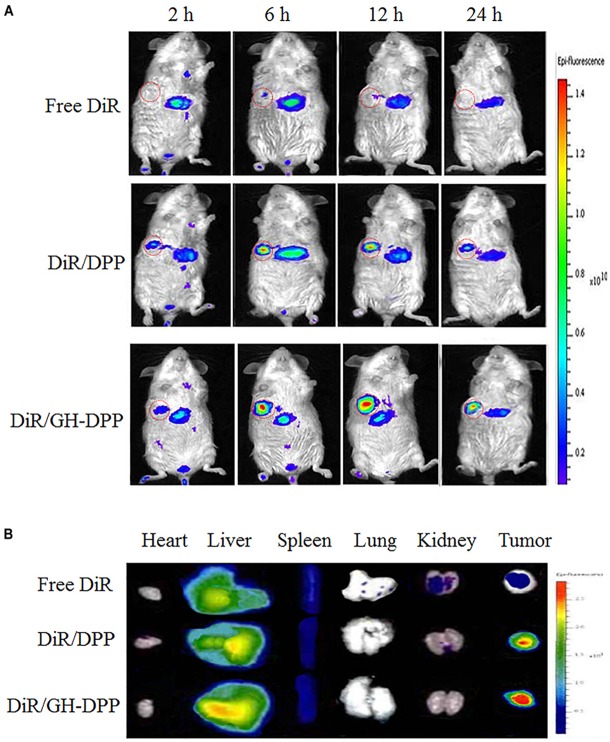
Combination therapy based on nano-sized drug delivery system has been developed as a promising strategy by combining two or more anti-tumor mechanisms. Here, we prepared liver-targeted nanoparticles (GH-DPP) composed of 1,2-distearoyl-sn-glycero-3-phosphoethanolamine-polyethylene glycol-polyetherimide (DSPE-PEG-PEI) with Glycyrrhetinic acid-modified hyaluronic acid (GA-HA) for co-delivery of doxorubicin (DOX) and Bcl-2 siRNA. Particles size, zeta potential and morphology were determined for the drug-loaded GH-DPP nanoparticles (siRNA/DOX/GH-DPP). Cellular uptake and cytotoxicity were analyzed against HepG2 cells. bio-distribution and anti-tumor therapeutic effects of siRNA/DOX/GH-DPP were evaluated in H22-bearing mice. The results showed that siRNA/DOX/GH-DPP nanoparticles were nearly spherical and showed dose-dependent cytotoxicity against HepG2 cells. Compared to Glycyrrhetinic acid-free co-delivery system (siRNA/DOX/DPP) and GH-DPP nanoparticles for delivery of DOX or Bcl-2 siRNA alone, siRNA/DOX/GH-DPP nanoparticles could induce more cellular apoptosis, and showed higher anti-tumor effect. Herein GH-DPP nanoparticles could simultaneously deliver both chemotherapy drugs and siRNA into the tumor region, exhibiting great potential in anti-tumor therapy.
基于纳米级药物递送系统的联合疗法通过结合两种或更多种抗肿瘤机制已被开发为一种有前景的策略。在此,我们制备了由1,2-二硬脂酰-sn-甘油-3-磷酸乙醇胺-聚乙二醇-聚醚酰亚胺(DSPE-PEG-PEI)与甘草次酸修饰的透明质酸(GA-HA)组成的肝靶向纳米颗粒(GH-DPP),用于共递送阿霉素(DOX)和Bcl-2小干扰RNA(siRNA)。测定了载药的GH-DPP纳米颗粒(siRNA/DOX/GH-DPP)的粒径、ζ电位和形态。分析了其对HepG2细胞的细胞摄取和细胞毒性。在荷H22小鼠中评估了siRNA/DOX/GH-DPP的生物分布和抗肿瘤治疗效果。结果表明,siRNA/DOX/GH-DPP纳米颗粒近乎球形,对HepG2细胞表现出剂量依赖性细胞毒性。与不含甘草次酸的共递送系统(siRNA/DOX/DPP)以及单独用于递送DOX或Bcl-2 siRNA的GH-DPP纳米颗粒相比,siRNA/DOX/GH-DPP纳米颗粒可诱导更多的细胞凋亡,并显示出更高的抗肿瘤效果。在此,GH-DPP纳米颗粒可同时将化疗药物和siRNA递送至肿瘤区域,在抗肿瘤治疗中展现出巨大潜力。