Faculty of Medicine and Dentistry, Plymouth University, Plymouth, Devon, UK; School of Pharmacy, Hubei University of Science and Technology, Xian-Ning City, Hubei, China; The Co-innovation Center of Neuroregeneration, Nantong University, Jiangsu Province, China.
Faculty of Medicine and Dentistry, Plymouth University, Plymouth, Devon, UK.
Cell Rep. 2019 Feb 5;26(6):1458-1472.e4. doi: 10.1016/j.celrep.2018.12.081.
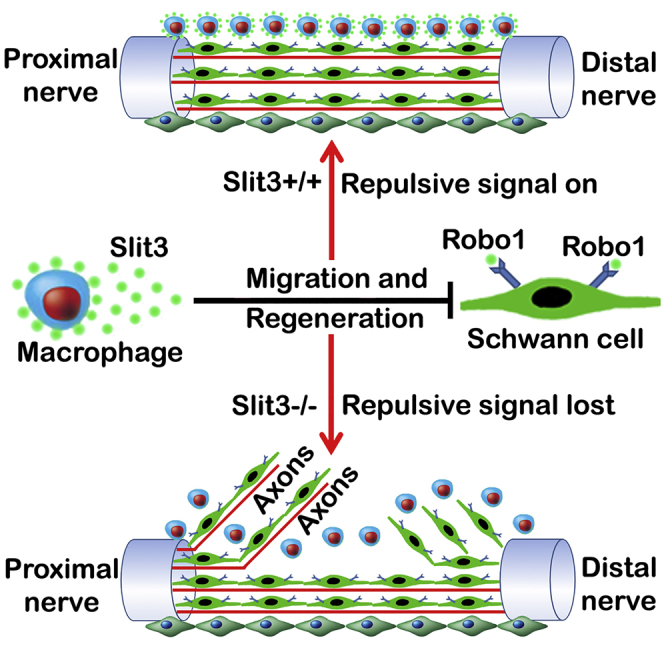
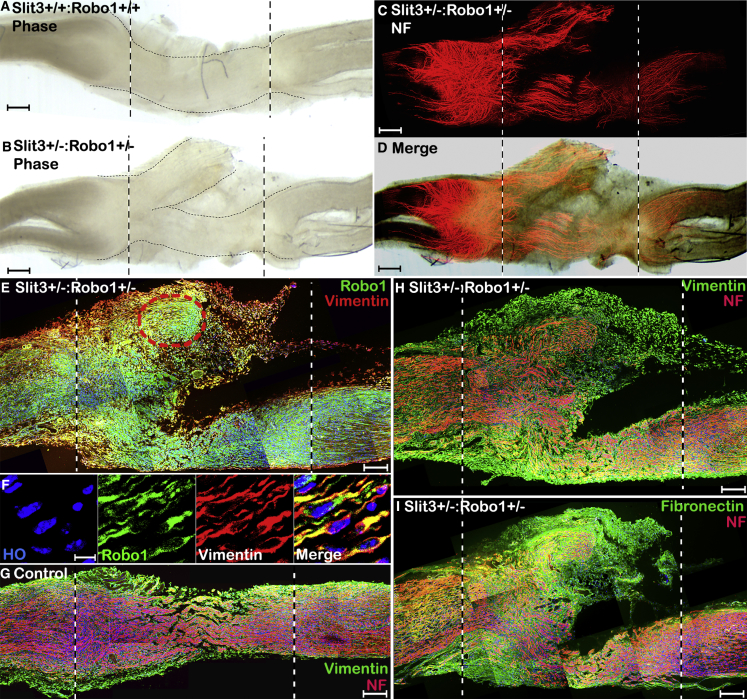
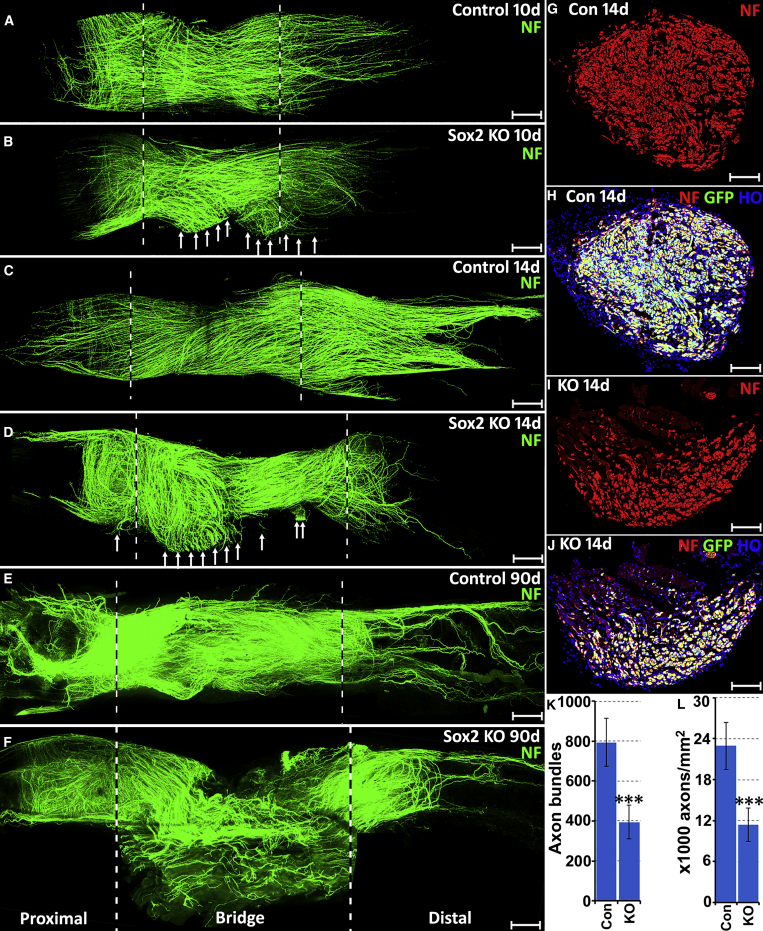
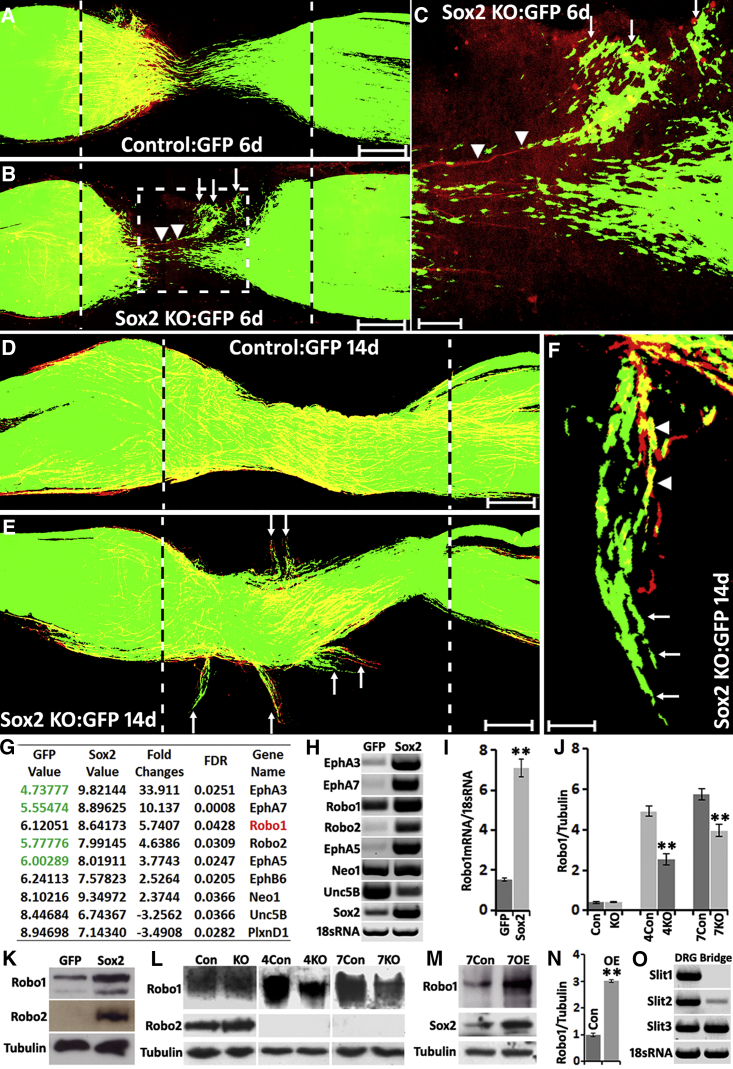
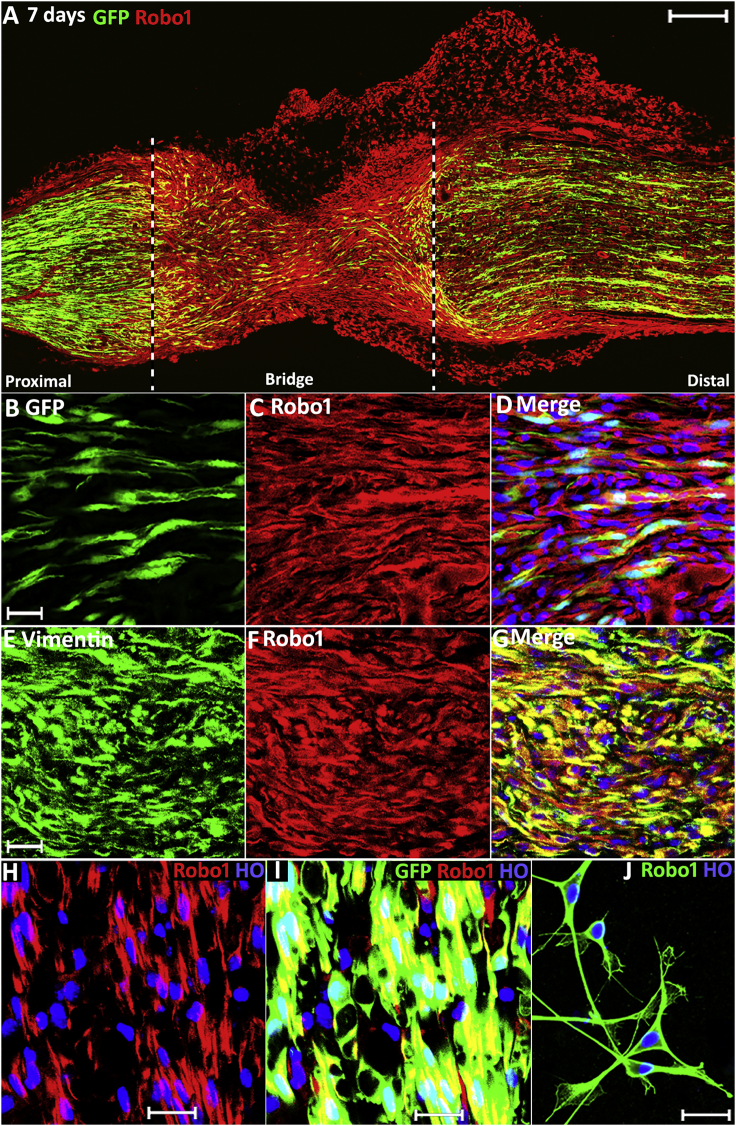
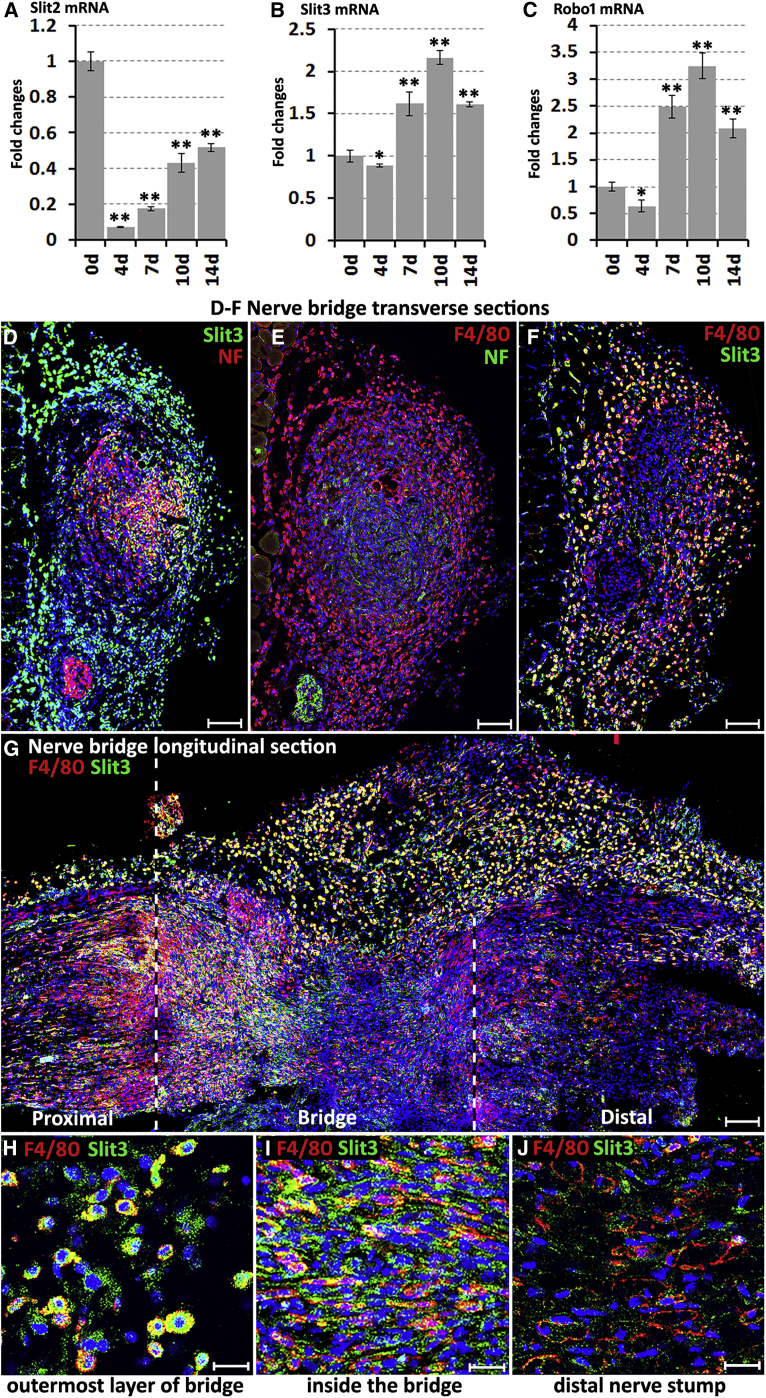
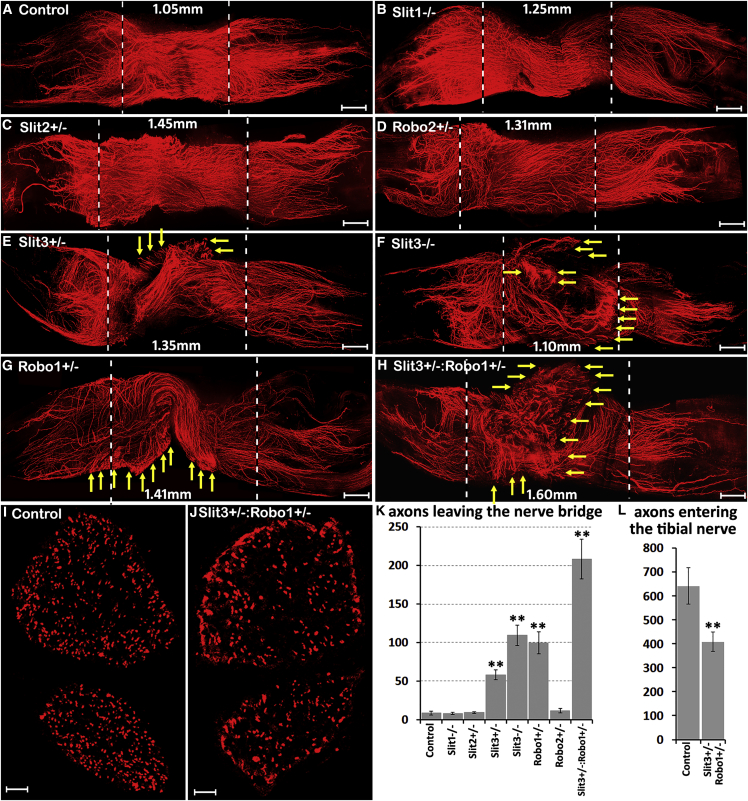
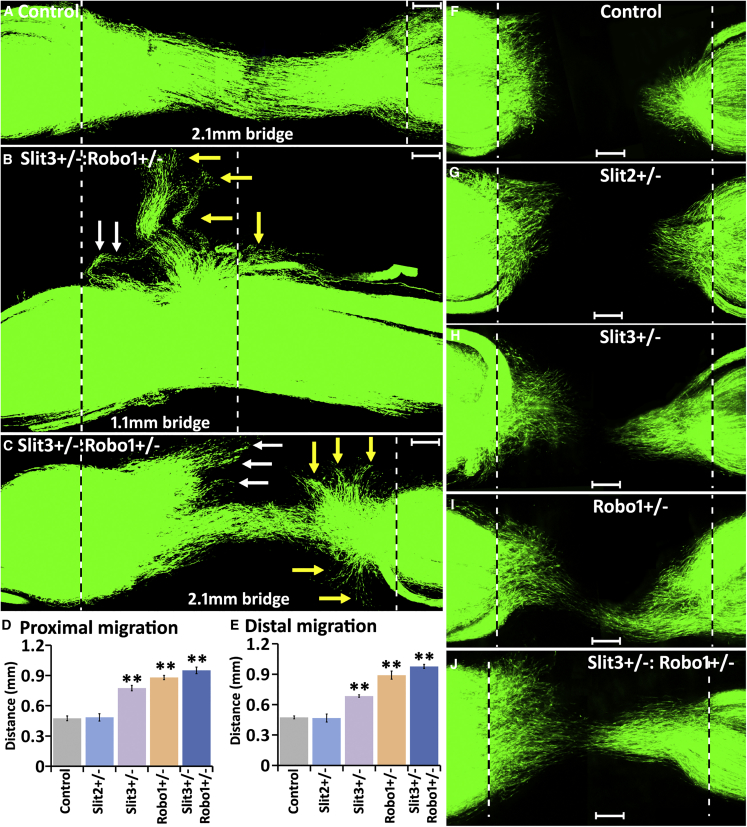
Slit-Robo signaling has been characterized as a repulsive signal for precise axon pathfinding and cell migration during embryonic development. Here, we describe a role for Sox2 in the regulation of Robo1 in Schwann cells and for Slit3-Robo1 signaling in controlling axon guidance within the newly formed nerve bridge following peripheral nerve transection injury. In particular, we show that macrophages form the outermost layer of the nerve bridge and secrete high levels of Slit3, while migratory Schwann cells and fibroblasts inside the nerve bridge express the Robo1 receptor. In line with this pattern of Slit3 and Robo1 expression, we observed multiple axon regeneration and cell migration defects in the nerve bridge of Sox2-, Slit3-, and Robo1-mutant mice. Our findings have revealed important functions for macrophages in the peripheral nervous system, utilizing Slit3-Robo1 signaling to control correct peripheral nerve bridge formation and precise axon targeting to the distal nerve stump following injury.
缝隙连接蛋白-Robo 信号通路在胚胎发育过程中对精确的轴突寻路和细胞迁移具有排斥信号的作用。在这里,我们描述了 Sox2 对施万细胞中 Robo1 的调节作用,以及 Slit3-Robo1 信号通路在控制周围神经横断损伤后新形成的神经桥内轴突导向的作用。具体而言,我们发现巨噬细胞形成神经桥的最外层,并分泌高水平的 Slit3,而在神经桥内迁移的施万细胞和成纤维细胞则表达 Robo1 受体。与 Slit3 和 Robo1 表达的这种模式一致,我们在 Sox2、Slit3 和 Robo1 突变小鼠的神经桥中观察到多个轴突再生和细胞迁移缺陷。我们的研究结果揭示了巨噬细胞在外周神经系统中的重要功能,利用 Slit3-Robo1 信号通路控制正确的周围神经桥形成,并在损伤后将精确的轴突靶向到远端神经残端。