Research Team for Social Participation and Community Health, Tokyo Metropolitan Institute of Gerontology, 35-2 Sakae-cho, Itabashi-ku, Tokyo, 178-0015, Japan.
Institute of Gerontology, The University of Tokyo, Tokyo, Japan.
BMC Public Health. 2019 Feb 6;19(1):156. doi: 10.1186/s12889-019-6480-3.
Over the last several decades, social isolation and loneliness among older adults have posed an increasingly urgent challenge due to the rapidly aging population in Japan. To remedy the situation, many communities have introduced intergenerational programs. However, few studies have investigated the benefits of social capital across generations as a result of intergenerational interaction between children and older generations. Therefore, we aim to ascertain the degree to which intergenerational programs that take root in a community will affect the social capital of all generations in the community.
We focus our research on one specific program, REPRINTS, an intergenerational health promotion program for older adults that has been active for over 10 years in Tama Ward, Kawasaki City, Kanagawa Prefecture. We conducted a population-based cross-sectional study of residents between the ages of 20 and 84 years who were randomly selected from the basic resident register. Approximately 2500 residents were selected, of which 978 responded; data from 891 respondents were analyzed.
Hierarchical linear modeling suggests that the duration of programs was a significant community-level indicator of neighborhood trust. At the individual level, people between 30 and 59 years of age and people over 60 years of age have more positive effects on neighborhood trust than do people between 20 and 39 years of age.
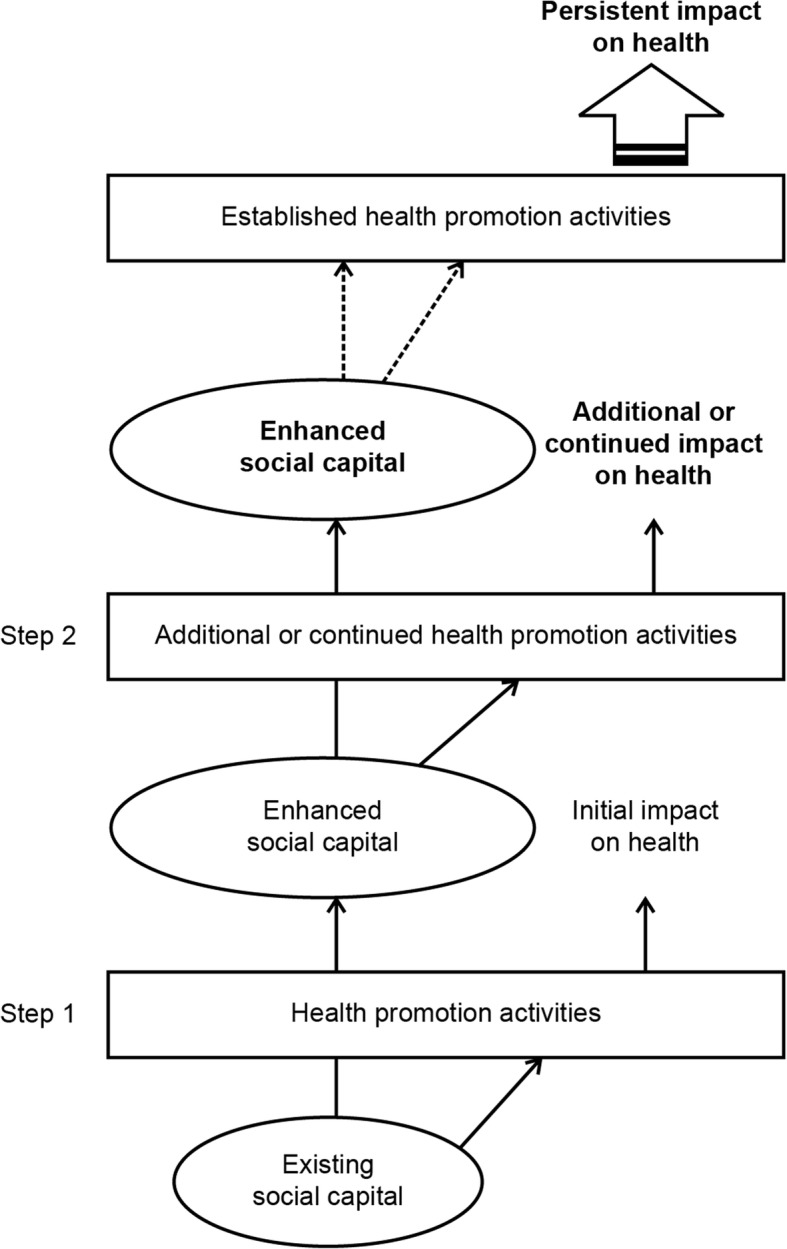
The ongoing intergenerational programs between older citizens and children can enforce neighborhood trust, thus strengthening a community's intergenerational ties. The REPRINTS program has been developed through cooperation with local citizens, senior volunteers, and teachers from the community. Its collaborative nature ensures longevity and continuous growth in a community. It is challenging to create long-term intergenerational programs that take root in communities, making persistence and collaboration a crucial factor in fruitful intergenerational relationships. Overall, ongoing intergenerational program implementation associates with building social capital, thereby strengthening potential intergenerational ties and promote mutual support among local residents which will reduce or prevent social isolation among older.
由于日本人口老龄化速度加快,过去几十年来,老年人的社会隔离和孤独感已成为一个日益紧迫的挑战。为了改善这种情况,许多社区都引入了代际项目。然而,由于儿童与老年人之间的代际互动导致了代际间的社会资本,因此很少有研究调查代际互动对社会资本的影响。因此,我们旨在确定扎根于社区的代际计划在多大程度上会影响社区中所有世代的社会资本。
我们将研究重点放在一个特定的项目上,即 REPRINTS,这是一个针对老年人的代际健康促进计划,在神奈川县川崎市多摩区已经活跃了 10 多年。我们对年龄在 20 至 84 岁之间的居民进行了基于人群的横断面研究,这些居民是从基本居民登记册中随机选择的。大约选择了 2500 名居民,其中有 978 人做出了回应;对 891 名受访者的数据进行了分析。
层次线性模型表明,项目的持续时间是邻里信任的一个重要社区水平指标。在个人层面上,30 至 59 岁的人和 60 岁以上的人对邻里信任的影响比 20 至 39 岁的人更为积极。
老年人和儿童之间持续的代际计划可以加强邻里信任,从而加强社区的代际联系。REPRINTS 计划是通过与当地公民、高级志愿者以及社区教师合作而制定的。它的合作性质确保了社区的长期发展和持续增长。在社区中创建长期的代际计划具有挑战性,因此坚持和合作是代际关系取得成果的关键因素。总的来说,持续的代际计划的实施与社会资本的建设有关,从而加强了潜在的代际联系,并促进了当地居民之间的相互支持,这将减少或预防老年人的社会隔离。