Stem Cell Program, Boston Children's Hospital, Boston, MA.
Division of Pediatric Hematology, Oncology, and Stem Cell Transplantation, Dana Farber Cancer Institute and Boston Children's Hospital, Boston, MA.
J Exp Med. 2019 Mar 4;216(3):527-538. doi: 10.1084/jem.20181765. Epub 2019 Feb 6.
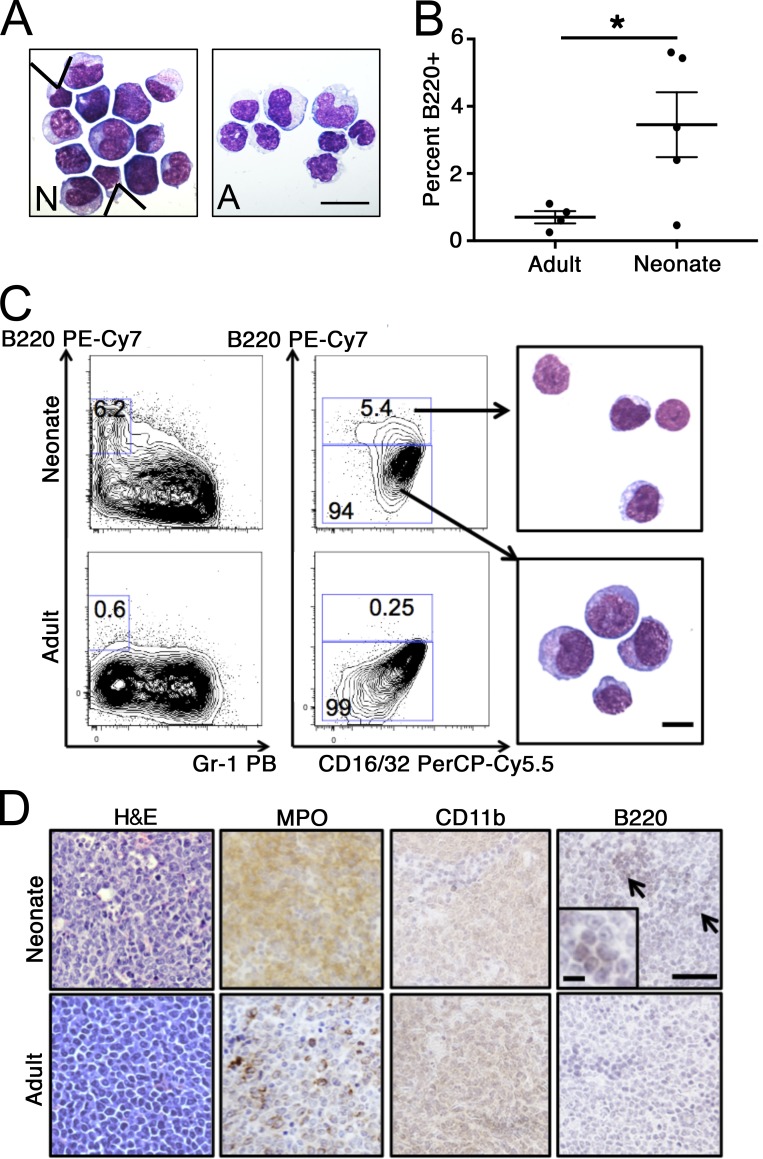
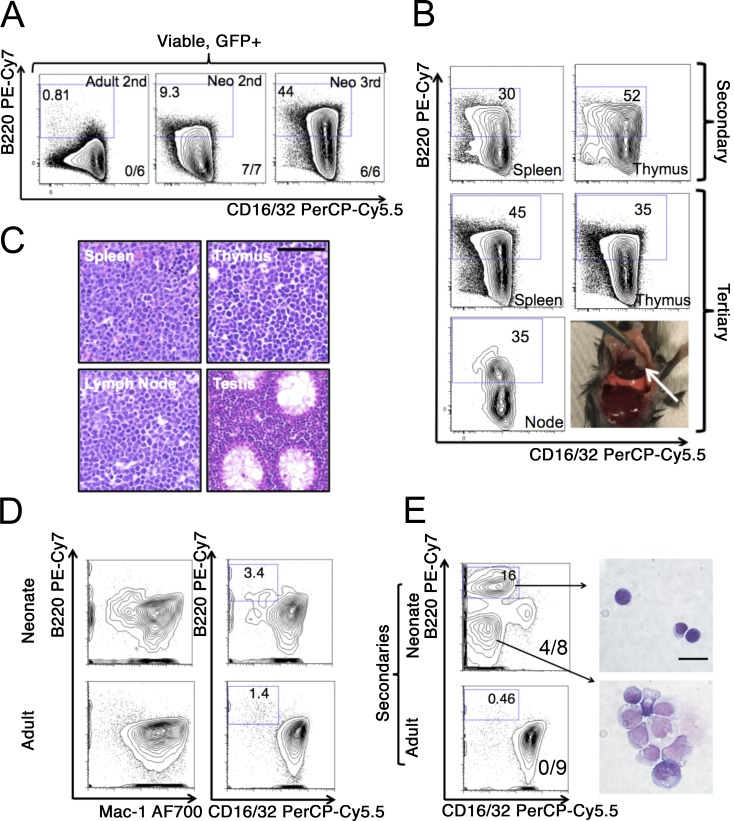
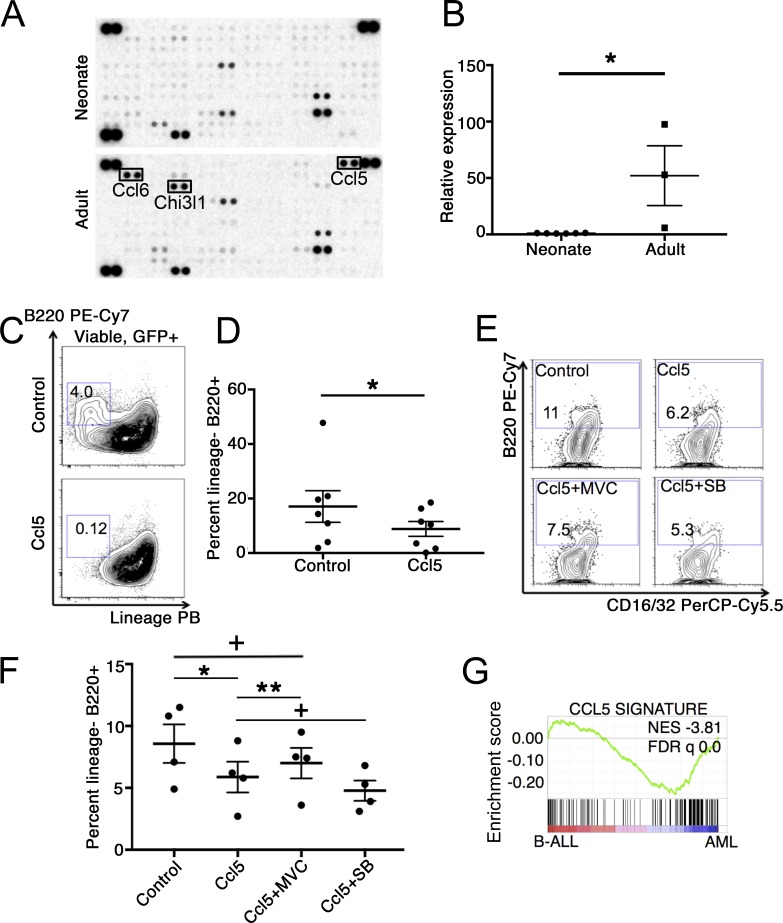
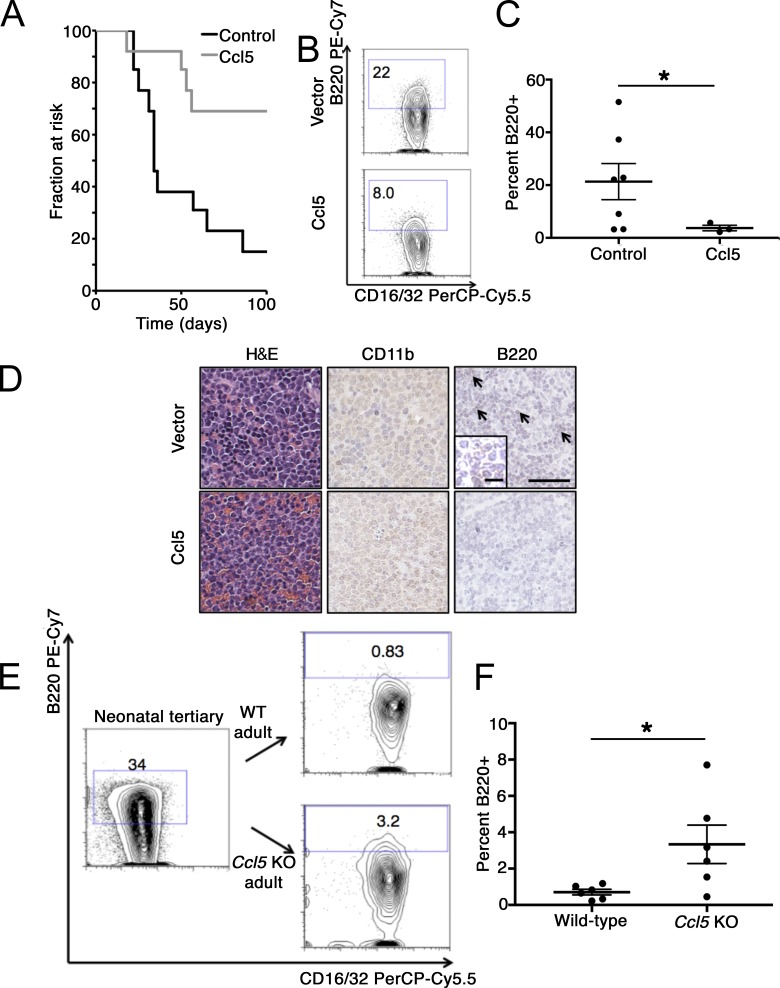
Leukemia phenotypes vary with age of onset. Delineating mechanisms of age specificity in leukemia could improve disease models and uncover new therapeutic approaches. Here, we used heterochronic transplantation of leukemia driven by / translocations to investigate the contribution of the age of the hematopoietic microenvironment to age-specific leukemia phenotypes. When driven by , leukemia cells in the adult microenvironment sustained a myeloid phenotype, whereas the neonatal microenvironment supported genesis of mixed early B cell/myeloid leukemia. In leukemia, the neonatal microenvironment potentiated B-lymphoid differentiation compared with the adult. Ccl5 elaborated from adult marrow stroma inhibited B-lymphoid differentiation of leukemia cells, illuminating a mechanism of age-specific lineage commitment. Our study illustrates the contribution of the developmental stage of the hematopoietic microenvironment in defining the age specificity of leukemia.
白血病表型随发病年龄而异。阐明白血病发病年龄特异性的机制可以改善疾病模型并揭示新的治疗方法。在这里,我们使用 / 易位驱动的白血病的异体移植来研究造血微环境年龄对特定年龄白血病表型的贡献。当由 驱动时,成年微环境中的白血病细胞维持髓样表型,而新生儿微环境则支持混合早期 B 细胞/髓样白血病的发生。在 白血病中,与成年相比,新生儿微环境增强了 B 淋巴细胞分化。来自成年骨髓基质的 Ccl5 抑制白血病细胞的 B 淋巴细胞分化,阐明了一种年龄特异性谱系定向的机制。我们的研究说明了造血微环境发育阶段在定义白血病的年龄特异性方面的贡献。