Zhu Dongrong, Chen Chen, Bai Lijuan, Kong Lingyi, Luo Jianguang
Jiangsu Key Laboratory of Bioactive Natural Product Research and State Key Laboratory of Natural Medicines, School of Traditional Chinese Pharmacy, China Pharmaceutical University, Nanjing 210009, China.
Evid Based Complement Alternat Med. 2019 Jan 13;2019:9406342. doi: 10.1155/2019/9406342. eCollection 2019.
Pharbitis Semen, the seeds of , is widely used as a traditional purgative medicine in China, Korea, and Japan. This study investigated the laxative effects of a purified resin glycoside fraction obtained in our previous study from Pharbitis Semen in vivo and in vitro.
After orally administering a purified resin glycoside fraction from Pharbitis Semen (RFP) to rats, the content of fecal water, AQP3, NF-B, COX-2 expression, and the prostaglandin E (PGE) concentrations in the colon were examined. Moreover, human intestinal epithelial cells (HT-29) were used to investigate the mechanism of RFP decreasing the AQP3 expression.
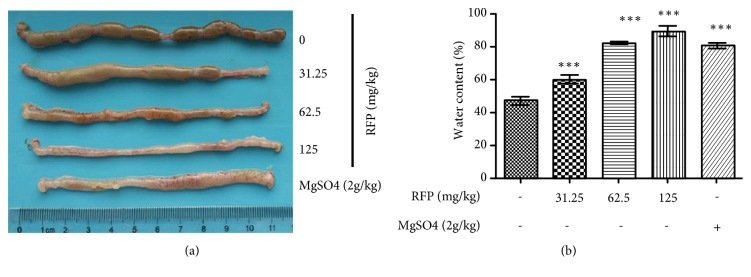
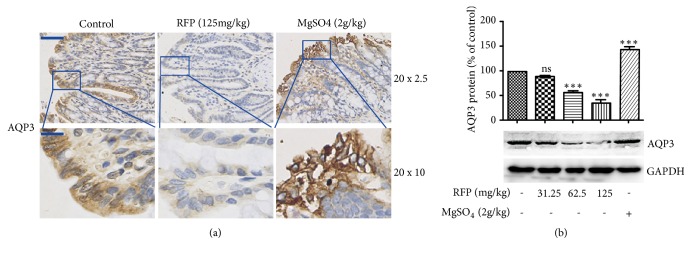
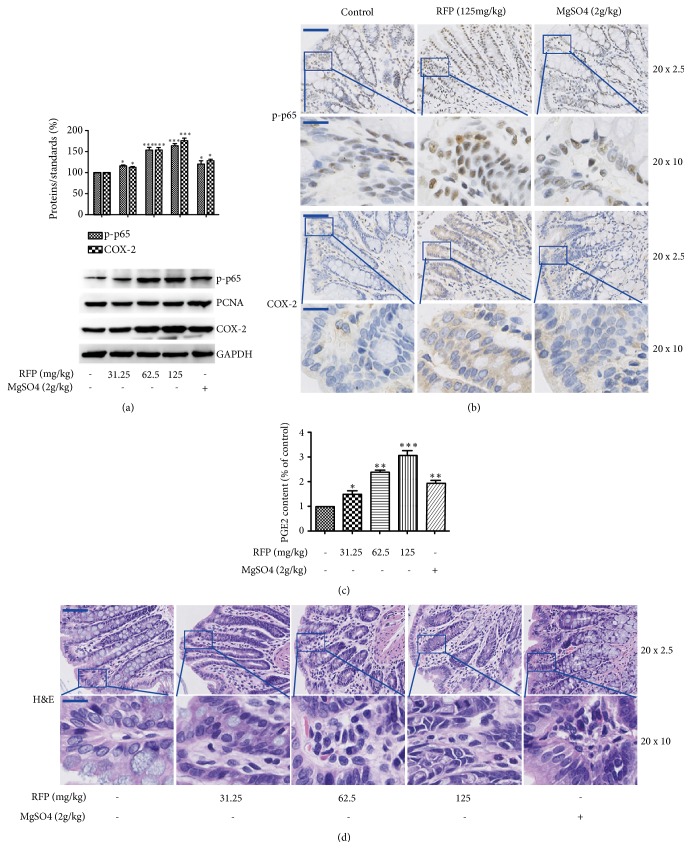
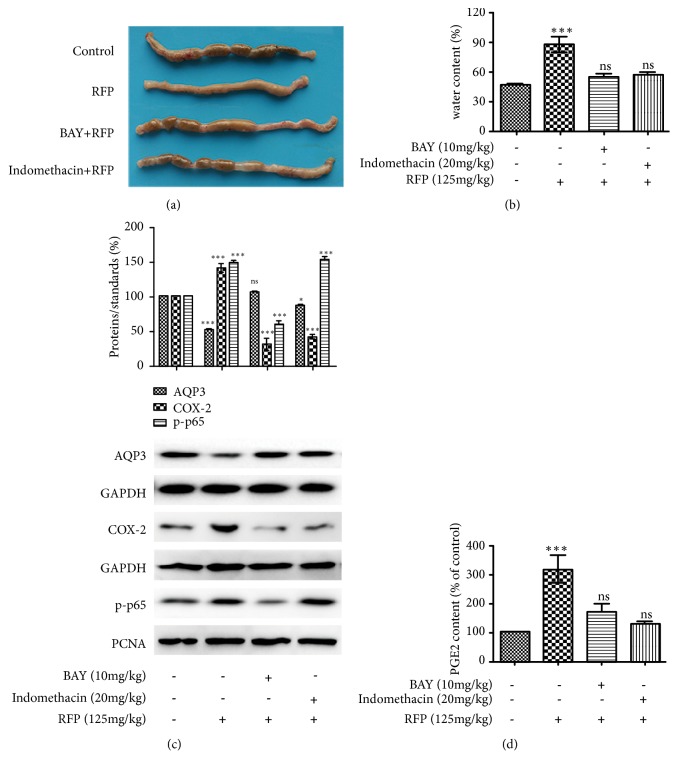
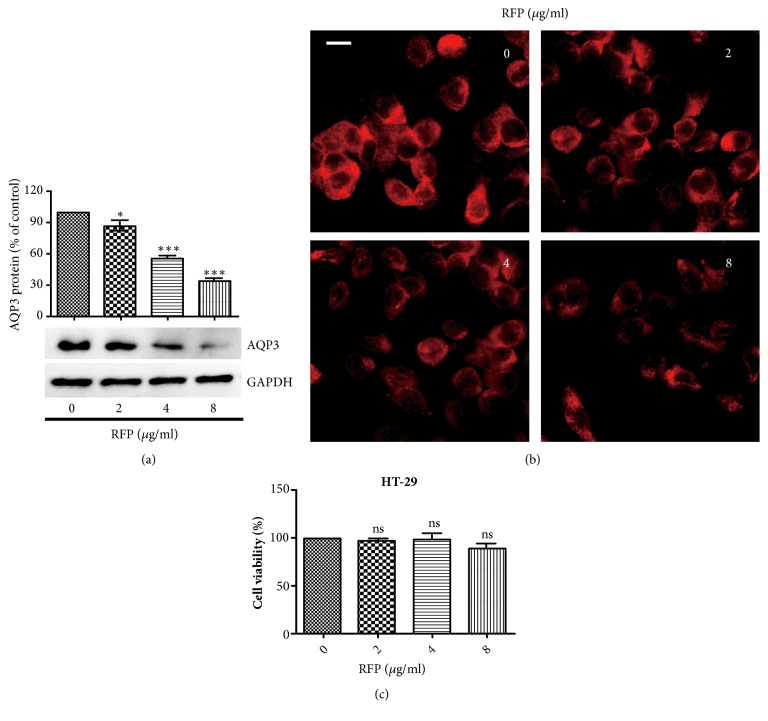
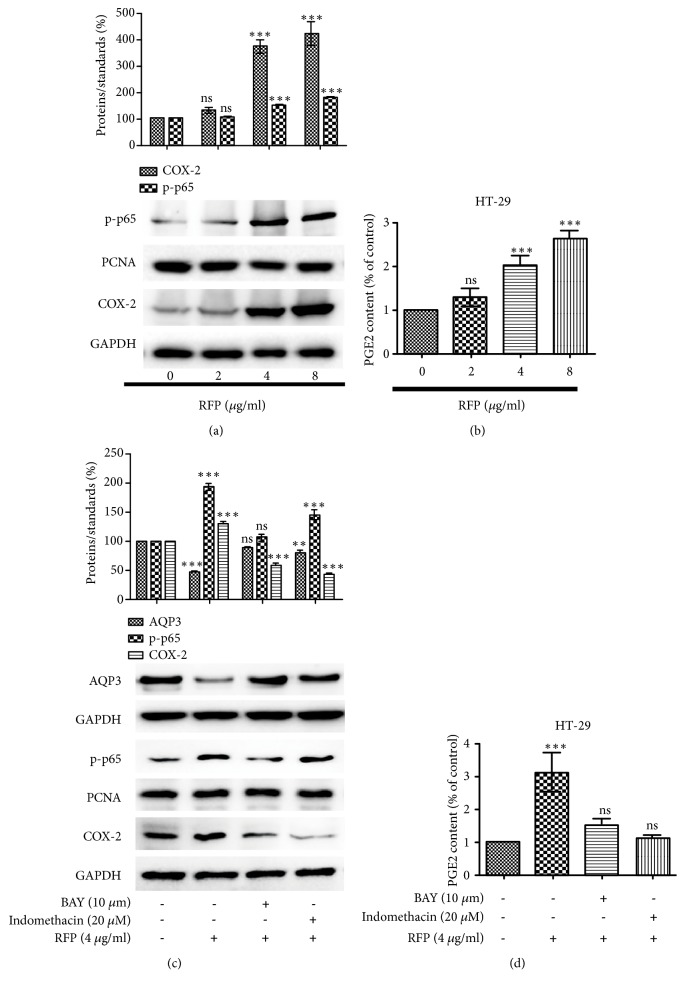
Results obtained showed that treatment with RFP increased the feces excretion and fecal water content of rats in a dose-dependent manner. More interestingly, AQP3 expression was suppressed by RFP treatment both in the rat colons and in HT-29 cells, while the NF-B pathway-mediated PGE production was activated. Interestingly, pretreating rats with BAY-11-7082 (NF-B inhibitor) or indomethacin (COX-2 inhibitor) and RFP neither induced diarrhea nor decreased the AQP3 expression in the colon.
The purgative property of the purified resin glycoside fraction was attributed to NF-B activation in the colon, which increased the COX-2-mediated secretion of PGE. PGE decreased AQP3 expression which inhibits water absorbed from the intestine to the blood vessel side, resulting in the laxative effect of RFP.
牵牛子,即裂叶牵牛的种子,在中国、韩国和日本被广泛用作传统泻药。本研究调查了我们之前从牵牛子中获得的纯化树脂糖苷组分在体内和体外的通便作用。
给大鼠口服牵牛子纯化树脂糖苷组分(RFP)后,检测结肠中粪便水分含量、水通道蛋白3(AQP3)、核因子κB(NF-κB)、环氧化酶-2(COX-2)表达以及前列腺素E(PGE)浓度。此外,使用人肠上皮细胞(HT-29)研究RFP降低AQP3表达的机制。
结果显示,RFP处理以剂量依赖方式增加大鼠粪便排泄量和粪便水分含量。更有趣的是,RFP处理在大鼠结肠和HT-29细胞中均抑制AQP3表达,同时激活NF-κB途径介导的PGE产生。有趣的是,用BAY-11-7082(NF-κB抑制剂)或吲哚美辛(COX-2抑制剂)预处理大鼠后,RFP既不引起腹泻,也不降低结肠中AQP3的表达。
纯化树脂糖苷组分的通便特性归因于结肠中NF-κB的激活,这增加了COX-2介导的PGE分泌。PGE降低AQP3表达,抑制水从肠道吸收至血管侧,从而导致RFP的通便作用。