Bristol BioEnergy Centre, Bristol Robotics Laboratory, T-Block, Frenchay Campus, University of the West of England (UWE), Bristol BS16 1QY, United Kingdom.
Bioelectrochemistry. 2019 Jun;127:68-75. doi: 10.1016/j.bioelechem.2019.01.004. Epub 2019 Jan 9.
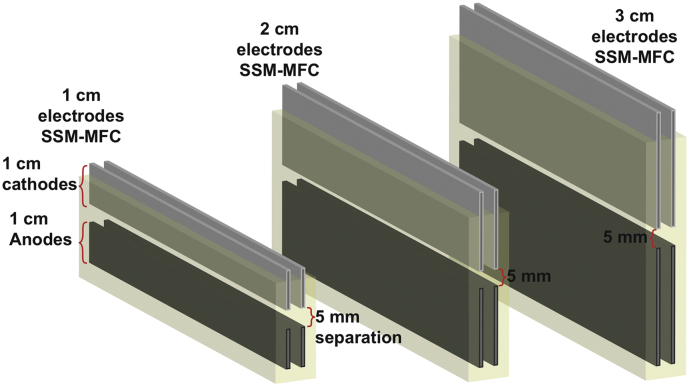
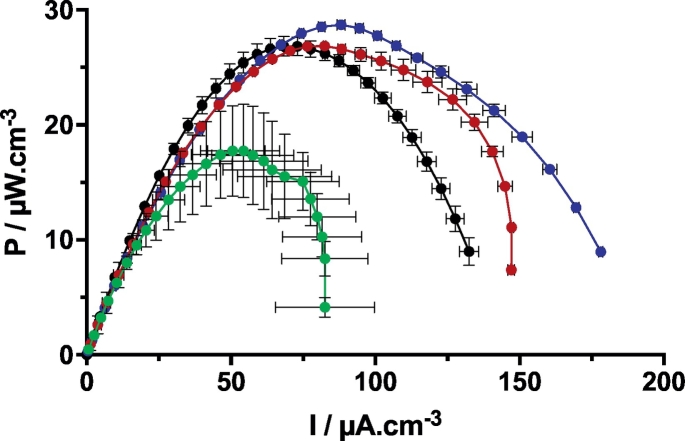
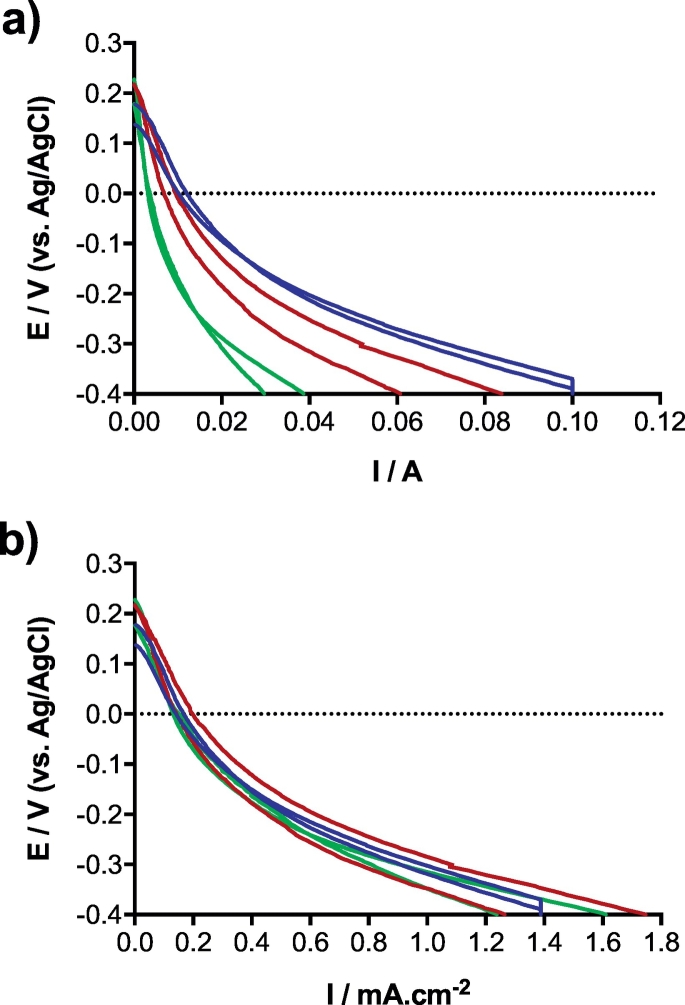
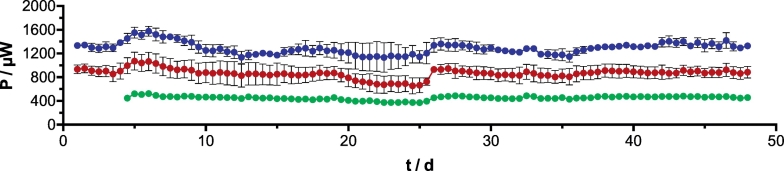
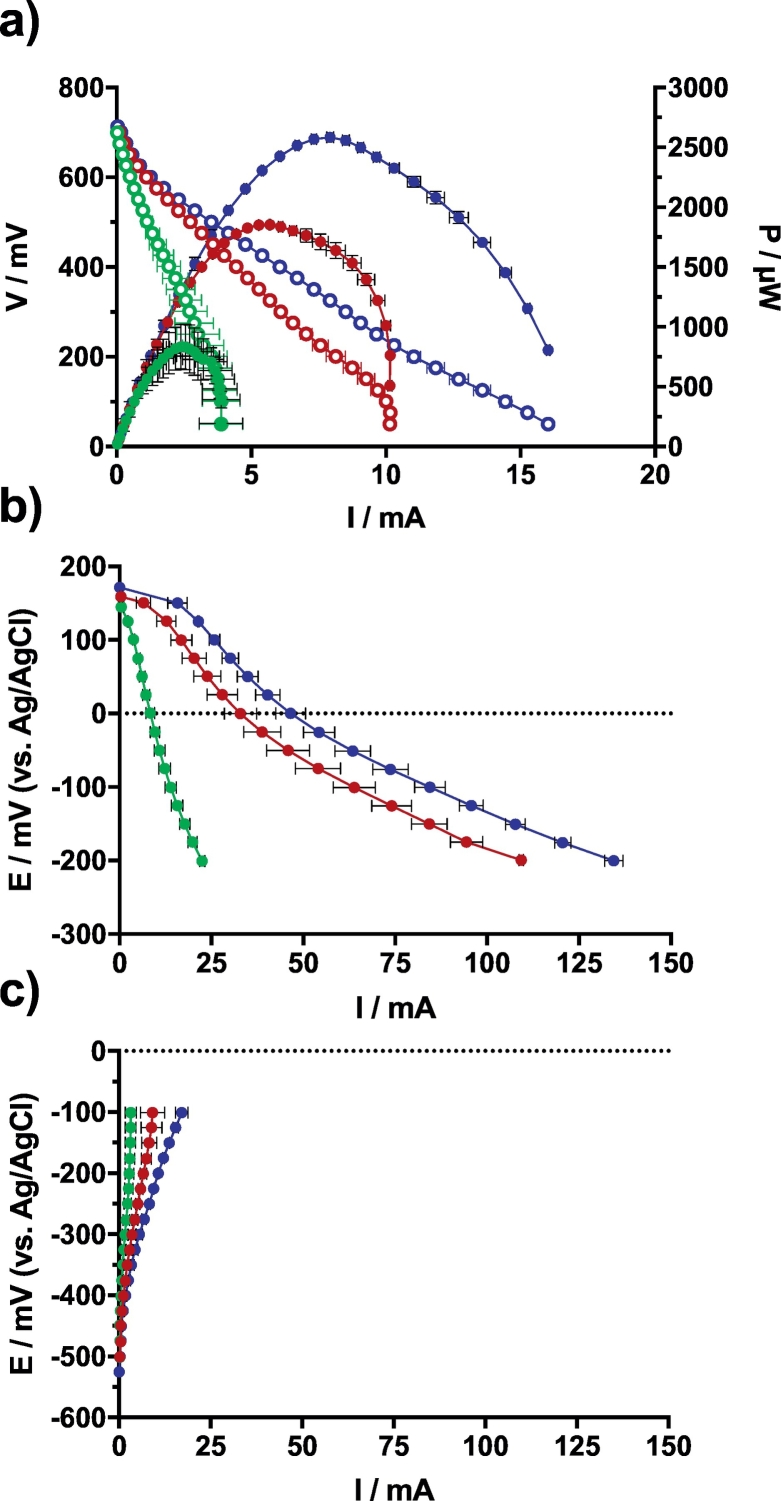
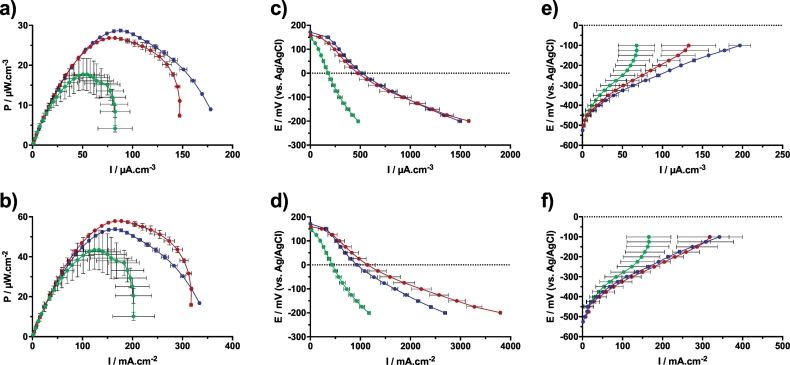
The scalability of bioelectrochemical systems is a key parameter for their practical implementation in the real-world. Up until now, only urine-fed self-stratifying microbial fuel cells (SSM-MFCs) have been shown to be scalable in width and length with limited power density losses. For practical reasons, the present work focuses on the scalability of SSM-MFCs in the one dimension that has not yet been investigated, namely height. Three different height conditions were considered (1 cm, 2 cm and 3 cm tall electrodes). The normalised power density of the 2 cm and 3 cm conditions were similar either during the durability test under a hydraulic retention time of ≈39 h (i.e. 15.74 ± 0.99 μW.cm) and during the polarisation experiments (i.e. 27.79 ± 0.92 μW.cm). Conversely, the 1 cm condition had lower power densities of 11.23 ± 0.07 μW.cm and 17.73 ± 3.94 μW.cm both during the durability test and the polarisation experiment, respectively. These results confirm that SSM-MFCs can be scaled in all 3 dimensions with minimal power density losses, with a minimum height threshold for the electrode comprised between 1 cm and 2 cm.
生物电化学系统的可扩展性是其实践应用于实际的关键参数。到目前为止,只有尿液喂养的自分层微生物燃料电池(SSM-MFC)在有限的功率密度损失下显示出在宽度和长度上的可扩展性。出于实际原因,本工作侧重于尚未研究的一个维度,即高度上的 SSM-MFC 可扩展性。考虑了三种不同的高度条件(1 cm、2 cm 和 3 cm 高的电极)。在水力停留时间约为 39 h(即 15.74±0.99 μW.cm)的耐久性测试和极化实验期间,2 cm 和 3 cm 条件的归一化功率密度相似(即 27.79±0.92 μW.cm)。相反,1 cm 条件在耐久性测试和极化实验期间的功率密度分别为 11.23±0.07 μW.cm 和 17.73±3.94 μW.cm,均较低。这些结果证实 SSM-MFC 可以在所有三个维度上进行扩展,而功率密度损失最小,电极的最小高度阈值在 1 cm 和 2 cm 之间。