Ageing Research Laboratories, Institute for Ageing, Newcastle University, Newcastle upon Tyne, UK.
Institute for Cell and Molecular Biosciences, Newcastle University, Newcastle upon Tyne, UK.
EMBO J. 2019 Mar 1;38(5). doi: 10.15252/embj.2018100492. Epub 2019 Feb 8.
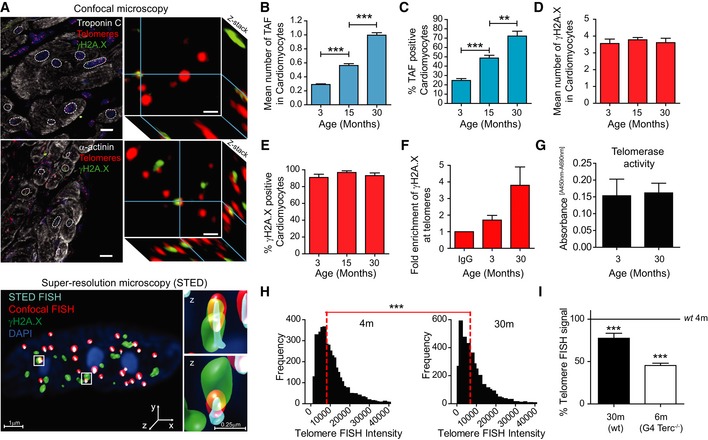
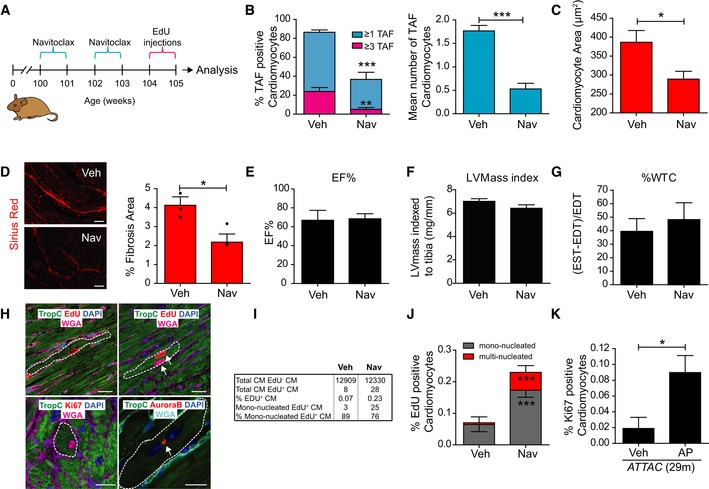
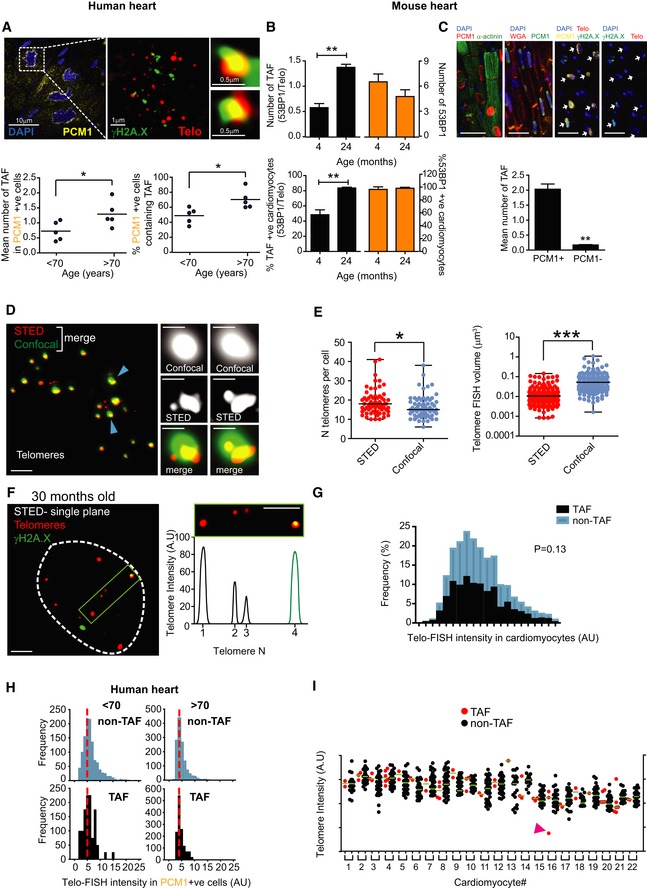
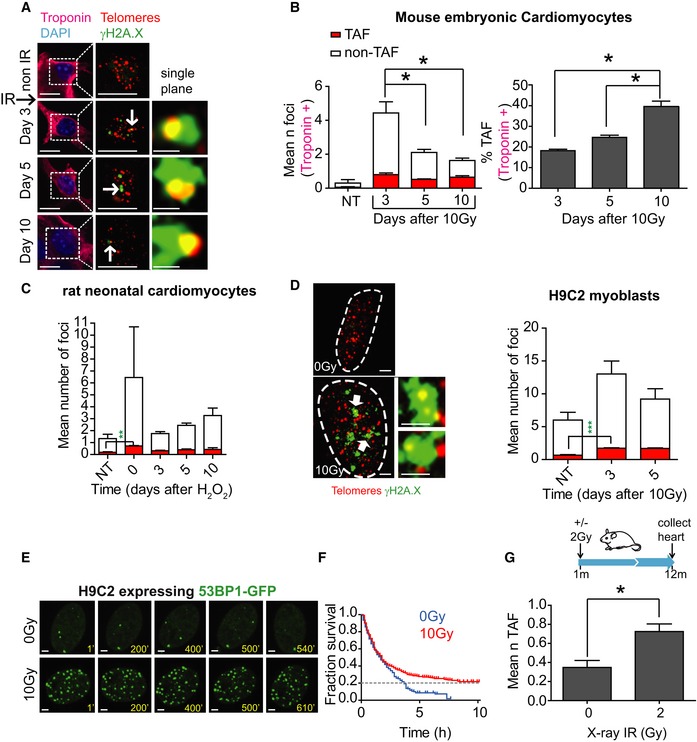
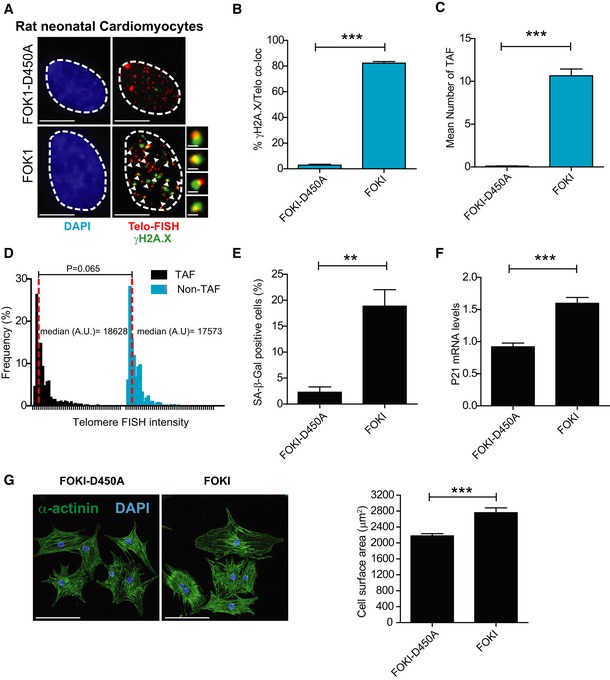
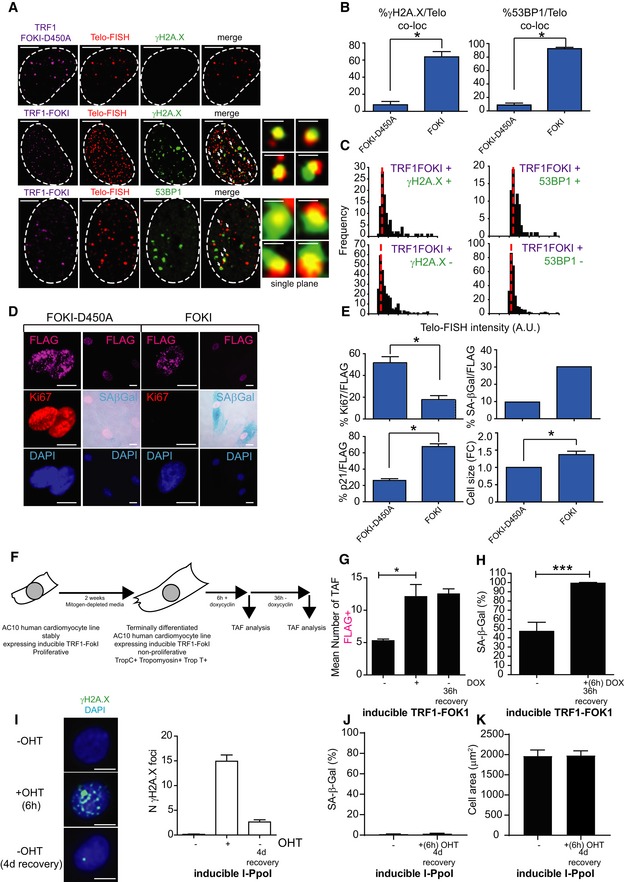
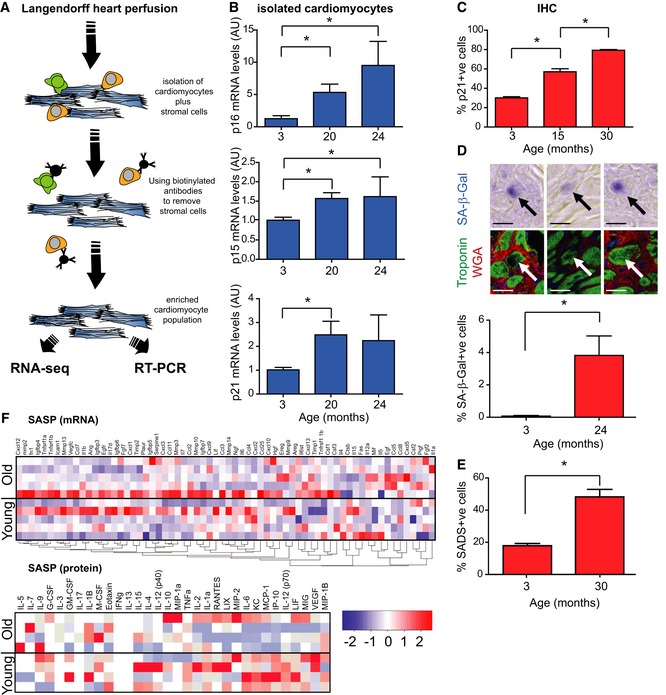
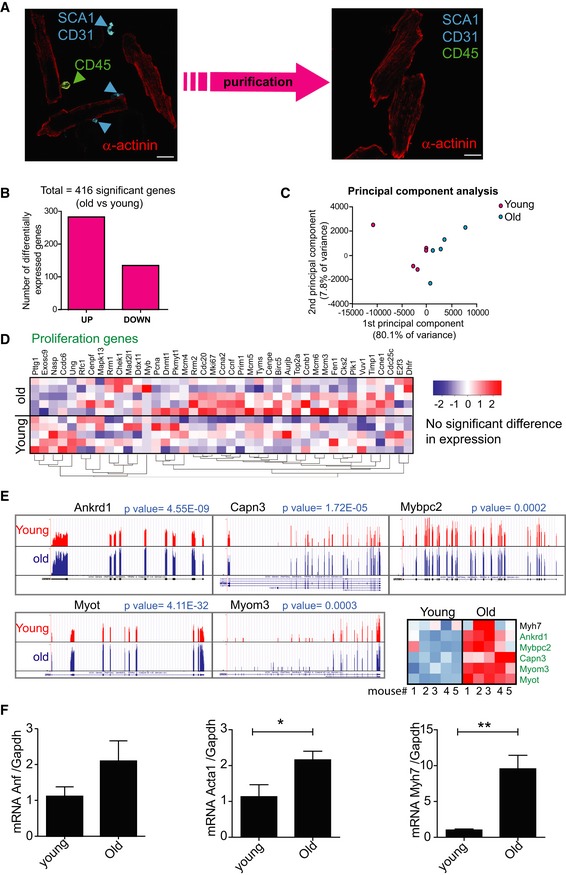
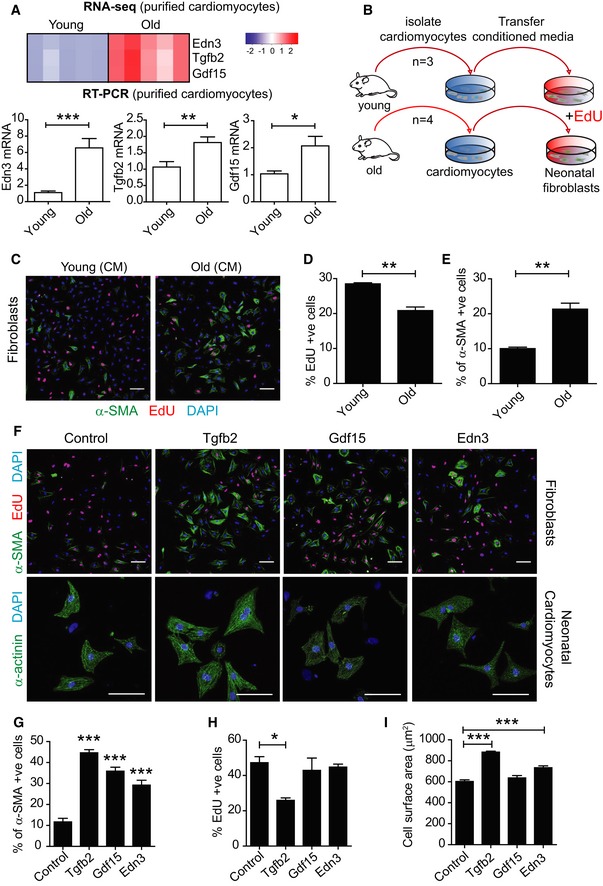
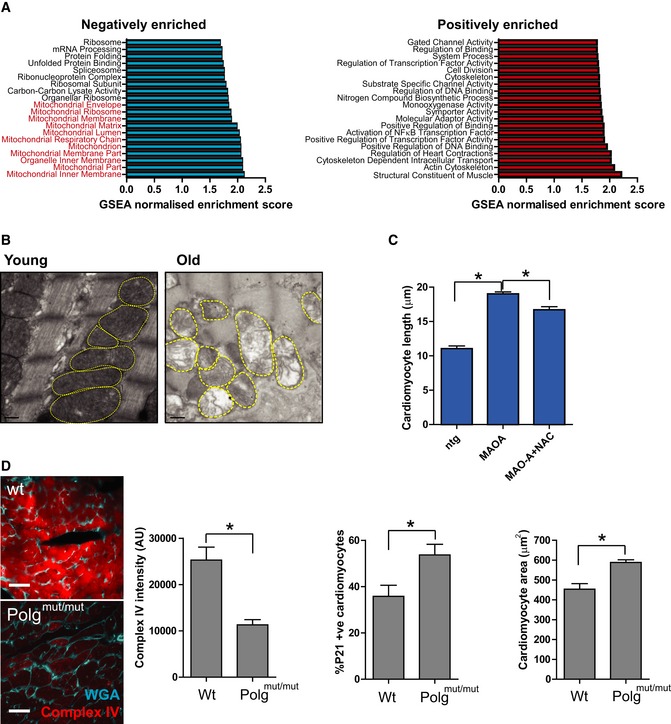
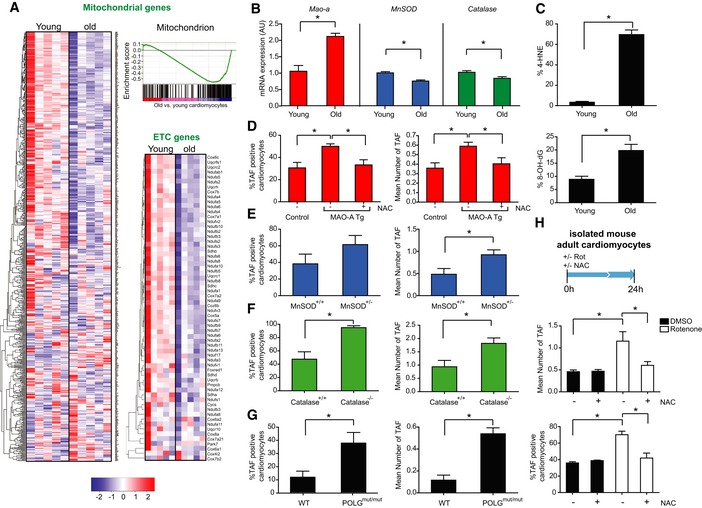
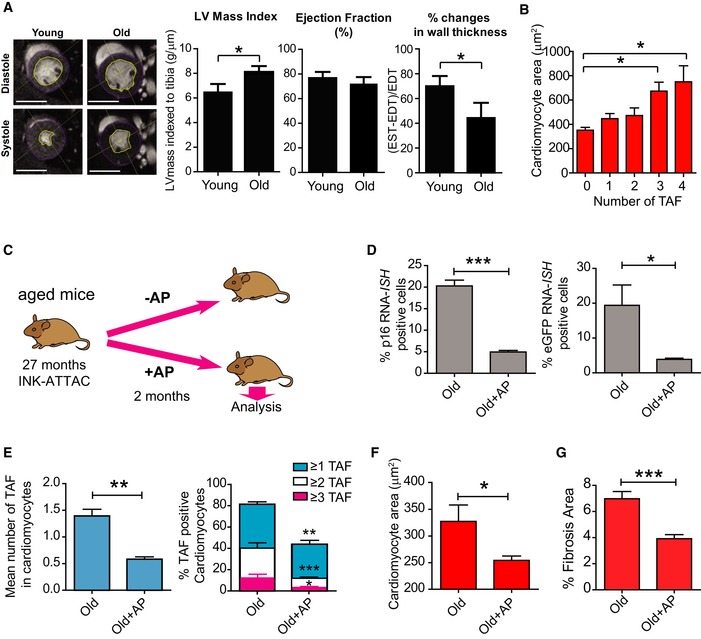
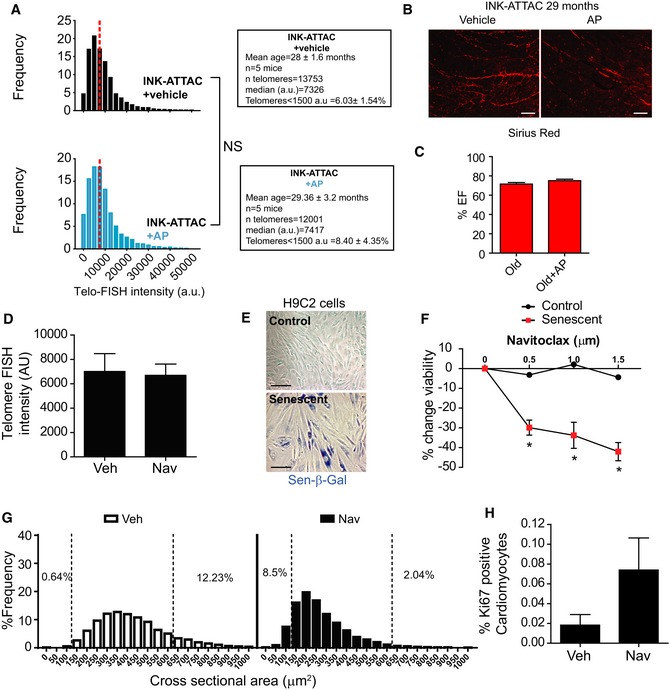
Ageing is the biggest risk factor for cardiovascular disease. Cellular senescence, a process driven in part by telomere shortening, has been implicated in age-related tissue dysfunction. Here, we address the question of how senescence is induced in rarely dividing/post-mitotic cardiomyocytes and investigate whether clearance of senescent cells attenuates age-related cardiac dysfunction. During ageing, human and murine cardiomyocytes acquire a senescent-like phenotype characterised by persistent DNA damage at telomere regions that can be driven by mitochondrial dysfunction and crucially can occur independently of cell division and telomere length. Length-independent telomere damage in cardiomyocytes activates the classical senescence-inducing pathways, p21 and p16, and results in a non-canonical senescence-associated secretory phenotype, which is pro-fibrotic and pro-hypertrophic. Pharmacological or genetic clearance of senescent cells in mice alleviates detrimental features of cardiac ageing, including myocardial hypertrophy and fibrosis. Our data describe a mechanism by which senescence can occur and contribute to age-related myocardial dysfunction and in the wider setting to ageing in post-mitotic tissues.
衰老是心血管疾病最大的风险因素。细胞衰老,部分由端粒缩短驱动的过程,与与年龄相关的组织功能障碍有关。在这里,我们探讨了在很少分裂/有丝分裂后的心肌细胞中如何诱导衰老的问题,并研究了清除衰老细胞是否能减轻与年龄相关的心脏功能障碍。在衰老过程中,人类和鼠类的心肌细胞获得了一种衰老样表型,其特征是端粒区域的持续 DNA 损伤,这可能是由线粒体功能障碍驱动的,而且关键是可以独立于细胞分裂和端粒长度发生。心肌细胞中端粒长度独立的端粒损伤会激活经典的衰老诱导途径 p21 和 p16,并导致非典型的衰老相关分泌表型,这是促纤维化和促肥大的。在小鼠中清除衰老细胞的药理学或遗传学方法可以减轻心脏衰老的有害特征,包括心肌肥大和纤维化。我们的数据描述了一种衰老可以发生并导致与年龄相关的心肌功能障碍的机制,在更广泛的有丝分裂后组织衰老的背景下也是如此。