Carter Sarah L, Bryant Alan R, Hopper Luke S
1Podiatric Medicine and Surgery Division, School of Allied Health, The University of Western Australia, Perth, Australia.
2Western Australian Academy of Performing Arts, Edith Cowan University, Perth, Australia.
J Foot Ankle Res. 2019 Feb 4;12:10. doi: 10.1186/s13047-019-0318-1. eCollection 2019.
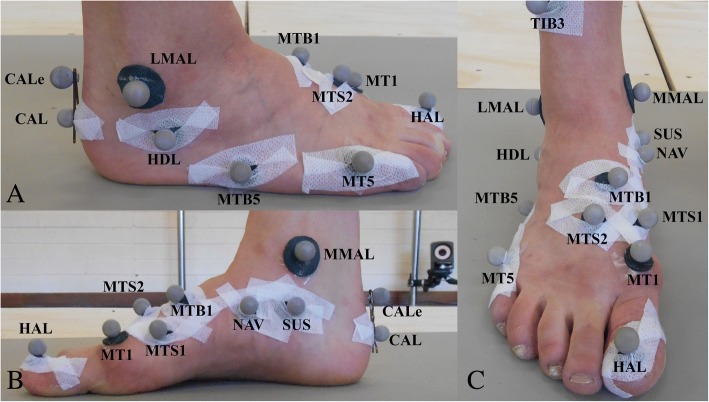
Recent three-dimensional (3D) kinematic research has revealed foot abduction is the strongest predictor of standing functional and forced turnout postures. However, it is still unknown how the internal foot joints enable a large degree of foot abduction in turnout. The primary purpose of this study was to use a dance specific multi-segment foot model to determine the lower leg and foot contributions to turnout that female university-level ballets use to accentuate their turnout.
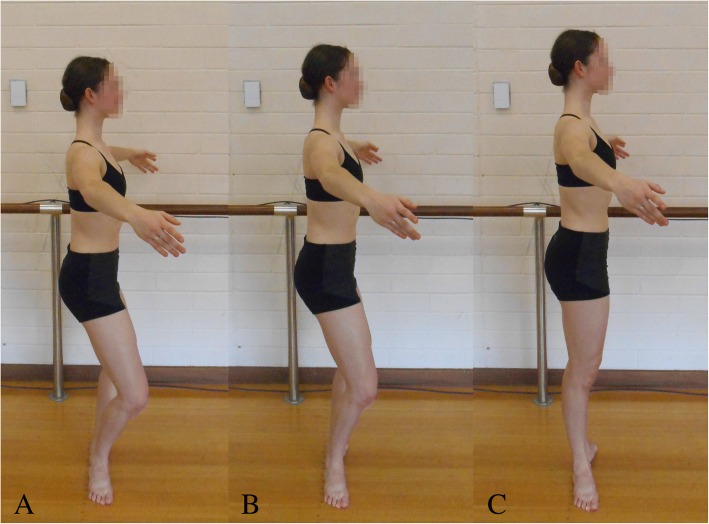
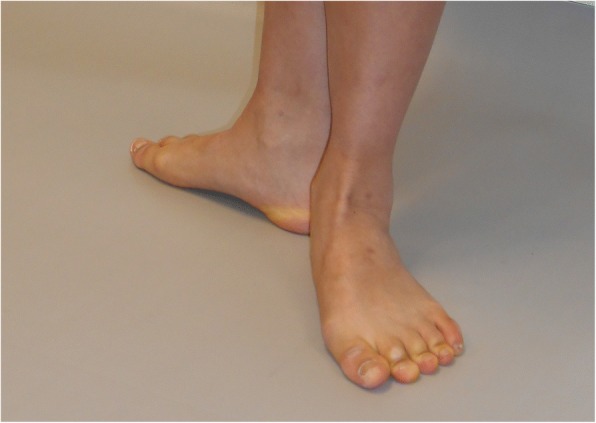
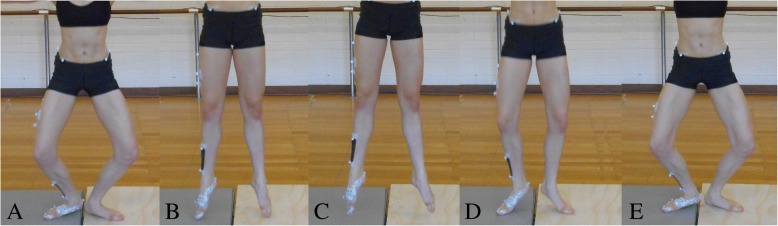
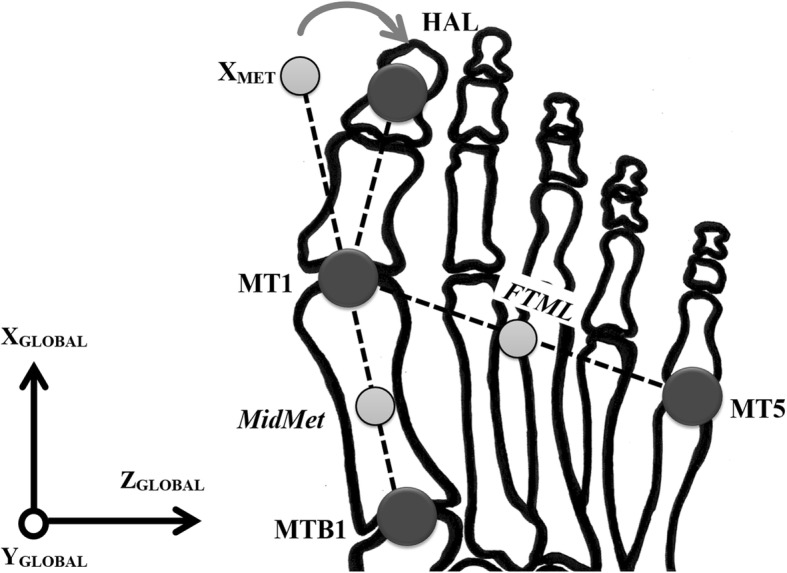
Eighteen female dance students (mean age, 18.8 ± 1.6 years) volunteered for this study. Retro-reflective markers were attached to the dancers' dominant foot. Each dancer performed three repetitions of functional turnout, forced turnout and ten consecutive sautés in first position. Repeated measures ANOVA with Bonferroni adjustments for the multiple comparisons were used to determine the kinematic adjustments, hindfoot eversion, midfoot and forefoot abduction, navicular drop (i.e. lowering of the medial longitudinal arch) and first metatarsophalangeal joint abduction between natural double leg up-right posture and the first position conditions.
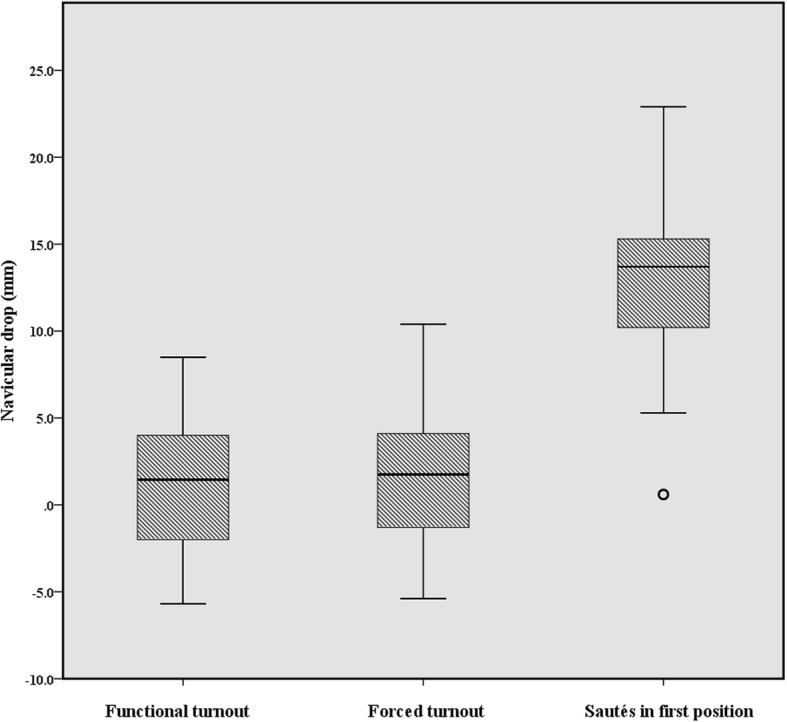
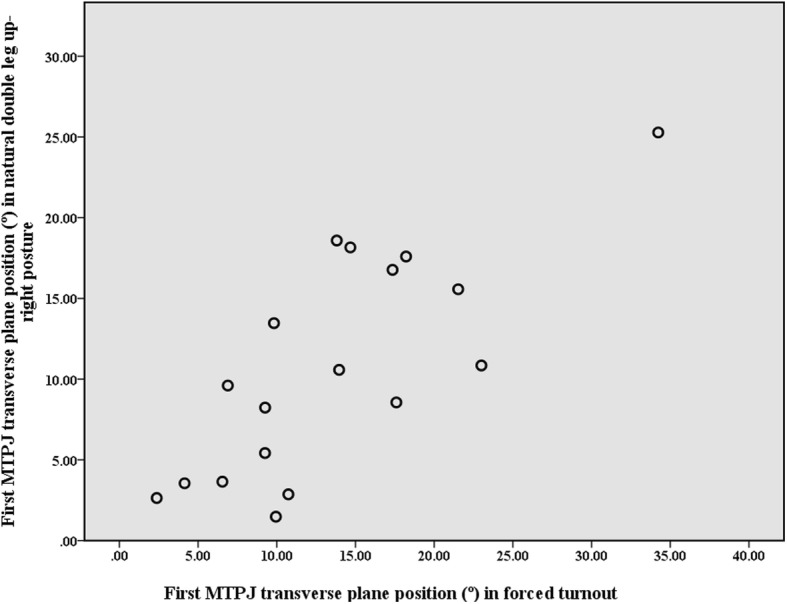
Hindfoot eversion (4.6°, < 0.001) and midfoot abduction (2.8°, < 0.001) significantly increased in functional turnout compared to the natural double leg up-right posture. Thirteen dancers demonstrated increased first metatarsophalangeal joint (MTPJ) abduction in forced turnout, however no statistically significant increase was found. Navicular drop during sautés in first position significantly increased by 11 mm ( < 0.001) compared to the natural double leg up-right posture.
Our findings suggest dancers do pronate, via hindfoot eversion and midfoot abduction in both functional and forced turnout, however, no immediate association was found between forced turnout and first MTPJ abduction. Foot pronation does play a role in achieving turnout. Further prospective research on in situ measures of the lower limb in turnout and injury surveillance is required to improve our understanding of the normal and abnormal dance biomechanics.
最近的三维(3D)运动学研究表明,足部外展是站立功能和强迫外旋姿势的最强预测指标。然而,目前尚不清楚足部内部关节如何在外旋中实现大幅度的足部外展。本研究的主要目的是使用特定于舞蹈的多节段足部模型,来确定小腿和足部对女大学生芭蕾舞演员用于突出其外旋动作的外旋动作的贡献。
18名女舞蹈学生(平均年龄18.8±1.6岁)自愿参与本研究。反光标记附着在舞者的优势脚上。每位舞者在一位舞姿下进行三次功能性外旋、强迫性外旋和连续十次 sautés 动作。采用重复测量方差分析并进行 Bonferroni 校正以进行多重比较,来确定自然双腿直立姿势与一位舞姿条件之间的运动学调整、后足外翻、中足和前足外展、舟骨下降(即内侧纵弓降低)以及第一跖趾关节外展情况。
与自然双腿直立姿势相比,功能性外旋时后足外翻(4.6°,<0.001)和中足外展(2.8°,<0.001)显著增加。13名舞者在强迫性外旋时第一跖趾关节(MTPJ)外展增加,但未发现统计学上的显著增加。与自然双腿直立姿势相比,一位舞姿下 sautés 动作期间舟骨下降显著增加了11毫米(<0.001)。
我们的研究结果表明,舞者在功能性和强迫性外旋中确实会通过后足外翻和中足外展出现旋前,但未发现强迫性外旋与第一MTPJ外展之间存在直接关联。足部旋前在实现外旋中确实起到了作用。需要进一步对外旋时下肢的原位测量和损伤监测进行前瞻性研究,以增进我们对正常和异常舞蹈生物力学的理解。