Gringolts Maria L, Denisova Yulia I, Finkelshtein Eugene Sh, Kudryavtsev Yaroslav V
Topchiev Institute of Petrochemical Synthesis, Russian Academy of Sciences, Leninsky prosp. 29, 119991 Moscow, Russia.
Beilstein J Org Chem. 2019 Jan 24;15:218-235. doi: 10.3762/bjoc.15.21. eCollection 2019.
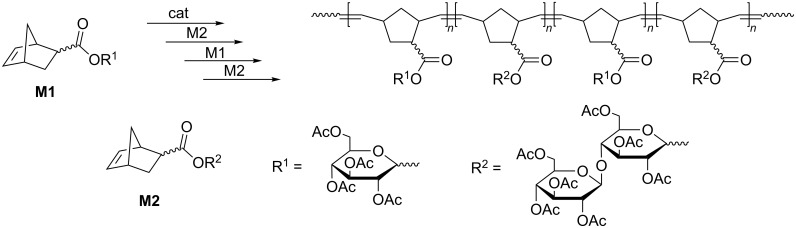
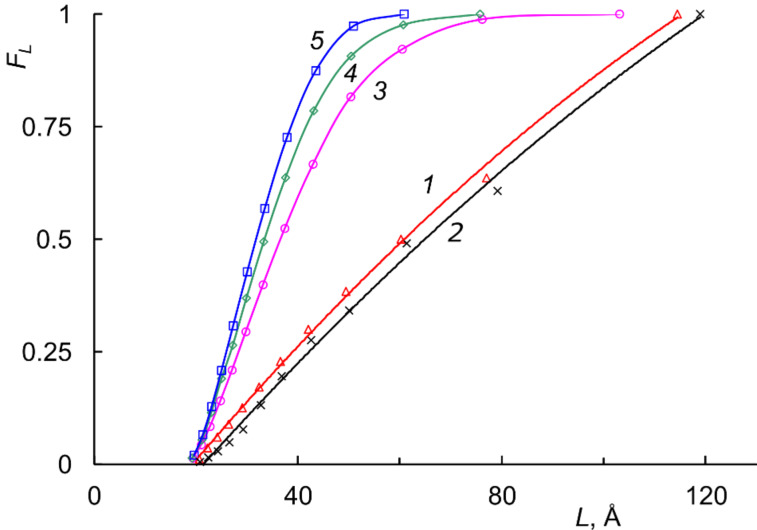
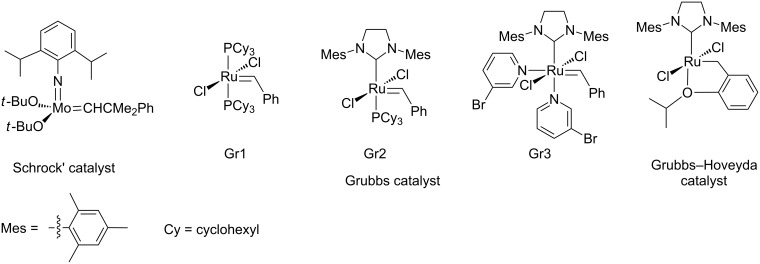
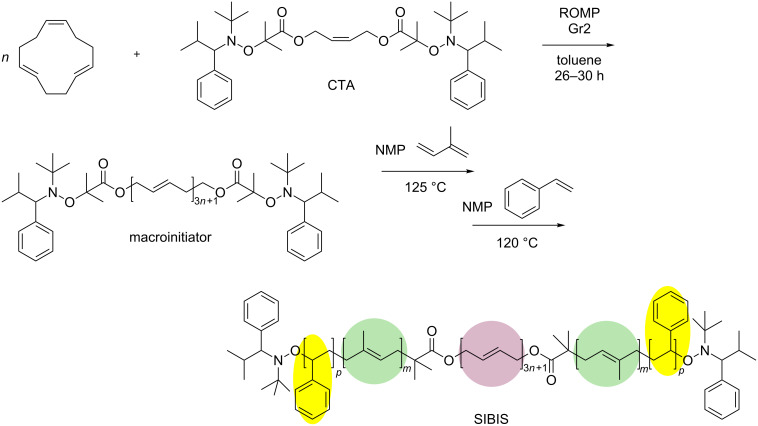
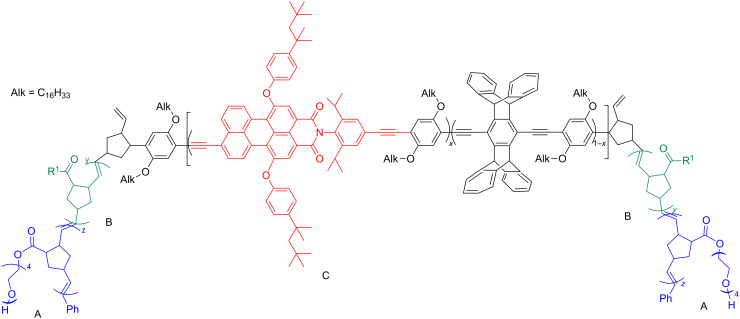
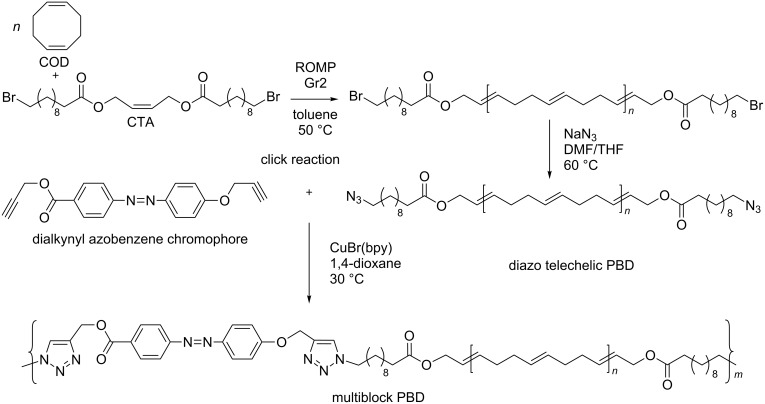
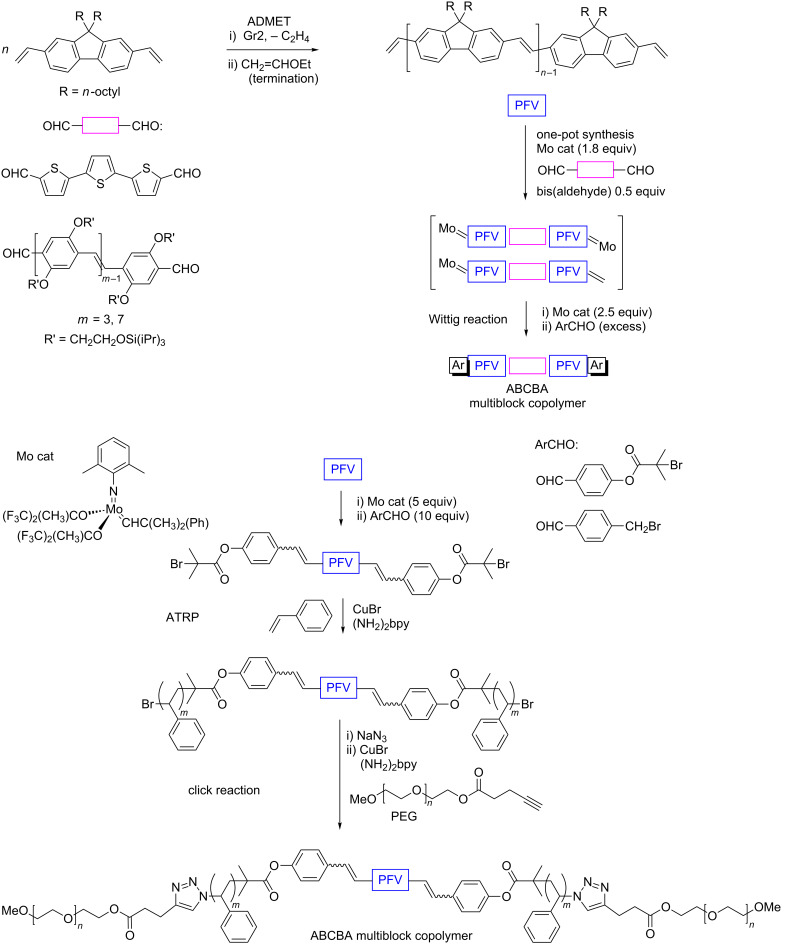
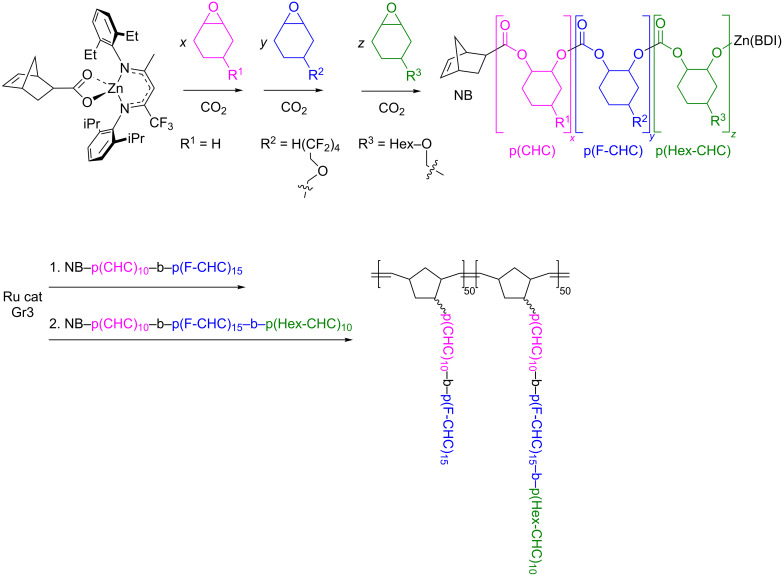
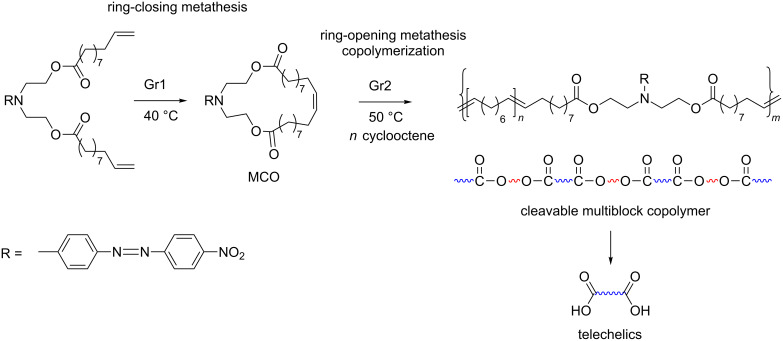
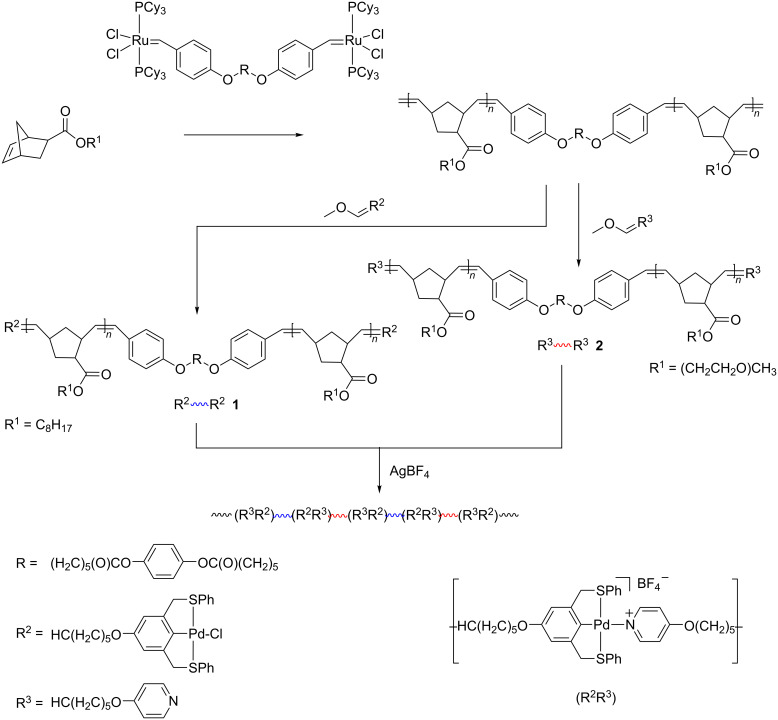
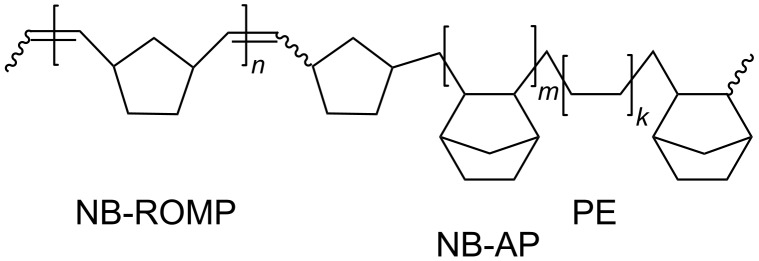
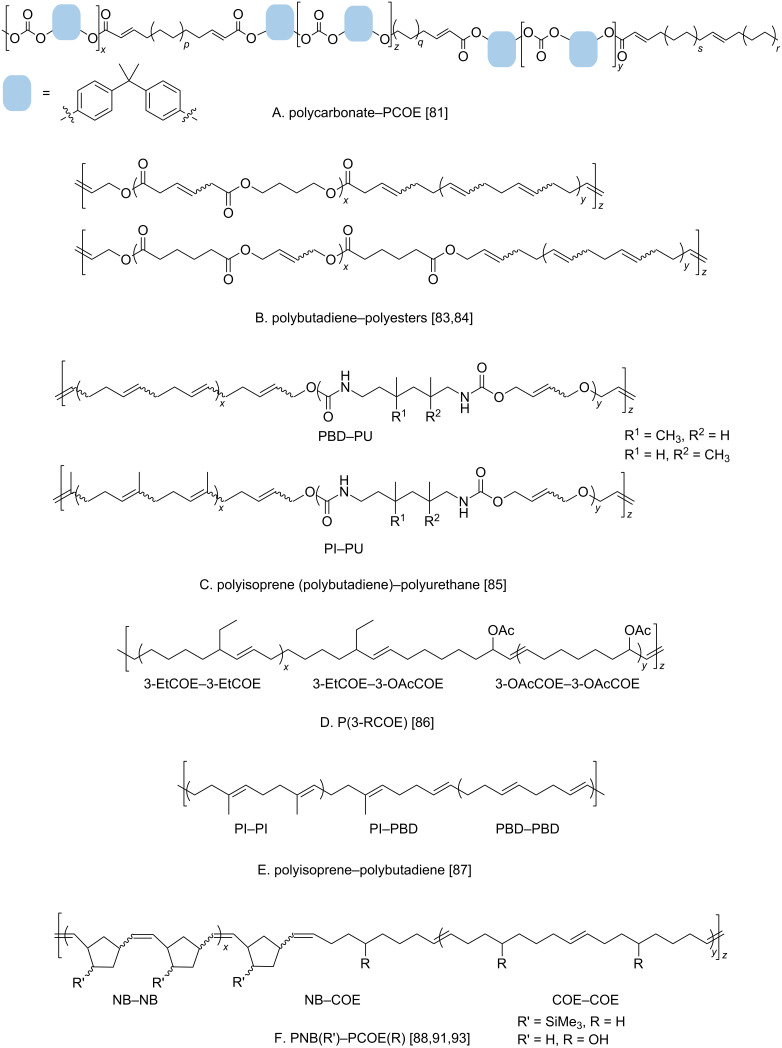
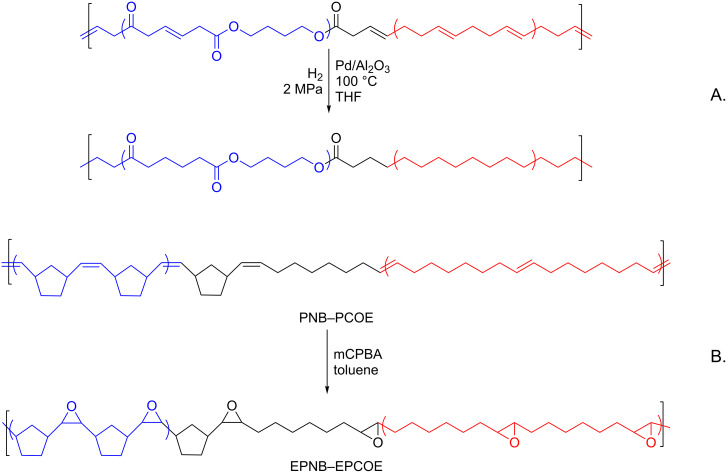
Multiblock copolymers constitute a basis for an emerging class of nanomaterials that combine various functional properties with durability and enhanced mechanical characteristics. Our mini-review addresses synthetic approaches to the design of multiblock copolymers from unsaturated monomers and polymers using olefin metathesis reactions and other ways of chemical modification across double C=C bonds. The main techniques, actively developed during the last decade and discussed here, are the coupling of end-functionalized blocks, sequential ring-opening metathesis polymerization, and cross metathesis between unsaturated polymers, or macromolecular cross metathesis. The last topic attracts special interest due to its relative simplicity and broad opportunities to tailor the structure and hence the properties of the copolymer products. Whenever possible, we analyze the structure-property relations for multiblock copolymers and point to their possible practical applications.
多嵌段共聚物构成了一类新兴纳米材料的基础,这类材料将各种功能特性与耐久性及增强的机械特性结合在一起。我们的小型综述探讨了通过烯烃复分解反应以及其他跨越碳-碳双键的化学改性方法,从不饱和单体和聚合物设计多嵌段共聚物的合成方法。在过去十年中得到积极发展并在此讨论的主要技术包括端基功能化嵌段的偶联、顺序开环复分解聚合以及不饱和聚合物之间的交叉复分解,即大分子交叉复分解。最后一个主题因其相对简单且有广泛机会定制共聚物产品的结构及性能而备受特别关注。只要有可能,我们就会分析多嵌段共聚物的结构-性能关系,并指出它们可能的实际应用。