Rickert Emily, Fernandez Marina O, Choi Irene, Gorman Michael, Olefsky Jerrold M, Webster Nicholas J G
VA San Diego Healthcare System, San Diego, California.
Department of Medicine, University of California San Diego, La Jolla, California.
J Endocr Soc. 2018 Dec 24;3(2):427-445. doi: 10.1210/js.2018-00318. eCollection 2019 Feb 1.
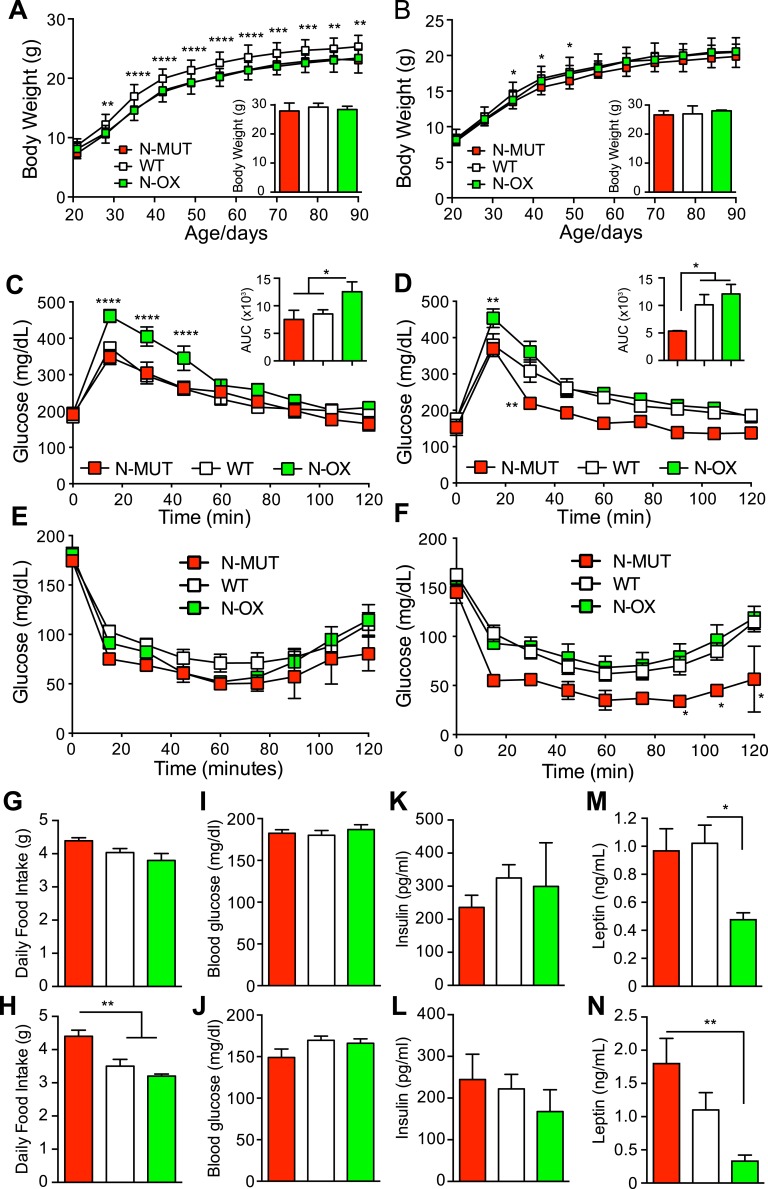
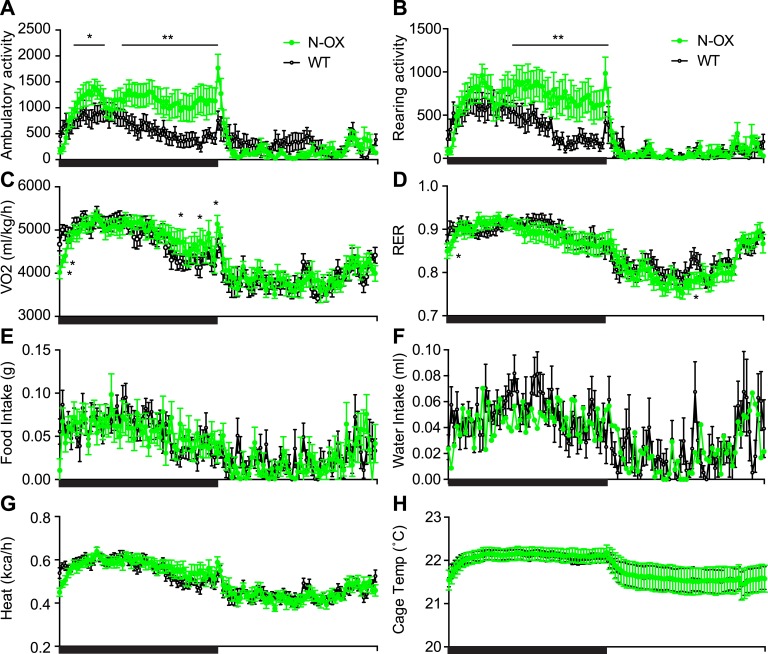
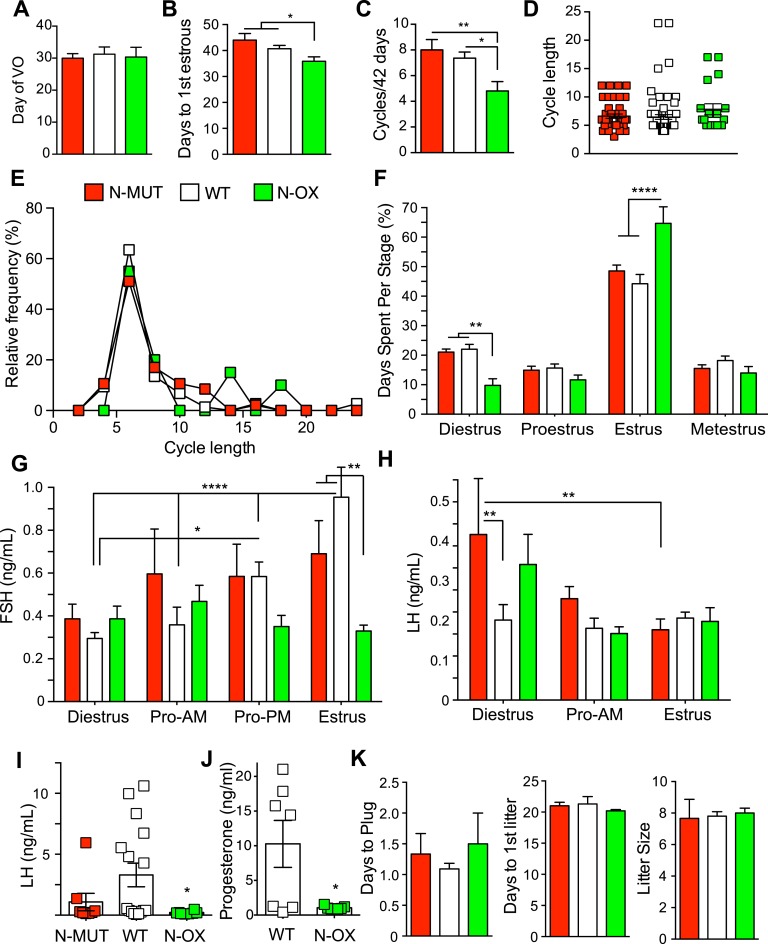
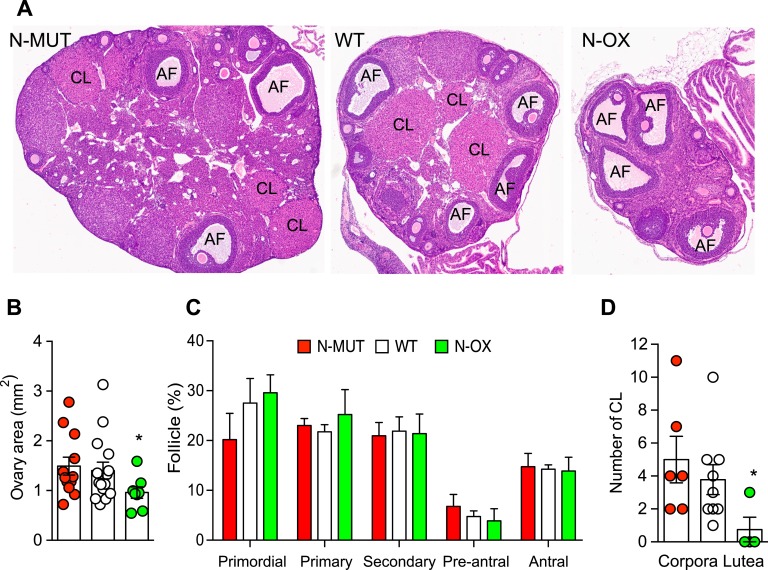
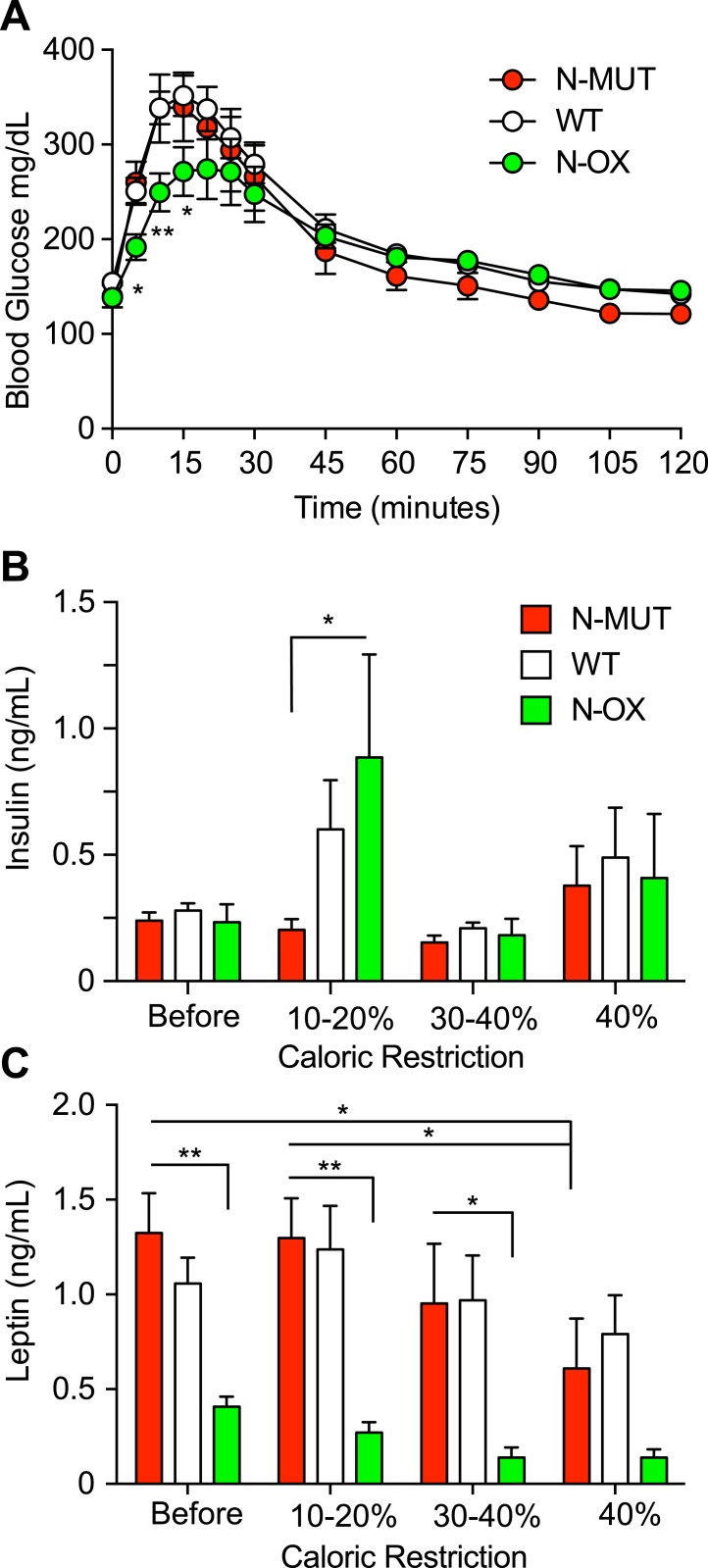
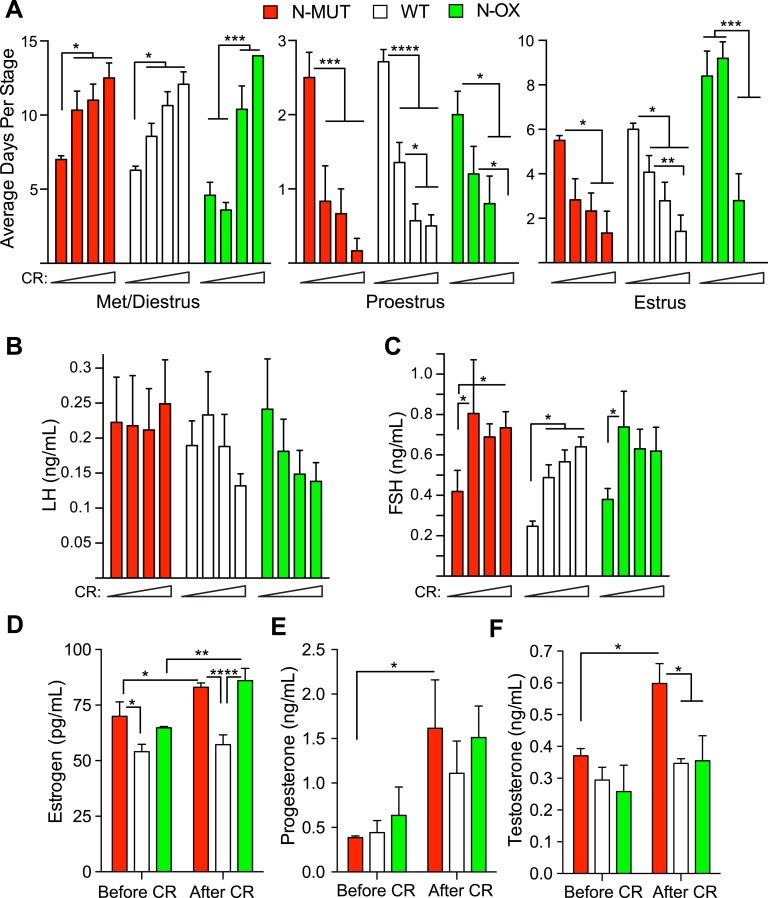
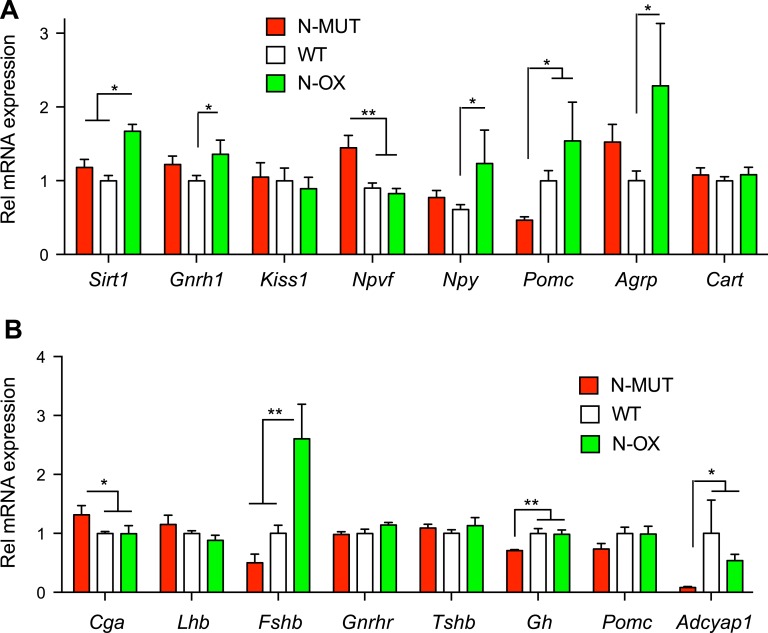
Sirt1 is an NAD-dependent, class III deacetylase that functions as a cellular energy sensor. In addition to its well-characterized effects in peripheral tissues, emerging evidence suggests that neuronal Sirt1 activity plays a role in the central regulation of energy balance and glucose metabolism. In this study, we generated mice expressing an enzymatically inactive form (-MUT) or wild-type (WT) SIRT1 (-OX) in mature neurons. -OX male and female mice had impaired glucose tolerance, and -MUT female, but not male, mice had improved glucose tolerance compared with that of WT littermates. Furthermore, glucose tolerance was improved in all mice with caloric restriction (CR) but was greater in the -OX mice, who had better glucose tolerance than their littermates. At the reproductive level, -OX females had impaired estrous cycles, with increased cycle length and more time in estrus. LH and progesterone surges were absent on the evening of proestrus in the -OX mice, suggesting a defect in spontaneous ovulation, which was confirmed by the ovarian histology revealing fewer corpora lutea. Despite this defect, the mice were still fertile when mated to WT mice on the day of proestrus, indicating that the mice could respond to normal pheromonal or environmental cues. When subjected to CR, the -OX mice went into diestrus arrest earlier than their littermates. Together, these results suggested that the overexpression of SIRT1 rendered the mice more sensitive to the metabolic improvements and suppression of reproductive cycles by CR, which was independent of circadian rhythms.
沉默调节蛋白1(Sirt1)是一种依赖烟酰胺腺嘌呤二核苷酸(NAD)的Ⅲ类脱乙酰酶,作为一种细胞能量传感器发挥作用。除了在周围组织中具有充分表征的作用外,新出现的证据表明,神经元Sirt1活性在能量平衡和葡萄糖代谢的中枢调节中发挥作用。在本研究中,我们构建了在成熟神经元中表达无酶活性形式(-MUT)或野生型(WT)Sirt1(-OX)的小鼠。-OX雄性和雌性小鼠的葡萄糖耐量受损,与野生型同窝小鼠相比,-MUT雌性小鼠(而非雄性小鼠)的葡萄糖耐量得到改善。此外,所有热量限制(CR)小鼠的葡萄糖耐量均得到改善,但-OX小鼠的改善更为明显,其葡萄糖耐量优于同窝小鼠。在生殖水平上,-OX雌性小鼠的发情周期受损,周期长度增加,发情期时间延长。-OX小鼠在发情前期晚上没有促黄体生成素(LH)和孕酮激增,表明自发排卵存在缺陷,卵巢组织学检查证实黄体数量减少,进一步证实了这一点。尽管存在这一缺陷,但在发情前期当天与野生型小鼠交配时,这些小鼠仍可生育,表明它们能够对正常的信息素或环境线索做出反应。当进行热量限制时,-OX小鼠比同窝小鼠更早进入动情间期停滞。总之,这些结果表明,Sirt1的过表达使小鼠对热量限制带来的代谢改善和生殖周期抑制更加敏感,这与昼夜节律无关。