Manchester Centre for Audiology and Deafness, School of Health Sciences, University of Manchester, Manchester, United Kingdom.
Manchester University Hospitals NHS Foundation Trust, Central Manchester University Hospitals National Health Service Foundation Trust, Manchester Academic Health Science Centre, Manchester, United Kingdom.
Ear Hear. 2019 Sep/Oct;40(5):1084-1097. doi: 10.1097/AUD.0000000000000697.
Listening effort can be defined as the cognitive resources required to perform a listening task. The literature on listening effort is as confusing as it is voluminous: measures of listening effort rarely correlate with each other and sometimes result in contradictory findings. Here, we directly compared simultaneously recorded multimodal measures of listening effort. After establishing the reliability of the measures, we investigated validity by quantifying correlations between measures and then grouping-related measures through factor analysis.
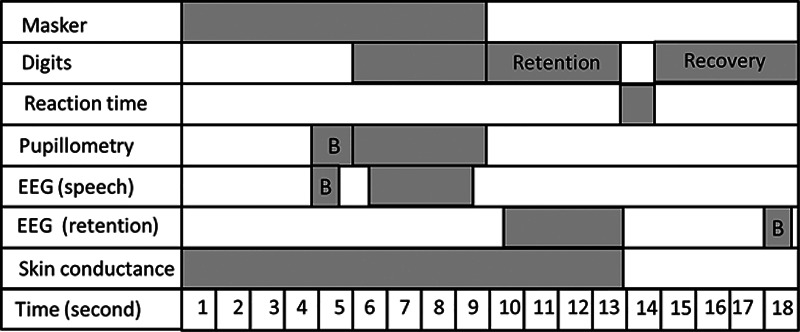
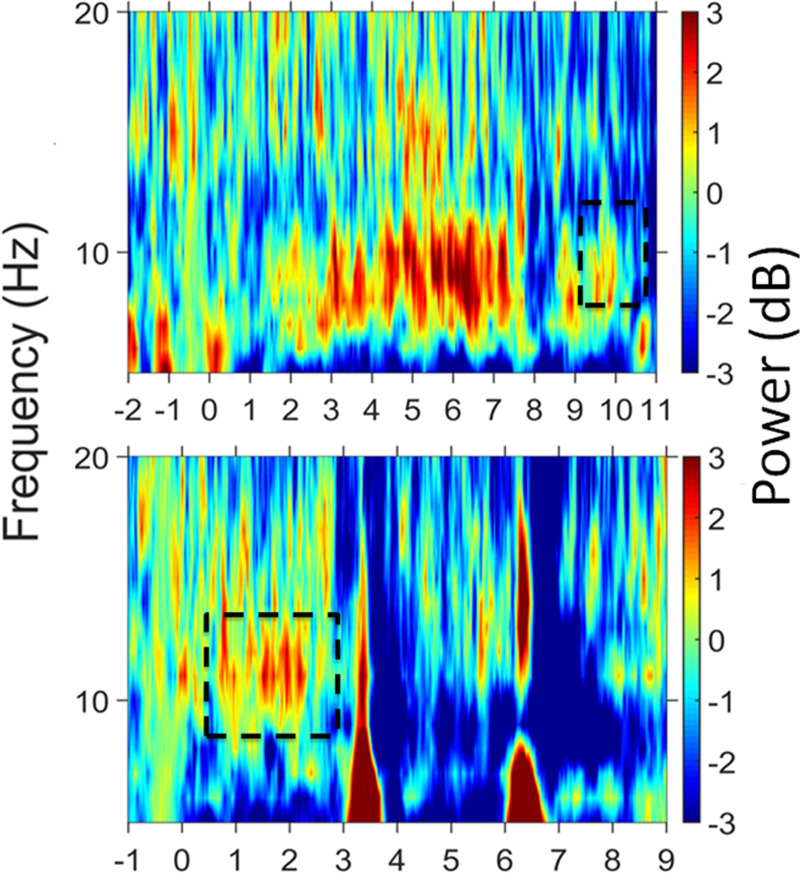
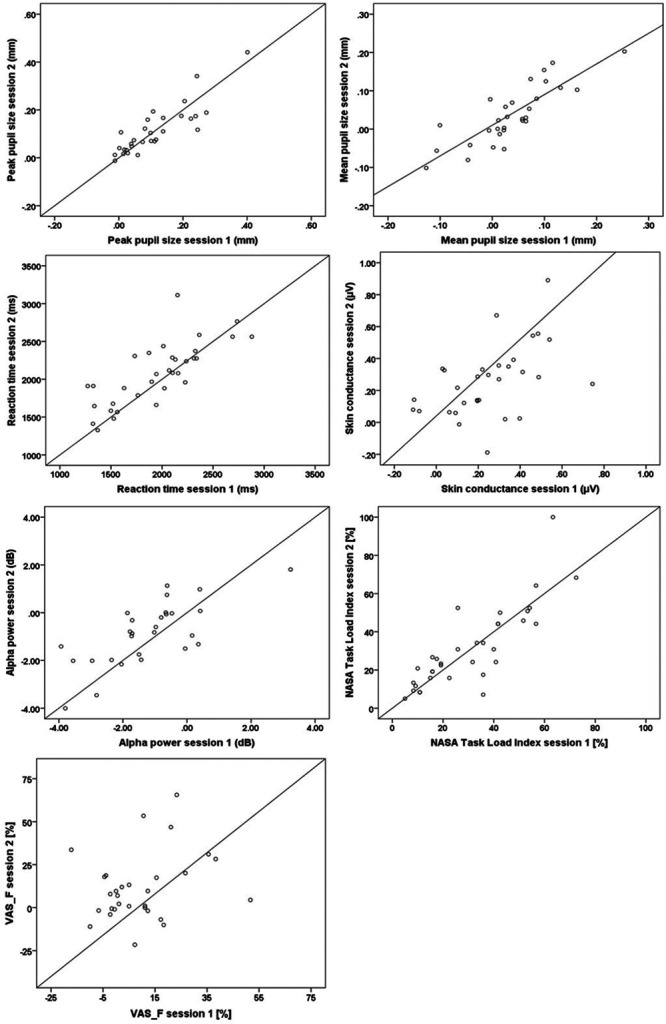
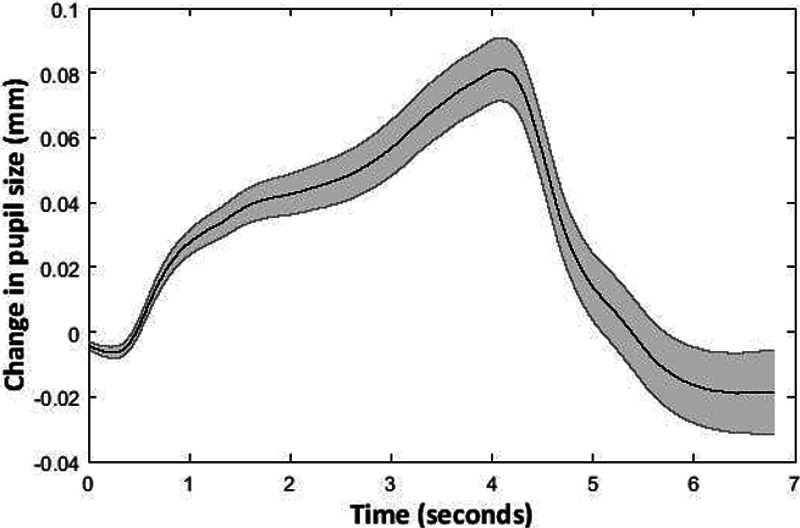
One hundred and sixteen participants with audiometric thresholds ranging from normal to severe hearing loss took part in the study (age range: 55 to 85 years old, 50.3% male). We simultaneously measured pupil size, electroencephalographic alpha power, skin conductance, and self-report listening effort. One self-report measure of fatigue was also included. The signal to noise ratio (SNR) was adjusted at 71% criterion performance using sequences of 3 digits. The main listening task involved correct recall of a random digit from a sequence of six presented at a SNR where performance was around 82 to 93%. Test-retest reliability of the measures was established by retesting 30 participants 7 days after the initial session.
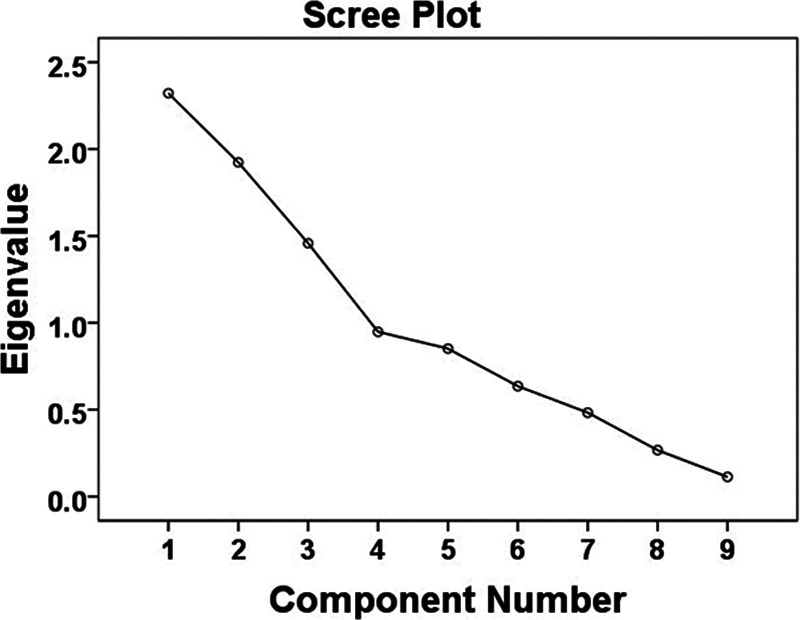
With the exception of skin conductance and the self-report measure of fatigue, interclass correlation coefficients (ICC) revealed good test-retest reliability (minimum ICC: 0.71). Weak or nonsignificant correlations were identified between measures. Factor analysis, using only the reliable measures, revealed four underlying dimensions: factor 1 included SNR, hearing level, baseline alpha power, and performance accuracy; factor 2 included pupillometry; factor 3 included alpha power (during speech presentation and during retention); factor 4 included self-reported listening effort and baseline alpha power.
The good ICC suggests that poor test reliability is not the reason for the lack of correlation between measures. We have demonstrated that measures traditionally used as indicators of listening effort tap into multiple underlying dimensions. We therefore propose that there is no "gold standard" measure of listening effort and that different measures of listening effort should not be used interchangeably. When choosing method(s) to measure listening effort, the nature of the task and aspects of increased listening demands that are of interest should be taken into account. The findings of this study provide a framework for understanding and interpreting listening effort measures.
听力努力可被定义为执行听力任务所需的认知资源。听力努力方面的文献既混乱又庞杂:听力努力的测量指标很少相互关联,有时甚至得出相互矛盾的结果。在这里,我们直接比较了同时记录的多种听力努力测量指标。在确定测量指标的可靠性后,我们通过量化指标之间的相关性,并通过因子分析将相关指标进行分组,从而研究了有效性。
116 名参与者的听力阈值范围从正常到严重听力损失(年龄范围:55 至 85 岁,50.3%为男性)。我们同时测量了瞳孔大小、脑电图α 功率、皮肤电导和自我报告的听力努力。还包括一项疲劳的自我报告测量。使用 3 位数字序列将信噪比(SNR)调整至 71%的标准性能。主要听力任务涉及从呈现的 6 位随机数字中正确回忆出随机数字,在 SNR 下进行测试,此时的表现约为 82%至 93%。通过对初始会议 7 天后的 30 名参与者进行复测,建立了测量指标的测试-再测可靠性。
除皮肤电导和疲劳的自我报告测量外,组内相关系数(ICC)显示出良好的测试-再测可靠性(最小 ICC:0.71)。测量指标之间存在微弱或无显著相关性。使用仅可靠的测量指标进行的因子分析显示出四个潜在维度:因子 1 包括 SNR、听力水平、基线α 功率和表现准确性;因子 2 包括瞳孔测量;因子 3 包括在演讲和保留期间的α 功率;因子 4 包括自我报告的听力努力和基线α 功率。
良好的 ICC 表明,测试可靠性差不是导致测量指标之间缺乏相关性的原因。我们已经证明,传统上用作听力努力指标的测量指标涉及多个潜在维度。因此,我们提出不存在“黄金标准”的听力努力测量指标,不同的听力努力测量指标不应互换使用。在选择测量听力努力的方法时,应考虑任务的性质以及感兴趣的增加听力需求的方面。本研究的结果为理解和解释听力努力测量指标提供了框架。