CEFE, CNRS, Univ Montpellier, Univ Paul Valéry Montpellier 3, EPHE, IRD, France.
Experimental Molecular Evolution, Institute for Evolution and Biodiversity, Westfälische-Wilhelms Universität Münster, Germany.
Genome Biol Evol. 2019 Mar 1;11(3):814-831. doi: 10.1093/gbe/evz031.
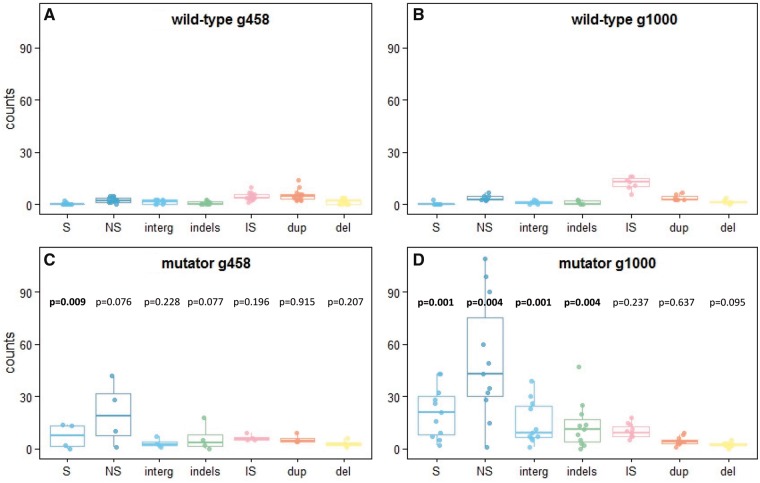
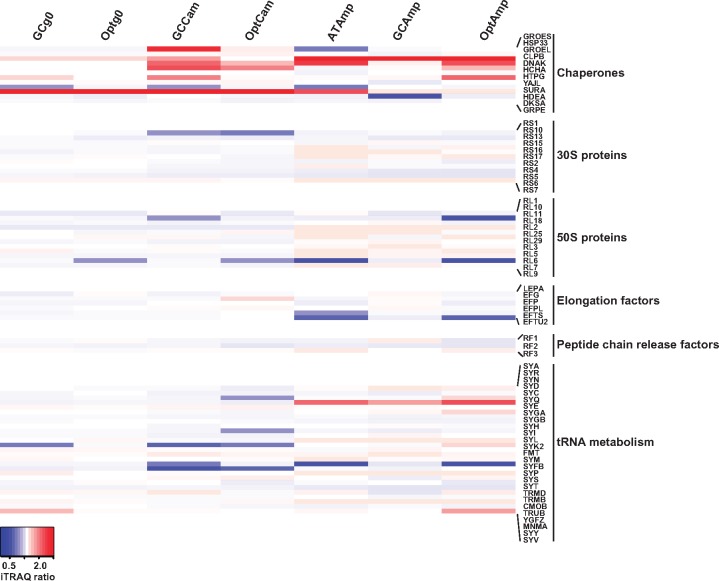
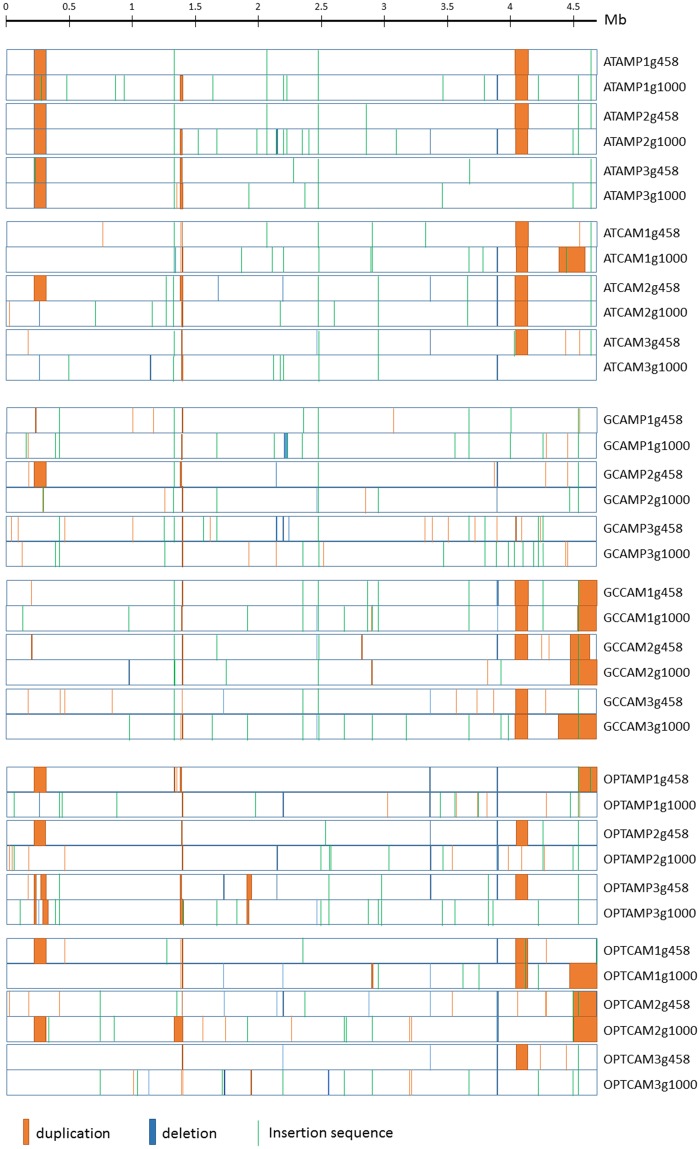
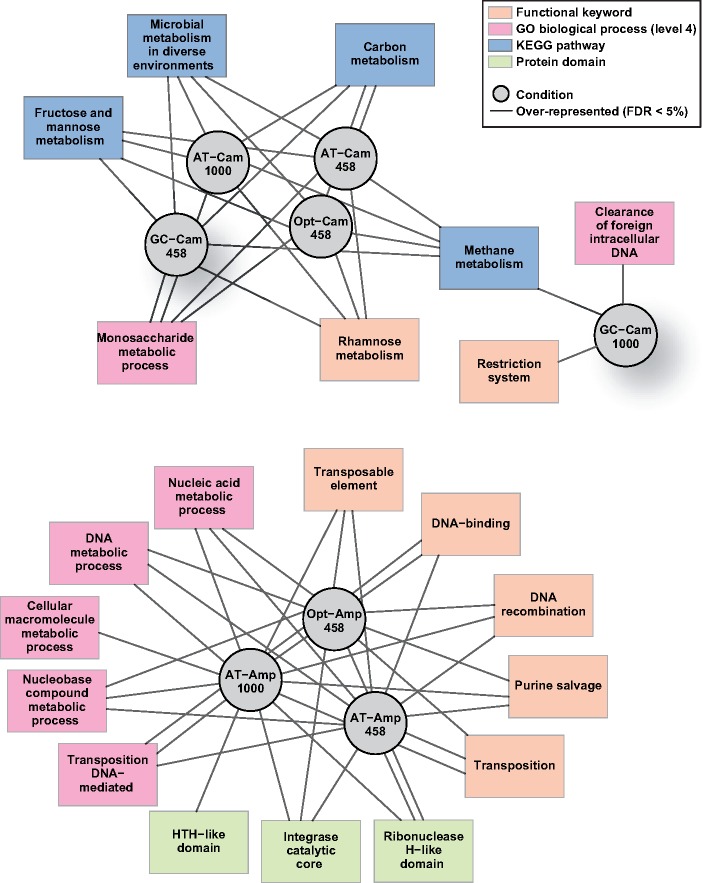
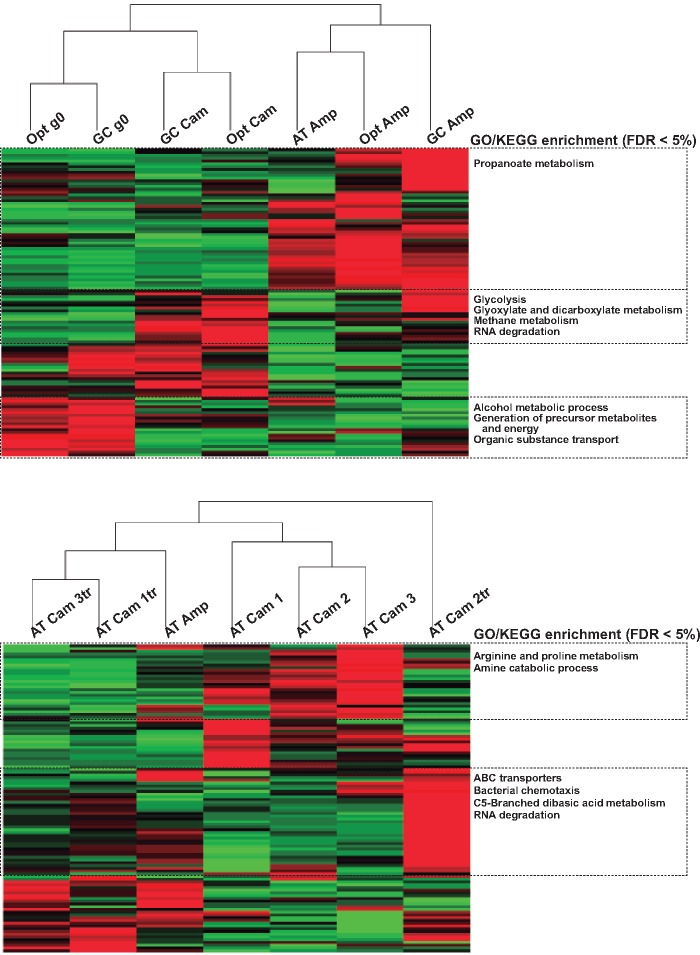
Genes acquired by horizontal gene transfer (HGT) may provide the recipient organism with potentially new functions, but proper expression level and integration of the transferred genes in the novel environment are not granted. Notably, transferred genes can differ from the receiving genome in codon usage preferences, leading to impaired translation and reduced functionality. Here, we characterize the genomic and proteomic changes undergone during experimental evolution of Escherichia coli after HGT of three synonymous versions, presenting very different codon usage preference, of an antibiotic resistance gene. The experimental evolution was conducted with and without the corresponding antibiotic and the mutational patterns and proteomic profiles after 1,000 generations largely depend on the experimental growth conditions (e.g., mutations in antibiotic off-target genes), and on the synonymous gene version transferred (e.g., mutations in genes responsive to translational stress). The transfer of an exogenous gene extensively modifies the whole proteome, and these proteomic changes are different for the different version of the transferred gene. Additionally, we identified conspicuous changes in global regulators and in intermediate metabolism, confirmed the evolutionary ratchet generated by mutations in DNA repair genes and highlighted the plasticity of bacterial genomes accumulating large and occasionally transient duplications. Our results support a central role of HGT in fuelling evolution as a powerful mechanism promoting rapid, often dramatic genotypic and phenotypic changes. The profound reshaping of the pre-existing geno/phenotype allows the recipient bacteria to explore new ways of functioning, far beyond the mere acquisition of a novel function.
水平基因转移 (HGT) 获得的基因可能为受体生物提供潜在的新功能,但转移基因在新环境中的适当表达水平和整合是无法保证的。值得注意的是,转移基因的密码子使用偏好可能与受体基因组不同,导致翻译受损和功能降低。在这里,我们描述了在大肠杆菌的实验进化过程中,三种具有非常不同的密码子使用偏好的抗生素抗性基因的同义版本发生的基因组和蛋白质组变化。实验进化是在有和没有相应抗生素的情况下进行的,经过 1000 代后,突变模式和蛋白质组图谱在很大程度上取决于实验生长条件(例如,抗生素非靶标基因的突变),以及转移的同义基因版本(例如,响应翻译应激的基因的突变)。外源基因的转移广泛改变了整个蛋白质组,并且不同版本的转移基因的蛋白质组变化也不同。此外,我们还鉴定了全局调节剂和中间代谢物的显著变化,证实了 DNA 修复基因突变产生的进化棘轮,并强调了细菌基因组的可塑性,其积累了大量且偶尔是短暂的重复。我们的研究结果支持 HGT 在推动进化方面发挥核心作用,是促进快速、通常是剧烈的基因型和表型变化的强大机制。对预先存在的基因型/表型的深刻重塑使受体细菌能够探索新的功能方式,远远超出仅仅获得新功能。