Department of Clinical Biochemistry and Laboratory Medicine, Poznan University of Medical Sciences, 61-701 Poznan, Poland.
College of Science and Engineering Flinders University, Adelaide, SA 5042, Australia.
Int J Mol Sci. 2019 Feb 12;20(3):785. doi: 10.3390/ijms20030785.
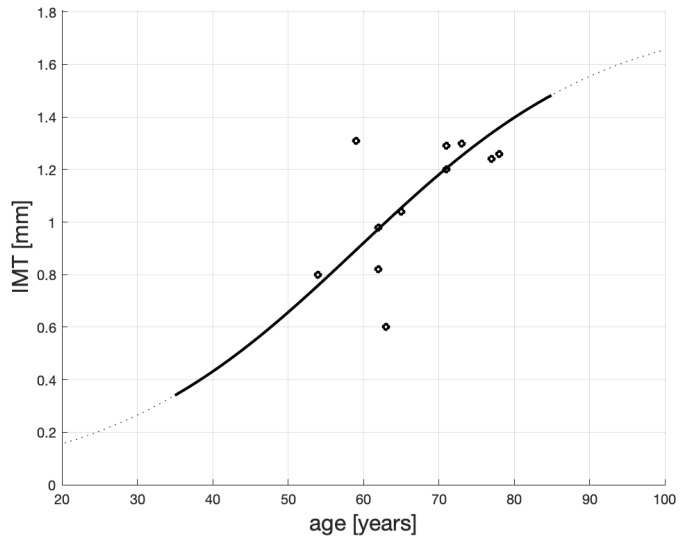
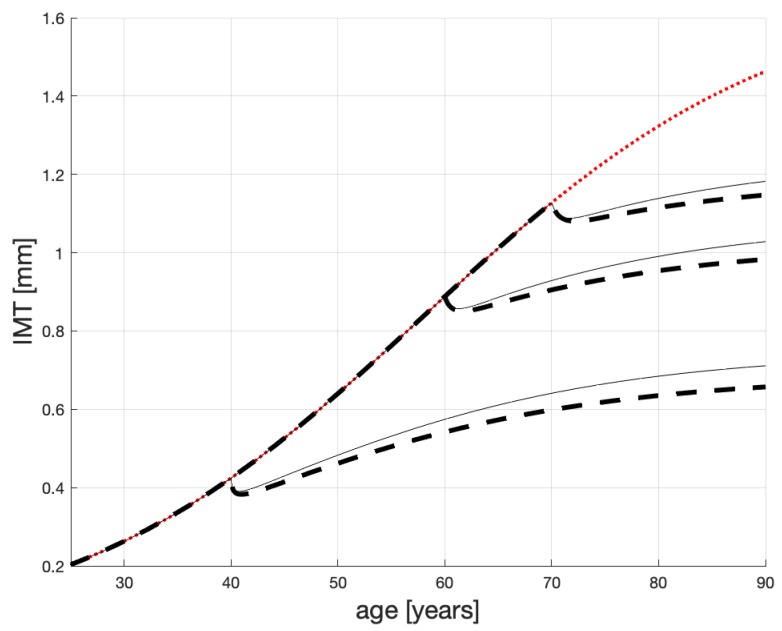
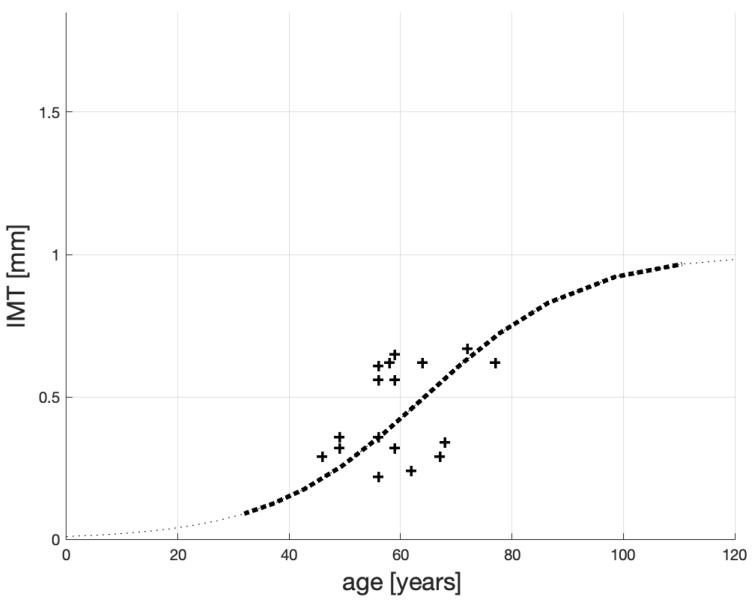
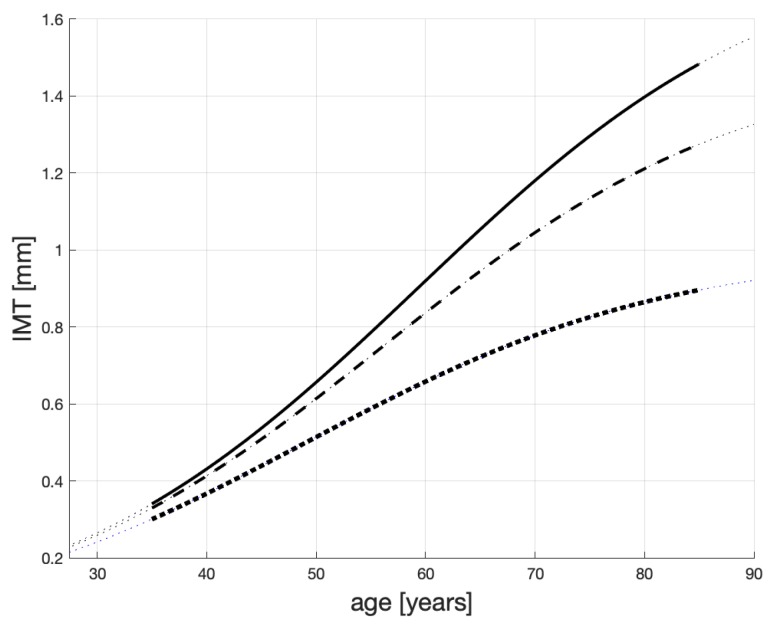
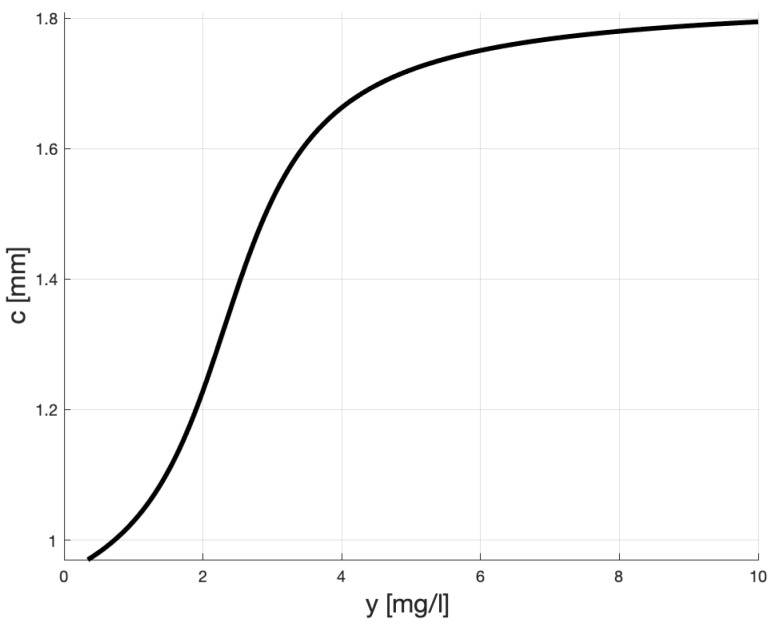
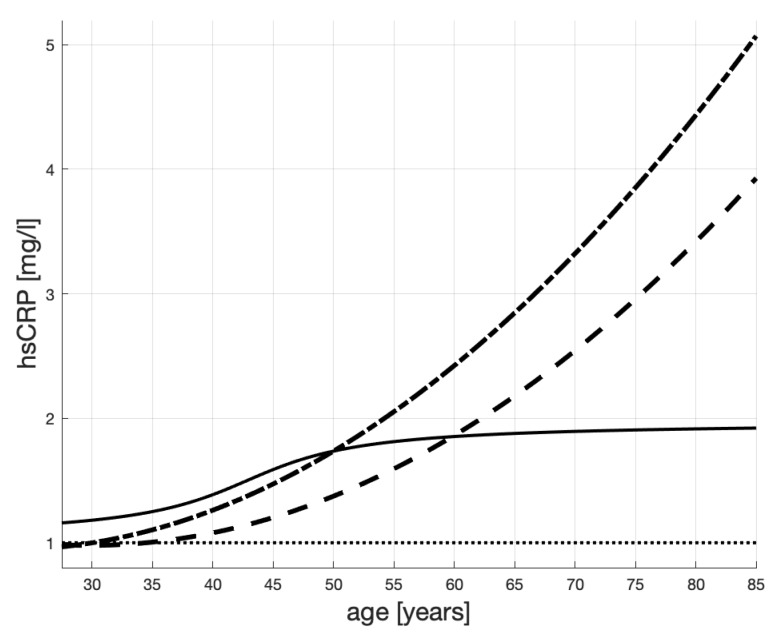
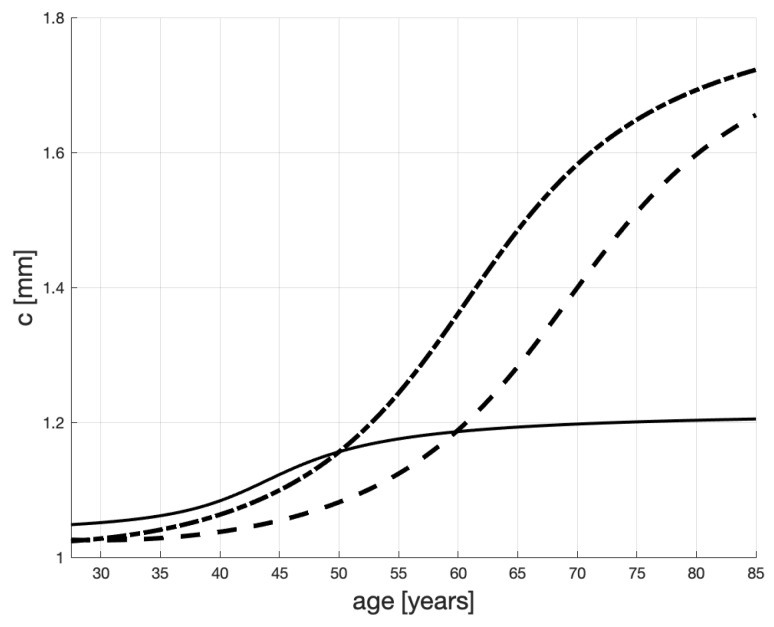
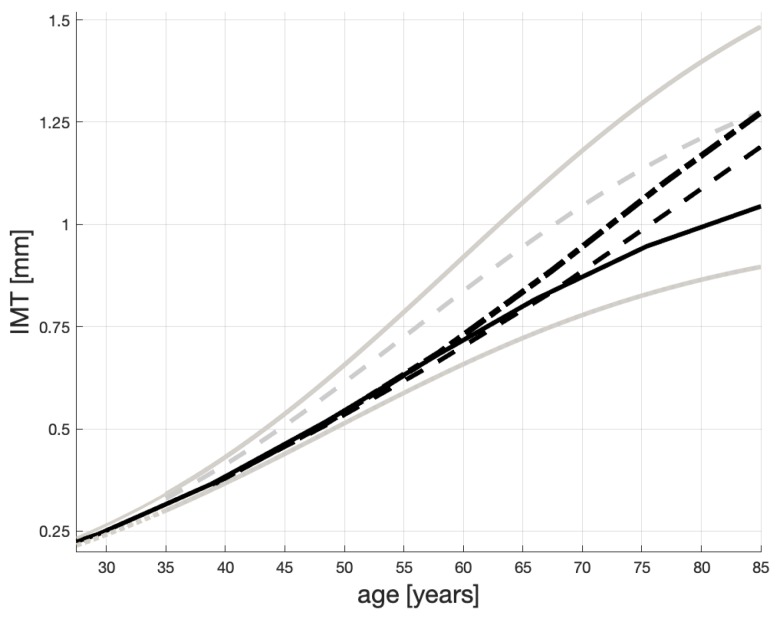
We propose a control-theoretic aggregate model of the progression of atherosclerosis plaque, a chronic inflammatory disease of the arterial wall, to study the basic features of this disease. In the model, we exploit the role of inflammation in the disease progression, and use statins-drugs commonly recommended in atherosclerosis-to control this progression. We use a logistic function to allow for constrained growth of plaque. In the model, both the patient's age and overall health impact the plaque growth and its sensitivity to statins. The model parameters are estimated using original data, or calibrated using published research as well as our own clinical and laboratory studies. We contend that our model helps to gauge the statins' impact on a patient's plaque thickness, hence the disease's progression and cardiovascular risk, without requiring artery scans.
我们提出了动脉粥样硬化斑块进展的控制理论综合模型,这是一种动脉壁的慢性炎症性疾病,旨在研究这种疾病的基本特征。在该模型中,我们利用炎症在疾病进展中的作用,并使用他汀类药物(通常用于治疗动脉粥样硬化)来控制疾病的进展。我们使用逻辑函数来允许斑块的受限生长。在该模型中,患者的年龄和整体健康状况都会影响斑块的生长及其对他汀类药物的敏感性。模型参数是使用原始数据进行估计的,或者使用已发表的研究以及我们自己的临床和实验室研究进行校准的。我们认为,我们的模型有助于在不需要进行动脉扫描的情况下,评估他汀类药物对患者斑块厚度的影响,从而评估疾病的进展和心血管风险。