Assisted Reproduction Unit, Department of Obstetrics and Gynecology, Sir Run Run Shaw Hospital, Zhejiang University School of Medicine, No. 3 Qingchun East Road, Jianggan District, 310016, Hangzhou, China.
Key Laboratory of Reproductive Dysfunction Management of Zhejiang Province, No. 3 Qingchun East Road, Jianggan District, 310016, Hangzhou, China.
Cell Death Dis. 2019 Feb 13;10(2):144. doi: 10.1038/s41419-019-1395-6.
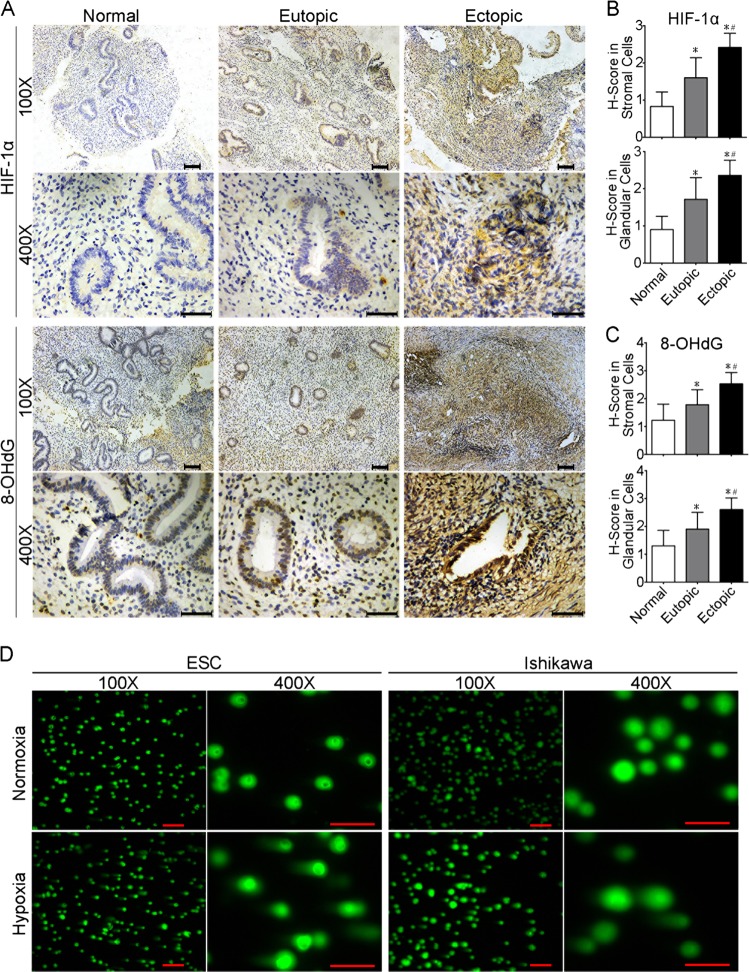
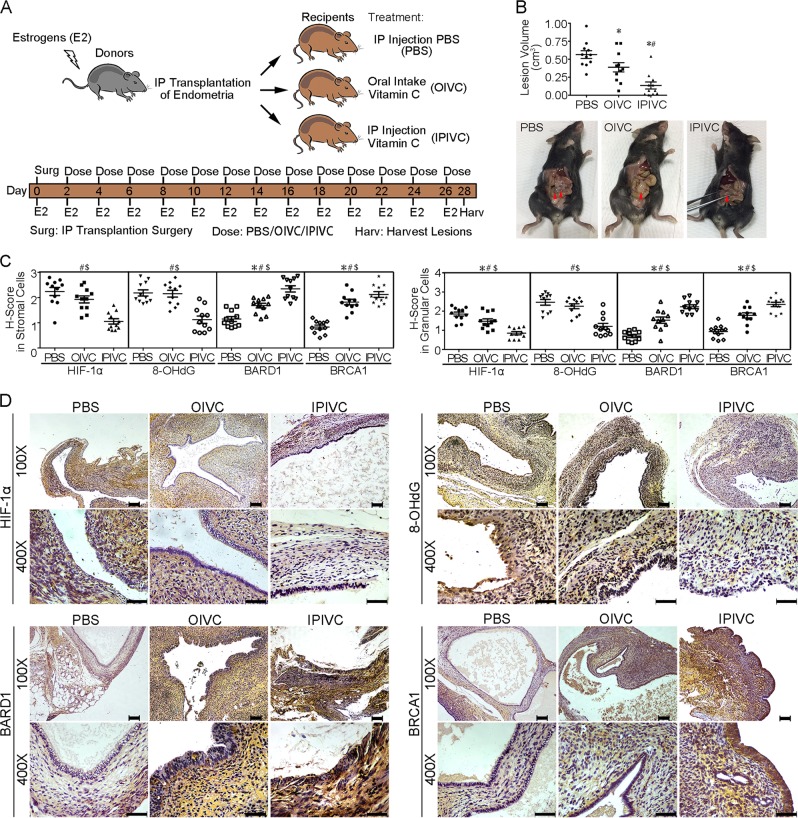
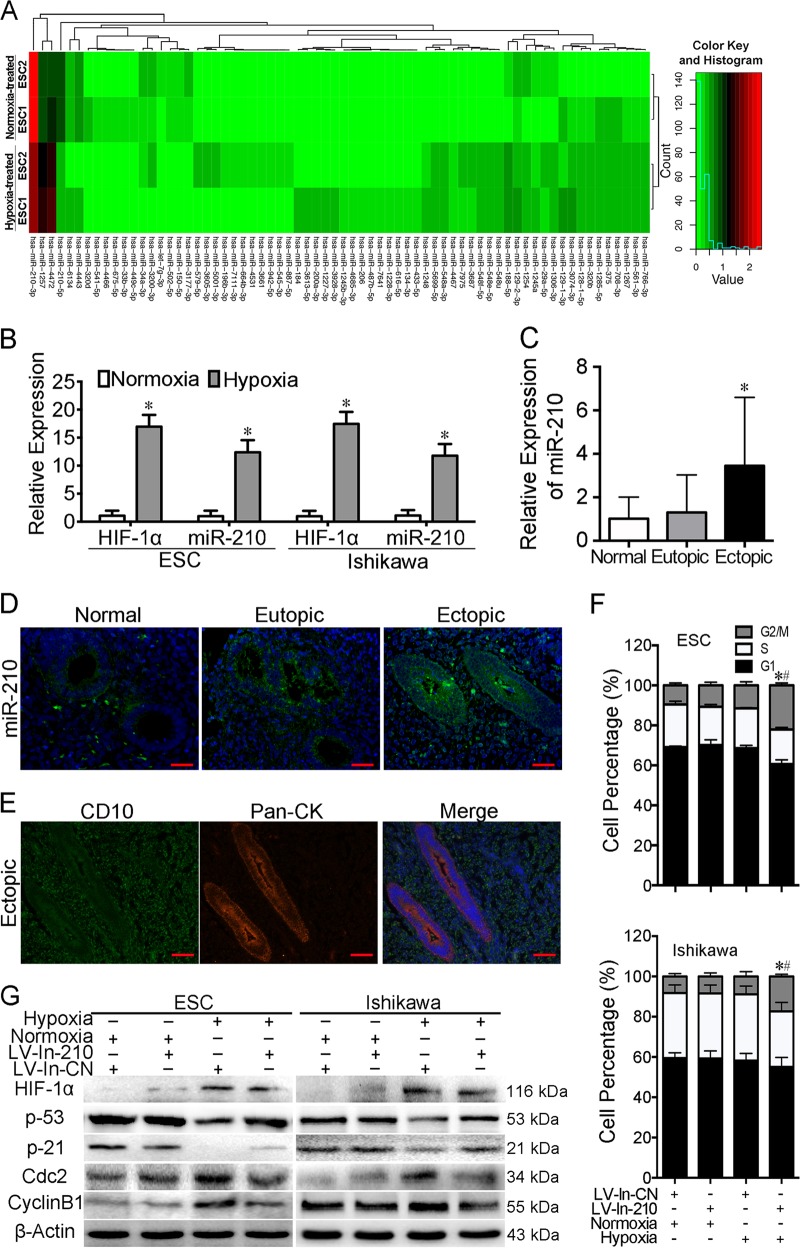
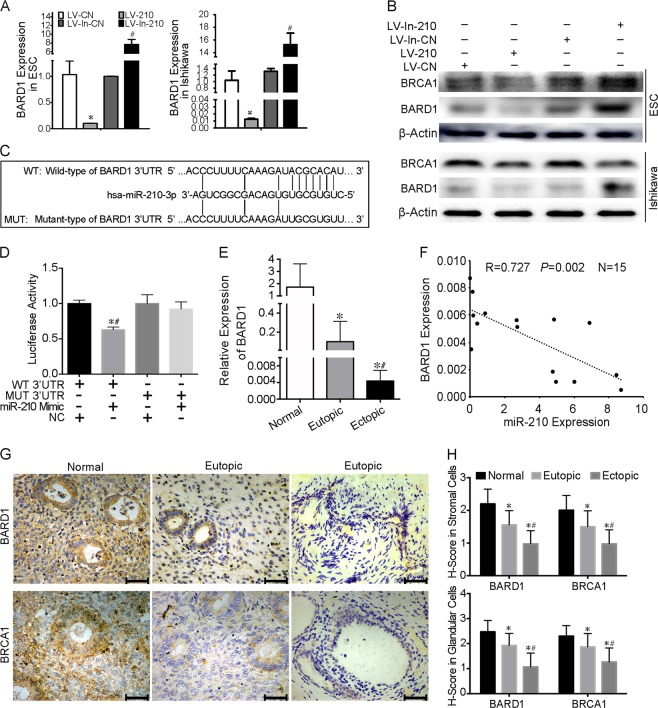
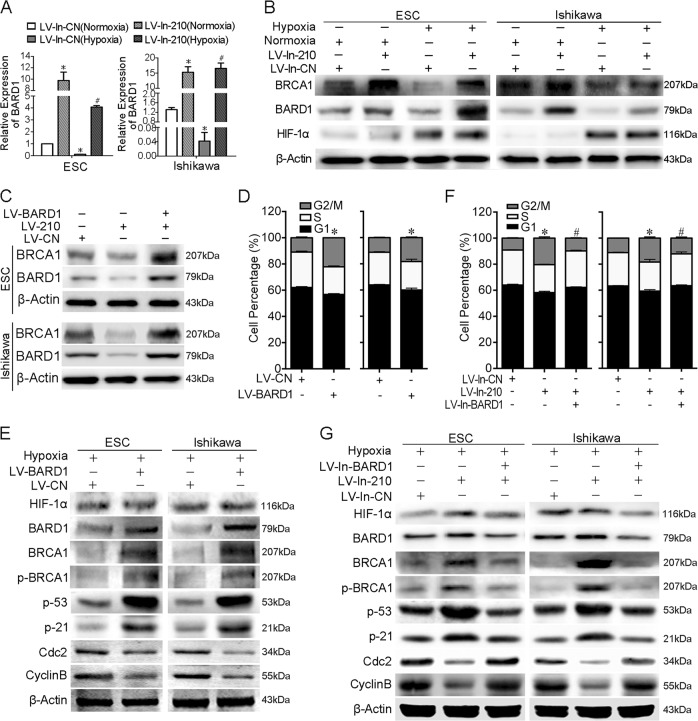
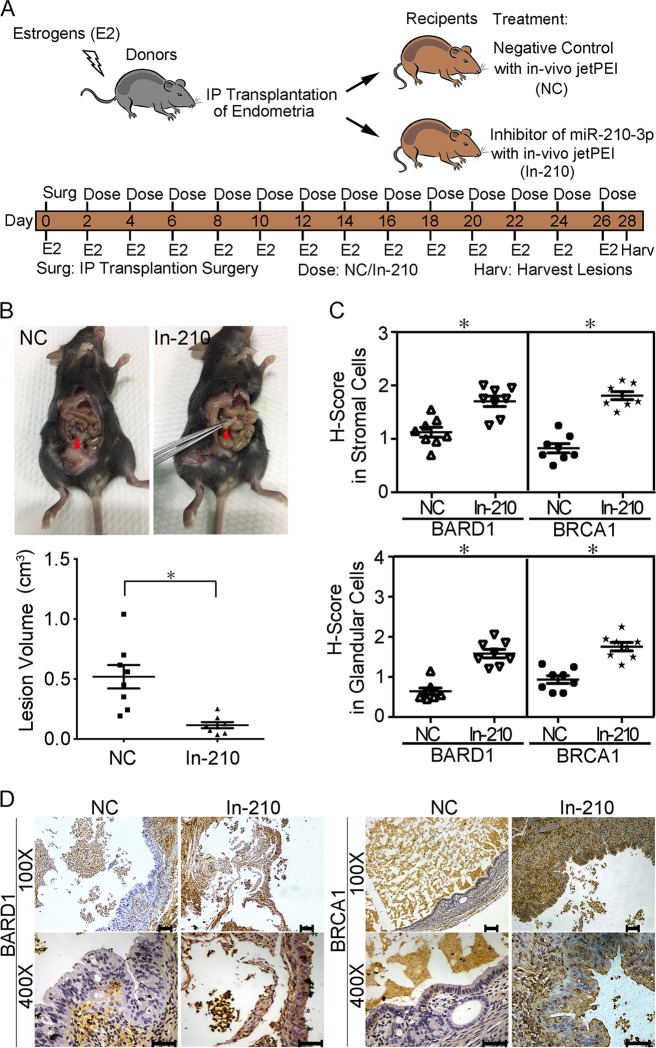
Endometriosis is associated with benign but adversely developed cysts in the extrauterine environment. The oxidative imbalanced environment induces DNA damage and affects cell cycle progression of endometrial stromal cells (ESCs) and endometrial epithelial cells, but how endometriotic cells maintain proliferation in the presence of oxidative stress is not clear. Growing evidence has indicated that the ectopic hypoxic microenvironment and oxidative stress can stimulate the growth of endometriotic cells, which is mainly due to the increase of HIF-1α. We found that the master hypoxia-associated miRNA miR-210-3p was increased in stromal and glandular cells of ectopic lesions compared with that of eutopic and normal endometria and was consistent with the expression of HIF-1α and the local oxidative stress-induced DNA damage predictor 8-OHdG. Moreover, miR-210-3p was upregulated in ESCs and Ishikawa cells under hypoxic conditions but not in normoxic culture. Knockdown of miR-210-3p induced a G2/M arrest of ESCs and Ishikawa cells under hypoxia, while no effect was found under normoxia. BARD1 was identified as a target of miR-210-3p. BARD1 expression was decreased in endometriotic tissues compared with eutopic and normal endometria and negatively correlated with the expression of miR-210-3p. Multivariate regression analysis showed that BARD1 downregulation could serve as an indicator for endometriotic severity. Our results suggest that miR-210-3p attenuates the G2/M cell cycle checkpoint by inactivating BRCA1 complex function in response to DNA damage under hypoxia via targeting the 3' untranslated region of BARD1 mRNA. Endometriotic mouse model experiments showed that intraperitoneal injection of the miR-210-3p inhibitor or vitamin C suppressed the growth of endometriotic lesions. Together, our results demonstrate that endometriotic cells inhibit BARD1/BRCA1 function by upregulating miR-210-3p, which might be the underlying mechanism for endometriotic cell maintenance of growth in oxidative stress. Furthermore, inhibition of miR-210-3p and administration of vitamin C are promising approaches for the treatment of endometriosis.
子宫内膜异位症与子宫外环境中良性但发育不良的囊肿有关。氧化失衡环境会导致 DNA 损伤,并影响子宫内膜基质细胞(ESCs)和子宫内膜上皮细胞的细胞周期进程,但子宫内膜异位症细胞如何在氧化应激存在的情况下维持增殖尚不清楚。越来越多的证据表明,异位缺氧微环境和氧化应激可以刺激子宫内膜异位症细胞的生长,这主要归因于 HIF-1α的增加。我们发现,与在位和正常子宫内膜相比,基质和腺体细胞中与缺氧相关的主要 miRNA miR-210-3p 在异位病变中增加,并且与 HIF-1α和局部氧化应激诱导的 DNA 损伤预测因子 8-OHdG 的表达一致。此外,miR-210-3p 在缺氧条件下在 ESCs 和 Ishikawa 细胞中上调,但在正常氧培养中没有上调。miR-210-3p 敲低在缺氧下诱导 ESCs 和 Ishikawa 细胞的 G2/M 期阻滞,但在正常氧条件下没有作用。BARD1 被鉴定为 miR-210-3p 的靶标。与在位和正常子宫内膜相比,子宫内膜异位症组织中 BARD1 的表达减少,并且与 miR-210-3p 的表达呈负相关。多变量回归分析表明,BARD1 下调可作为子宫内膜异位症严重程度的指标。我们的结果表明,miR-210-3p 通过靶向 BARD1 mRNA 的 3'UTR 来失活 BRCA1 复合物功能,从而在缺氧下响应 DNA 损伤来减轻 G2/M 细胞周期检查点。子宫内膜异位症小鼠模型实验表明,腹腔注射 miR-210-3p 抑制剂或维生素 C 可抑制子宫内膜异位症病变的生长。总之,我们的结果表明,子宫内膜异位症细胞通过上调 miR-210-3p 抑制 BARD1/BRCA1 功能,这可能是子宫内膜异位症细胞在氧化应激下维持生长的潜在机制。此外,抑制 miR-210-3p 和给予维生素 C 可能是治疗子宫内膜异位症的有前途的方法。