Center for Systems Biology, Massachusetts General Hospital and Harvard Medical School, Boston, MA, USA.
Department of Laboratory Medicine, Medical University of Vienna, Vienna, Austria.
Nature. 2019 Feb;566(7744):383-387. doi: 10.1038/s41586-019-0948-2. Epub 2019 Feb 13.
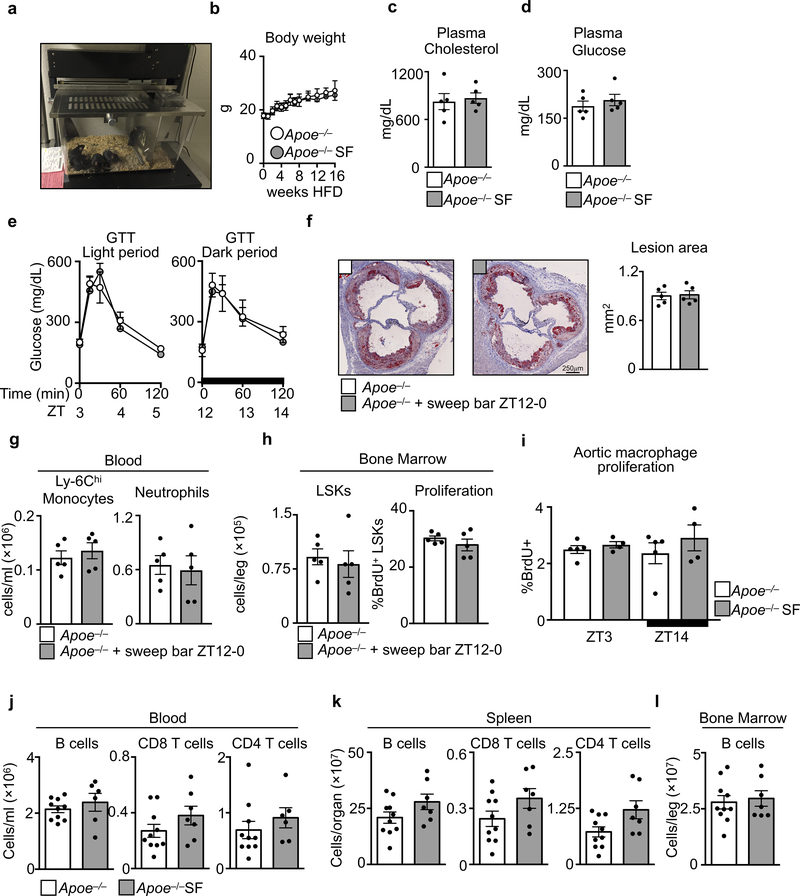
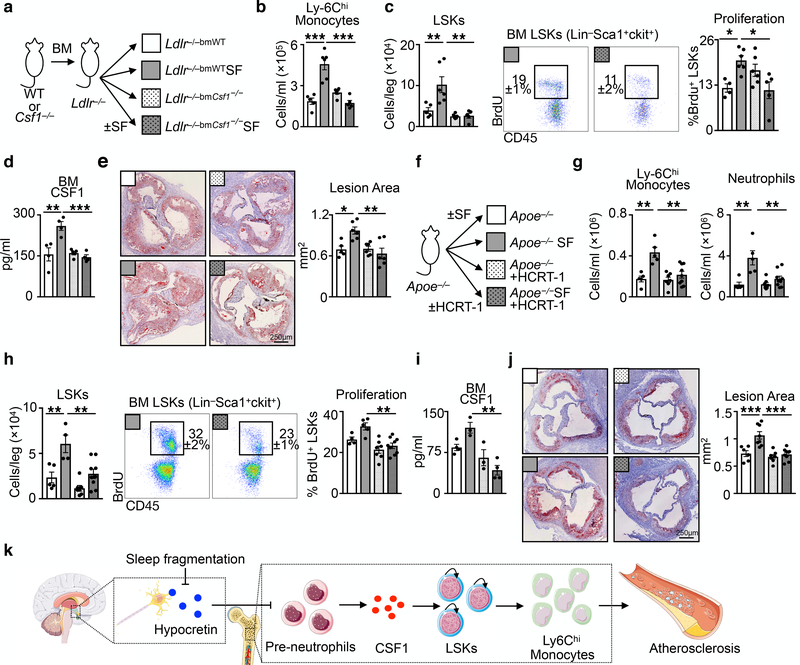
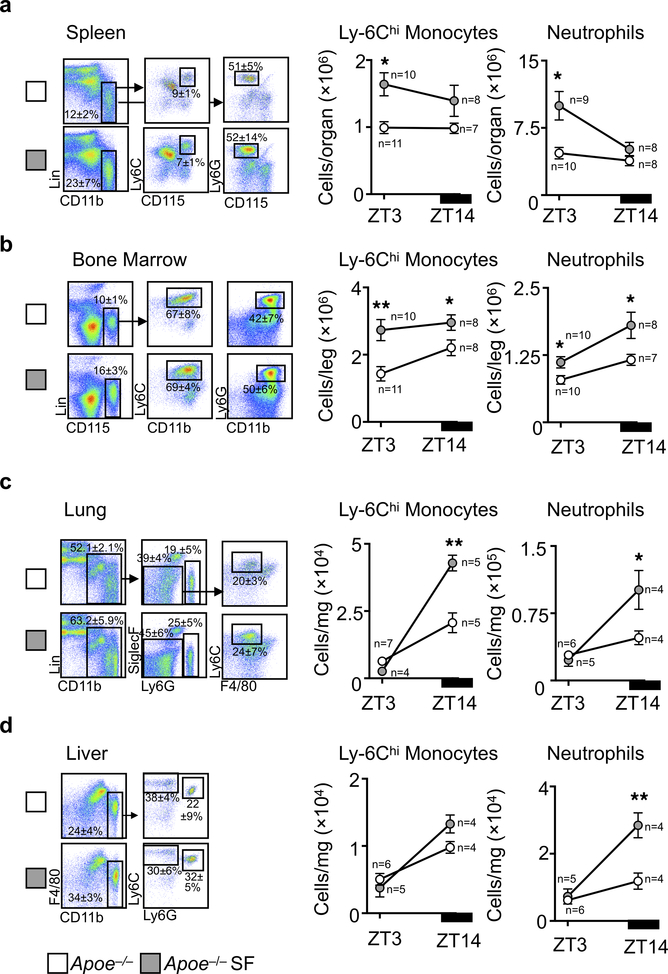
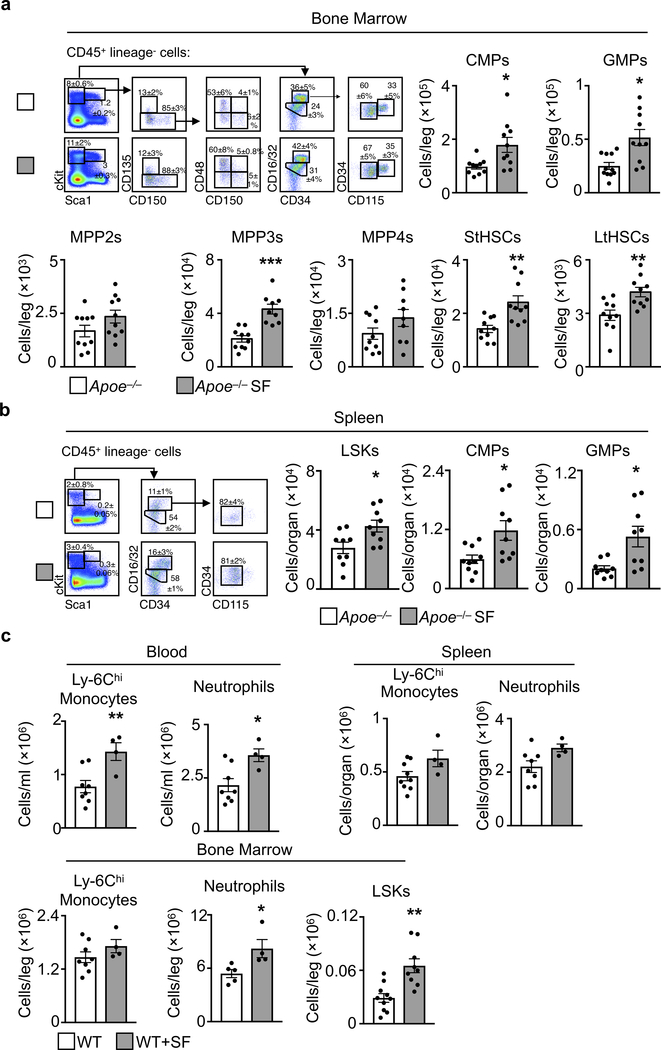
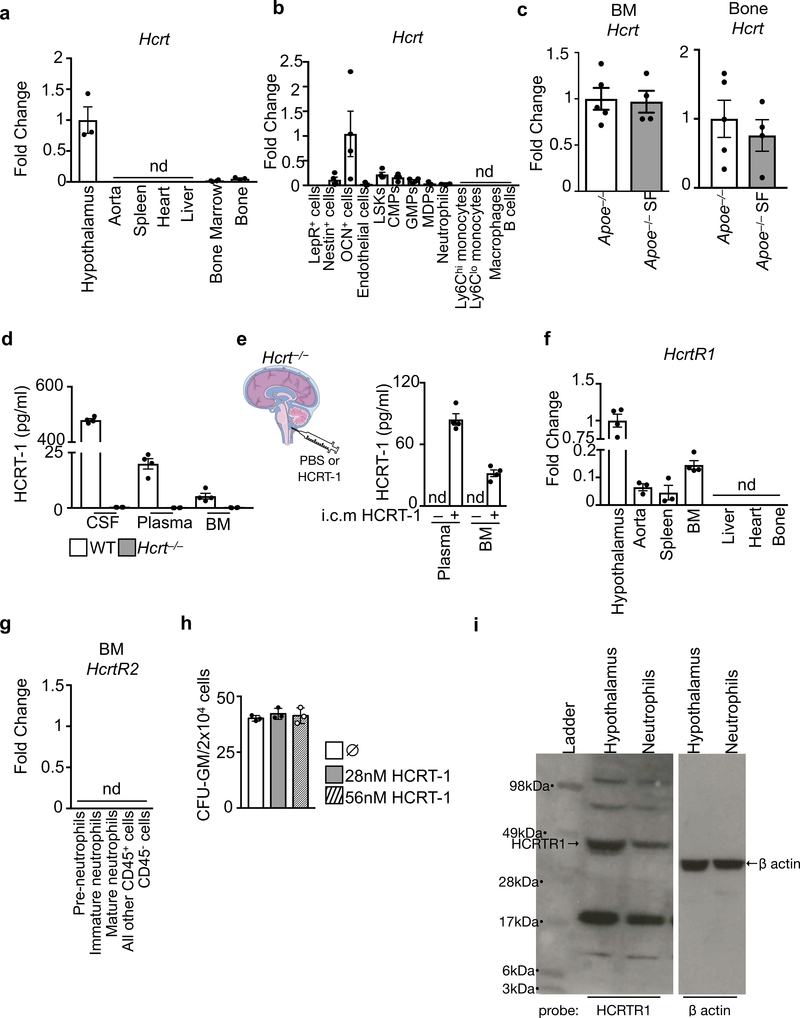
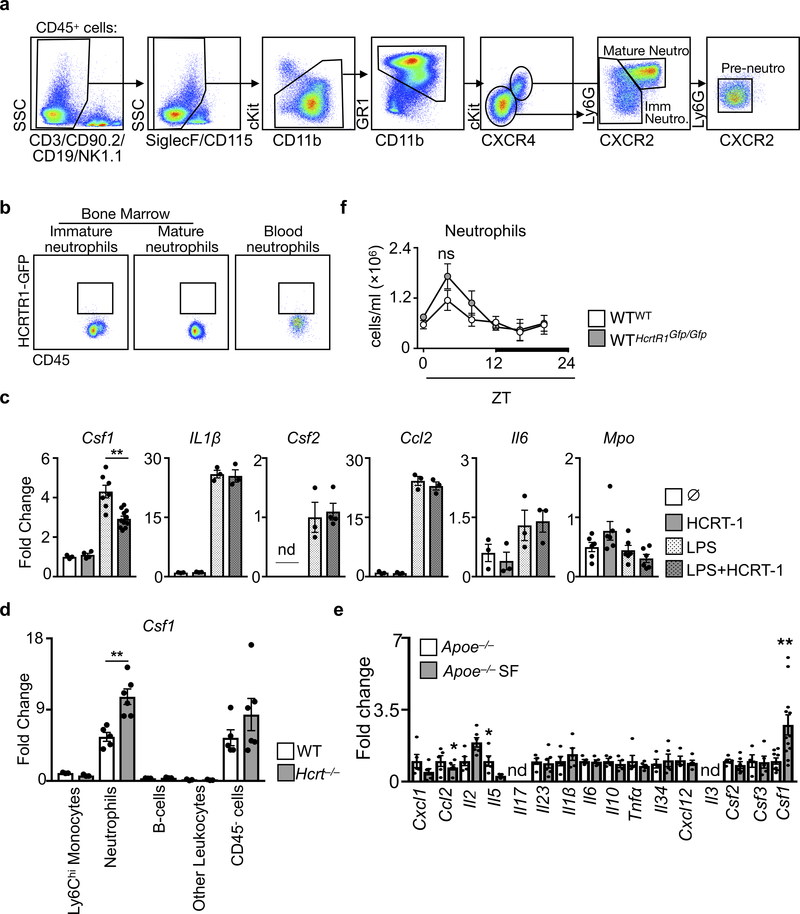
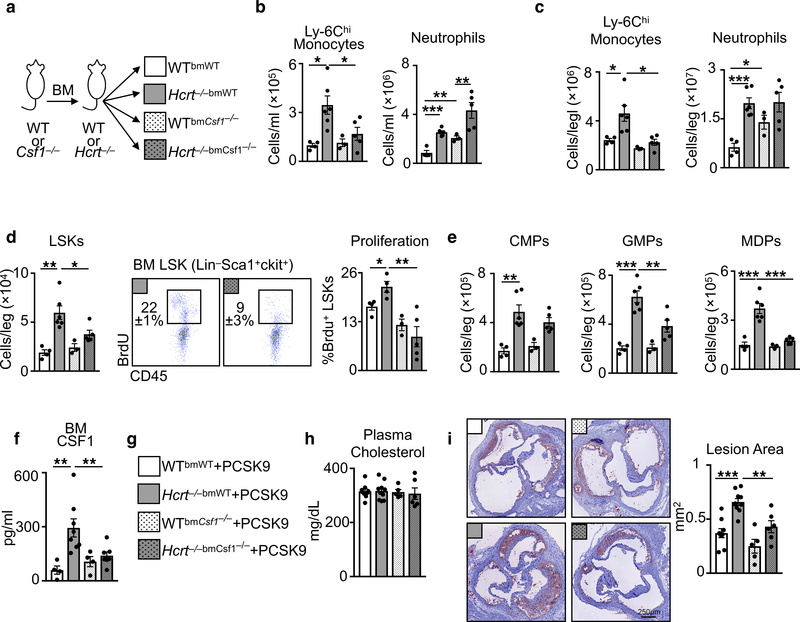
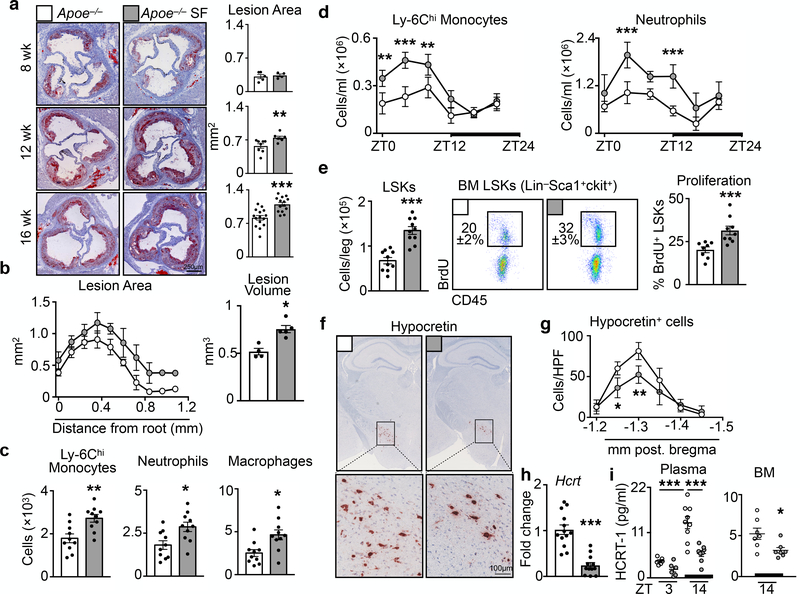
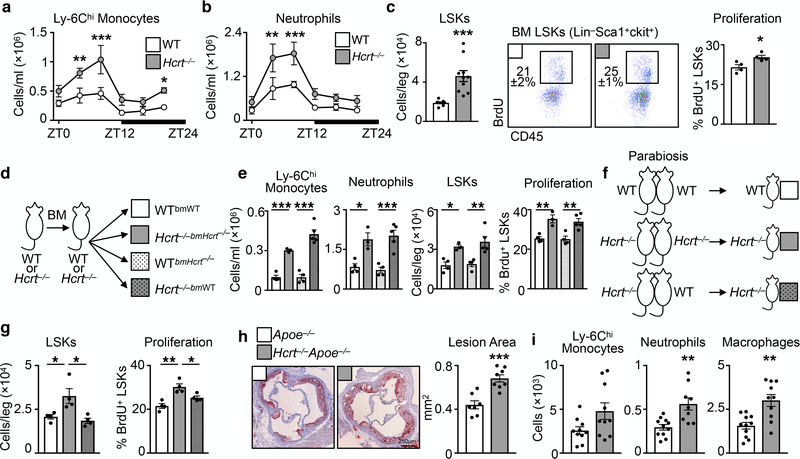
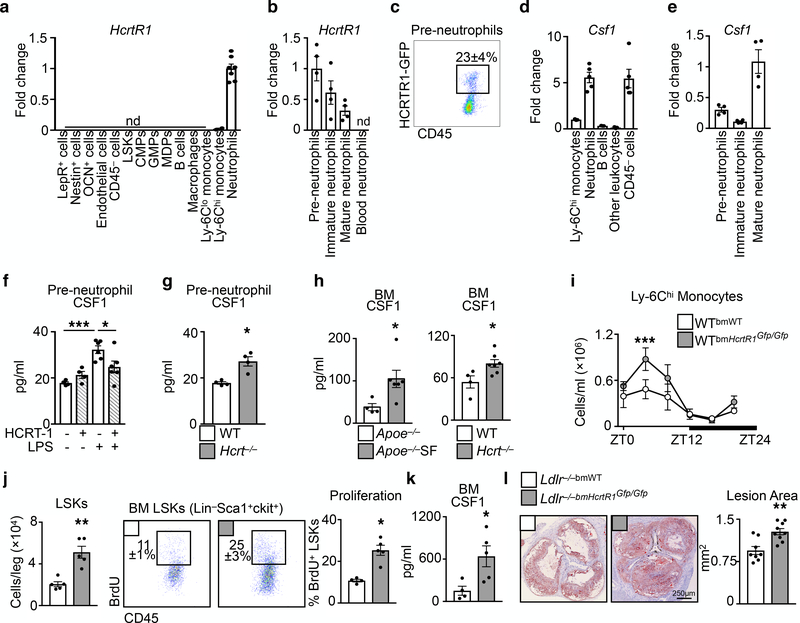
Sleep is integral to life. Although insufficient or disrupted sleep increases the risk of multiple pathological conditions, including cardiovascular disease, we know little about the cellular and molecular mechanisms by which sleep maintains cardiovascular health. Here we report that sleep regulates haematopoiesis and protects against atherosclerosis in mice. We show that mice subjected to sleep fragmentation produce more Ly-6C monocytes, develop larger atherosclerotic lesions and produce less hypocretin-a stimulatory and wake-promoting neuropeptide-in the lateral hypothalamus. Hypocretin controls myelopoiesis by restricting the production of CSF1 by hypocretin-receptor-expressing pre-neutrophils in the bone marrow. Whereas hypocretin-null and haematopoietic hypocretin-receptor-null mice develop monocytosis and accelerated atherosclerosis, sleep-fragmented mice with either haematopoietic CSF1 deficiency or hypocretin supplementation have reduced numbers of circulating monocytes and smaller atherosclerotic lesions. Together, these results identify a neuro-immune axis that links sleep to haematopoiesis and atherosclerosis.
睡眠是生命的重要组成部分。尽管睡眠不足或睡眠受到干扰会增加多种病理状况的风险,包括心血管疾病,但我们对睡眠维持心血管健康的细胞和分子机制知之甚少。在这里,我们报告说,睡眠调节造血并保护小鼠免受动脉粥样硬化的影响。我们发现,睡眠受到干扰的小鼠会产生更多的 Ly-6C 单核细胞,形成更大的动脉粥样硬化斑块,并且在下丘脑外侧产生的下丘脑分泌素(一种具有刺激和促进觉醒作用的神经肽)减少。下丘脑分泌素通过限制骨髓中表达下丘脑分泌素受体的前中性粒细胞产生 CSF1 来控制髓系细胞生成。尽管缺乏下丘脑分泌素和造血细胞因子 1 受体的小鼠会出现单核细胞增多症和动脉粥样硬化加速,但骨髓中缺乏 CSF1 或补充下丘脑分泌素的睡眠受到干扰的小鼠,其循环单核细胞数量减少,动脉粥样硬化斑块也更小。总之,这些结果确定了一个将睡眠与造血和动脉粥样硬化联系起来的神经免疫轴。